Understanding the Kadam School of Tibetan Buddhism The Kadam school represents a significant branch of Tibetan Buddhism, recognized for its emphasis on ethics and practical application of teachings. The term “Kadam” translates to “the Commandments” or “the Instruction,” reflecting its core principles drawn from foundational scriptures. The origins of the Kadam school can be traced...Read More
Introduction to Longchen Rabjam Longchen Rabjam, commonly referred to as Longchenpa, is revered as one of the most influential figures in Tibetan Buddhism, particularly recognized for his profound contributions to the Dzogchen tradition. Born in 1308 in the southeastern region of Tibet, specifically in the Nyang valley of the Kham province, he was originally named...Read More
Introduction to Shyopé Dorje Shyopé Dorje, a pivotal figure in the tapestry of Tibetan Buddhism, emerged during the 12th century, a period marked by significant spiritual evolution and the intertwining of various Buddhist practices. His contributions to the realm of tantric Buddhism illuminate his importance as a teacher and practitioner, despite the limited acknowledgment he...Read More
Introduction to Rongzom Chökyi Zangpo Rongzom Chökyi Zangpo, a pivotal figure in the Nyingma tradition of Tibetan Buddhism, is recognized for his profound influence as a scholar, translator, and Dzogchen master. Born in the 11th century, his contributions to Buddhist philosophy and practice have left an indelible mark not only on the Nyingma lineage but...Read More
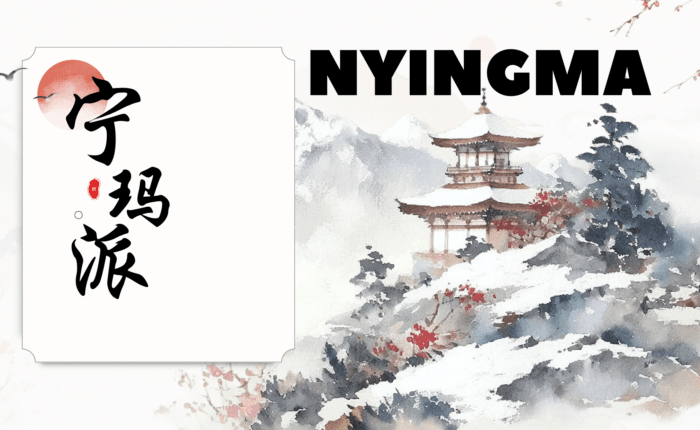
Introduction to the Nyingma School The Nyingma School represents the oldest tradition in Tibetan Buddhism, tracing its roots back to the 8th century CE. Its name, which translates to “the ancient school,” highlights its foundational status in the Tibetan Buddhist landscape. This school has been instrumental in preserving and disseminating earlier Buddhist teachings and practices,...Read More
What is a Living Buddha? A Living Buddha, commonly referred to as a ‘trulku’ in Tibetan Buddhism, embodies a complex and profound concept that is central to the understanding of Tibetan spiritual practices. The term ‘trulku’ is derived from two key Tibetan words: ‘trul,’ meaning to manifest or display, and ‘ku,’ which translates to body....Read More
Location: East of Samye Monastery, Zhanang County, Shannan City, Tibet Autonomous Region Perched above Tibet’s first monastery, Hepori Mountain—also known as Hepo Ri—hosts some of the oldest and most sacred stupas in Tibet, dating back over 1,300 years. These ancient shrines, known as the Hepori Stupas, are deeply connected to the origins of Tibetan Buddhism...Read More
Introduction to Tashilhunpo Monastery Tashilhunpo Monastery, located in the city of Shigatse in Tibet, holds a prominent place in the landscape of Tibetan Buddhism. Established in 1447 by the first Dalai Lama, it serves as the traditional seat of the Panchen Lamas, one of the most revered spiritual leaders in Tibetan Buddhism. The monastery not...Read More
Tashi Langyar Stupa Hall – Tashilhunpo Monastery, Shigatse The Lhabab Chorten holds a significant place within Tibetan culture and spirituality, serving as the joint reliquary stupa for the 5th to 9th Panchen Lamas. Located in the Tashi Langyar hall of Tashilhunpo Monastery in Shigatse, the Lhabab Chorten embodies the enduring spirit and resilience of the...Read More
Introduction to the Reliquary Stupa The reliquary stupa of Thubten Choekyi Nyima, the 9th Panchen Lama, is an esteemed architectural marvel situated within the Tashilhunpo Monastery in Shigatse, Tibet. This significant site not only serves as a tribute to one of Tibetan Buddhism’s most revered figures but also embodies the profound cultural and religious heritage...Read More
Introduction to the Reliquary Stupa The Reliquary Stupa dedicated to the 8th Panchen Lama, Tenpai Wangchuk, serves as a profound testament to the spiritual heritage embedded within the Tashilhunpo Monastery, located in the Shigatse region of Tibet. This architectural marvel not only signifies the religious importance of the Panchen Lama within Tibetan Buddhism but also...Read More
Introduction to the Reliquary Stupa The Reliquary Stupa dedicated to the 7th Panchen Lama, Tenpai Nyima, stands as a monumental symbol of Tibetan Buddhism and an emblem of rich spiritual heritage. Located within the esteemed Tashilhunpo Monastery in Shigatse, Tibet, this stupa plays a pivotal role in the religious and cultural landscape of the region....Read More
Introduction to Reliquary Stupas in Tibetan Buddhism In Tibetan Buddhism, reliquary stupas, known as “chorten,” serve as significant symbols of faith and devotion. These sacred monuments are designed to house relics—remains or possessions—of revered Buddhist figures, often including saints, lamas, or enlightened beings. The term “reliquary stupa” encapsulates both the structure and its purpose: a...Read More
Introduction to the Fourth Panchen Erdeni Losang Chokye Gyaltsen, recognized as the fourth Panchen Erdeni, holds a significant place in Tibetan Buddhism and history. Born in the Lanzhujia region in 1782, his early life was marked by profound connections to Buddhist teachings, setting the foundation for his future influence. From a young age, Losang exhibited...Read More
Introduction to Losang Dondrub and His Legacy Losang Dondrub, also revered as the Third Panchen Erdeni, holds a prominent place in the tapestry of Tibetan Buddhism. Born in 1738 in the region of Tsang in Central Tibet, he emerged as an influential spiritual leader during a period characterized by rich cultural and religious developments. From...Read More
Who Was Sonam Choklang? Sonam Choklang, recognized as the second Panchen Erdeni, was a prominent figure in the history of Tibetan Buddhism, deeply influencing the spiritual landscape of the region. He was born in the Wensa area near Shigatse, a location that holds significant cultural and religious importance within Tibet. His early life was marked...Read More
Historical Background of Khedrup Je Khedrup Je, also known as Khedrup Rinpoche, was born in the Ladui Duoxiong region of Ü-Tsang during the early 15th century. His early years were marked by a profound spiritual inclination that would later define his life’s work. Shortly after his birth, he began to show signs of a deep-seated...Read More
Historical Significance of Thubten Gyatso Thubten Gyatso, known as the 13th Dalai Lama, holds a pivotal role in Tibetan history, with a legacy that continues to resonate through the culture and spiritual practices of Tibet. Recognized as the reincarnation of the 12th Dalai Lama at a young age, Thubten Gyatso’s early life was defined by...Read More
Historical Context of Trinley Gyatso Trinley Gyatso, recognized as the twelfth Dalai Lama, was born in 1856 in a region near Woga Monastery in the northeastern part of Tibet. His early life was marked by a distinctive claim to spiritual and temporal authority, stemming from the rich tradition of Tibetan Buddhism that reveres the Dalai...Read More
Introduction to Khedrup Gyatso and the Meaning of the Reliquary Stupa Khedrup Gyatso, the eleventh Dalai Lama, holds a significant place in Tibetan Buddhism. He was born in 1856 in the vicinity of Huiyuan Monastery, a site emblematic of deep spiritual heritage. His early life was marked by a profound connection to the Buddhist teachings...Read More