With an average altitude of around 4,500 meters, Tibet is often misunderstood as unbearably cold and unsuitable for winter travel. In reality, those who have visited during the colder months describe it as one of the best winter destinations in Asia. A Tibet winter tour offers warm sunshine, authentic cultural experiences, and peaceful landscapes far from peak-season crowds.
Why Tibet Is Not as Cold as You Think
One of the biggest misconceptions about Tibet in winter is the temperature. While nights can be cold, daytime conditions are surprisingly comfortable. Under strong sunshine, temperatures rise quickly, making it feel much warmer than expected.
In cities like Lhasa, winter daytime temperatures often range between 7°C and 12°C. The dry air and high altitude allow sunlight to feel intense, creating pleasant conditions for sightseeing. Most hotels are well-equipped with heating facilities, ensuring a comfortable stay even when temperatures drop at night.
Experience Tibet at Its Most Authentic
Winter is the slack farming season in Tibet, and this is when locals devote more time to religious practices. Monasteries, temples, and streets become vibrant with Tibetan pilgrims dressed in traditional clothing.
This creates a rare opportunity for travelers to witness genuine spiritual life. From early morning prayers to long pilgrimages, the atmosphere feels deeply cultural and immersive. The absence of large tourist crowds allows for a more meaningful connection with Tibetan traditions.
Fewer Crowds and Lower Travel Costs
Another major advantage of winter travel in Tibet is the reduced number of visitors. Popular sites are quieter, allowing you to explore at your own pace without long lines or time restrictions.
Winter is also the most budget-friendly season. Travelers can often enjoy discounted prices on hotels, flights, entrance tickets, and tour packages. Many travel services offer special winter deals, making it an ideal time for those seeking value without compromising on experience.
Important Travel Considerations
While winter offers many benefits, some high mountain roads may be temporarily blocked due to heavy snowfall. Remote regions and certain passes may not always be accessible.
However, key destinations such as Lhasa, Yamdrok Lake, Shigatse, and Everest Base Camp usually remain reachable with proper planning. Choosing the right itinerary ensures a smooth and rewarding winter experience.
Lhasa: The City of Sunshine in Winter
Located on the north bank of the Lhasa River, Lhasa is the political, cultural, and spiritual heart of Tibet. With more than 3,000 hours of sunshine each year, it is famously known as the “City of Sunshine.”
Winter enhances Lhasa’s charm with crisp air, clear skies, and peaceful surroundings. Snow-dusted landscapes, bright sunlight, and fewer visitors make it the perfect starting point for a Tibet winter tour.
Explore the Iconic Potala Palace
The Potala Palace stands as one of the most recognizable landmarks in Tibet. Built on the site of a 7th-century meditation retreat by Songtsen Gampo, the current structure was expanded in 1645 by the Fifth Dalai Lama.
It served as the seat of Tibetan government until the construction of Norbulingka in 1755, after which it became the winter residence of the Dalai Lamas. In winter, the palace looks especially stunning against deep blue skies and snow-covered surroundings.
Visit Jokhang Temple and Barkhor Street
The sacred Jokhang Temple is one of the most important spiritual sites in Tibetan Buddhism. During winter, it attracts a large number of devoted pilgrims performing prostrations and prayers.
Surrounding the temple, Barkhor Street offers a lively atmosphere where travelers can observe daily Tibetan life, shop for traditional items, and enjoy local food such as butter tea.
Discover the Three Great Gelug Monasteries
Winter is the perfect time to explore the three great monasteries of the Gelug school without the usual crowds.
Sera Monastery
At the foot of Wutse Hill lies Sera Monastery, famous for its lively monk debates. Monks gather in the courtyard, using expressive gestures like clapping and hand movements to challenge each other’s philosophical understanding.
Drepung Monastery
Located west of Lhasa, Drepung Monastery was founded in 1416 and once housed thousands of monks. Its vast complex and historical significance make it a must-visit destination.
Ganden Monastery
Perched on Wangbur Mountain, Ganden Monastery is the first monastery of the Gelug tradition. The peaceful winter setting allows visitors to explore its spiritual atmosphere at a relaxed pace.
Scenic Journey from Lhasa to Shigatse
Traveling from Lhasa to Shigatse reveals some of Tibet’s most breathtaking winter landscapes. The route combines natural beauty with cultural heritage, offering a rich and diverse experience.
Yamdrok Lake: A Sacred Winter Gem
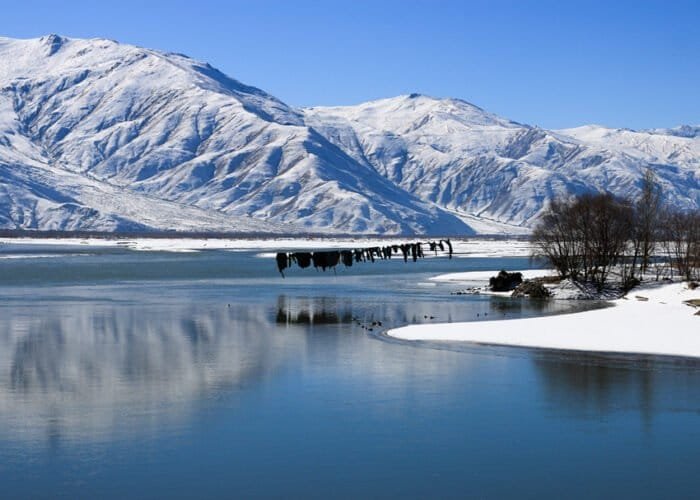
About 100 kilometers southwest of Lhasa lies Yamdrok Lake, one of Tibet’s three sacred lakes. Surrounded by snow-covered mountains, its turquoise waters create a striking contrast in winter.
The lake is fed by melting ice, giving it a low saline level and crystal-clear appearance. The serene environment makes it a highlight of any winter journey.
Karola Glacier: A Frozen Wonder
Further along the اhasa to Shigatse is the stunning Karola Glacier. Though not the largest glacier, its bright white surface and layered ice formations create a dramatic visual experience.
Visitors can get close to the glacier and observe the intricate layers that form this moving river of ice, making it a memorable stop along the route.
Cultural Stops and Local Experiences
The journey also includes historic sites such as Gyantse Dzong and the Palcho Monastery Kumbum.
Along the way, traditional Tibetan villages offer opportunities to visit local homes, experience daily life, and enjoy authentic Tibetan cuisine.
Mount Everest: A Winter Spectacle
Standing at 8,844 meters, Mount Everest is the highest mountain on Earth and often called the “Third Pole of the World.”
Winter brings exceptionally clear skies, offering some of the best visibility of the year. As the sun moves across the sky, it casts dramatic shadows and highlights across the snow-covered peaks.
Although temperatures are lower, the scenery is breathtaking. The crisp air, quiet surroundings, and panoramic views make Everest Base Camp one of the most rewarding winter destinations in Tibet.
Top Winter Experiences in Lhasa and Beyond
A winter Tibet tour centered around Lhasa offers a perfect balance of culture and nature. Key experiences include:
- Exploring the Potala Palace under bright winter skies
- Observing pilgrims at Jokhang Temple and Barkhor Street
- Watching monk debates at Sera Monastery
- Visiting Drepung and Ganden Monasteries without crowds
- Taking scenic drives to Yamdrok Lake and Karola Glacier
- Experiencing the clear, dramatic views of Mount Everest
For travelers seeking peaceful landscapes, cultural depth, and better value, winter reveals a unique side of Tibet that is rarely experienced during peak seasons.
Practical Tips for Tibet Winter Travel (2026)
Permits and Travel Requirements
All foreign travelers need a Tibet Travel Permit arranged through a licensed agency. Independent travel is not allowed, and booking should be done at least 20–30 days in advance.
Altitude and Health
Acclimatization is essential. Spend at least 2–3 days in Lhasa before heading to higher regions. Stay hydrated and avoid overexertion, especially in the dry winter air.
What to Pack
- Thermal base layers and warm clothing
- Down jacket and windproof outerwear
- Gloves, hat, and scarf
- Sunglasses and high-SPF sunscreen
- Comfortable walking shoes or boots
Accommodation and Comfort
Hotels in Lhasa generally provide heating and comfortable facilities. In higher regions, accommodations may be simpler, but warm bedding and hot water are usually available.
Best Time to Visit
December to February offers the quietest atmosphere and best travel deals. Clear skies during this period provide excellent visibility for mountain views and photography.
Winter in Tibet is a season of clarity, culture, and calm. From the sunlit streets of Lhasa to the snow-covered peaks of Everest, every moment feels more intimate and authentic.