
“You will not be punished for your anger; you will be punished by your anger.”
— Quoted by Buddha
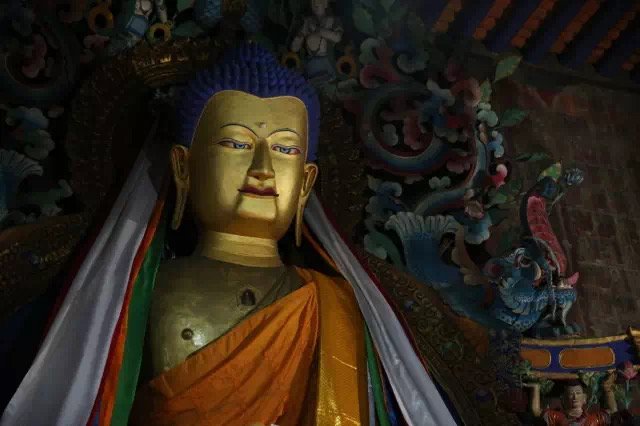
More than 2,500 years ago, a child was born in the kingdom of Kapilavastu. Today, this sacred birthplace is known as Lumbini in southern Nepal. That child was Gautama Buddha, born as Prince Siddhartha Gautama. His life would transform spiritual thought across Asia and the world.
The Birth of Prince Siddhartha
Prince Siddhartha was born into royalty. His father ruled the kingdom, and his birth brought joy to the entire land. However, this happiness was soon followed by sorrow. His mother, Queen Maha Maya, passed away shortly after giving birth.
Although surrounded by luxury and comfort, Siddhartha felt a deep sense of curiosity about life beyond the palace walls. He was not satisfied with wealth or status. Instead, he longed to understand the truth about life and human suffering.
The Four Sights: A Turning Point
Determined to explore the world, Siddhartha disguised himself as a servant and left the palace. During his journeys, he encountered experiences that changed his life forever.
He saw:
- An old man
- A dying man
- A man suffering from a terrible disease
- A lifeless corpse
These encounters revealed a painful truth. Aging, illness, and death are unavoidable parts of human existence. Siddhartha realized that material possessions and worldly pleasures could never protect people from suffering.
This realization awakened a powerful desire within him—to search for a higher truth that could free humanity from suffering.
The Path to Enlightenment
Siddhartha left his royal life behind and began a journey of meditation and deep self-reflection. After years of spiritual practice, he sat beneath a sacred Pipal tree and entered profound meditation.
It was there that he attained enlightenment. From that moment, he became known as the Buddha, meaning “the awakened one.”
His awakening marked the beginning of a spiritual movement that would later be known as Buddhism.
The First Teaching of Buddhism
After attaining enlightenment, the Buddha delivered his first discourse at Deer Park. In this teaching, he shared his understanding of suffering and the path to liberation.
His message was simple yet powerful. Human suffering exists, but it can be understood and overcome through wisdom, ethical living, and mental discipline.
Over time, Buddhism spread across India and later to Southeast Asia, Sri Lanka, and Japan.
In modern times, Buddhism remains deeply rooted in countries such as Sri Lanka, where it continues to shape religious and cultural identity.
Compilation of the Buddhist Canon
After the passing of the Buddha, his devoted disciples gathered in the ancient city of Rajagrha to preserve his teachings.
They compiled the Buddhist holy canon into three main parts:
- Vinaya : The Vinaya contains rules and guidelines for monastic life. It provides discipline and structure for monks and nuns.
- Sutras: The Sutras consist of the discourses and teachings delivered by the Buddha. These texts form the foundation of Buddhist philosophy and practice.
- Abhidharma: The Abhidharma explores the philosophical and psychological aspects of Buddhism. It examines the nature of mind, consciousness, and reality in great detail.
Tathagathas and Bodhisattvas
The Buddha was not considered the only enlightened being in history. Before him, other Buddhas known as Tathagathas had appeared in the world.
These enlightened beings helped shape the spiritual path that later identified the role of Bodhisattvas.
Bodhisattvas are compassionate beings who dedicate themselves to helping others reduce the cycle of rebirth and achieve liberation. They are respected and prayed to because they offer strength, compassion, and guidance to those seeking enlightenment.
The Cycle of Life and Rebirth
The Buddha taught that life is not a straight line. Instead, it is a continuous cycle of births and rebirths.
He described twelve key milestones in a person’s life, beginning with the development of the five senses and continuing through adulthood, family life, and the accumulation of material possessions. However, these stages are only part of a larger cycle. Each life offers an opportunity for growth, wisdom, and compassion.
The awareness we receive at birth can be strengthened through knowledge, generosity, and love. Positive actions and kind words create positive energy. Negative behavior, on the other hand, strengthens harmful tendencies.
According to these teachings, our actions leave lasting imprints. Even after death, the influence of our deeds continues through the legacy we create and the impact we have on future generations.
The Lasting Impact of Buddha’s Teachings
The life of Gautama Buddha reflects the power of self-discovery and spiritual awakening. His journey from prince to enlightened teacher continues to inspire millions around the world.
Through compassion, wisdom, and mindful living, his teachings provide guidance for those seeking peace and freedom from suffering.