

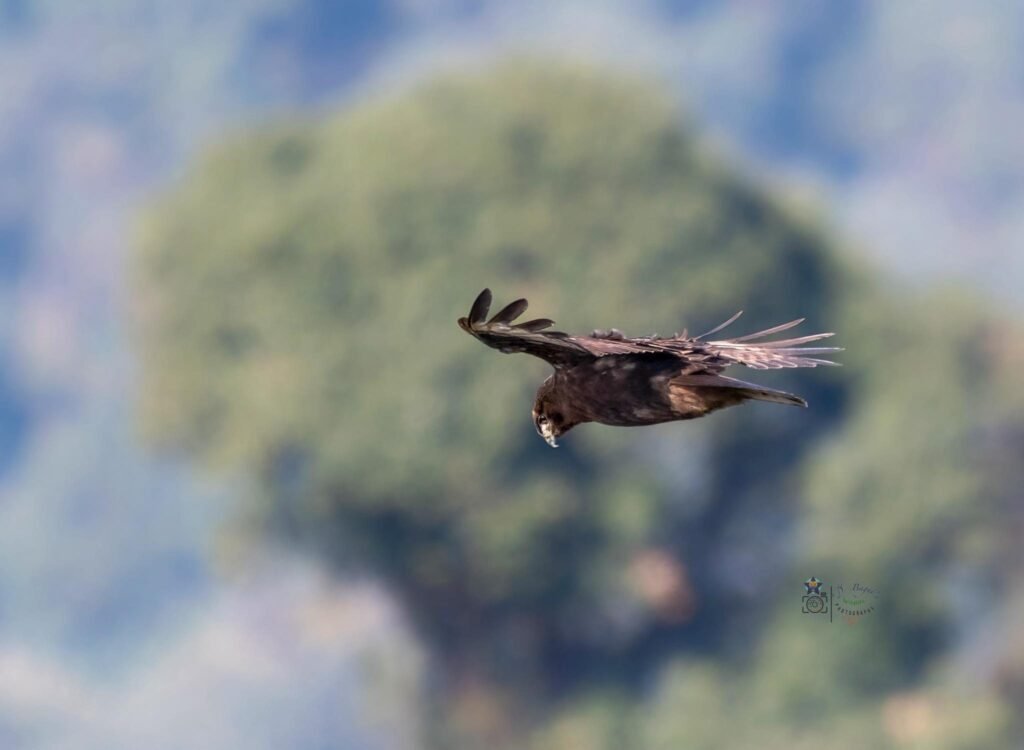
The Upland Buzzard (Buteo hemilasius), often nicknamed the “Hero Leopard” for its fierce hunting skills and spotted plumage, is the largest buzzard species in the world. Dominating the wide-open landscapes of Central Asia, this powerful raptor is especially at home on the Tibetan Plateau, where extreme altitude, cold winds, and vast grasslands shape one of Earth’s toughest habitats.
For birdwatchers, wildlife photographers, and Tibet travelers, spotting this majestic bird soaring above alpine steppes is an unforgettable experience. Beyond its striking appearance, the Upland Buzzard plays a critical ecological role in maintaining the fragile balance of high-altitude ecosystems.
Meet the Largest Buzzard on Earth
Belonging to the Accipitridae (hawk) family, the Upland Buzzard is built for endurance and strength. Its eagle-like silhouette immediately sets it apart from other buzzards.
Key Physical Features:
- Wingspan: Up to 1.7 meters, enabling efficient soaring on thermal currents
- Body Shape: Long, broad wings paired with a relatively long tail
- Feathered Legs: Often called “feathered trousers,” these provide insulation against freezing plateau temperatures
- Powerful Build: Designed to withstand low oxygen levels and high winds
These adaptations make it one of the most resilient birds of prey in high-altitude environments.
Habitat: Life Above the Clouds
The Upland Buzzard thrives in mountainous terrain, open plains, high steppes, and grasslands, typically breeding between 1,000 and 4,500 meters, and sometimes exceeding 5,000 meters in Tibet.
Across its vast range—from Kazakhstan to Korea, and south into Tibet, Nepal, and Bhutan—migration patterns vary:
- Northern populations move south during winter.
- Many Tibetan birds remain year-round or shift locally to lower valleys for milder weather.
If you travel across Tibet’s sweeping landscapes, don’t be surprised to see one perched on a rock, utility pole, or ridge, carefully scanning the ground below with razor-sharp vision.
Plumage and Color Variations
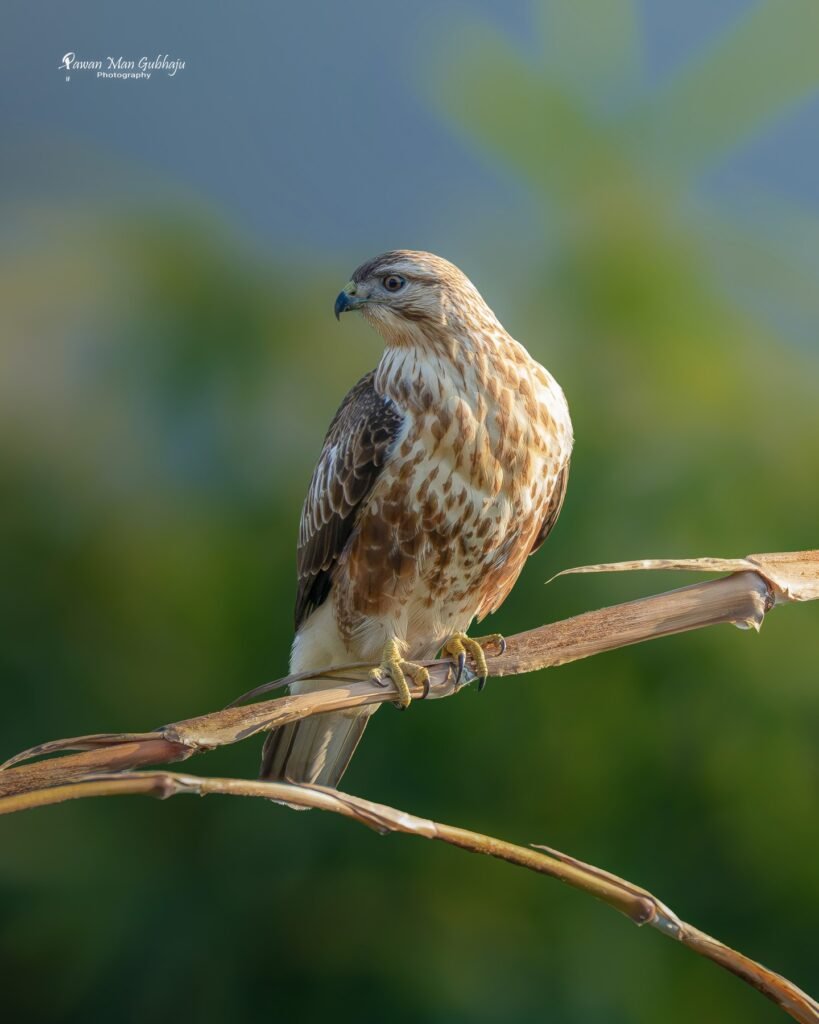
One of the most fascinating aspects of the Upland Buzzard is its plumage diversity. Birdwatchers may encounter two primary morphs:
Pale Morph
- Beige-brown upperparts
- Whitish underparts streaked with dark brown
- Pale flight feathers with black barring
Dark Morph
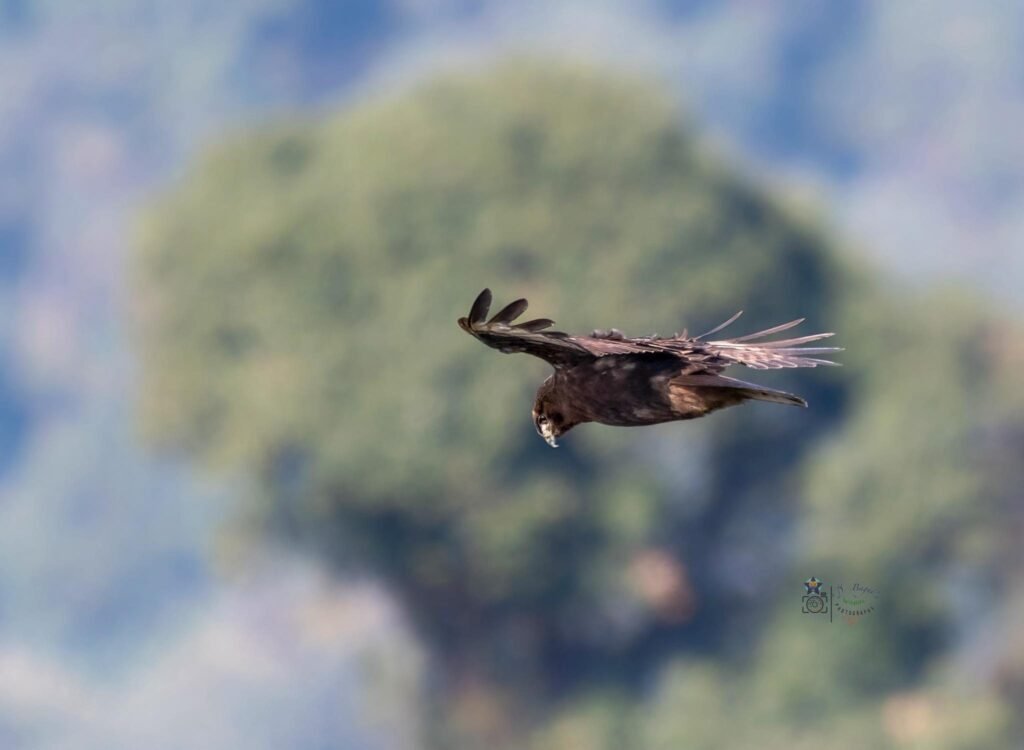
- Nearly uniform sooty black-brown coloration
- Strong contrast against snowy peaks or pale grasslands
Both morphs display a bold black patagium (wing marking), often visible during flight.
A Voice in the Wind
While soaring or defending territory, the Upland Buzzard produces a prolonged nasal “mewing” call. On quiet plateau mornings, this distinctive sound often alerts observers before the bird comes into view.
Diet: The Heavyweight Hunter of the Steppes
The Upland Buzzard is an opportunistic predator with a remarkably varied diet. However, it is most famous for its relationship with one small but essential creature—the Plateau Pika.
The Pika Specialist
Pikas reproduce quickly and can overgraze fragile grasslands if left unchecked. By preying heavily on these rodents, the buzzard helps prevent ecological imbalance.
Primary prey includes:
- Voles and gerbils
- Ground squirrels
- Pikas
- Young marmots
- Hares
It will also hunt:
- Pheasants and grouse
- Tibetan snowcocks
- Small birds like larks and pipits
- Frogs, lizards, and insects
- Bird eggs
This flexibility allows the buzzard to adapt to seasonal food availability across open habitats.
Hunting Style: Precision Over Speed
Unlike falcons that rely on high-speed dives, the Upland Buzzard is a master of controlled flight.
Common hunting techniques include:
- Perch-and-pounce: Waiting patiently before striking
- Low-altitude cruising: Gliding just meters above the ground to surprise prey
- Thermal soaring: Scanning vast areas with minimal energy
With its massive wingspan, the bird can hover briefly while locking onto movement below—an impressive display of aerial precision.
Cliffside Architecture: Masters of High-Altitude Nesting
Trees are scarce on the Tibetan Plateau, so Upland Buzzards have adapted by building nests on rocky ledges and cliff faces.
Nesting Highlights:
- Constructed from large sticks
- Often reused year after year
- Expanded each season until they become massive structures
- Positioned for safety from predators and excellent hunting visibility
Some nesting sites have even become recognizable landmarks along rugged canyon walls.
Identification Guide: How to Spot the “Hero Leopard”
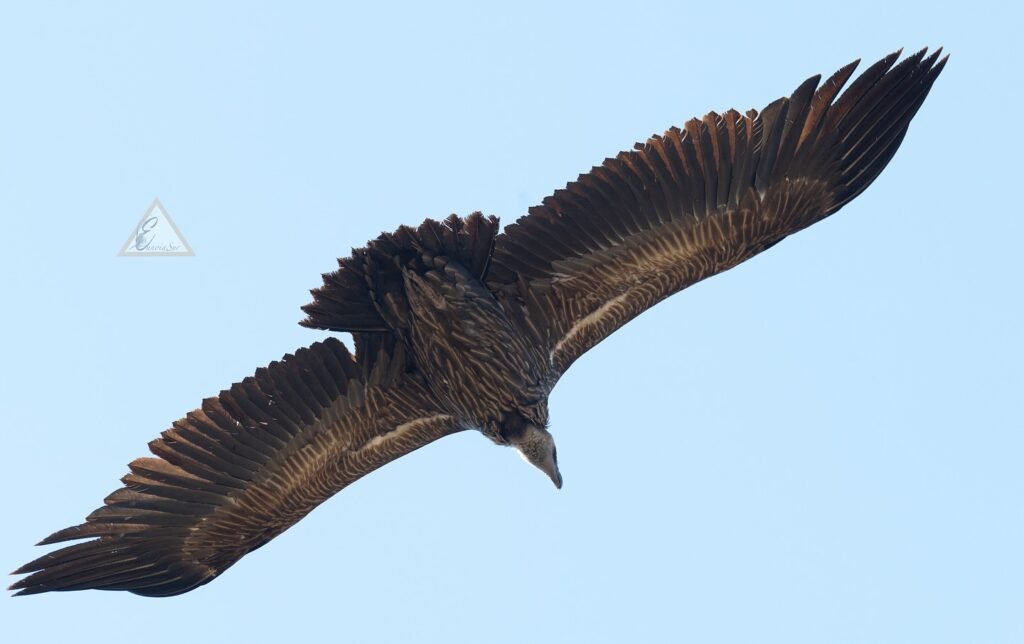
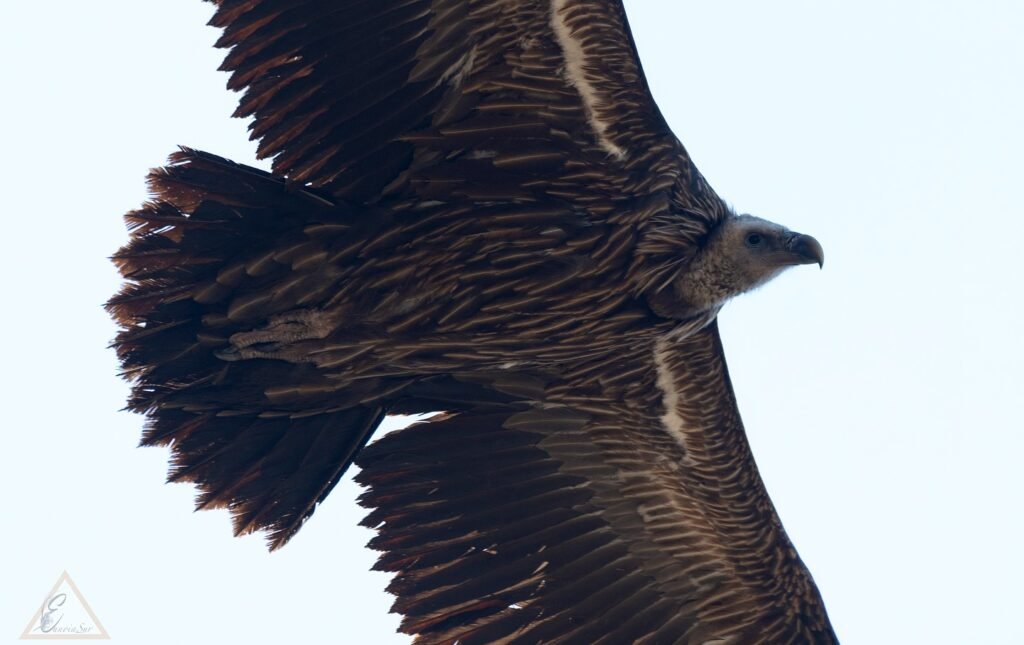
The Upland Buzzard is sometimes mistaken for the Himalayan Vulture or the Common Buzzard, but several traits help distinguish it.
Quick Identification Tips
- Size: Noticeably bulkier than most buzzards
- Leggings: Fully feathered legs down to the toes
- Color Variability: Pale birds can appear almost white, while dark morphs look nearly black
Upland Buzzard vs. Himalayan Vulture
| Feature | Upland Buzzard | Himalayan Vulture |
|---|---|---|
| Tail Shape | Fan-shaped and rounded | Short and square |
| Flight Profile | Slight “V” shape | Flat, plank-like |
| Feeding Behavior | Active hunter | Primarily scavenger |
If you see a large bird circling with subtle wing angles rather than perfectly flat wings, chances are you’ve found the hunter—not the scavenger.
Birdwatching in Tibet: Where to See Upland Buzzards
The 2026 travel season offers excellent opportunities for raptor watching across Tibet. These birds are active year-round, but visibility improves during:
- Breeding season: April–July
- Winter months: When they descend to lower elevations
Clear mornings and afternoons typically provide the best viewing conditions.
Prime Locations for Sightings
Changtang Nature Reserve (Northern Tibet)
Vast grasslands at elevations of 4,000–5,000 meters provide ideal hunting grounds. Overland drives often reveal buzzards gliding above pika-rich terrain.
Lalu Wetland near Lhasa
Scan the surrounding plains for birds perched on poles or soaring overhead—perfect for combining raptor watching with waterbird observation.
Namtso Lake Region
About a 4–5 hour drive from Lhasa, the open steppes around this sacred lake offer dramatic backdrops for spotting buzzards in flight.
Yamdrok Lake and High Passes
Mountain slopes and grassy valleys create natural habitats where sightings frequently occur during scenic drives.
Practical Birdwatching Tips
- Dress in layers—plateau weather shifts quickly.
- Bring binoculars or a spotting scope for distant silhouettes.
- Maintain a respectful distance to avoid disturbing wildlife.
- Avoid feeding birds or driving off-road in sensitive habitats.
- Travel with experienced local guides for safer navigation and call identification.
International travelers should remember that Tibet Travel Permits are required and are typically arranged through authorized tour operators. Many guided itineraries combine wildlife encounters with iconic landmarks such as the Potala Palace or journeys toward Everest Base Camp, creating a perfect blend of culture and nature.
Conservation Status and Future Outlook
The Upland Buzzard is currently classified as Least Concern, with a stable population across its expansive range. Protected reserves across the Tibetan Plateau help support its continued survival.
However, like many high-altitude species, it remains sensitive to:
- Habitat degradation
- Grassland changes
- Climate shifts
Protecting these raptors ultimately means preserving the delicate ecosystems that define Tibet’s wild landscapes.
A Keystone Predator of the High Plateau
Often compared to the ecological role of a Golden Eagle, the Upland Buzzard acts as both primary hunter and natural population controller across Asia’s elevated grasslands. Without predators like this, rodent populations could surge, threatening vegetation and accelerating land degradation.
Watching one glide effortlessly over the plateau is more than a wildlife sighting—it is a glimpse into the intricate balance that sustains one of the world’s most extraordinary environments.