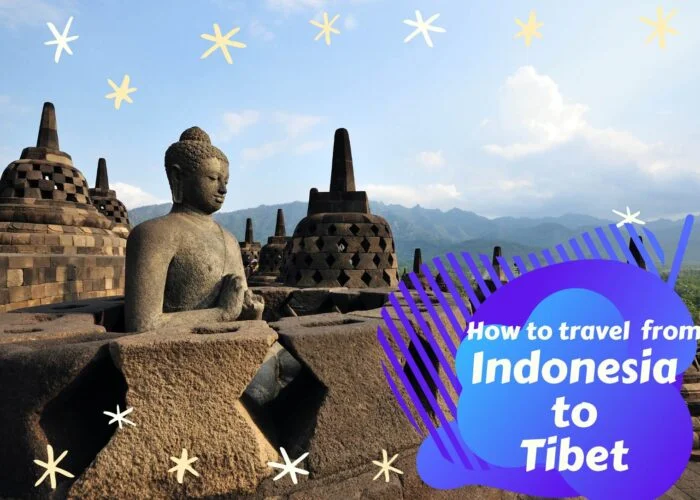
A journey from Indonesia to Tibet is truly unforgettable—but it requires careful preparation and the right guidance. Unlike typical international trips, traveling to Tibet involves a few extra steps. As a restricted region, Tibet does not allow independent travel for foreign visitors. However, with proper planning, permits, and the support of a licensed tour operator, reaching Lhasa can be a smooth and rewarding experience.
Understanding the Journey to Tibet
There are no direct international flights into Tibet. Every traveler must first enter either mainland China or Kathmandu before continuing onward. Additionally, all visitors are required to secure a Tibet Travel Permit and travel with a registered Tibetan guide throughout their journey.
This structured travel system helps preserve Tibet’s unique culture and environment while ensuring a safe and organized experience for visitors. Once the logistics are in place, the journey itself becomes part of the adventure.
Choosing Your Route: China or Nepal
Travelers from Indonesia generally have two main routes to reach Tibet, each offering a different experience.
The most popular and practical option is via mainland China. Cities like Chengdu, Beijing, Shanghai, and Guangzhou serve as major gateways. From these cities, you can either take a short domestic flight to Lhasa or embark on the scenic journey aboard the famous Qinghai-Tibet Railway.
This route is widely recommended for first-time travelers because the visa process is straightforward. You can apply for a Chinese tourist visa (L visa) in Indonesia before departure, making the entire journey more predictable and flexible.
The alternative route via Nepal offers a more adventurous experience. After arriving in Kathmandu, travelers must apply for a special Tibet group visa, which typically requires a few days of processing time. From there, you can either fly into Lhasa or travel overland across the Himalayas, often with breathtaking views of Mount Everest.
While the Nepal route is visually spectacular, it involves more administrative steps and less flexibility, making it better suited for experienced travelers or those seeking a more immersive Himalayan journey.
Flights from Indonesia: What to Expect
Traveling from Indonesia is relatively convenient thanks to strong air connections with China. From Jakarta, direct or one-stop flights to Chengdu typically take between six to ten hours. Airlines such as Air China, China Southern Airlines, and XiamenAir offer reliable services with competitive fares.
From Bali, travelers can also find direct or connecting flights to major Chinese cities, often operated by Sichuan Airlines and AirAsia. Ticket prices generally start from around IDR 4 to 8 million for a return journey, depending on the season and booking time.
Why Chengdu is the Best Gateway to Tibet
Among all the gateway cities, Chengdu stands out as the most convenient option. Located relatively close to Tibet, Chengdu offers frequent daily flights to Lhasa, with a travel time of just about two hours.
In addition to its accessibility, Chengdu is also the starting point of the legendary Qinghai-Tibet Railway, one of the highest train routes in the world. This train journey is not only scenic but also helps travelers gradually adjust to the high altitude, reducing the risk of altitude sickness upon arrival in Tibet.
For first-time visitors, Chengdu provides the perfect balance of convenience, affordability, and travel experience.
Indonesia to Tibet via Nepal: Popular for many travelers
If you choose to fly to Nepal, you can then take a flight or drive to the Tibet-Nepal border at Kodari or Kyirong and cross into Tibet. However, it is important to note that the border crossing is subject to sudden changes due to political tensions, and visas for Tibet can be difficult to obtain in Nepal. Both options have their advantages and disadvantages.
Flying to China may be more straightforward, but it can be more expensive than flying to Nepal. On the other hand, flying to Nepal may require more planning and preparation, but it can offer a chance to explore the Himalayan country before entering Tibet. It’s best to do some research and consider your preferences and travel goals before making a decision.
From Indonesia to Tibet Via Chengdu
It takes 5 hours and 40 minutes in the average flight time from Jakarta to Chengdu Shuangliu International. Some major airlines that operate flights on this route include AirAsia, China Southern Airlines, and Garuda Indonesia. there is one flight per week flying from Jakarta to Chengdu Shuangliu International.
The flight from Chengdu to Lhasa usually takes around 2-3 hours. Please note that due to the high altitude of Lhasa, it’s recommended to take some precautions before and during your flight, such as drinking plenty of water and avoiding alcohol and strenuous activities.

The trip from Chengdu to Lhasa is a short one, taking just over two hours. There are typically 14 non-stop flights to Lhasa available each day.
The train from Chengdu to Lhasa covers 3,070 km, passing through Lanzhou and Xining before arriving on the plateau. The train leaves in the evening and arrives in Lhasa on the third day in the early afternoon. Indonesian tourists may find it beneficial to choose a sleeper car, as the softer berths are more comfortable than the harder ones.
The Train from Chengdu to Lhasa departs every other day. The Z322 (21:37-09:55) lasted 36 hours and 18 minutes. It is recommended that tourists who need to take the train from Chengdu to Lhasa check with their travel consultant in advance if they need to book a train ticket.
From Indonesia to Tibet Via Beijing
Several airlines offer flights from Indonesia to Beijing, such as Garuda Indonesia, China Southern Airlines, Air China, China Eastern Airlines, Lion Air, and Indonesia AirAsia. Flight duration may vary based on the airline and departure city in Indonesia, but typically takes 5-7 hours. It is advisable to check the flight schedules, prices, and availability of each airline.

The flights from Beijing to Lhasa are available twice a day, with a flight duration of around 4 hours and 30 minutes.
The Tibet train from Beijing to Lhasa is a popular way to travel to Tibet. The train journey covers a distance of 3,757 km and takes about 41 hours. The route passes through some of the most beautiful landscapes in China, including the Gobi Desert, the grasslands of Qinghai, and the snow-capped mountains of Tibet. The train departs from Beijing West Railway Station and arrives at Lhasa Railway Station.
Trains depart from Beijing to the capital of the Tibetan plateau every day, covering a distance of approximately 3,757 km. The train journey takes about 41-42 hours to cross China, passing through six provinces. The train departs from Beijing in the evening and arrives in Lhasa in the afternoon on the third day.

The train has a variety of classes including hard sleeper, soft sleeper, and deluxe soft sleeper. The soft sleeper is the most comfortable option, with four beds in a private cabin. The train also has oxygen supply systems to help passengers cope with the high altitude and a dining car that serves traditional Tibetan and Chinese food. The train journey is also a great opportunity to meet locals and other tourists and enjoy the stunning scenery along the way. However, it is important to note that travelling to Tibet requires a special permit, and foreigners are not allowed to travel independently in Tibet. Therefore, it is recommended to book a tour with a reputable travel agency that can help arrange the necessary permits and guide you through your journey in Tibet.
From Jakartaa to Lhasa via Guangzhou
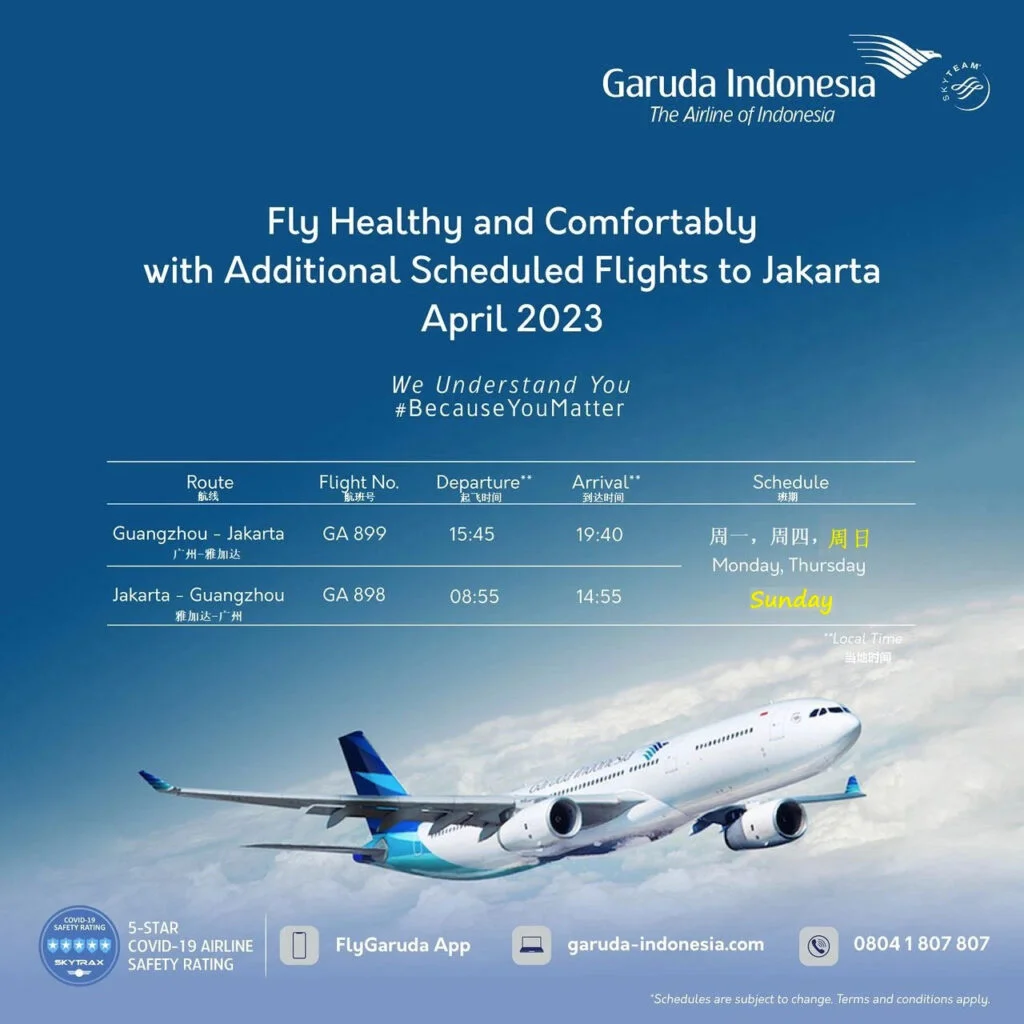
Jakarta, the bustling capital of Indonesia, is a hub for international travel. A group of travellers excitedly heads to the airport for their flight to Guangzhou, China with Garuda Indonesia. Known for its exceptional service, the airline ensures a smooth check-in process. The flight, renowned for its punctuality, offers a comfortable cabin with an attentive cabin crew. As the plane takes off, passengers enjoy stunning views of Jakarta’s cityscape. The crew is professional and helpful throughout the flight. Descending into Guangzhou, passengers are thrilled to explore the city’s rich history and cuisine. The journey with Garuda Indonesia has been remarkable, providing exemplary service and a sense of adventure.
Flying from Guangzhou to Lhasa offers a quicker option for travellers with tight schedules or those who prefer not to take a long train journey. There are direct flights available from Guangzhou to Lhasa. The flight departs at 8:10 and arrives at Lhasa Gongga Airport after a total flight time of 5 hours and 55 minutes, with a stopover in Chongqing.
There is only one flight a day from Guangzhou to Lhasa, and China Southern Airlines CZ3463 (08: 25-14: 30) departs from Baiyun International Airport T2.
For railway enthusiasts seeking the ultimate Tibetan train experience, the z264 train (return train z266), also known as the Guangdong Lhasa train, is the perfect choice. This train journey covers a distance of 4,980 kilometres, making it the longest train route in Tibet, China. The train departs at 11:45 and arrives in Lhasa at 16:19, after a bumpy ride lasting 52 hours and 34 minutes. The cost of a soft sleeper ticket is 1468 yuan, while a hard sleeper ticket is 865 yuan. Due to the long duration of the journey, it is not recommended for children and the elderly.
The train from Guangzhou to Lhasa departs every day, Z264 (11: 45-16: 19), which lasts 52 hours and 34 minutes. Since there is only one train per day, it is difficult to buy tickets during the tourist season. Check with your travel consultant in advance
Travelling from Indonesia to Tibet through Kathmandu
Some airlines that may offer this route include Garuda Indonesia, Air Asia, and Nepal Airlines. It is also important to check with the Nepalese government for any travel restrictions or COVID-19 protocols before booking your flight.
Air travel from Kathmandu to Lhasa can only be done through direct flights, which cost approximately US$ 300 per person. The duration of the flight is relatively brief, with a travel distance of 600 km taking only an hour. Two direct flights are available, namely CA408 (12:10-16:00) and 3U8720 (11:30-15:10), for this particular route.
Journeys from Kathmandu to Lhasa
Travelling by land from Kathmandu to Lhasa is a more favoured option among many tourists than flying. Our team will transfer you to Kyirong Border, which is now the China-Nepal border. After going through customs, our Tibetan guide will meet you at the Border. Due to the altitude, you will spend time in Kyirong to acclimatize to the environment before gradually making your way east to visit Tingri, EBC, and Shigatse, and ultimately arriving in Lhasa.
Kathmandu is the only country with a direct flight to Lhasa, a flight from Kathmandu to Lhasa costs about US$ 300.The flight time is relatively short, the journey of 600 km takes about an hour. There are two direct flights from Kathmandu to Lhasa, CA408 (12: 10-16:00) and 3U8720 (11:30-15: 10).
This popular tour route offers breathtaking views of the Himalayan peaks, stunning Buddhist temples, and sacred alpine lakes, as well as endless opportunities to meet local Tibetans and experience their unique culture and traditions.
Visa and Permit Requirements for Tibet Travel
Traveling from Indonesia to Tibet involves more than just booking flights. Because Tibet is a restricted region, foreign visitors must secure specific visas and permits before entering Lhasa or any other Tibetan destination.
Understanding these requirements early will save time and prevent delays in your travel planning.
Chinese Tourist Visa (L Visa)
The first step is obtaining a Chinese tourist visa, commonly known as the L visa. Indonesian passport holders are required to apply for this visa in advance, as visa-free entry does not apply for Tibet travel.
Applications are submitted through the Chinese Visa Application Service Centers in major cities such as Jakarta, Surabaya, or Medan. The process usually requires a passport with at least six months’ validity, a recent passport photo, proof of travel arrangements, and a confirmation letter from your Tibet tour agency.
Processing typically takes between four to seven working days, and the cost is approximately USD 140. It is advisable to apply at least one to three months before your intended travel date to allow enough time for approvals and further arrangements.
Tibet Travel Permit (TTP)
Once your Chinese visa is approved, the next essential document is the Tibet Travel Permit. This permit is mandatory for all foreign travelers and is issued by the Tibet Tourism Bureau.
Unlike the visa, you do not apply for this permit yourself. Your licensed Tibetan travel agency will handle the entire process on your behalf using your passport copy and Chinese visa details. The permit is typically issued one to two weeks before your trip and will either be sent to you digitally or arranged for collection at your departure point in China.
Without this permit, you will not be allowed to board any flight or train to Lhasa.
Additional Permits for Extended Travel
If your itinerary includes areas beyond Lhasa, additional permits may be required. For example, visiting remote regions such as Everest Base Camp or western Tibet requires an Alien Travel Permit. In some rare cases, a Military Permit may also be necessary.
The good news is that your travel agency will arrange all of these permits once your tour is confirmed, ensuring a hassle-free experience.
Important Travel Rules
Foreign travelers in Tibet must follow specific regulations. Independent travel is not allowed, meaning you must join an organized tour with a licensed Tibetan guide. Travel is typically conducted by private vehicle, and the use of public buses or solo exploration is restricted in most areas.
These rules are strictly enforced, so working with a reliable and experienced agency is essential.
Step-by-Step Travel Process
Planning your Tibet journey becomes much easier when broken down into clear steps. Once you decide to travel, the process generally follows a structured timeline.
First, you book your Tibet tour with a registered agency. This is a crucial step, as the agency provides the necessary documents for your visa application and handles your Tibet Travel Permit.
Next, you apply for your Chinese tourist visa in Indonesia using the documents provided. After your visa is approved, you can proceed to book your international flight to a gateway city such as Chengdu.
Your travel agency will then process your Tibet Travel Permit and send it to you before departure. Finally, you travel to Lhasa by flight or train, presenting your permit at check-in.
Overall, the entire preparation process typically takes around four to six weeks if planned properly.
Travel Options to Lhasa
Reaching Lhasa is an experience in itself, with multiple travel options depending on your preferences and schedule.
Flying is the fastest and most convenient method. Daily flights operate from cities like Chengdu, Beijing, and Shanghai to Lhasa Gonggar Airport, with flight times ranging from two to five hours.
For a more immersive journey, the Qinghai-Tibet Railway offers one of the most scenic train experiences in the world. The journey from Xining takes around 21 hours, while longer routes from Beijing or Chengdu provide extended views of the Tibetan Plateau. Soft-sleeper cabins with oxygen supply make the trip comfortable, and the gradual ascent helps travelers acclimatize to high altitude.
Alternatively, travelers can enter Tibet via Kathmandu. From there, a short flight of about 1.5 hours takes you to Lhasa, or you can choose a scenic overland journey lasting two to three days. This option requires a Tibet group visa and is best suited for those seeking a more adventurous route.
Best Time to Travel to Tibet
Choosing the right time to visit Tibet can greatly enhance your overall experience. Each season offers a unique perspective of the plateau.
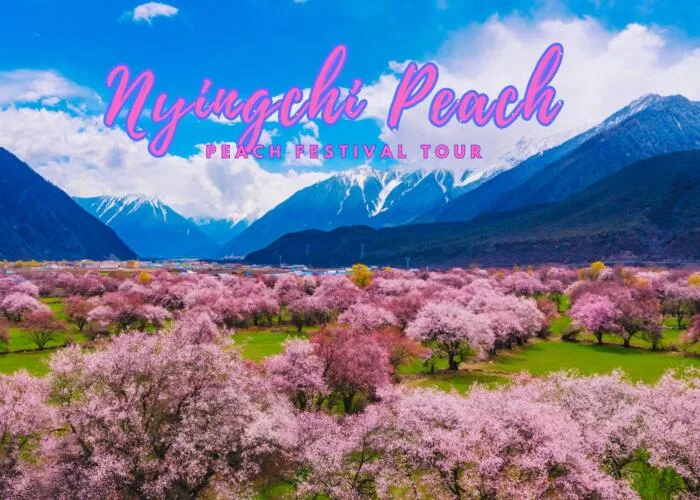
Spring, from April to June, brings mild temperatures, blooming landscapes, and fewer crowds, making it ideal for photography and sightseeing.
Summer, from July to August, is the warmest period, though occasional rain showers are common. This season is also vibrant with cultural events such as the Shoton Festival, known for its giant thangka displays and traditional opera performances.
Autumn, from September to October, is widely considered the best season. Clear skies, crisp air, and golden scenery create perfect conditions for travel, especially for views of Mount Everest.
Winter, from November to March, is cold but peaceful. With fewer tourists and lower prices, it offers a more intimate experience of Tibetan culture, though high mountain passes may be challenging due to snow.
For most travelers, May and October provide the ideal balance of comfortable temperatures and clear skies, with daytime temperatures in Lhasa ranging between 15°C and 22°C.