

The traditional game you inquired about, “Ajue” (pronounced Ah-joo), is a highly popular children’s game in Tibet. It involves using the ankle bones of sheep, commonly known as “knucklebones,” and is considered a “treasure” of Tibetan childhood.
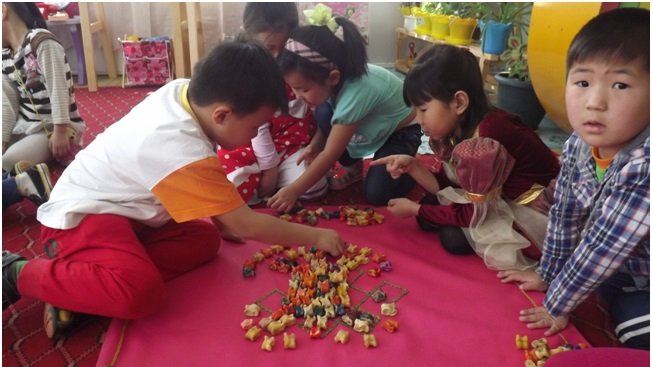
Name, Tools, and Cultural Context of Ajue
The Ajue game is deeply rooted in Tibetan nomadic culture, as evidenced by its primary tool—a bone from a domestic animal.
The Essential Tools
- Tibetan Name: “Ajue” The formal name in Tibetan dictionaries is “Ajue.”
- Props: The tarsal ankle bone of a sheep (specifically the bone near the knee joint of the hind leg). These are cherished toys for Tibetan children.
- Distinct Features: The bone has four or six distinct sides, with each side representing a different animal, which plays a crucial role in the game’s ranking system.
Detailed Rules and Gameplay of Ajue
The Ajue game has several variations, but the core gameplay, often called “Hitting the Knucklebones”, involves skill, precision, and strategy.
The Basic Gameplay: Hitting the Knucklebones
- Players and Setup: Typically involves 2 to 4 players. Each player contributes an equal number of knucklebones to the playing area.
- The Field: A semi-circle is drawn on the ground, roughly the length of a child’s two feet side-by-side. The shared knucklebones are placed inside this circle.
- The Play: Players take turns using one of their own knucklebones to strike the bones inside the circle.
- Scoring Rules: To score, the player must hit an inner bone, and the resulting orientation of the struck bone and the striker bone must form a specific, opposing pair (e.g., “Horse” facing “Donkey”). Furthermore, the struck bone must be of a lower rank than the striker bone. If these conditions are met, the player collects the struck knucklebones.
The Animal Ranking System
The four main faces of the knucklebones have a strict hierarchy, reflecting the value of livestock in nomadic life:
- “Horse” : The highest rank (top surface).
- “Donkey” : The second rank (bottom surface).
- “Sheep”: The ** third rank** (left side).
- “Goat”: The lowest rank (right side).
In some regions, knucklebones may have two additional faces: “Great Golden-Winged Garuda” and “Dog Tail”.
Special Rules for Extra Turns
Certain throws or rolls grant the player an advantage:
- If the knucklebones land standing up, displaying the “Horse” face, the player gets an extra throwing opportunity.
- If the bone lands showing the “Donkey” face, the player is allowed to strike again from the original position.
- A variation requires players to use a single finger to flick the knucklebones, making the game a test of extreme accuracy.
Cultural Significance and Heritage of Ajue
Long before modern toys like “Ultraman” entered Tibet, Ajue served as the primary source of entertainment. It is more than just a game; it is a repository of Tibetan culture.
- Nomadic Identity: The use of sheep bones clearly reflects the region’s nomadic lifestyle. The ranking system based on livestock also underscores the high value Tibetans place on their animals.
- Social Bonds: Playing Ajue brings children together, fostering friendships and nurturing a spirit of both competition and cooperation.
- Skill Development: The game requires keen hand-eye coordination and precise calculation, making it a form of “intellectual gymnastics” crucial for the development of Tibetan children.
A Glimpse at Other Tibetan Traditional Games
Beyond Ajue, Tibet boasts a rich collection of unique traditional games and competitive activities:
- 1. Tibetan Chess (Mi Mang): Similar to Go, played on a $17 \times 17$ board with 16 black and 16 white pieces for each side. It was historically popular among the Tibetan aristocracy and is now a protected cultural heritage.
- 2. Tibetan Dice (Sho): A favorite intellectual game among adult men, listed as a regional-level intangible cultural heritage in 2009. Players chant special “dice verses” while throwing, which are considered the “soul” of the game.
- 3. Gongbu Whistling Arrow (Bì Shiù): A traditional sport from the Nyingchi region where the arrow emits a sharp whistling sound as it flies. In 2024, the largest-ever Gongbu Whistling Arrow Championship set a Guinness World Record.
- 4. Fighting Kites (Japhir / Shokja): A distinct kite activity in Lhasa where the competition is not based on height but on “fighting power.” Players skillfully maneuver their kite lines to cut those of their opponents, with the defeated kite falling to the ground.
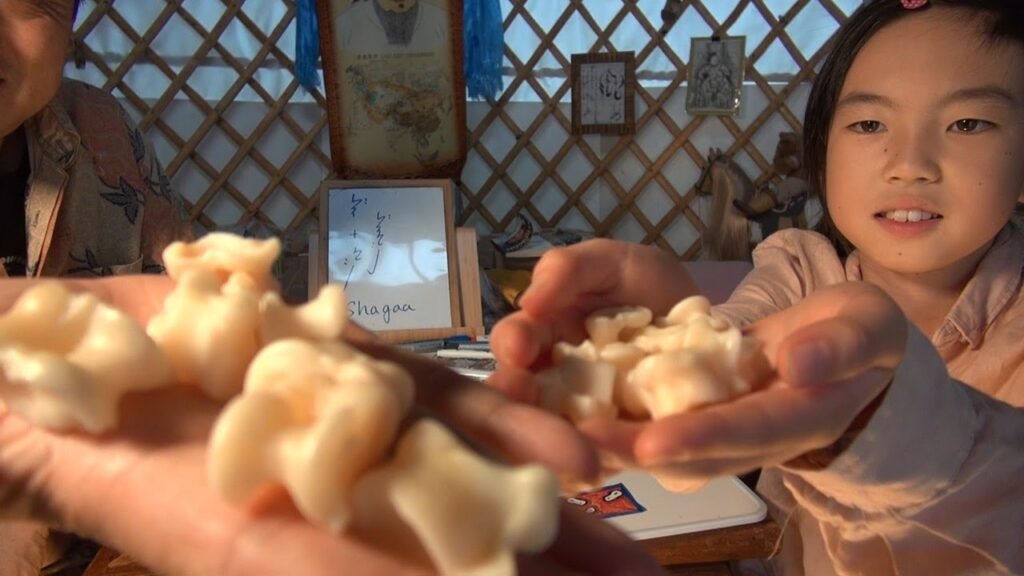
Educational Function: A Classroom of Integrated Growth
The seemingly simple game of Ajue is, in fact, an intricate educational tool that fosters cognitive, physical, and moral development.
1. Cognitive Development
- Strategic Thinking: The game requires players to calculate angles, force, and anticipate results, cultivating logical reasoning and decision-making skills.
- Mathematical Foundations: Counting scores and calculating victory and loss subtly trains basic mathematical abilities.
- Memory Training: Remembering complex rules and the relationship between the animal rankings enhances memory capacity.
2. Physical Development
- Hand-Eye Coordination: Precise throwing and catching of the knucklebones refines fine motor skills and reaction time.
- Focus and Concentration: Hitting the target with precision requires high levels of concentration, thus improving attention span.
- Winter Fitness: Frequent play during the cold plateau winter strengthens physical constitution and cold tolerance.
3. Moral Character Shaping
- Rule Awareness: Strict game rules foster a spirit of orderly conduct and fair competition.
- Resilience: Learning to cope with failure without discouragement cultivates the traditional Tibetan virtue of indomitable perseverance.
- Responsibility: The emphasis on treasuring one’s knucklebones and the commitment to group play reinforces a sense of personal responsibility.
Social Cohesion: The Glue of Community Integration
Ajue acts as a vital social mechanism, strengthening intergenerational ties and fostering community harmony.
- Intergenerational Link: Elders pass on the skills of the game to the younger generation, forming a “living chain of inheritance” that sustains intergenerational bonds.
- Gendered Culture: Traditionally, “girls are keen on playing stone-throwing games, while boys prefer games using animal joints,” reflecting a harmonious coexistence of social roles and gender culture within Tibetan society.
- Community Building: During the idle farming season in winter, children gather to play, forming small social networks that promote village harmony. Ajue is thus an integral component of community cultural life.
Vehicle for Art and Belief: A Nexus of Diverse Culture
The significance of the knucklebones transcends the game itself, manifesting in folk art, literature, and spiritual practice.
- Folk Literature: Ajue songs vary across regions, such as the Lhasa area’s “Ajue is so formidable, no one can compete with me, I might as well go back,” and the Gyantse region’s “A string of Ajue, a hundred Ajue, hurry up and take them!” These songs are a valuable part of Tibetan folk literature.
- Decorative Art: Children often paint their favorite knucklebones with bright colors, creating personalized artwork that embodies Tibetan aesthetic traditions.
- Spiritual Symbols: High-quality knucklebones are sometimes strung into beads and hung above doorways as an amulet to ward off evil and protect the home, expressing reverence for nature and prayers for a good life.
Cultural Identity: An Intrinsic Marker of Ethnic Belonging
Participation in the Ajue game is a fundamental part of the socialization process for Tibetan children, instilling a strong sense of self and heritage.
- Identity Formation: Through playing the game, Tibetan children naturally internalize their ethnic culture, forming a profound sense of cultural identity.
- Regional Diversity: Variations in the rules and songs of Ajue across regions (such as Lhasa, Shigatse, and Nyingchi) illustrate the rich diversity within local Tibetan cultures.
Contemporary Value: Modern Transformation of a Tradition
In the modern era, Ajue is recognized not just as a relic, but as a dynamic cultural asset.
- Intangible Cultural Heritage (ICH) Protection: As a crucial part of Tibetan traditional culture, Ajue has been brought under the umbrella of cultural preservation, featuring prominently in various cultural events.
- Educational Innovation: Research indicates that integrating the “Ajue game into kindergarten curricula has the multiple benefits of improving children’s comprehensive quality, enhancing teachers’ professional skills, and fostering healthy parent-child relationships,” opening new avenues for traditional culture inheritance.
- Cultural Tourism: In Tibetan tourism, the demonstration of Ajue provides a window for visitors to experience local culture, offering deeper insight into the plateau lifestyle and folk wisdom.