
Spending a night at Everest Base Camp sounds like the ultimate adventure — and in many ways, it genuinely is. The idea of waking up just eight kilometers from Everest’s north face, watching the first light of sunrise touch the world’s highest peak, and falling asleep under a sky full of stars is the kind of experience that stays with you for life. But it comes with real trade-offs. The extreme altitude, basic facilities, and harsh climate mean this experience is not right for everyone. Understanding both sides helps you decide what works best for you.
The Altitude Ascent: From Kathmandu to Everest Base Camp
The journey from Kathmandu to Everest Base Camp is as dramatic as it is beautiful. Kathmandu sits at just 1,400 meters above sea level. As you travel through Gyirong Port at 1,850 meters, the landscape shifts and the air begins to thin. By the time you reach Everest Base Camp at 5,200 meters, you have climbed more than 3,800 meters in a relatively short time.
This rapid gain in elevation is the core challenge. The human body needs time to adjust to reduced oxygen levels, and a fast ascent leaves little room for that adaptation. The result is a significant risk of Acute Mountain Sickness (AMS) — a condition that can range from headaches and nausea to far more serious complications if left unaddressed. Proper acclimatization, with at least two to three days in Lhasa and Shigatse before heading to EBC, is not optional — it is essential.
Navigating Climate Extremes: From Gyirong to Base Camp
The climate shift along this route is just as striking as the altitude change. Gyirong has a subtropical, mountainous climate with relatively mild temperatures. Everest Base Camp, by contrast, is cold, windswept, and unforgiving — even in the warmer months.
At 5,200 meters, nighttime temperatures regularly drop well below freezing. Winds can be fierce. The combination of extreme cold and low oxygen creates a physically demanding environment, especially for travelers arriving from lower altitudes. Even in summer, conditions at EBC feel closer to a harsh winter than a warm evening.
Why an Overnight Stay at Everest Base Camp Is Worth It
For travelers who are well-prepared, the overnight experience at EBC on the Tibet side offers something genuinely irreplaceable.
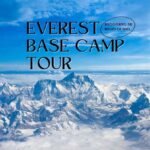
Unbeatable views and photography opportunities are the most obvious draw. You are just eight kilometers from Everest’s north face, with completely unobstructed sightlines to the peak. Golden hour — both sunrise and sunset — paints the mountain in shades of orange and gold that photographs struggle to capture fully. At night, the Milky Way stretches directly overhead in a way that is simply not visible from lower altitudes or busier locations. None of this is available if you stay in Tingri or another lower-altitude town.
The cultural experience is equally rare. Accommodation at EBC consists of traditional Tibetan tent guesthouses, many run by local families using yak-hair or modern insulated tents. Meals are authentic — tsampa porridge, butter tea, yak hotpot — and the chance to spend time with local Tibetan hosts at the foot of the world’s highest mountain adds a human dimension that a quick day trip simply cannot replicate. Nearby, the Rongbuk Monastery, one of the highest monasteries in the world, adds a spiritual layer to the experience.
Logistically, the Tibet side is far more accessible than Nepal. No multi-day trek is required. Travelers arrive by vehicle and eco-bus, making EBC reachable for people who want the experience without the physical demands of a lengthy approach on foot.
What Accommodation Actually Looks Like at Everest Base Camp
Setting realistic expectations matters. Accommodation at EBC is basic — genuinely basic. In June 2025, a major upgrade worth 14 million RMB was completed. The camp evolved from basic dormitory tents into a modernized site featuring multiple room types, heating, oxygen supply, and shared bathroom facilities.
Medical facilities are not readily available in this area. If altitude sickness sets in overnight, access to proper care is limited. Oxygen rental should be taken seriously as a backup, not a luxury.
Who Should Stay Overnight — and Who Should Not
Not everyone is equally suited to an overnight at EBC, and being honest with yourself before you go makes the difference between a memorable experience and a miserable one.
An overnight stay is ideal if you are in good physical health, have prior experience at high altitudes, have acclimatized properly in Lhasa and Shigatse, and genuinely value immersion in a wild, remote environment over comfort and reliable sleep. Photographers chasing golden-hour and night-sky shots will find the overnight particularly rewarding.
It is not recommended if you have heart or lung conditions, severe hypertension, or have already struggled with altitude symptoms earlier in the trip. It is also a poor fit for travelers who need proper rest, cannot handle shared and cold sleeping conditions, or are traveling with young children or elderly companions whose health may be more vulnerable at extreme altitude.
Why Tashi Dzong Remains a Smart Alternative
For travelers who want the Everest experience without the full physical toll, Tashi Zong is a well-regarded alternative. Located at approximately 4,300 meters, it offers more comfortable lodging, better access to medical support, and noticeably improved sleep quality thanks to the lower altitude.
From Tashi Zong, you can drive up to EBC early in the morning and still witness sunrise over Everest, visit Rongbuk Monastery, and spend meaningful time at the base camp — then return to a warmer, safer environment to rest. You give up the overnight immersion, but you keep the highlights.
Practical Tips for a Safe and Enjoyable Stay
Whether you stay overnight at EBC or visit on a day trip from Tingri, preparation is what separates a great experience from a difficult one.
- Acclimatize properly. Spend at least two to three days in Lhasa (3,650 meters) and stop in Shigatse before heading higher. There are no shortcuts here.
- Book ahead. Peak seasons — May to June and September to October — fill quickly. Accommodation at EBC is limited, so plan well in advance.
- Pack for serious cold. A down jacket rated to at least -10°C, thermal base layers, hat, gloves, and warm socks are essential. Bring a personal sleeping bag for hygiene and extra warmth, a portable charger (power is limited), high-calorie snacks, a refillable water bottle, and wet wipes.
- Choose the right season. April to June and September to October offer the clearest skies and most accessible road conditions. Winter is possible but extremely cold. Avoid peak summer if heavy rainfall is a concern on your route.
- Prioritize your health. Avoid alcohol and heavy meals before arriving at altitude. Drink plenty of water and move slowly. Use supplemental oxygen if it is available — many tent camps and the hotel offer rental. If severe symptoms develop, descend immediately without delay.
- Work with a licensed operator. All foreign visitors to Tibet require a Tibet Travel Permit and an Alien’s Travel Permit, which can only be arranged through an authorized agency. A reputable operator will handle logistics, permits, oxygen supplies, and emergency protocols.
Balancing Adventure with Safety on Your Everest Journey
The overnight experience at Tibet’s Everest Base Camp is not about comfort. It is about being at the foot of the world’s highest mountain as the stars appear, and waking to Everest glowing gold in the morning light. For travelers who are physically prepared, properly acclimatized, and open to rustic conditions, the memories formed here genuinely outweigh the discomforts.
For those who need better rest, have health considerations, or are still finding their footing at altitude, Tingri offers a practical and still spectacular way to experience Everest without the added risk. Either way, you are standing at the edge of something extraordinary.