
Jampaling Monastery: A Sacred Gelugpa Landmark in Chamdo
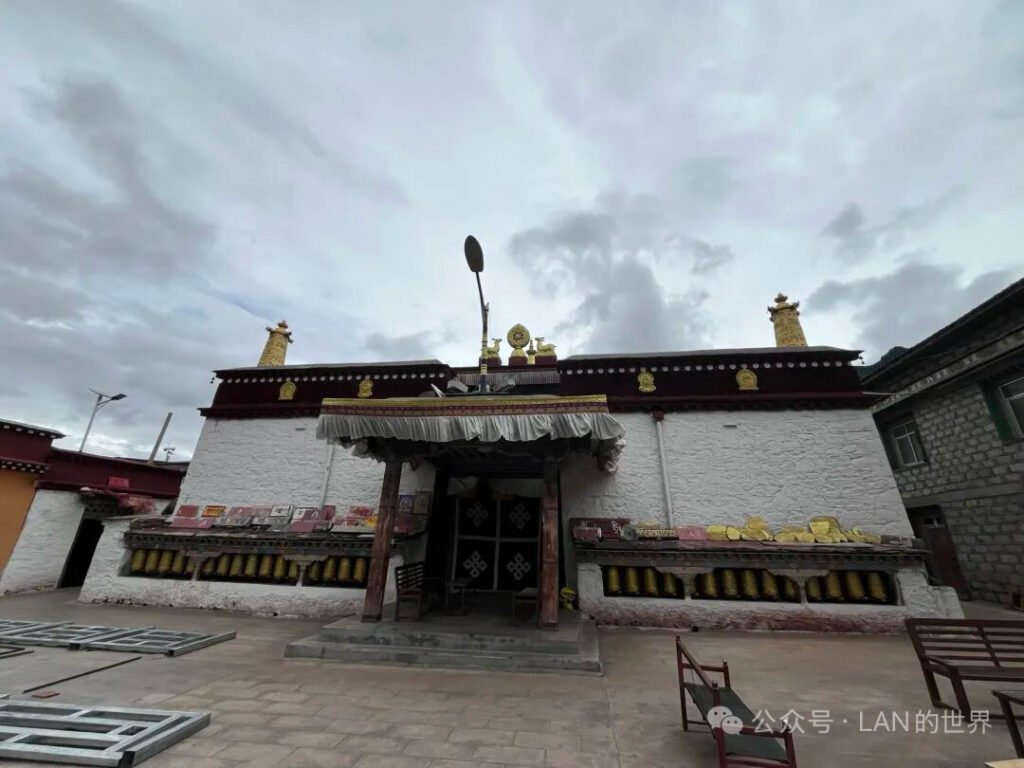
Perched on a hilltop near Tamala Pass, Jampaling Monastery rises gracefully among intersecting mountain ranges in Chamdo, eastern Tibet. Built on layered red earth shaped by ancient glaciers between the Tsarchu River and Ngom Chu River, the monastery commands a striking presence. Its elevated position offers sweeping views of Chamdo Town and the confluence of major rivers, making it both a spiritual and geographic landmark.
Founded during the 14th Century, Jampaling Monastery is one of the most important Gelugpa (Yellow Hat Sect) monasteries in the Kham region. According to Gelug tradition, it was designed to accommodate up to 2,500 monks, reflecting its central role in religious education and regional influence.
Origins and Historical Background of Jampaling Monastery
The history of Jampaling Monastery is closely tied to Tsongkhapa, the founder of the Gelug school of Tibetan Buddhism. In 1373, while passing through Chamdo, Tsongkhapa predicted that Buddhism would flourish in this region and that a great monastery would one day be built.
This prophecy was fulfilled in 1437, when Sherab Sangpo, a devoted disciple of Tsongkhapa, established the monastery on a rocky hill between the Ngom Chu and Tsarchu Rivers. The site was deliberately chosen, and the monastery was designed to resemble a flying eagle about to land, symbolizing spiritual power and vigilance.
The monastery takes its name from its most sacred relic: a revered Jampa (Maitreya) statue, representing the future Buddha.
Religious Importance and Monastic Structure
Jampaling Monastery is the largest Gelug monastery in the Chamdo region. It functions as a major religious center with five monastic colleges:
- Lingtod
- Lingme
- Nupling
- Kuchuk
- Chagra-khapa
Beyond its main complex, the monastery oversees around 130 subordinate monasteries spread across the Kham region, including areas such as Chamdo, Drayak, Pagshod, Shopado, Sang-nag Choling, and Powo. This vast network highlights its influence in Tibetan religious administration and education.
Phagphala Rinpoche and Imperial Connections
Jampaling Monastery has historically maintained a close relationship with Chinese imperial courts. During the Qing Dynasty, the monastery received significant recognition and support, particularly under Emperor Kangxi.
The large Buddha statue within the monastery was granted official titles during Kangxi’s reign. The monastery still preserves a brass seal bestowed upon Phagphala Rinpoche, symbolizing imperial endorsement and authority.
When Jampaling Monastery supported Qing forces during conflicts with the Dzungar tribe, Emperor Kangxi rewarded the sixth Phagphala with the title “Nuomenhan” and presented him with a bronze seal. He was later recognized as one of the six Hothkthu, following Kangxi’s praise of Panchen Erdini. The emperor also personally inscribed the monastery’s formal name: “Ganden Jampaling Monastery.”
During this period, the monastery expanded rapidly, adding thousands of Buddha statues, numerous sutra halls, and over 135 branch temples throughout Chamdo.
Cultural Heritage and Religious Artifacts
As a key religious institution in a major trade hub between Sichuan and Tibet, Jampaling Monastery played both spiritual and economic roles. The monastery participated in regional trade, distributing income to monks in the form of daily necessities such as butter, barley flour, and brick tea. Any surplus was shared at the end of the year.
Inside the monastery, visitors can find well-preserved statues, frescoes, and Thangka paintings, reflecting centuries of Tibetan Buddhist artistry. Historically, Jampaling Monastery was considered one of the three major temples in “old Tibet”, occupying extensive land and maintaining a large monastic population. Despite its size, strict rules prevented abbots and high lamas from living luxuriously.
Daily Life and Monastic Administration
Situated high above Chamdo Town, the monastery once relied on an impressive daily effort to sustain its population. Every day, twenty large bronze pots, each holding over one hundred barrels of water, were carried uphill by local residents to supply drinking water for nearly 2,500 monks.
The monastery is managed by a committee of 11 members, including one supervisor and three assistant supervisors. They oversee construction, security, education, and financial affairs.
Monastic life follows a strict schedule:
- 7:00 a.m. – Morning study of Buddhist scriptures
- Afternoon – Group seminars and debates
- 6:00 p.m. – Review of daily activities
Failure to follow monastic rules could result in expulsion, underscoring the discipline expected of all monks.
Sacred Dances and Festival Traditions
Jampaling Monastery is also renowned for its vibrant religious festivals. One of the most significant events is the Guqing religious dance, performed annually during the Tibetan New Year, about one month after New Year’s Day.
During this ceremony, monks wear elaborate costumes and perform ritual dances that carry deep spiritual meaning. The Guqing dance is highly respected across the Tibetan Plateau and is considered one of the most impressive cultural performances in eastern Tibet, attracting pilgrims and visitors alike.