
Ngari Gunsa Airport: Your Gateway to Mount Kailash and Western Tibet
Ngari Gunsa Airport (IATA: NGQ, ICAO: ZUAL) is the main aviation gateway to Western Tibet, one of the most remote and spiritually significant regions on Earth. Located near Shiquanhe Town in Ngari Prefecture, the airport provides the fastest and safest access to iconic destinations such as Mount Kailash, Lake Manasarovar, the Guge Kingdom ruins, and the vast landscapes of the western Tibetan Plateau.
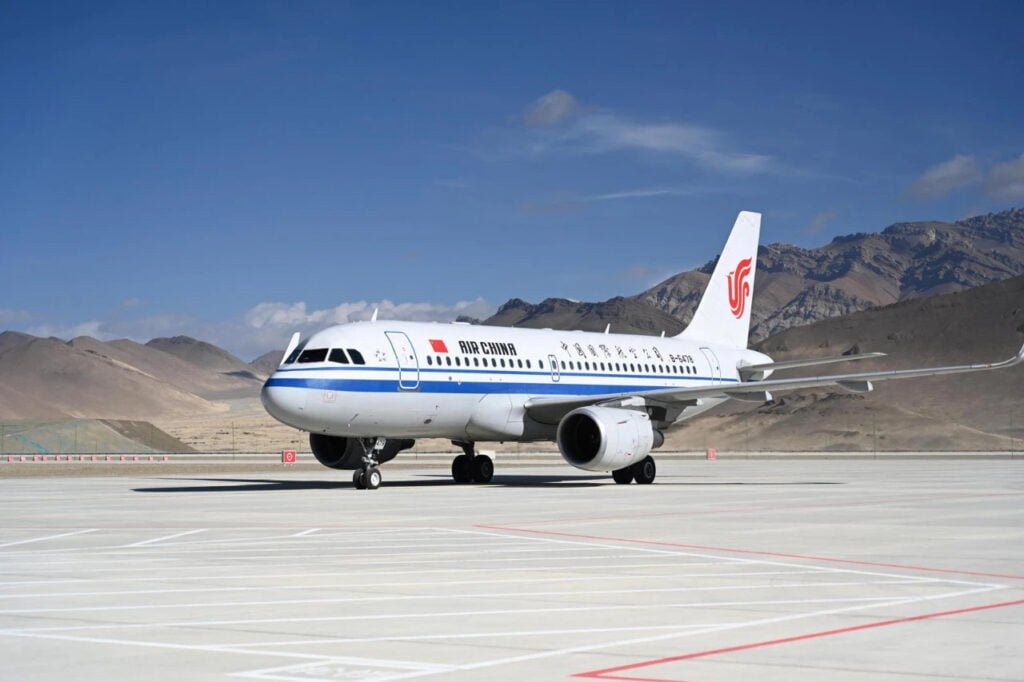
At an elevation of 4,274 meters (14,022 feet), Ngari Gunsa Airport is among the highest airports in the world, making it a remarkable destination not only for travelers, but also for aviation enthusiasts.
Why Ngari Gunsa Airport Matters for International Travelers
Before the airport opened, reaching Ngari required days of rough overland travel from Lhasa or Xinjiang. Today, Ngari Gunsa Airport has transformed travel to Western Tibet by:
- Reducing travel time from several days to a few hours
- Making Mount Kailash pilgrimages more accessible
- Supporting safer travel in extreme plateau conditions
- Serving as the main entry point for foreign visitors to Ngari
For travelers planning a Tibet pilgrimage, spiritual journey, or high-altitude adventure, this airport is the most important starting point.
Location and Access
Ngari Gunsa Airport is located about 45–50 km southwest of Shiquanhe Town, the administrative and service center of Ngari Prefecture.
Key Distances from the Airport
| Destination | Distance | Approx. Driving Time |
|---|---|---|
| Shiquanhe Town | ~50 km | 1 hour |
| Mount Kailash (Darchen) | ~300 km | 4–5 hours |
| Lake Manasarovar | ~210 km | 3–4 hours |
| Zanda County | ~180 km | 3 hours |
| Guge Kingdom Ruins | ~200 km | 3–4 hours |
Most travelers continue their journey by private vehicle, arranged through licensed Tibetan travel agencies.
A Brief History of Ngari Gunsa Airport
Plans for an airport in Ngari date back several decades, but construction only became feasible in the modern era due to advances in high-altitude aviation.
Development Timeline
- 2006 – Formal planning and site selection
- May 2007 – Construction begins
- End of 2008 – Runway and terminal completed
- May 2010 – Successful test flight (Airbus A319)
- July 1, 2010 – Airport officially opens to commercial flights
Since then, Ngari Gunsa Airport has steadily expanded routes and improved safety and navigation systems.
Airport Elevation and High-Altitude Conditions
Ngari Gunsa Airport sits at 4,274 meters, where oxygen levels are roughly 50–60% of those at sea level. This affects both aircraft performance and human physiology.
What This Means for Travelers
- You may feel shortness of breath or mild altitude symptoms
- Walking slowly and staying hydrated is essential
- The airport provides oxygen-supplied waiting areas
- Medical support is available for altitude discomfort
For most travelers, Ngari is not recommended as the first stop in Tibet. Acclimatization in Lhasa or Shigatse is strongly advised.
Airport Facilities and Passenger Services
Ngari Gunsa Airport is compact but designed specifically for high-altitude comfort and efficiency.
Terminal Highlights
- Oxygen-supplied lounges and waiting areas
- Dedicated oxygen room for altitude discomfort
- Clear signage in standard aviation format
- Efficient security and boarding procedures
Smart Services for Travelers
- Temporary travel document self-service machines
- Digital flight information displays
- Scheduled airport shuttle buses to Shiquanhe Town
These services are particularly helpful for pilgrims, elderly travelers, and first-time visitors to high-altitude regions.
Runway and Aircraft Capabilities
The airport features an exceptionally long runway, built to compensate for thin air conditions.
Technical Overview
| Feature | Details |
|---|---|
| Runway Length | 4,500 meters |
| Runway Width | 45 m (60 m including shoulders) |
| Aircraft Type | Airbus A319 (high-altitude adapted) |
| Airport Classification | 4D |
| Operations | Civil & military |
The runway can safely handle high-altitude commercial aircraft as well as large transport planes.
Advanced Navigation and Flight Safety
Ngari Gunsa Airport uses RNP AR precision navigation, a satellite-based system designed for mountainous terrain.
Why This Matters
- Safer landings in narrow valleys
- Fewer weather-related delays
- More stable schedules during peak season
- Higher safety margins in complex terrain
Because of this technology, flights to Ngari are considered among the most technically advanced high-altitude routes in Asia.
Flights and Connectivity
Ngari Gunsa Airport connects Western Tibet with major cities in Tibet, western China, and central China.
Main Airlines
- Tibet Airlines
- China Eastern Airlines
- Lucky Air
Popular Routes and Flight Times
| Route | Approx. Flight Time |
|---|---|
| Lhasa → Ngari | ~1.5 hours |
| Chengdu → Ngari | ~4–4.5 hours |
| Xi’an → Lhasa → Ngari | ~5 hours |
| Kashgar → Ngari | ~2 hours |
| Xining → Kashgar → Ngari | Multi-leg |
Flights usually operate in the morning, when winds are calmer.
Seasonal Travel Patterns
Ngari Gunsa Airport experiences strong seasonal variation.
Peak Season (May–September)
- Mount Kailash pilgrimage season
- Increased flight frequency
- Higher demand for oxygen and medical support
Off-Season (October–April)
- Fewer flights
- Stable but cold weather
- Ideal for travelers seeking solitude
Winter travel is possible but requires careful planning.
Role in Mount Kailash Pilgrimage
For international pilgrims, Ngari Gunsa Airport is the most efficient entry point to Mount Kailash.
Pilgrimage Support
- Increased flight capacity during pilgrimage months
- Oxygen support for pilgrims
- Medical emergency response
- Coordination with licensed tour operators
Most pilgrimage routes follow:
Lhasa → Ngari → Darchen → Mount Kailash Kora
Ground Transportation from the Airport
There is no public taxi system for independent travel in Tibet. All transport must be pre-arranged.
Common Options
- Private vehicle via travel agency
- Airport shuttle to Shiquanhe Town
- Pilgrimage group transfers
Self-driving is not permitted for foreign travelers in Tibet.
Exploring Ngari from Gunsa Airport
Ngari Gunsa Airport serves as the starting point for many classic travel routes.
Popular Overland Routes
| Route | Highlights |
|---|---|
| Ngari → Mount Kailash & Lake Manasarovar | Sacred pilgrimage |
| Ngari → Zanda → Guge Kingdom | Ancient ruins |
| Ngari → Rutog | Nomadic landscapes |
| Ngari → Gaize → Coqen | Vast plateau scenery |
These routes showcase Ngari’s dramatic landscapes, spiritual heritage, and nomadic culture.
Economic and Social Impact
Ngari Gunsa Airport has reshaped life in Western Tibet by:
- Cutting travel time from 40+ hours by road to under 2 hours by air
- Boosting tourism and pilgrimage travel
- Supporting medical evacuations and emergency response
- Enabling transport of local products such as wool and handicrafts
For local communities, the airport is a lifeline as much as a travel hub.
Comparison with Other Major Tibet Airports
| Airport | Elevation | Main Role |
|---|---|---|
| Lhasa Gonggar | 3,600 m | International gateway |
| Qamdo Bamda | 4,334 m | Eastern Tibet access |
| Nyingchi Mainling | 2,949 m | Scenic, low-altitude |
| Ngari Gunsa | 4,274 m | Western Tibet & Kailash |
| Ngari Purang | 3,700 m | Seasonal tourism |
Ngari Gunsa Airport stands out as the primary aviation gateway to Mount Kailash and Western Tibet.
Practical Tips for International Travelers
- Acclimatize first in Lhasa before flying to Ngari
- Drink water regularly and avoid alcohol
- Walk slowly inside the terminal
- Book flights and ground transport early during pilgrimage season
- Travel only with licensed Tibet tour operators