
Norbulingka Treasure Park: The Summer Palace of the Dalai Lamas in Lhasa
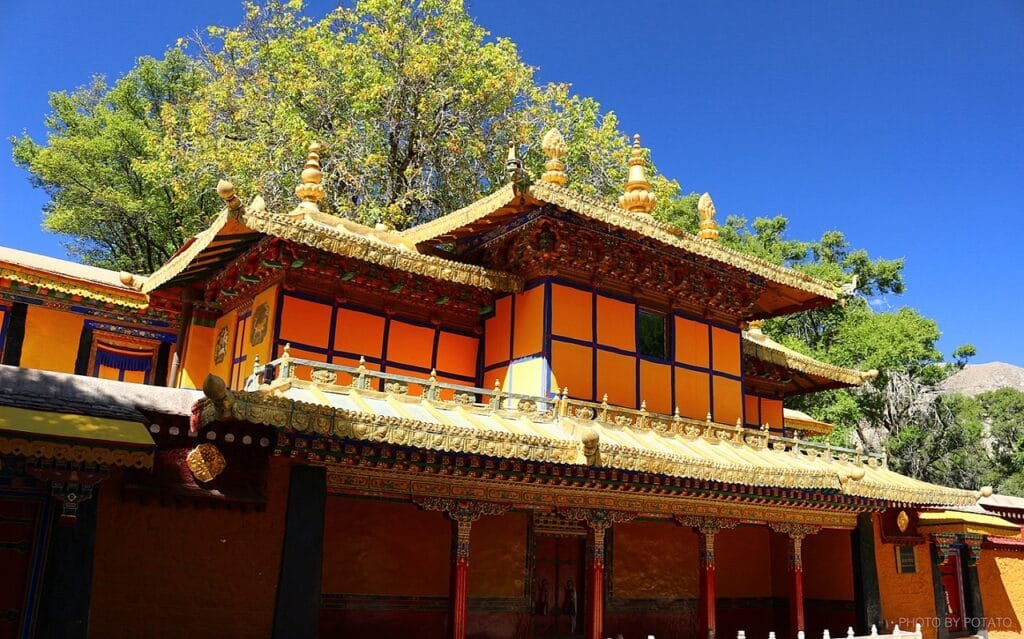
Nestled in the western suburbs of Lhasa, Norbulingka – meaning “Treasure Park” or “Jewel Garden” in Tibetan — is one of Tibet’s most serene and historically significant attractions. Once the official summer residence of successive Dalai Lamas from the 7th to the 14th, this sprawling palace complex blends elegant architecture, lush gardens, tranquil ponds, and centuries of Tibetan cultural heritage.
As part of the Historic Ensemble of the Potala Palace, Norbulingka was inscribed as a UNESCO World Heritage Site in 2001, making it an essential stop on any Tibet itinerary.
Where Is Norbulingka Located?
Norbulingka sits approximately 2 to 3 kilometers west of the Potala Palace in Lhasa. While the Potala impresses with its towering scale and fortress-like grandeur, Norbulingka offers a gentler, more garden-like atmosphere. It is the place where Dalai Lamas retreated during warmer months to conduct affairs of state, study, hold religious activities, and simply relax amid nature.
The contrast between the two palaces is striking – one is a monument to political and religious power, while the other feels like a peaceful royal retreat.
A Brief History of Norbulingka
Construction of Norbulingka began in 1755 during the reign of the 7th Dalai Lama, Kalsang Gyatso. According to tradition, a healing spring on the site drew the Dalai Lama, who bathed there to recover from illness. With permission from the Qing Dynasty, a simple pavilion was built – marking the humble beginning of what would become Tibet’s most famous royal garden.
Over the following centuries, successive Dalai Lamas expanded the complex. The 8th Dalai Lama added more gardens and parks, while the 13th and 14th Dalai Lamas further developed palaces and living quarters. Each added their own chapter to the story of this remarkable place.
Every summer, the Dalai Lama would move from the Potala Palace to Norbulingka and remain until the end of October. This seasonal rhythm gave rise to the popular titles: Norbulingka as “the Summer Palace” and the Potala as “the Winter Palace.”
Layout and Scale of the Complex
Norbulingka covers an area of approximately 360,000 square meters (about 36 hectares or 46 acres), making it the largest and best-preserved classic artificial garden in Tibet. The park contains over 370 rooms across multiple palaces, pavilions, and halls of varying sizes.
The complex is mainly composed of three palaces:
- Kalsang Phodrang
- Chansel Phodrang
- Dakten Migyur Phodrang
Each palace is divided into three sections: the main palace building, the front section, and the garden. Throughout the grounds, pavilions, waterside structures, hills, and lush lawns create a landscape unlike anywhere else in Tibet. In summer, the gardens fill with colorful flowers, grasses, and old trees – many of them famous and rare.
The Three Palaces of Norbulingka
Kalsang Phodrang
This is the oldest building in the complex, constructed by the 7th Dalai Lama and named after himself – “Phodrang” meaning “palace.” It served as a place where the Dalai Lama studied Tibetan language and scripture under great masters. After assuming power, the 7th Dalai Lama continued to recite sutras, study history, read scriptures, and conduct government affairs from within its walls.
Chansel Phodrang
Located in the westernmost part of Norbulingka, Chansel Phodrang and the surrounding Chansel Lingkas were built during the time of the 13th Dalai Lama. The palace includes a hall of worship, the Khenpo house, and a storehouse. It is also home to splendid murals featuring full views of Mount Wanshou and Mount Wutai, along with decorative elements bearing strong Han Chinese characteristics symbolizing blessing, wealth, longevity, and happiness.
Dakten Migyur Phodrang – The New Summer Palace
Known as the “Palace That Is Everlasting and Never Changing,” this is the most notable palace to visit in Norbulingka. Built for the 14th Dalai Lama, construction was completed in 1956, covering an area of 1,080 square meters. It was built in the most modern style of its time – a two-story Tibetan-style exterior with modern interior facilities — and was reportedly especially beloved by the 14th Dalai Lama after its completion.
At the entrance, a pair of one-meter-long tiger whips hang on either side of the gate, symbolizing power and authority. Inside the red-painted gate, large paintings of lions and tigers reinforce the dignity of the seat of government.
At the center of the New Palace stands the Dalai Lama’s throne, decorated with gold and gemstones. The surrounding murals are among the most captivating in all of Norbulingka. Their themes span Tibetan history, the biographies of the Tibet Empire, and the lives of successive Dalai Lamas – including accounts of early diplomatic ties with the Tang Dynasty and the 5th Dalai Lama’s historic 1652 audience with the Shunzhi Emperor in Beijing.
Later murals depict the 14th Dalai Lama attending the National People’s Congress in Beijing in 1954, traveling via the newly opened Kang-Zang Highway, and visiting various parts of the country. Gifts presented by the Central Government are also displayed here.
Norbulingka and the Shoton Festival
Norbulingka is not only a historical site, it is also a living cultural space for Tibetan people. Every year during the seventh month of the lunar calendar, the famous Shoton Festival (Yogurt Festival) is celebrated here, typically falling in mid-to-late August.
During the festival, thousands of locals and visitors gather in the park for picnics, traditional Tibetan opera performances, singing, and dancing. The atmosphere transforms from quiet reflection to vibrant celebration — a deeply authentic experience of Tibetan culture in full expression.
Practical Visitor Information
- Location: About 2–3 kilometers west of the Potala Palace, in the western suburbs of Lhasa.
- Opening Hours: Monday to Saturday, 9:00 AM – 6:00 PM.
- Entrance Fee: 60 yuan per person.
- Recommended Visit Duration: Allow 2 to 3 hours to explore the palaces and gardens comfortably.
- Etiquette: Dress modestly, walk clockwise around sacred areas, and follow photography guidelines inside palace buildings, as some areas may restrict cameras.
Why Norbulingka Is Worth Visiting
The constructions, murals, and decorations of Norbulingka represent the quintessence of Tibetan temple and palace craftsmanship. From the oldest pavilion of the 7th Dalai Lama to the modern murals of the 14th, every corner of this Treasure Park tells a story.
For travelers visiting Lhasa, Norbulingka pairs naturally with a visit to the Potala Palace, offering a complementary and more intimate perspective on Tibetan royal life. Whether you are drawn to history, religion, art, or simply the beauty of a well-kept garden, Norbulingka – Tibet’s most famous royal garden delivers all of it in one remarkable place.