

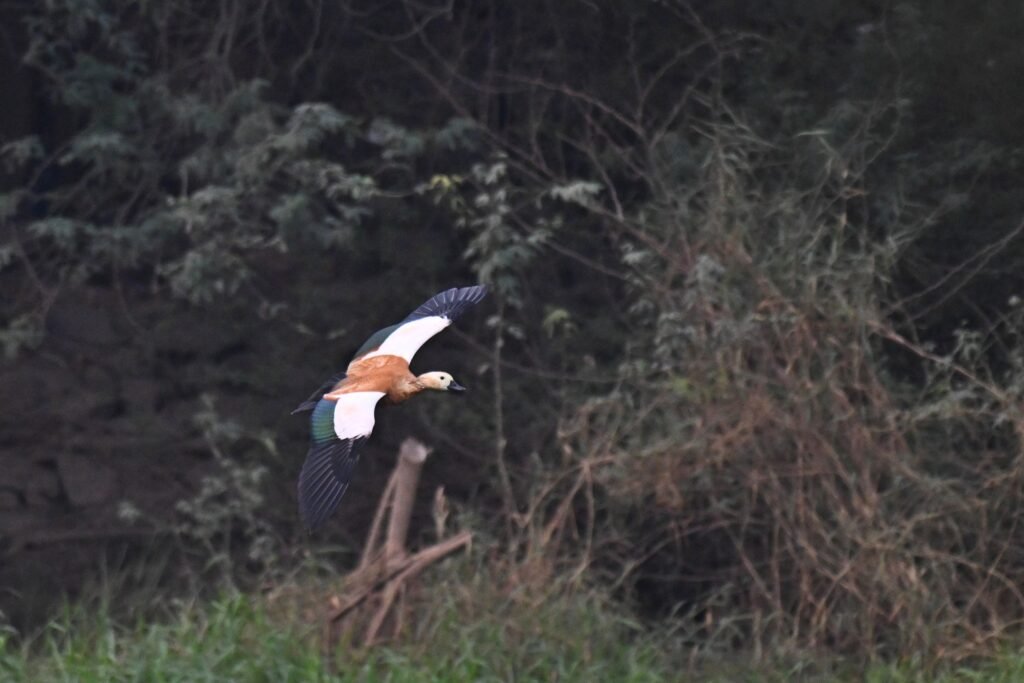
The Ruddy Shelduck (Tadorna ferruginea) is one of the most eye-catching waterbirds found across Tibet and Central Asia. Often called the “Brahminy Duck” and locally known as the “Yellow Duck” for its glowing rusty-orange feathers, this species holds cultural significance and is frequently associated with prosperity and good fortune in Tibetan tradition.
With its vibrant color and powerful flight, the Ruddy Shelduck adds a striking contrast to Tibet’s dramatic landscapes of turquoise lakes, open wetlands, and snow-capped mountains.
Distinct Appearance and Symbolism
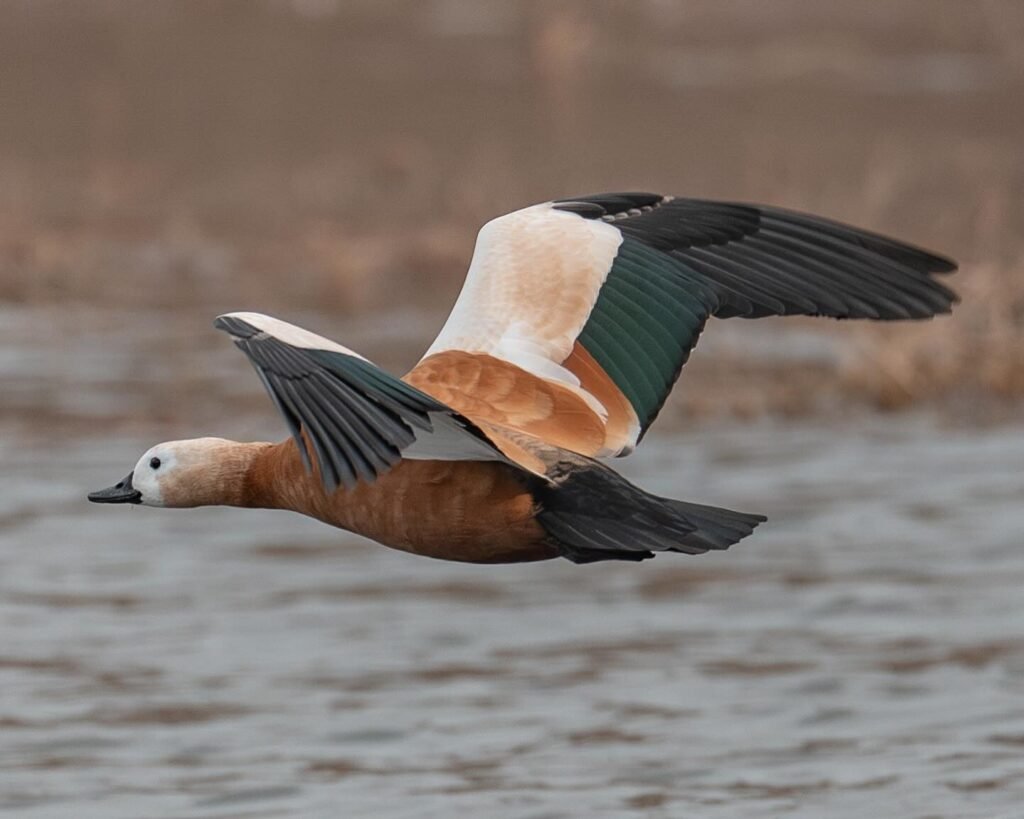
The Ruddy Shelduck is easy to recognize thanks to its bold coloring:
- Rich orange-gold plumage covering most of the body
- Pale head with a clean, elegant profile
- Strong wings designed for long-distance travel
- Loud, nasal calls that carry across lakes and valleys
Although sometimes linked in folklore to mandarin ducks because of similar symbolic meanings, the Ruddy Shelduck is a completely distinct species.
In Tibetan Buddhism, these birds are often viewed as symbols of happiness and positive fortune, which is one reason they are rarely disturbed by local communities.
High-Altitude Breeding and Habitat
This resilient bird breeds across southeastern Europe, Central Asia, and the Tibetan Plateau, thriving at elevations reaching 4,800 meters. Unlike many waterfowl, Ruddy Shelducks prefer unusual nesting sites such as:
- Cliff crevices
- Tree cavities
- Abandoned animal burrows
- Rocky riverbanks
Their ability to adapt to rugged terrain makes them particularly suited to Tibet’s challenging environment.
Impressive Himalayan Migration
Similar to the famous Bar-headed Goose, some Ruddy Shelduck populations undertake trans-Himalayan migrations, flying at heights above 5,000 meters.
Key adaptations that support these extreme journeys include:
- Efficient oxygen use in thin mountain air
- Strong, stable pair bonds that enhance survival
- A flexible diet that allows feeding in diverse habitats
While some birds migrate long distances from northern Europe or Mongolia toward South Asia, many Tibetan populations are semi-resident, moving only between higher summer breeding grounds and milder winter valleys. Most begin arriving in lower regions between late October and early November.
Social Behavior and Feeding Habits
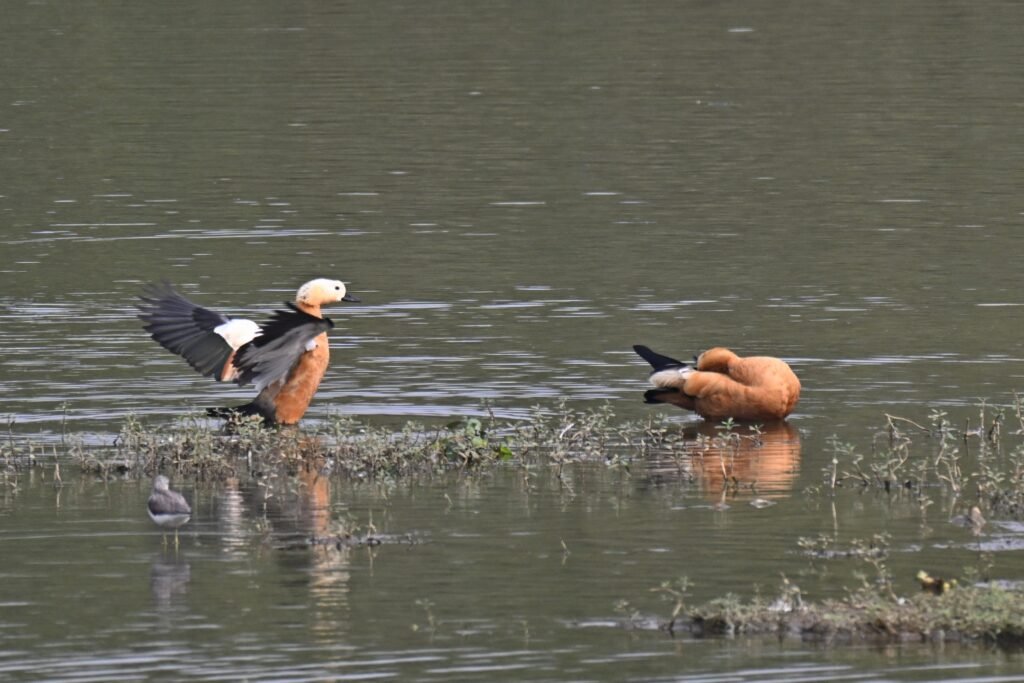
Ruddy Shelducks are highly social birds. They typically travel in tight family groups, which later merge into larger flocks numbering dozens or even hundreds.
Their diet is varied and adaptable, consisting of:
- Grasses and seeds
- Agricultural grains
- Insects
- Small aquatic creatures
At shared feeding and roosting sites, their echoing calls create a lively atmosphere across otherwise quiet wetlands.
Best Time to See Ruddy Shelducks in Tibet
For birdwatchers and nature lovers, winter (November to March) is the ideal season to spot Ruddy Shelducks. Peak concentrations usually occur between mid-January and late February, when birds gather around accessible lakes and marshes.
Recent seasonal observations suggest healthy populations, supported by habitat protection and expanding wetland areas.
Travel tips for birdwatching:
- Choose clear, calm days for better visibility
- Bring binoculars or a zoom lens
- Dress in warm layers, as nighttime temperatures can drop below -10°C
- Keep a respectful distance to avoid disturbing flocks
Top Places to Spot Ruddy Shelducks in Tibet
Lalu Wetland Nature Reserve
Known as the highest urban wetland in the world, Lalu attracts family groups searching for food in shallow marshes. Birders may also spot black-necked cranes and other plateau species. Entry regulations may apply, so guided visits are recommended.
Lhasa River Banks
Rocky cliffs and gentle river shallows provide ideal nesting and wintering habitats. Just a short drive from downtown Lhasa, the area combines scenic beauty with reliable bird sightings.
Yamdrok Lake
About two hours south of Lhasa, Yamdrok Lake is one of Tibet’s sacred lakes. Its brilliant turquoise waters often host large gatherings of Ruddy Shelducks grazing along the shoreline. At an altitude of 4,441 meters, the setting is as memorable as the wildlife.
Lake Manasarovar
Near Mount Kailash in western Tibet, this vast freshwater lake attracts migratory flocks and offers a rewarding experience for dedicated travelers. Due to its remote location, visits are typically arranged through organized tours.
Planning a Birdwatching Trip to Tibet
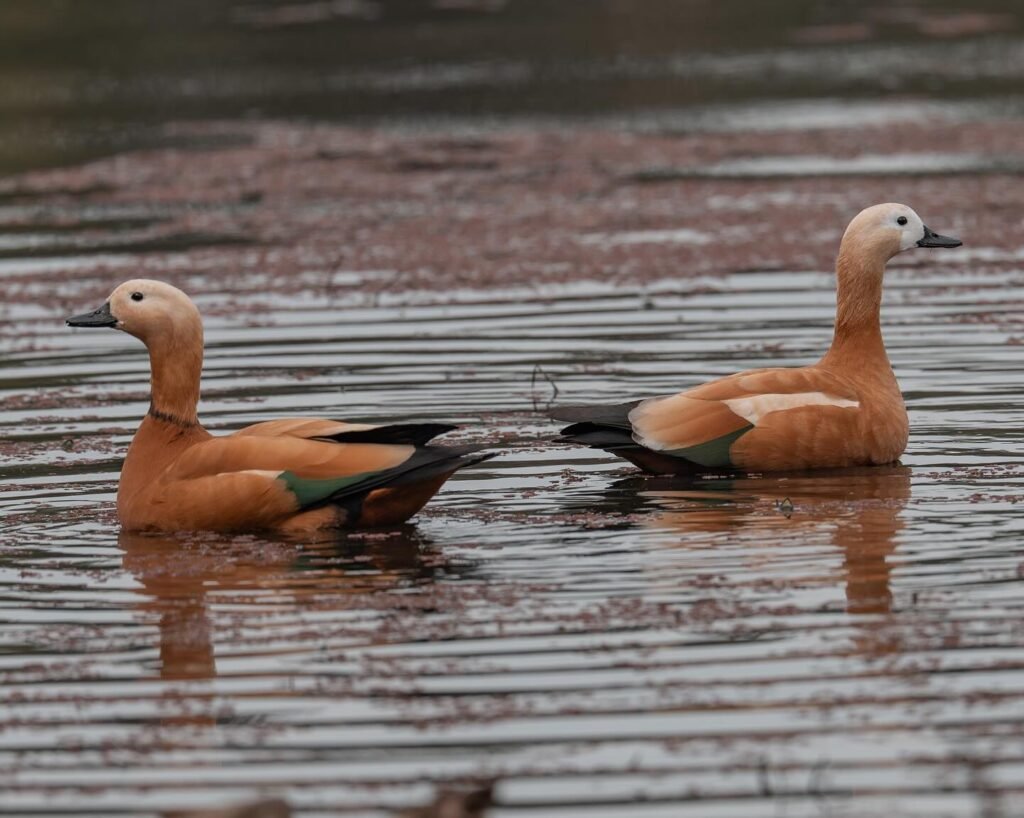
Ruddy Shelducks are a signature species of Tibetan wetlands, frequently seen alongside Bar-headed Geese and other high-altitude waterfowl. Their glowing feathers bring warmth and color to the stark plateau, making them a favorite subject for photographers and wildlife enthusiasts.
International travelers should remember that Tibet Travel Permits are required and must be arranged through licensed operators. Combining birdwatching with cultural landmarks and sacred lakes creates a richer, more immersive Tibet travel experience—especially during the quiet winter season when these “golden ducks” are at their most visible.