

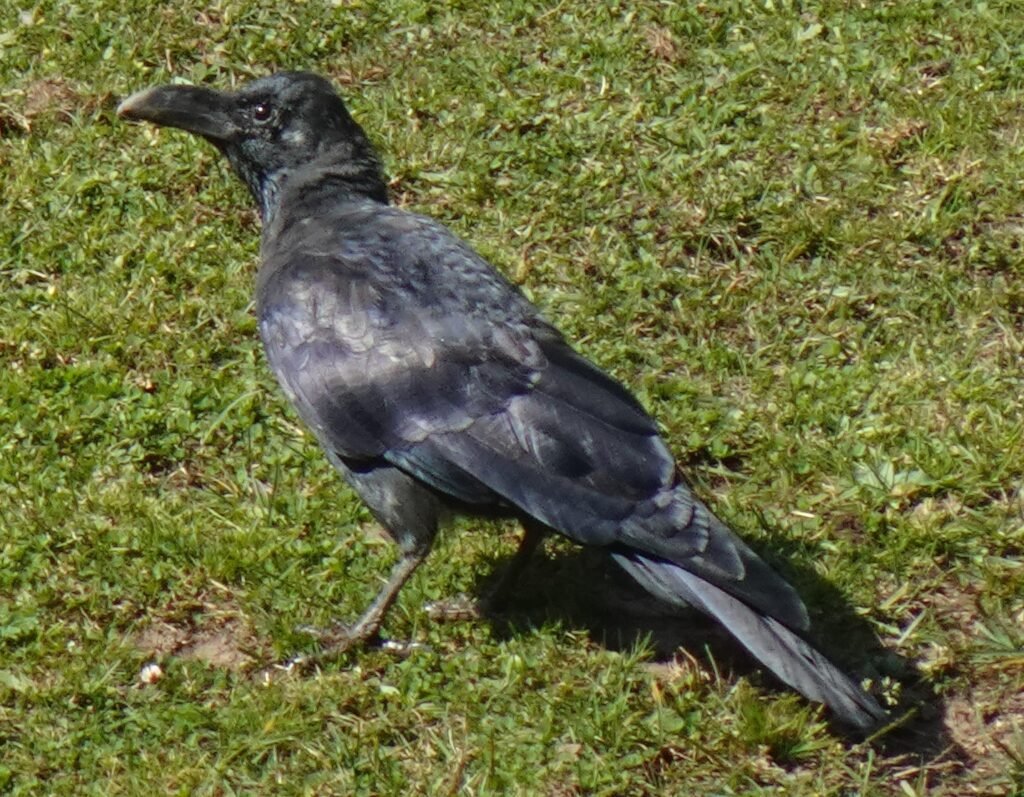
The Common Raven (Corvus corax), especially the hardy high-altitude subspecies Corvus corax tibetanus, is one of the most fascinating birds you can encounter on the Tibetan Plateau. Intelligent, mysterious, and deeply woven into Tibetan culture, this glossy-black corvid thrives where few creatures can—across windswept valleys, towering mountains, and extreme elevations.
Often seen circling monasteries, striding confidently through villages, or perched on ancient rooftops, the raven is more than just a bird in Tibet. It is a symbol of wisdom, a spiritual messenger, and a resilient survivor of one of the harshest environments on Earth.
A High-Altitude Specialist
The Tibetan raven is built for life above the clouds. Measuring roughly 60–70 cm in length with a wingspan reaching up to 1.5 meters, it is among the largest passerine birds in the world.
Remarkable Adaptations
Living between 2,500 and 6,350 meters—with sightings even recorded near Mount Everest—requires extraordinary biological resilience. The raven’s survival toolkit includes:
- Dense insulating feathers that protect against sub-zero temperatures
- Efficient oxygen utilization for functioning in thin mountain air
- Powerful, steady flight capable of handling strong plateau winds
These features allow the raven to remain active year-round, whether navigating snow-covered valleys or gliding effortlessly above alpine grasslands.
Intelligence That Rivals Primates
Few birds match the cognitive abilities of the Common Raven. Scientists often rank them among the smartest animals on the planet.
Advanced Problem-Solving Skills
Ravens demonstrate behaviors rarely seen outside primates:
- Food caching: They hide food for later use.
- Deceptive strategies: If another raven is watching, they may pretend to hide food in one spot while secretly storing it elsewhere.
- Tool-like behavior: Their versatile beaks can tear frozen meat, manipulate objects, and access difficult food sources.
Masters of Vocal Communication
The raven’s voice is as impressive as its intellect. Across Tibetan valleys, their calls echo with surprising clarity.
Common sounds include:
- Deep, satisfied croaks
- Metallic gurgles
- Long-distance warning calls
Beyond natural calls, ravens can mimic human speech, animal noises, and even mechanical sounds. In some Tibetan villages, they have been known to imitate herders’ whistles.
Bold Opportunists of the Plateau
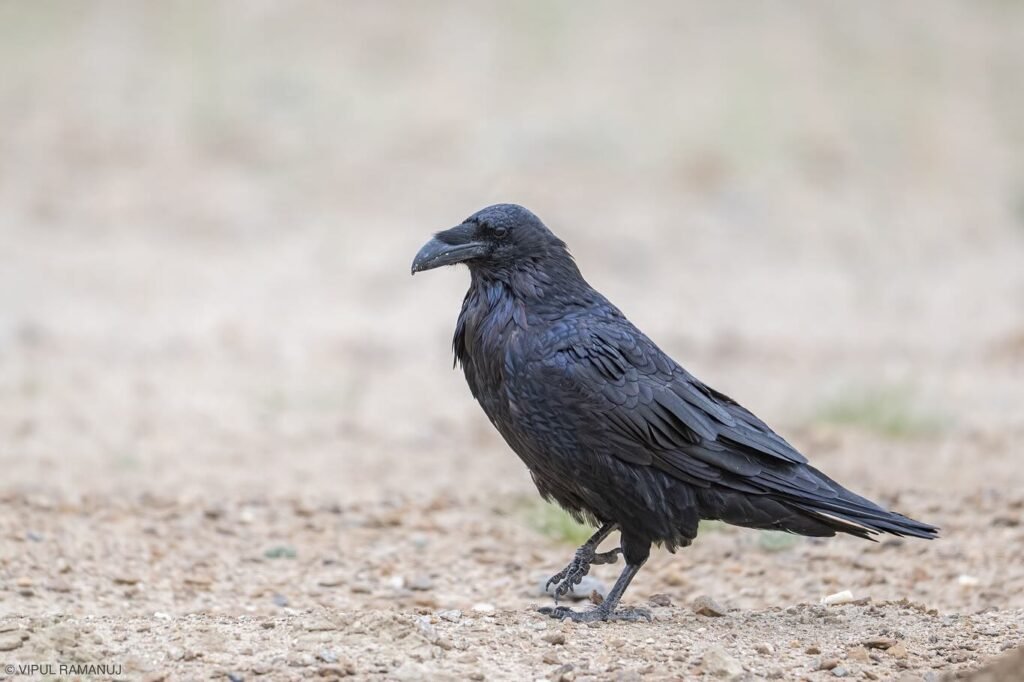
Ravens are fearless foragers. You might spot one marching through a village street with puffed neck feathers and an almost arrogant gait.
Their highly adaptable diet includes:
- Carrion and animal remains
- Insects
- Small mammals and reptiles
- Eggs and nestlings
- Human food scraps
This opportunistic feeding behavior makes them essential to the ecosystem, helping clean the landscape while also acting as skilled predators.
The “Wolf-Bird” Partnership
On the Tibetan Plateau, ravens sometimes follow wolves or snow leopards. Acting like aerial scouts, they locate carcasses and wait patiently for larger predators to open the hide—ensuring access to leftovers.
This remarkable interspecies relationship highlights their strategic intelligence.
A Bird Steeped in Tibetan Spirituality
Few birds hold as much symbolic weight in Tibetan culture as the raven. Revered rather than feared, it is often seen as a bridge between the physical and spiritual worlds.
Messenger of Mahakala
In Tibetan Buddhism, the raven is associated with Mahakala, a powerful protector deity. Many believe the bird carries divine messages or warnings.
Legend even tells of a pair of ravens protecting the family of the First Dalai Lama from bandits—cementing their status as guardians.
Guides and Omens
Folklore frequently portrays ravens as guides to sacred places. Stories describe them:
- Leading spiritual figures to hidden sites
- Revealing holy locations through mysterious acts
- Symbolizing transformation and prosperity
Though sometimes linked with trickery or death in global mythology, Tibetans generally treat them with respect, rarely causing them harm.
Ravens and the Cycle of Life
Because ravens are scavengers, they also play a role in Tibet’s natural and spiritual ecology.
During sky burial rituals, where the physical body is returned to nature, scavenging birds help complete the cycle of life and death. In this context, ravens are seen not as ominous creatures but as participants in a sacred process.
Ravens of Lhasa: Shadows Over Sacred Rooftops
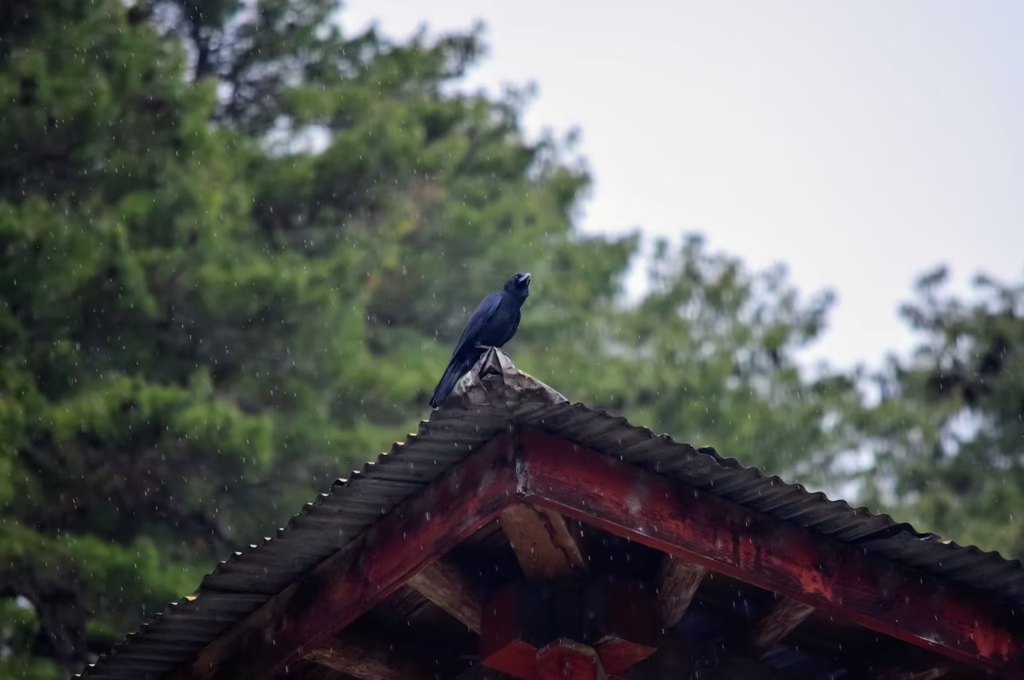
Thousands of ravens inhabit the Lhasa region. At sunrise, their glossy feathers shimmer as they perch on monastery roofs, towers, and urban structures.
British diplomat Hugh Richardson, who lived in Lhasa during the 1930s–40s, once described watching a dignified raven from his bed. The bird’s throat feathers swelled as it tilted its hammer-like beak skyward, producing metallic gurgles that carried astonishing distances.
At times, it returned with scraps of entrails, tearing them apart while casting sharp, suspicious glances—an unforgettable display of raw survival instinct.
Seasonal Behavior and Local Legends
During cooler months, large flocks gather in poplar groves outside Lhasa, creating dramatic morning spectacles.
Local legend says ravens are allowed to roost in these trees only until the arrival of the cuckoo—a bird believed to possess greater spiritual power. Once the cuckoo appears, ravens supposedly retreat to warmer rocky slopes at night.
Whether myth or metaphor, the story reflects the deep cultural storytelling surrounding Tibet’s wildlife.
Aerial Acrobatics and Courtship Displays
Long before seasonal shifts occur, ravens perform breathtaking courtship flights. Pairs can often be seen:
- Soaring high above valleys
- Diving at dramatic speeds
- Tumbling through the air
- Flying upside down
- Dropping suddenly in controlled free fall
These displays reveal not only strength but an unexpected sense of playfulness.
How to Identify a Common Raven
Travelers often confuse ravens with large crows, but several features make identification easier.
| Feature | Common Raven | Large Crow |
|---|---|---|
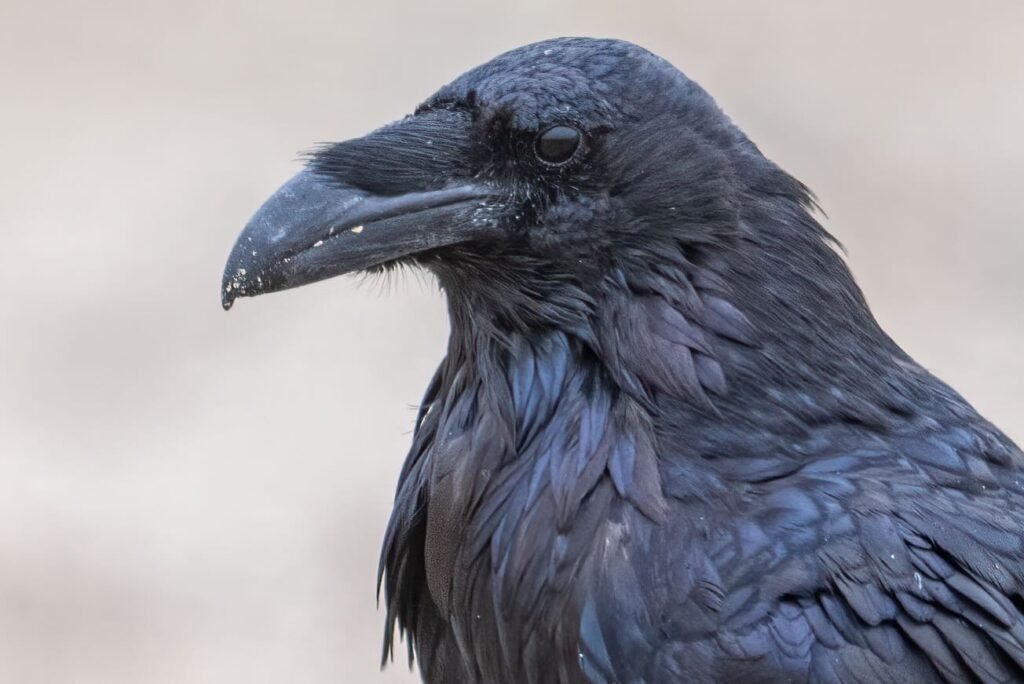
| Beak | Massive, curved, shaggy at the base | Straighter and smoother |
| Throat | Shaggy hackles often puffed out | Sleeker feathers |
| Tail in Flight | Wedge-shaped (diamond) | Fan-shaped |
| Flight Style | Soars like a hawk | Frequent flapping |
If you see a black bird effortlessly gliding on air currents rather than constantly flapping, it is likely a raven.
Where to Spot Ravens in Tibet (Winter 2026 Guide)
Ravens are present year-round, but winter often concentrates them in urban areas and lower elevations, making sightings easier.
Listen for echoing croaks and watch for confident struts across rooftops or temple courtyards.
Prime Locations
Potala Palace and Surroundings (Lhasa)
Ravens frequently perch on palace walls and towers, glowing in the morning sun. Pair wildlife observation with one of Tibet’s most iconic landmarks.
Jokhang Temple and Barkhor Street
Bold individuals often navigate busy streets and rooftops, offering surprisingly close encounters amid pilgrims.
Poplar Groves Near the Lhasa River
Winter mornings may reveal hundreds gathered together—an impressive spectacle for photographers.
Norbulingka Palace Gardens
Trees and historic structures provide excellent perching spots, while their calls echo across the peaceful grounds.
For deeper experiences, combine raven watching with visits to spiritual centers such as Sera Monastery, where nature and culture intersect beautifully.
Travel Tips for Raven Watching
- Dress in warm layers; winter temperatures can drop below -10°C.
- Use binoculars to observe distant perches without disturbing the birds.
- Avoid feeding wildlife to preserve natural behavior.
- Observe quietly—ravens are highly perceptive and often wary.
- Travel with knowledgeable local guides who can share folklore and ecological insights.
International visitors should remember that Tibet Travel Permits are required and typically arranged through authorized tour operators. Guided journeys allow you to safely explore both cultural landmarks and wildlife habitats.
Conservation and Ecological Importance
Globally classified as Least Concern, the Common Raven benefits from wide distribution, adaptable feeding habits, and cultural protection across Tibet.
As both scavengers and predators, ravens help maintain environmental balance by:
- Cleaning carrion from landscapes
- Controlling insect and small animal populations
- Supporting nutrient recycling
While urban expansion and climate change pose minor long-term challenges, the species remains one of the plateau’s most successful avian survivors.
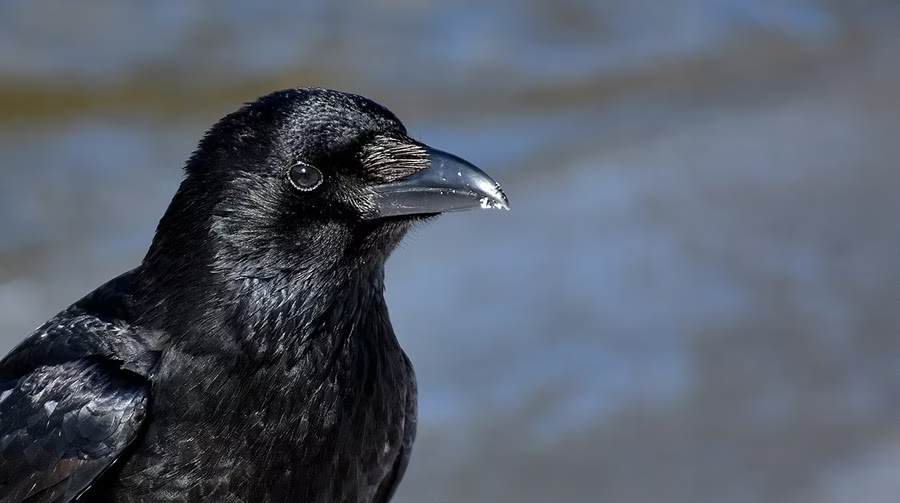
The Einstein of the Plateau
With intelligence comparable to great apes, sophisticated communication skills, and an uncanny ability to adapt, the raven has earned a reputation as the “Einstein of the Plateau.”
Watch closely and you may witness behaviors that feel almost human—strategic thinking, playful flight, social bonding, and calculated deception.