Tibetan people
Tibetan Customs
Major Festivals in Tibet
Tibetan Language

For travellers who want to experience Tibet beyond its famous landmarks, the Ganden to Samye trek offers something far more immersive. This is Tibet’s most popular trekking route — a journey that crosses high mountain passes, skirts alpine lakes, and follows trails that pilgrims have walked for centuries. Evenings are spent camping under an open sky or staying with local Tibetan families, making this as much a cultural experience as a physical adventure.
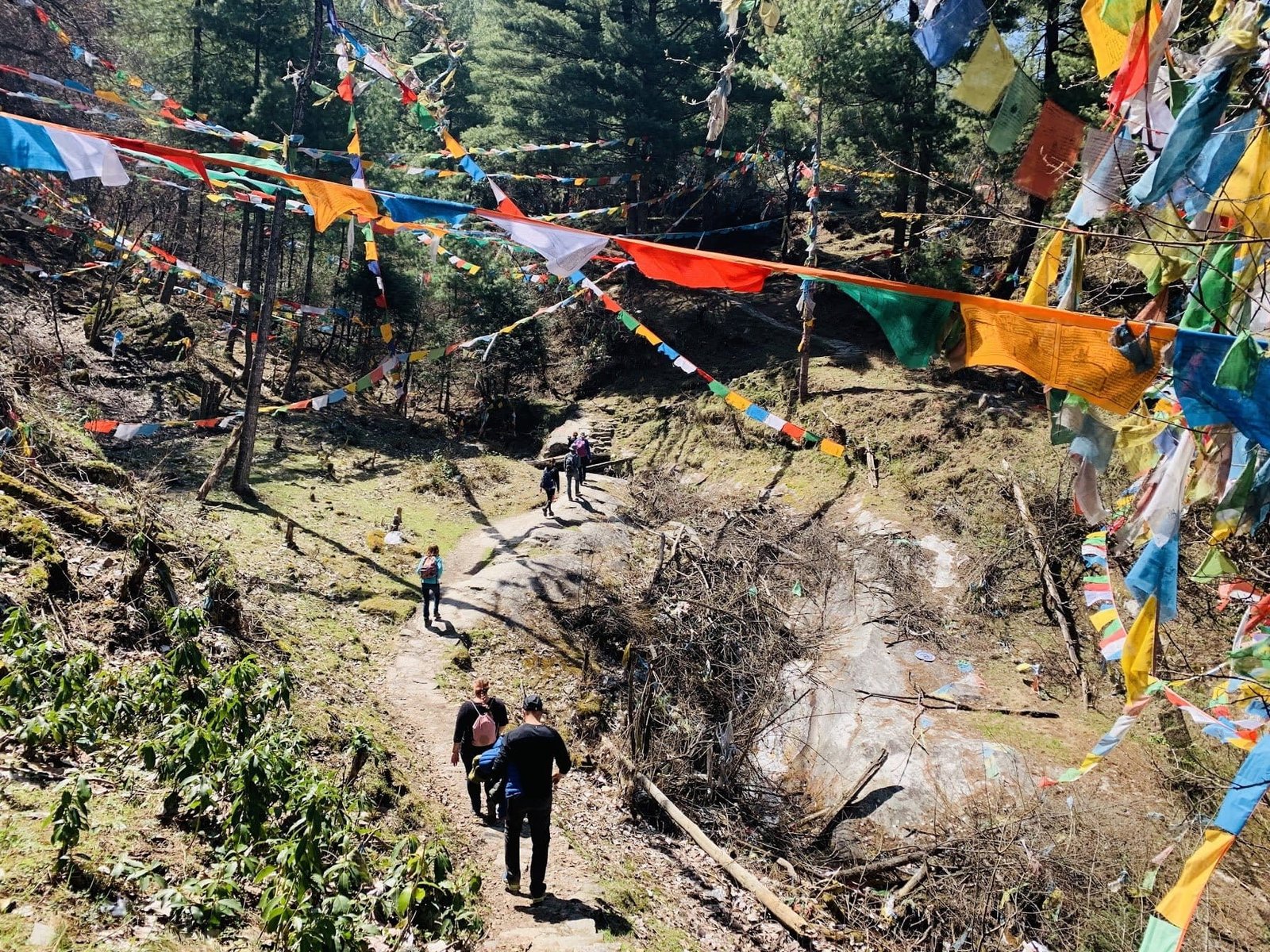
Your journey begins with arrival in Lhasa, either by air or rail. A guide will meet you and transfer you comfortably to your hotel. The drive follows the Yarlung Tsangpo River, offering a scenic introduction to Tibet — complete with hillside Buddha engravings, colourful prayer flags, and the welcoming faces of local Tibetans.
The rest of the day is reserved for relaxation and gentle acclimatisation to Lhasa’s high altitude. Taking this first day slowly is important for preparing your body for the trekking days ahead.
The second day is dedicated to three of Lhasa’s most significant monasteries.
The morning begins at Norbulingka Park, once the summer palace of the Dalai Lama. Its tranquil gardens and historically rich halls provide a calm and culturally rewarding start to the day.
The tour then continues to Drepung Monastery, one of the largest Tibetan Buddhist monasteries in the world, which at its height housed up to 10,000 monks. A visit here gives genuine insight into the structure, rituals, and spiritual discipline of Tibetan monastic life.
The day ends at Sera Monastery, known for its lively “Buddhism Scriptures Debating” sessions — a tradition that combines rigorous philosophical inquiry with animated discussion, offering a rare and memorable window into Tibetan Buddhist education.
Day three takes in Lhasa’s most iconic landmarks.
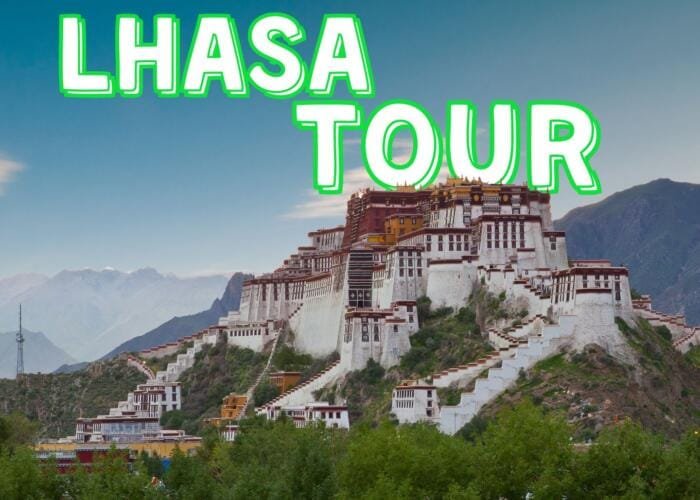
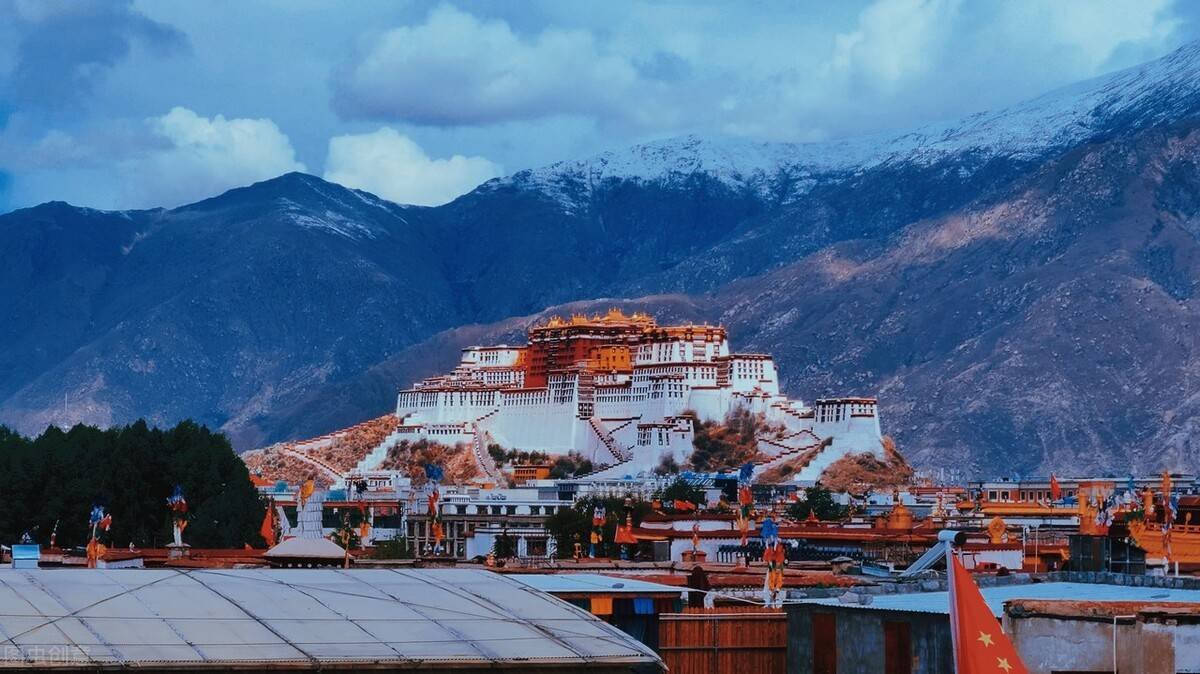
The morning is spent at the Potala Palace, built in 641 AD and once the winter residence of the Dalai Lama. Its towering halls, golden Buddha statues, and the presence of red-robed lamas and devoted pilgrims create an atmosphere that is both historic and deeply spiritual.
In the afternoon, the tour moves to Jokhang Temple, the spiritual centre of Tibet. Pilgrims travel great distances to worship here, and the devotion visible throughout the temple is genuinely moving.
The day closes with a walk along Barkhor Street, a traditional pilgrimage circuit surrounding the Jokhang Temple. The route is lined with market stalls and local life, offering a warm and lively end to the day’s exploration.
A scenic 45-kilometre drive — roughly 1.5 hours — takes you from Lhasa to Ganden Monastery, perched at an altitude of 4,500 metres. Ganden holds a special place in Tibetan history as the earliest monastery of the Gelugpa sect of Tibetan Buddhism.
Though largely in ruins, the monastery remains a site of deep spiritual significance. Pilgrims from across Tibet come here to perform the Kora, a sacred circumambulation of the monastery. Watching this practice unfold offers a profound sense of the reverence this site commands.
A few practical tips: the road to Ganden is well-maintained, water and snacks are essential given the altitude, and it is important to be mindful of physical exertion while still acclimatising.
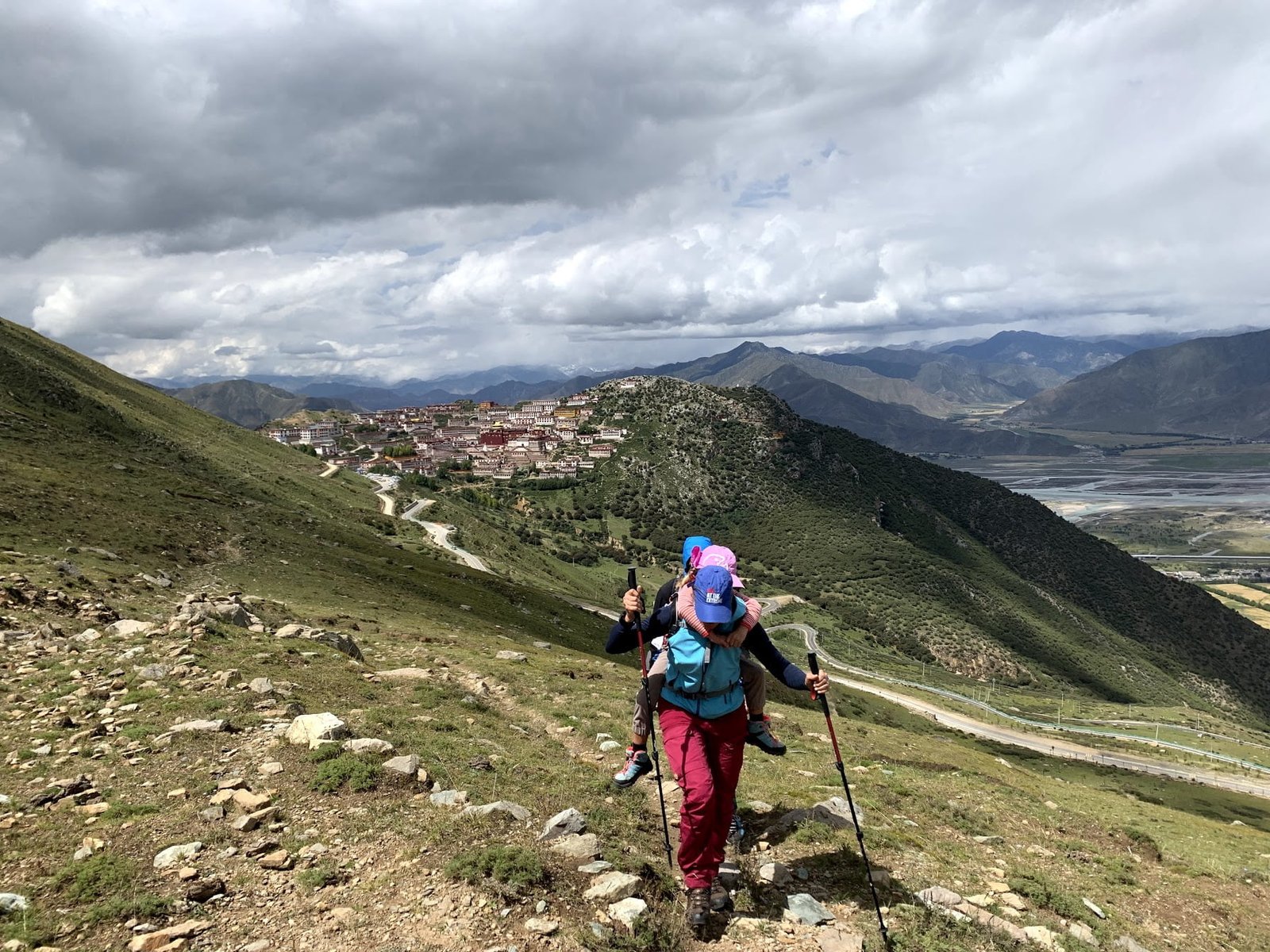
The trek begins from the highest point of the Ganden Kora. The first full day of walking spans approximately five hours, following a ridge with sweeping views before descending to the ancient Hepu Village, where traditional lifestyles have been preserved for generations.
The afternoon route passes through Ani Pagong, a narrow section of trail where a former nunnery once stood, before a gradual ascent leads to Yama Do — the night’s camping site. Settling in under the stars at the end of this first trekking day, with the silence of the Tibetan wilderness all around, is an experience that sets the tone for the days ahead.
Today’s trek covers around 10 kilometres over four to five hours. The route begins through a steep gully leading to a meandering stream, before climbing to the Shug La Pass. The ascent is demanding but rewards trekkers with dramatic views across the landscape.
The descent from the pass winds through fields scattered with glacial boulders before reaching Tsotup Chu, a large stream that must be crossed to complete the day’s journey. Camp is set up in the Tsotup Chu Valley, a serene and unspoiled corner of the Tibetan wilderness.
This is one of the longer trekking days, covering around 14 kilometres over six to seven hours. The trail follows the Tsotup Chu river before climbing steadily to the Chitu La Pass, a rocky mountain crossing with striking views in every direction.
The descent leads into open camping grounds and meadows surrounding a tributary of the Tsotup Chu. The route then passes through the Herder’s Camp, offering a glimpse into the pastoral, nomadic lifestyle of the people who inhabit these highlands. The overnight stay at the camp is a highlight of the trek — simple, quiet, and deeply connected to the land.
Today’s 25-kilometre, six-hour trek is the least strenuous of the journey, with the trail widening and levelling out considerably. The route passes through forests of trees and shrubs, meadows, and blooming rhododendrons, with one of the day’s most striking features being the contrast between stretches of desert landscape and patches of lush greenery.
The trail passes through Changtang Village, where a short detour is available to visit Yamalung, an ancient Buddhist hermitage of significant spiritual importance. The day ends with a gentle descent into the Samye Valley, with camp set up near Samye in preparation for the following day’s highlight.
A two-hour, 14-kilometre morning trek leads to Samye Monastery, one of the oldest and most revered monasteries in Tibet. The path offers panoramic views of the Samye Valley, making the approach to the monastery as impressive as the site itself.
Samye is an architectural landmark, blending Tibetan, Han, and Indian styles in a layout said to reflect Buddhist cosmology. Time spent exploring its temples and ruins offers a rich and layered understanding of Tibetan Buddhist history.
After the visit, the group drives to Tsetang, Tibet’s third-largest city, for an overnight stay — a transition from the quiet of the trek to the rhythm of urban Tibetan life.
Tsetang is known as the “Cradle of Tibetan Civilisation,” and the morning is spent exploring two of its most important historical sites.
Yumbulakang Monastery, believed to have been built in the second century BC for the first Tibetan king, Nyatri Tsenpo, is considered Tibet’s first palace. Originally a royal residence, it later became a monastery under the Fifth Dalai Lama. Damaged during the Cultural Revolution, it has since been carefully restored.
Trandruk Monastery carries its own powerful legend — built on the site where King Songtsen Gampo is said to have defeated a five-headed dragon, it remains an active pilgrimage site to this day. Its famous Thangka, made from 29,026 pearls, is one of the most remarkable religious artefacts in Tibet.
The afternoon involves the drive back to Lhasa for a final overnight stay.
The last day is free for personal exploration, last-minute shopping, or quiet reflection. When it is time to leave, your guide will arrange a smooth transfer to either Lhasa airport or the train station, bringing this extraordinary journey through Tibet’s landscapes, monasteries, and mountain trails to a well-organised close.
Expect a balanced mix of adventure, culture, and spirituality throughout the journey. You will trek across scenic ridges, alpine passes, and valleys while experiencing the nomadic lifestyle and daily traditions of Tibetan people. Accommodation is simple and authentic, with nights spent camping or in village homes. Along the way, you will visit major cultural and religious sites, starting from Lhasa to Ganden Monastery, and ending at Samye Monastery—offering a complete and immersive Tibetan experience.
The Ganden to Samye Trek stands out as one of the most authentic ways to experience Tibet. Unlike typical sightseeing tours, this journey follows ancient pilgrimage routes, allowing you to walk in the footsteps of Tibetan devotees. The combination of high mountain passes, remote valleys, and close interaction with local communities creates a rare blend of adventure and cultural depth. The trek’s spiritual highlight is reaching Samye Monastery, while the cultural journey continues in Tsetang, the birthplace of Tibetan civilization.
Here are our contact options for your convenience:
Feel free to reach out anytime!
Yes, you have the option to cancel your tailor-made tour. However, be aware that cancellation charges will be applied as per the Tour Tibet cancellation policy. For detailed information, please review our Terms and Conditions.
Arranging a tour in Tibet independently is not possible due to the mandatory Tibet Travel Permit. This essential document is a requirement for all foreign visitors traveling to the region and can only be obtained through a local travel agency authorized by the Tibet Tourism Bureau.
Absolutely! We encourage you to visit our office and discuss your travel plans directly with our experienced travel consultants. Together, we can create a tailor-made Tibet tour that suits your preferences and requirements.
After confirming your tour arrangements, a deposit of 20% of the total trip cost is required to secure your booking. This deposit can be made via PayPal, Credit Card, Western Union, or Wire Transfer. The remaining balance is due at the start of your tour.