Call us on 6348848 info@tourtraveltibet.com

Login

Sign Up

After creating an account, you'll be able to track your payment status, track the confirmation and you can also rate the tour after you finished the tour.
Username*
Password*
Confirm Password*
First Name*
Last Name*
Birth Date*
Email*
Phone*
Country*
* Creating an account means you're okay with our Terms of Service and Privacy Statement.
Please agree to all the terms and conditions before proceeding to the next step

Already a member?

Login

Travel Blog – Main reason to Know About Tibet

Tibetan monastery
20
Dec

Exploring Pema Choeling Monastery: A Spiritual Oasis in Sakya County

Embark on a journey to Pema Choeling Monastery, a sacred retreat at the base of Mount Suri in Sakya County. Discover the rich history, intricate art, and divine serenity of this ancient Buddhist sanctuary. Immerse yourself in the cultural treasures and spiritual wisdom preserved within its hallowed halls. Uncover the story of resilience and renewal...
Read More
11
May

Yak – Tibetisch wichtige Haustier.

Heute übernachten wir auf 5000 Metern Höhe in einem tibetischen Minderheit Zelt. Wo die Nomaden die meiste Zeit verbringen. Dies ist eine wunderbar Erlebnis auf der Reise in Tibet. Das Zelt hat viele Besonderheiten. Zum Beispiel Der Vorhang des Zeltes ist aus Yakhaaren geflochten. Die Yakhaaren sind aus einem lebenden Yak gebürstet. Das Haar fällt...
Read More
11
May

西藏吉祥八宝:神秘的宗教符号与历史文化

一、引言 西藏吉祥八宝,也称为八吉祥,是藏族文化中具有特殊意义和象征的八种物品。它们代表着藏族人民对美好生活的向往和追求,也是藏族艺术和民间信仰。 研究西藏吉祥八宝的意义在于深入理解藏族文化的内涵,以及它们在藏族人民生活中的实际应用和影响。通过研究这些象征物,我们可以更好地了解藏族人民的价值观、信仰和审美观。 二、西藏吉祥八宝的起源与发展 西藏吉祥八宝的起源可以追溯到古代印度佛教文化,随着时间的推移,它们在藏族文化中逐渐形成了独特的象征意义和地位。 在藏族文化中,西藏吉祥八宝被视为吉祥和好运的象征,它们在藏族民间信仰中扮演着重要的角色,被广泛应用于宗教仪式、艺术创作和日常生活中。 三、西藏吉祥八宝的组成与象征意义 吉祥八宝的组成包括:宝伞、金鱼、宝瓶、胜利幢、莲花、吉祥结、轮宝和金刚杵。 这些物品各自有着独特的象征意义,例如宝伞象征着权威和保护,金鱼象征着富裕和幸福,宝瓶象征着健康和财富等。这些象征意义反映了藏族人民对美好生活的向往和追求。 四、西藏吉祥八宝在现实生活中的应用 吉祥八宝在藏族艺术中的体现非常丰富,如绘画、雕塑和建筑装饰等。这些艺术作品不仅展现了吉祥八宝的美学价值,也体现了藏族人民的宗教信仰和审美观念。 吉祥八宝在日常生活中的应用也非常广泛,如服饰、配饰和家居装饰等。这些物品不仅具有实用性,也承载着吉祥八宝的象征意义,为藏族人民的生活增添了美好的寓意。 五、结论 西藏吉祥八宝是藏族文化中具有重要意义的象征物,它们承载着藏族人民的信仰、价值观和审美观。通过对这些象征物的研究,我们可以更深入地理解藏族文化,以及它们在藏族人民生活中的实际应用和影响。 未来的研究可以进一步探讨吉祥八宝在藏族文化中的历史演变和传播,以及它们在不同地区和民族中的影响和应用。同时,还可以研究吉祥八宝与现代文化之间的互动和融合,为藏族文化的传承和发展提供新的视角和启示。 Eight symbol 在西藏,吉祥八宝被广泛用于各种场合,如婚礼、庆典、节日等。人们通过吉祥八宝来祈求幸福、吉祥和平安,希望能够得到佛祖的庇佑和祝福。吉祥八宝成为了西藏人民生活中的重要组成部分,也成为了西藏文化的一种独特魅力。吉祥八宝的信仰和象征意义在西藏的宗教仪式和日常生活中扮演着重要角色。例如,在佛教寺庙中,这些符号经常被描绘在壁画、唐卡(一种宗教卷轴画)和佛像上。它们也作为装饰出现在寺庙的屋顶、门窗和其他结构上。 此外,吉祥八宝也常常被制作成各种物品,如雕塑、挂饰、珠宝和服装上的图案,以供人们佩戴或在家中供奉,以此来获得吉祥和保护。例如,一些藏族家庭会在窗户上悬挂用金银丝线编织的吉祥结,或者在家中摆放象征胜利幢的小型模型,以此来祈求家庭和睦、事业成功。 吉祥八宝不仅是佛教的象征,它们还体现了藏族人民对自然界的崇拜和对宇宙秩序的理解。例如,莲花与水有关,象征着生命和纯洁;金鱼与水有关,象征着健康和活力;宝瓶与水有关,象征着财富和满足。这些符号都与水有关,反映了藏族人民对水的崇拜,因为水是他们生活和文化的重要组成部分。 吉祥八宝的信仰和实践体现了藏族人民对美好生活的向往和对宗教信仰的虔诚。它们不仅是宗教的象征,也是藏族文化的重要组成部分,反映了藏族人民的精神世界和审美观。通过吉祥八宝,藏族人民表达了对幸福、健康、平安和繁荣的渴望,以及对宇宙和谐与平衡的追求。吉祥八宝的信仰和实践在西藏及其周边地区的文化中根深蒂固,它们不仅仅是宗教上的象征,也融入了人们的日常生活中。以下是一些关于吉祥八宝的进一步说明: 莲花(Padma):莲花象征着纯净和出淤泥而不染的品质,它代表了一种超越世俗烦恼的能力。在佛教中,莲花也象征着佛性,即每个人内在的佛性,无论外界环境如何,都能够保持纯净和觉醒。 宝瓶(Kalasha):宝瓶通常装满甘露,象征着智慧和解脱的成就。它也代表财富和满足,因为宝瓶中的甘露是无穷无尽的,象征着满足一切愿望的能力。 胜利幢(Dhvaja):胜利幢是佛教胜利的象征,它代表了一种超越痛苦和挑战的能力。胜利幢通常呈倒立状,象征着烦恼的消除和觉悟的获得。 金鱼(Surya):金鱼是吉祥和繁荣的象征,因为它们能在水中自由游动,代表了一种不受限制的生活和自由自在的状态。 法轮(Chakra):法轮是佛教教义的象征,它代表佛法无边的智慧,能够消除无知和烦恼。法轮的转动也象征着佛教教义的传播和普及。 吉祥结( 吉祥结(Srivatsa):吉祥结是佛教中的一个重要符号,它代表无限、完整和平衡。吉祥结没有开始和结束,象征着因果关系的循环和宇宙的连续性。它也象征着吉祥和好运,因为它的形状类似于汉字“吉”。 宝伞(Chhatra):宝伞是王权的象征,它代表保护和安全。在佛教中,宝伞代表佛陀的保护和庇护,它能够保护信众免受烦恼和苦难的侵袭。 白海螺(Shankha):白海螺是佛教中的一个神圣符号,它代表佛陀的声音,能够传播教义和智慧。海螺的声音被认为是纯净和神圣的,能够净化心灵和指引方向。 这些吉祥八宝不仅在佛教寺庙和宗教仪式中常见,还常常出现在藏族艺术、装饰和日常生活中。例如,莲花图案可能出现在地毯和服装上,而宝瓶可能被用作装饰品或用于宗教仪式。吉祥结和白海螺等符号也常常出现在佛教艺术作品和宗教仪式中。 吉祥八宝的信仰和实践体现了藏族人民对美好生活的追求和对佛教教义的理解。它们不仅是宗教上的象征,也是藏族文化中富有意义和象征意义的元素。
Read More
Tsampa
11
May

Tsampa – favorite food on Tibetan plateau, How to Make the most nutritious food Tsampa?

Explore the rich tradition of Tsampa, a beloved staple food in Tibetan cuisine. Learn the proper procedure for making and enjoying Tsampa, along with its cultural significance and versatile serving methods. Delve into the authentic Tibetan experience with this simple yet nutritious food.
Read More
Painting of tsongkhapa in potala
27
Nov

Ganden Ngamchoe: Honoring Lama Tsongkhapa with the Popular Festival of Lights

The 25th day of the 10th month in the Tibetan lunar calendar marks one of the most significant traditional religious events in Tibet: Ganden Ngamchoe, or the “Festival of Lights.” This day commemorates the parinirvana (passing) of Lama Tsongkhapa, the revered founder of the Gelug school of Tibetan Buddhism. The Meaning of Ganden Ngamchoe In...
Read More
Singapore to Lhasa 1
12
Dec

探索西藏:新加坡至神秘高原的直达之路

探索从新加坡到西藏的多元化旅行选项。无论是通过广州的直飞航班、体验横跨中国大陆的火车之旅,还是从尼泊尔加德满都出发的陆路探险,我们提供全面的旅行建议和详细信息,帮助您规划一次难忘的西藏之旅。享受壮丽的自然风光和深厚的文化体验,开始您的西藏探险之旅。
Read More
Khorchak Ngari Monastery
10
May

Khorchak Monastery – First monastery in Ngari

Khorchak Monastery is located in Khorchak Village, Burang County. In fact, the village is named after the temple. Due to the influence of Monastery and its eminent monks, residents gradually gathered around the temple, and Khorchak Village was gradually formed. Khorchak Monastery is well-known for having a unique architectural style, numerous cultural relics, and a...
Read More
Xian Lhasa Flight
10
May

Xian Lhasa Flights is an important choice for Tibet Tours

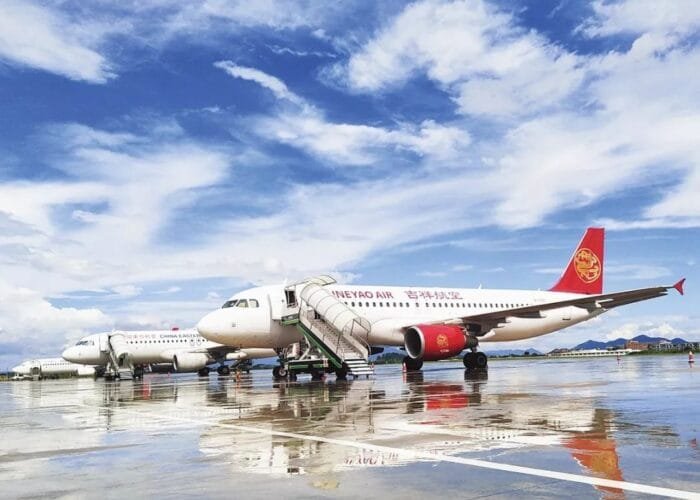
Xi’an to Lhasa flights are a bridge to adventure. They connect dreamers to Tibet’s soulful beauty. Every day, seven direct flights lift off, with even more that hop from city to city. In just a short flight, you’re whisked from ancient Xi’an to mystical Tibet. It’s like traveling through time and space, where hours become...
Read More
16
Jul

Thubten Gyatso: The 13th Dalai Lama and Tibet’s Longest-Ruling Spiritual Leader

Introduction to Thubten Gyatso, the 13th Dalai Lama Thubten Gyatso (Ngawang Lobsang Thupten Gyatso Jigdral Chokley Namgyal), the 13th Dalai Lama of Tibet (1876–1933), is remembered as a transformative spiritual leader and a pivotal reformer during one of the most turbulent periods in Tibetan history. Born on February 12, 1876, in the small village of...
Read More
Img 2513
01
Jan

Unveiling the Mystery of the Gongbu Yongzhongzeng Stele, Tubo Period

Discover the historical and cultural significance of the Gongbu Yongzhong Zeng Stele, inscribed during King Trisong Detsen's reign. This detailed analysis delves into the ancient Tibetan script, legal decrees, and the stele's contribution to understanding the Tubo period's governance and societal structure. Unearth the intricate ties between the Gongbu royal lineage and the Tubo royal...
Read More
Mount everest base camp tour43 scaled
18
May

Mount Everest: The Tallest Mountain and Its Enduring Allure

Introduction to Mount Everest Mount Everest, the tallest mountain on Earth, stands at an impressive height of 8,848.86 meters (29,031.7 feet), a measurement confirmed by authorities in 2020. This monumental peak is a part of the Himalayas, a vast mountain range that stretches across five countries: Bhutan, India, Nepal, China, and Pakistan. Positioned on the...
Read More
Tiger leaping gorge
09
May

Discover the Thrills of Tiger Leaping Gorge in the Three Parallel Rivers Park

Explore the depths of Tiger Leaping Gorge, the world's deepest gorge located in China's Three Parallel Rivers Park. Spanning over 10 kilometers, this stunning geological formation comprises three distinct sections with the Yangtze River carving its way through. Experience the peaceful yet rapid-filled upper section, the wild middle, and the exhilarating final part. Discover the...
Read More
Rivers in Tibet scaled
18
Jan

Cowhide Boats of Tibet: A Living Legacy on the Plateau

Cowhide boats, known in Tibetan as “Guowa”, are among the oldest and most distinctive watercraft on the Tibetan Plateau. Often called cowhide rafts, their history can be traced back to the Tubo period, with early images preserved in the murals of Potala Palace and Samye Monastery. These boats are not only practical tools for river...
Read More
Tubo gongbu cliff inscription 1
01
Jan

Unveiling the Secrets of the Tubo Gongbu Cliff Inscription: A Window into Ancient Tibet

Explore the Tubo Gongbu Cliff Inscription near Nyingchi, Tibet. Uncover the history behind this 8th-century monument, revealing alliances and traditions of the Tubo Dynasty, set against the breathtaking backdrop of the Yarlung Tsangpo River and Bonri Mountain.
Read More
Guangdong Lhasa Flight
10
May

Discover The Ideal Flights From Guangzhou To Lhasa For Hong Kong Tourists | Book Now!

Traveling from Guangzhou to Lhasa is an adventure waiting to be embraced. The article sheds light on the diverse options available to travelers, including both direct and indirect flights, ensuring you can choose the path that best suits your preferences. Whether you're a Hong Kong tourist seeking a convenient and efficient journey or an adventurer...
Read More
Black neck crane
17
Jan

Discover the Lhasa River Segment Scenic Belt: a Natural Paradise for Rare Birds

Lhasa River Segment Scenic Belt in Qushui County The Lhasa River Segment Scenic Belt in Qushui County marks the final stretch where the Lhasa River gently flows into the mighty Yarlung Tsangpo River. This meeting point creates a striking natural landscape that blends rivers, wetlands, and mountain backdrops, making it one of the most peaceful...
Read More
Add a heading4
09
May

Unlock Tibet: Your Passport to Adventure with China Group Visa

A Group Visa is necessary for your Tibet tour from Kathmandu, Nepal. Learn how to apply and the cost involved in this comprehensive guide.
Read More
Snow mountain from air
20
Dec

Majestic Gangdise Mountains: The Source of Many Popular Rivers

Embark on a journey to the awe-inspiring Gangdise Mountains in Tibet, known as "Kailasha" in Sanskrit, symbolizing "Snow Mountain." Explore the spiritual heart of several Eastern religions in this revered range, spanning Purang to Namling. Uncover the mystical peaks like Lhobu and Gang Rinpoche, standing tall as centers of devotion and pilgrimage. Join monks and...
Read More
22
09
Jan

Dinggyê County: Exploring the Hidden Gem of Southern Tibet

Discover Dinggyê County, also known as Tingkye in Tibetan (གཏིང་སྐྱེས་རྫོང་།), a charming region nestled in southern Tibet at the northern foothills of the Himalayas. Rich in history and natural splendor, Dinggyê County beckons with its picturesque landscapes and cultural heritage. Learn about its evolution since the Pakdru Dynasty, administrative changes, and current status under the...
Read More
12
Dec

Exploring the Economic Landscape of the Tibet Autonomous Region: Key Industries and Trade Opportunities by December 2025

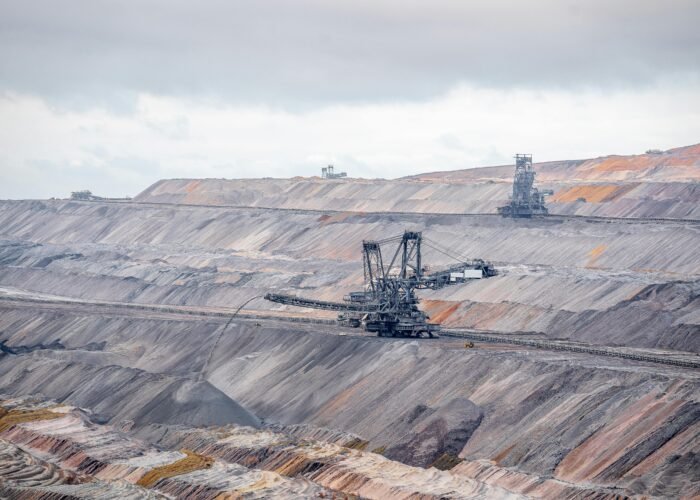
Overview of Tibet’s Economic Growth The economic landscape of the Tibet Autonomous Region is characterized by significant growth and development, particularly highlighted by its Gross Domestic Product (GDP) valuation of 239 billion yuan, equivalent to approximately USD 33.6 billion, as of 2023. This figure reflects not only the region’s unique economic trajectory but also the...
Read More
14
Jul

Why Tibetans Eat Meat: A Cultural and Geographical Perspective

Introduction to Tibetan Dietary Practices The traditional diet of Tibetans is shaped by a confluence of cultural heritage and geographical constraints. Nestled in the high-altitude region of the Tibetan Plateau, the Tibetan people have developed dietary practices that are profoundly influenced by their environment and history. The harsh climate and rugged terrain of Tibet limit...
Read More
1 40 41 42 43 44 72