The origin of the word “Tibet” is commonly explained through historical linguistics, tracing it to the Tibetan name Bod through Central Asian languages. Yet, within certain Indic traditions, a different and deeply symbolic interpretation exists. According to this perspective, “Tibet” is linked to the ancient Sanskrit term Trivishtap (also written as Triviṣṭapa, Trivishtapam, or Tripiṣṭapa).
This interpretation does not follow mainstream linguistic consensus, but it remains a well-documented cultural and mythological view preserved in Sanskrit literature, epics, and later interpretations. It presents Tibet not just as a place, but as a sacred realm—an earthly reflection of heaven.
The Meaning of Trivishtap in Sanskrit
In classical Sanskrit, Trivishtap is widely understood as a synonym for Swarga, the heavenly realm or abode of the gods. It carries both literal and symbolic meanings that elevate it beyond a simple geographic reference.
The term is often interpreted as the celestial domain of Indra, known as Indraloka, where divine beings reside. At the same time, it evokes the idea of a “heaven on earth,” a pure and elevated space accessible through spiritual merit.
Etymologically, Trivishtap is derived from two components: tri, meaning “three,” and viś, meaning “to enter.” This combination suggests a sacred realm associated with the three worlds of Hindu cosmology—one that can only be entered through righteous actions or accumulated merit (punya). Related terms such as Viṣṭapa further reinforce the idea of an elevated or divine abode.
References in Sanskrit Texts
The concept of Trivishtap appears across several important Sanskrit texts, where it is consistently associated with heaven or a divine realm.
The ancient lexicon Amarakosha defines the term directly with the phrase “Trivishtapam Swargaḥ,” equating it with heaven. Similarly, the Shabdakalpadruma, another classical Sanskrit dictionary, describes it as the abode of the gods.
In the epic Mahabharata, Trivishtap is referenced in multiple contexts. Accroding to the Vana Parva, it is described as a sacred tirtha, or pilgrimage site, known across the three worlds and associated with purification and divine worship. In the Swargarohana Parva, the term is used interchangeably with heaven, where the Pandavas ascend after crossing the Himalayas.
The Ramayana also uses the term as a synonym for heaven, while later classical works such as Raghuvaṃśa continue to reinforce its divine meaning.
Mythological Interpretation and Sacred Symbolism
In Hindu mythology, Trivishtap is not merely a location but a spiritual concept. It represents a bridge between the human world and the divine, a place where the boundaries between earthly and celestial realms dissolve.
Traditional narratives describe it as a realm of purity and divine accessibility. The Himalayas, often associated with this concept, are seen as a sacred corridor linking humanity to the gods.
One mythological account connects Trivishtap to the story of a great cosmic flood. After the deluge, the progenitor of humanity is believed to have reached a high and sacred land guided by the Matsya Avatar. This narrative ties the region to the origins of human civilization and the preservation of dharma.
The interpretation also aligns Tibet with sacred geography. Sites such as Mount Kailash, revered as the abode of Shiva, and Lake Manasarovar, one of the holiest lakes in Asia, embody this connection. The source of the Brahmaputra River further reinforces the region’s spiritual importance.
Historical Context and Cultural Exchange
References to elevated northern regions appear in ancient Indian texts long before the term “Tibet” entered European languages. These early descriptions reflect a worldview shaped by pilgrimage, trade, and spiritual exploration across the Himalayas.
Over time, Tibet’s indigenous name Bod coexisted with Sanskrit interpretations such as Trivishtap. Cultural exchange intensified from the 7th century onward, particularly during the reign of Songtsen Gampo, when Buddhism was introduced and strengthened connections between India and Tibet.
The Trivishtap interpretation reflects this long-standing interaction, offering a cultural lens rather than a strictly linguistic explanation.
Geography and the “Heaven on Earth” Idea
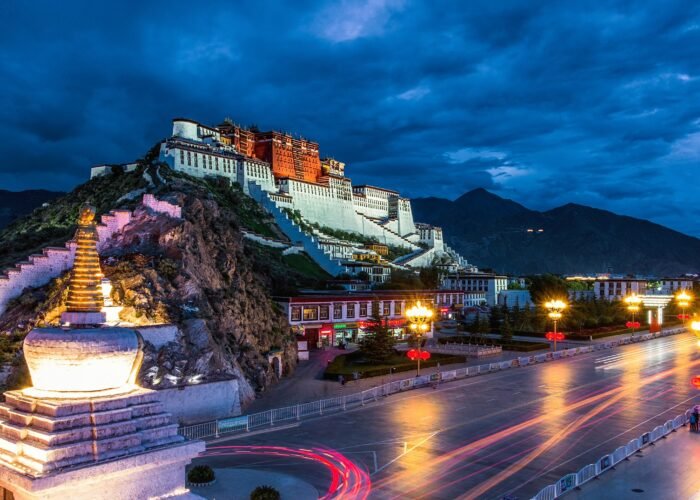
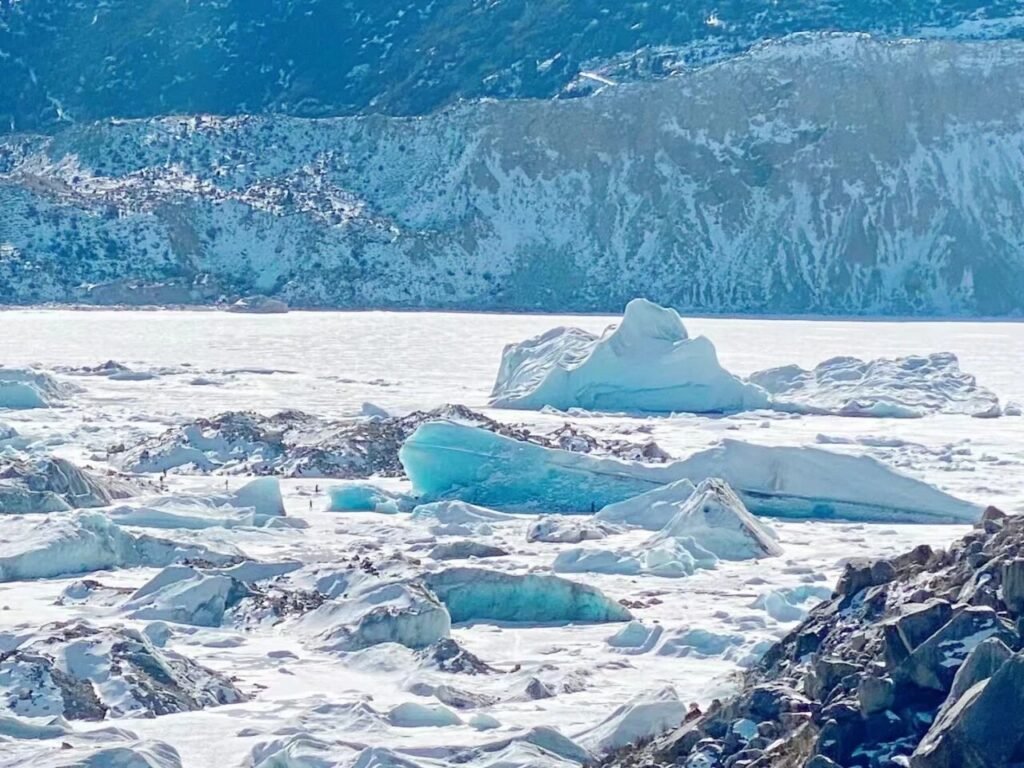
The Tibetan Plateau, with an average elevation of about 4,500 meters, is the highest and largest plateau on Earth. Its vast, elevated landscape has often been described as the “Roof of the World.”
This physical reality closely mirrors the symbolic meaning of Trivishtap. The region’s altitude, remoteness, and dramatic natural features create an environment that feels both majestic and otherworldly. These qualities support the idea of Tibet as a terrestrial reflection of heaven.
Significance in Indic Thought
Within Indic traditions, the concept of Trivishtap elevates Tibet beyond a geographical identity. It becomes a symbol of spiritual aspiration and purity.
The idea emphasizes a land where divine presence is tangible, where sacred journeys lead to transformation, and where the natural world reflects cosmic order. It also highlights shared cultural and spiritual connections between India and Tibet, particularly through sacred sites and the transmission of religious traditions.
Modern Usage and Cultural Perspective
In contemporary discussions, the term Trivishtap has reappeared in cultural and intellectual contexts. It is sometimes used to emphasize historical Sanskrit connections and to highlight the region’s spiritual identity.
The growing use of the term Xizang in official narratives has also contributed to renewed debates over naming and cultural heritage. In response, some voices advocate for traditional terms like Trivishtap as a way of preserving historical and civilizational perspectives.
In tourism and spiritual narratives, the idea of Tibet as “heaven on earth” continues to resonate. It shapes how travelers, pilgrims, and writers describe the region—as a place of profound beauty, elevation, and inner transformation.
The Trivishtap interpretation offers a unique and meaningful way of understanding Tibet through the lens of Sanskrit tradition. It reflects a worldview in which geography, mythology, and spirituality are deeply interconnected, presenting Tibet as a sacred landscape that transcends ordinary definition.