Discover the Magic of Tibet: Your Complete Guide to an Unforgettable High-Altitude Adventure
Have you ever imagined standing on a plateau more than 4,000 meters above sea level, where the sky feels close enough to touch and clouds drift just overhead? Tibet is one of the few places on Earth where nature reveals its grandeur without restraint—snow-capped mountains stretch endlessly, turquoise lakes shimmer under intense sunlight, and vast highways wind through landscapes that feel almost otherworldly.
A journey to Tibet is not just a trip; it is an experience that challenges your perspective and awakens your sense of adventure. From spiritual monasteries to untouched wilderness, this remarkable region invites travelers to step beyond the ordinary.
If adventure calls to you, Tibet answers with breathtaking beauty and transformative travel moments.
How to Reach Tibet: Choosing the Right Way to Travel
Getting to Tibet is part of the adventure. Whether you prefer slow scenic routes or faster options, each method offers a unique introduction to the Tibetan Plateau.
Take the Train to Tibet for Scenic Acclimatization
Traveling by train along the famous Qinghai–Tibet Railway is widely considered one of the best ways to enter Tibet. The gradual climb in elevation helps your body adapt to the altitude while rewarding you with spectacular views.
Direct trains operate from major cities such as Beijing, Xining, and Lanzhou, with some journeys lasting up to 40 hours. While long, the ride is far from dull—expect sweeping grasslands, roaming wildlife like Tibetan antelopes, and distant mountain ranges.
Another highlight? The social aspect. Train travel often brings together adventurers from around the world, making it ideal for solo travelers looking to connect.
Why choose the train?
- Gradual altitude adjustment
- Continuous oxygen supply on high sections
- Incredible panoramic scenery
- Comfortable and social travel experience
Flying to Tibet: Fast but Demanding
Flying is the quickest way to reach Lhasa, but it comes with trade-offs. The rapid ascent from low altitude to over 3,600 meters can increase the likelihood of altitude sickness.
While flights offer convenience, they skip the dramatic landscapes that make the journey to Tibet so memorable. If your schedule allows, many travelers prefer arriving by train and departing by air for the best of both worlds.
Self-Drive or Charter a Vehicle for Ultimate Freedom
For travelers who crave flexibility, driving to Tibet delivers unmatched independence. Popular overland routes include:
- Sichuan–Tibet Highway (G318)
- Qinghai–Tibet Highway
- Yunnan–Tibet Highway
The legendary G318, often called “China’s most beautiful scenic highway,” is especially favored for its dramatic mountain views.
Important tip: Avoid traveling during the rainy season (July–August), when landslides can disrupt roads. Always consider experienced drivers or convoy travel for added safety, and opt for reliable SUVs capable of handling rugged terrain.
Trekking or Cycling: For the Truly Adventurous
Cycling or trekking into Tibet is a remarkable physical achievement. The Sichuan–Tibet route is particularly popular among endurance athletes, but it demands exceptional fitness, determination, and preparation.
First-time visitors are generally encouraged to choose less physically demanding travel methods before attempting such an extreme journey.

Why Tibet Captivates Every Traveler
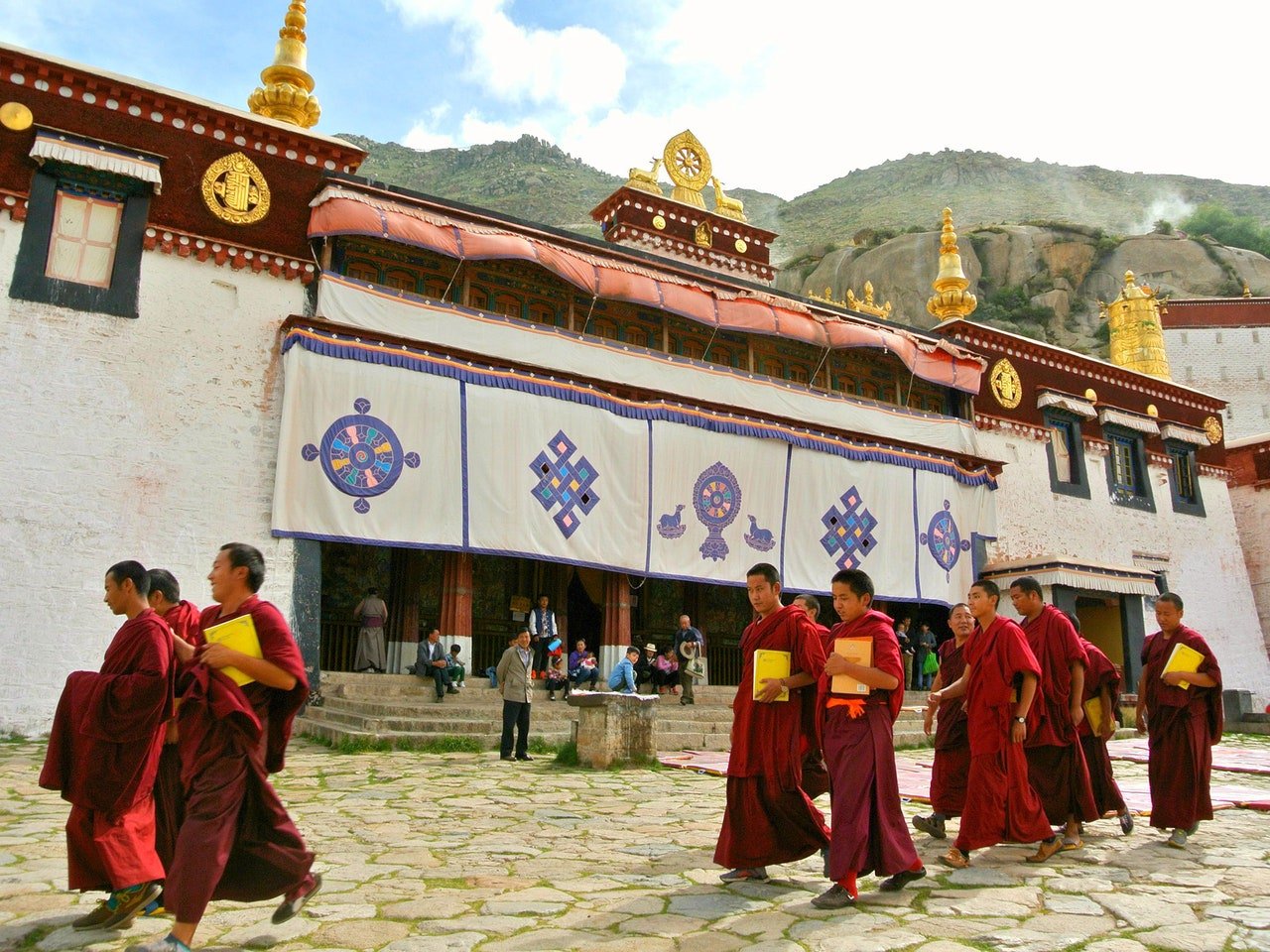
Tibet combines raw natural beauty with profound cultural depth. Ancient monasteries echo with chanting monks, prayer flags flutter across mountain passes, and sacred lakes reflect skies of impossible blue.
Whether you arrive by train, road, or bike, the journey itself becomes a defining part of your story. Every kilometer reveals landscapes that feel untouched by time.
Choosing Your Route to Tibet: A Traveler’s Comparison Guide
Selecting the right route can shape your entire Tibet experience. Here’s what to expect from the major highways.
Sichuan–Tibet Highway: Legendary Views and Gradual Ascent
Beginning in Chengdu, this route climbs steadily toward the plateau, often exceeding 4,000 meters while passing through dense forests that help ease altitude adaptation.
What makes it special:
- Spectacular alpine scenery
- Numerous towns with diverse food options
- Rich blend of Tibetan and regional cultures
- Ideal for self-drive exploration
Travel tip: Weather can change quickly—waterproof gear is essential for protecting electronics and clothing.
Yunnan–Tibet Highway: A Cultural Mosaic
Running from Dali to Mangkang, this route offers a fascinating journey through regions inhabited by multiple ethnic groups, creating a vibrant cultural landscape.
Key considerations:
- Generally good road conditions south of Deqin
- Increased risk of landslides beyond certain sections
- Infrastructure continues to improve
For travelers interested in culture as much as scenery, this route delivers both.
Qinghai–Tibet Highway: Direct and Reliable
Starting in Golmud, this is the most straightforward overland route to Tibet.
Why travelers choose it:
- Well-maintained roads
- Frequent fuel and food stops
- Opportunities to spot plateau wildlife
- Gentle terrain compared to other routes
However, the elevation rises quickly, so proper rest and hydration are essential.
Xinjiang–Tibet Highway: Remote, Rugged, and Rewarding
Often described as the ultimate overland challenge, this route crosses vast, sparsely populated regions with limited services.
Best suited for:
- Experienced overlanders
- Adventure seekers
- Travelers comfortable with extreme conditions
The stretch between Shiquanhe and Yecheng is particularly demanding, traversing high passes and isolated landscapes beneath the towering Karakoram Mountains.
Though less traveled, the rewards include sacred peaks, remote lakes, and the haunting remains of the ancient Guge Kingdom.
Who Should Think Twice Before Traveling to Tibet?
Tibet’s high-altitude environment can be physically demanding. While many visitors adjust without difficulty, certain individuals should carefully evaluate the risks before planning a trip.
Those who should seek medical advice before traveling include:
- People with heart or cerebrovascular conditions
- Individuals with chronic respiratory illnesses
- Travelers with epilepsy or uncontrolled diabetes
- Anyone with a history of severe altitude sickness
- High-risk pregnant travelers
- Those currently experiencing fever, severe colds, or respiratory infections
Prioritizing health ensures a safer and more enjoyable journey.
Preparing for Your Tibet Adventure
Thoughtful preparation can make the difference between a challenging trip and a deeply rewarding one.
Physical Preparation
Rest before departure: Adequate sleep helps your body handle altitude changes more effectively.
Some travelers begin taking Rhodiola rosea, a traditional herbal supplement, about a week before arrival to support acclimatization. However, those with serious hypertension or heart disease should avoid high-altitude travel altogether.
Be honest about your health. If you are over 60 or have underlying conditions, inform your travel companions and plan accordingly.
Mental Preparation
A positive mindset plays a surprisingly important role at high elevations. Mild symptoms such as headaches, shortness of breath, or insomnia are common during the first few days but often improve as your body adapts.
Staying relaxed, hydrated, and patient can significantly ease the adjustment period.
Clothing Guide: Dress for Intense Sun and Sudden Temperature Drops
Tibet’s strong UV exposure and dramatic temperature swings require strategic packing.
Recommended clothing:
- Layered outfits
- Sweaters and insulated jackets
- Thermal pants in colder seasons
- Durable hiking or trekking shoes
Even on sunny days, temperatures can drop quickly after sunset.
Essential Packing List for Tibet
Preparation is key when traveling in remote, high-altitude environments.
Must-have items include:
- Sunglasses and high-SPF sunscreen (50+)
- Sun hat and lip balm
- Cold and gastrointestinal medicine
- Pain relievers and glucose supplements
- Power banks and spare camera batteries
- Memory cards for photography
- Wet wipes and personal hygiene products
- Valid ID, bank cards, cash, and mobile phone
If possible, carry a global SIM card to maintain connectivity during your journey.

How to Prevent and Alleviate Altitude Sickness in Tibet: A Practical Travel Guide
Traveling to Tibet is an extraordinary experience, but the region’s high elevation presents a challenge many visitors must prepare for—altitude sickness. With much of Tibet sitting above 3,500 meters, understanding how to prevent and manage altitude-related symptoms is essential for a safe and enjoyable journey.
Proper preparation, smart pacing, and awareness of your body can make all the difference between discomfort and an unforgettable adventure.
Preventing Altitude Sickness Before You Travel
Prevention is always better than treatment when it comes to altitude sickness. Preparing your body before entering high-altitude regions significantly improves your ability to adapt.
Consult a Medical Professional
Several medications can help reduce the risk of altitude sickness. Before your trip, speak with a doctor or pharmacist to determine which option is best suited to your health condition.
Consider Rhodiola Rosea
Rhodiola rosea, a traditional herbal supplement, is widely used by travelers heading to high-altitude destinations. It comes in capsules, oral liquids, and dried roots that can be brewed into tea.
Best practice:
Start taking preventive supplements 7–10 days before arriving in Tibet, as their effectiveness is lower once symptoms begin.
Build Your Physical Readiness
While extreme fitness is not required, maintaining good overall health helps your body respond better to reduced oxygen levels.
Helpful habits include:
- Getting adequate sleep before departure
- Staying hydrated
- Avoiding excessive alcohol
- Maintaining balanced nutrition
How to Alleviate Altitude Sickness Symptoms
Even with thorough preparation, mild altitude sickness can still occur. Recognizing symptoms early and responding appropriately can prevent them from worsening.
Recommended Medications
Some travelers find relief with:
- American ginseng
- Inosine tablets
- Compound glycyrrhizin oral liquid
- Paracetamol (for headaches)
- Glucose supplements
Always consult a healthcare provider before taking any medication.
Prioritize Rest Over Activity
Once symptoms appear, your body needs time to adjust.
What helps most:
- Reduce physical exertion
- Eat light, easy-to-digest meals
- Sleep adequately
- Move slowly and avoid sudden effort
Oxygen support may provide temporary relief in severe cases, but it should not replace proper acclimatization.
Stay Relaxed and Positive
Mental state plays a surprisingly important role. Anxiety can intensify symptoms such as shortness of breath or chest tightness. Maintaining a calm, cheerful mindset often helps your body adapt more efficiently.
What to Do Immediately After Arriving in Tibet
Your first 24 hours are crucial for acclimatization.
Slow Down Your Schedule
Resist the temptation to begin sightseeing immediately. Instead, spend your first day resting at your hotel and exploring only nearby areas if you feel comfortable.
Avoid Bathing on Day One
Hot showers can increase blood circulation and strain your cardiovascular system at high altitude. Waiting a day allows your body to stabilize.
Expect Dry Air
Tibet’s climate is extremely dry, and some travelers experience nosebleeds. Using doctor-recommended nasal lubricants can help prevent irritation.
Hydrate and Eat Light
Drink plenty of water and choose simple meals to support your body’s adjustment process.
Dining and Cuisine in Lhasa: Where Culture Meets Flavor
As Tibet’s capital, Lhasa offers the region’s widest range of dining and accommodation options. The city blends traditional Tibetan flavors with Sichuan, Nepalese, Indian, and even Western cuisine.
Western-style cafes and restaurants are mainly concentrated along Beijing Road, a popular area for international travelers.
For a deeper cultural experience, visiting local Tibetan restaurants and sweet tea houses is highly recommended.
Must-Try Tibetan Foods
Tibetan cuisine is hearty and shaped by the plateau’s climate. Popular dishes include:
- Dried yak meat
- Tibetan cheese cakes
- Ginseng fruit cakes
- Fried beef and spicy tripe
- Tibetan sausages
- Stewed or steamed lamb
Staple foods you should not miss:
- Yak butter tea
- Cheese dumplings
- Tibetan buns
- Handmade noodles
- Fried dough snacks
These flavors are distinct from mainland Chinese cuisine and offer an authentic taste of plateau life.
Accommodations Along the Sichuan–Tibet Highway
Travelers journeying via the famous Sichuan–Tibet Highway will find accommodations readily available throughout counties, towns, and villages.
Options range from:
- Comfortable modern hotels
- Boutique guesthouses
- Family-run inns
Whether you are self-driving, cycling, or traveling overland, finding a place to rest is rarely a concern along this well-traveled route.
Major Attractions in Tibet: Must-Visit Destinations
Tibet is a land where spiritual heritage meets dramatic natural beauty. Each region offers something unique, from sacred monasteries to remote wilderness.
Lhasa — The Spiritual Heart of Tibet
Potala Palace
An architectural masterpiece and former residence of the Dalai Lama, dominating the Lhasa skyline.
Jokhang Temple
One of the holiest sites in Tibetan Buddhism, drawing pilgrims from across the plateau.
Barkhor Street
A lively pilgrimage circuit filled with traditional shops and local culture.
Norbulingka
The Dalai Lama’s historic summer palace, surrounded by tranquil gardens.
Tibet Museum
An excellent place to gain deeper insight into Tibetan history and artistic traditions.
Great Monastic Seats:
- Sera Monastery
- Drepung Monastery
- Ganden Monastery
Namtso Lake
A breathtaking sacred lake known for its vivid blue waters and expansive views.
Nyingchi — Tibet’s Natural Wonderland
Often called the most scenic region in eastern Tibet, Nyingchi surprises visitors with forests and river valleys.
Highlights include:
- Basum Lake – crystal-clear waters framed by mountains
- Giant Cypress Nature Reserve – home to ancient towering trees
- Lulang Forest – nicknamed the “Dragon King’s Forest”
- Mount Namcha Barwa – one of the Himalayas’ most dramatic peaks
- Yarlung Tsangpo Grand Canyon – recognized as the deepest canyon on Earth
Shigatse — Gateway to the Himalayas
Shigatse blends religious importance with proximity to the world’s tallest mountains.
Top sites include:
- Tashilhunpo Monastery – traditional seat of the Panchen Lama
- Mount Everest (North Face) – accessible from the Tibetan side
- Mount Shishapangma – among the fourteen peaks exceeding 8,000 meters
- Sakya Monastery – famed for its vast collection of scriptures and murals
Shannan — Birthplace of Tibetan Civilization
Rich in early Tibetan history, Shannan is home to some of the region’s oldest landmarks.
- Yumbulagang Palace – believed to be Tibet’s first palace
- Yamdrok Lake – one of Tibet’s three sacred lakes
- Samye Monastery – the first Buddhist monastery established in Tibet
Chamdo — Where History Meets Untamed Landscapes
Located in eastern Tibet, Chamdo offers a compelling mix of archaeology and nature.
- Ranwu Lake – serene waters ideal for photography
- Karub Ruins – evidence of early human settlement
- Galden Jampaling Monastery – an important religious center
Nagqu — The Wild Northern Plateau
Remote and largely untouched, Nagqu appeals to travelers seeking raw wilderness.
- Xiangxiong Kingdom Ruins – remnants of an ancient Tibetan civilization
- Qiangtang Nature Reserve – vast grasslands inhabited by rare wildlife
Ngari — Tibet’s Sacred Western Frontier
Ngari is often described as Tibet in its purest form—remote, spiritual, and awe-inspiring.
- Guge Kingdom Ruins – mysterious remnants of a once-powerful empire
- Mount Kailash – sacred to multiple religions
- Lake Manasarovar – one of the highest freshwater lakes in the world
This region attracts pilgrims, adventurers, and seekers of profound landscapes.