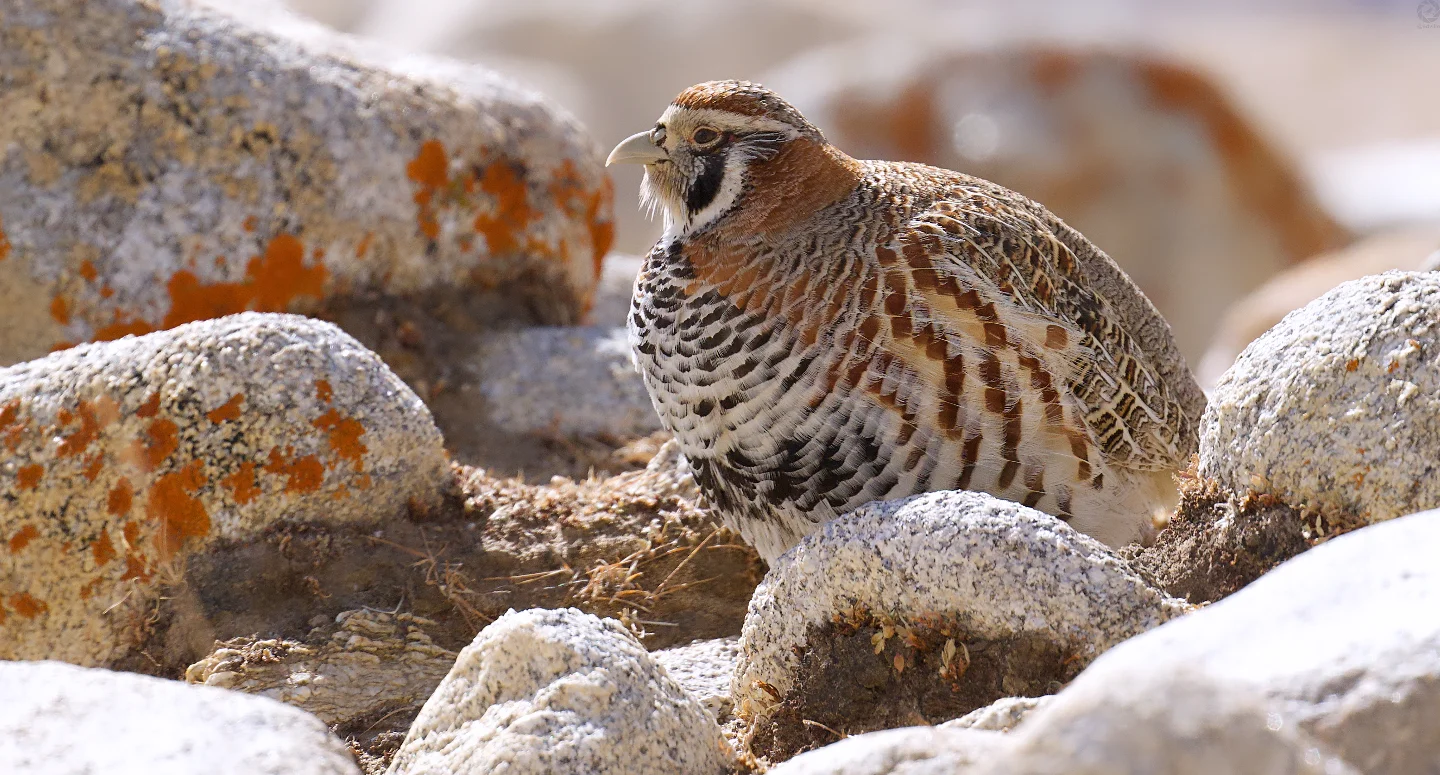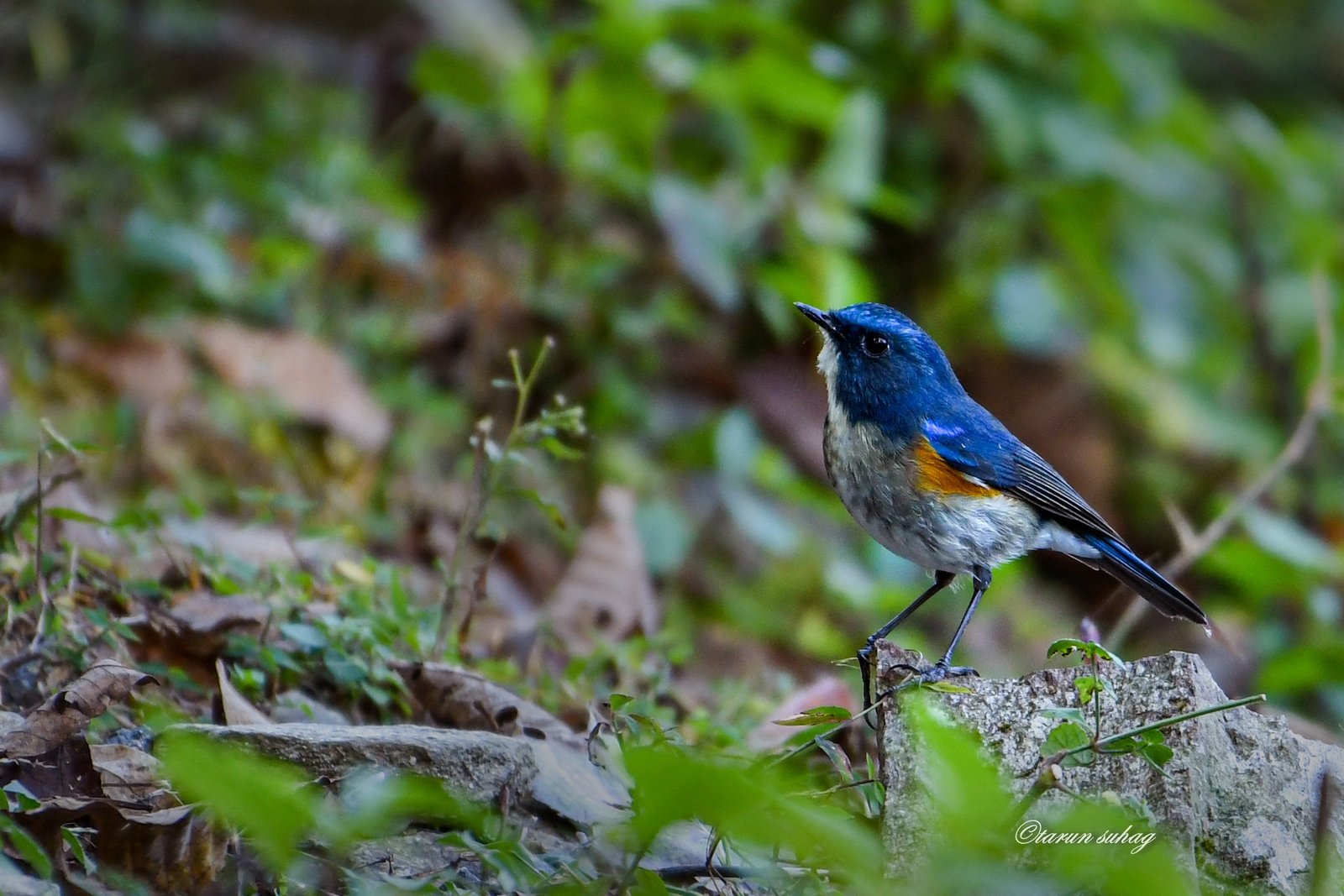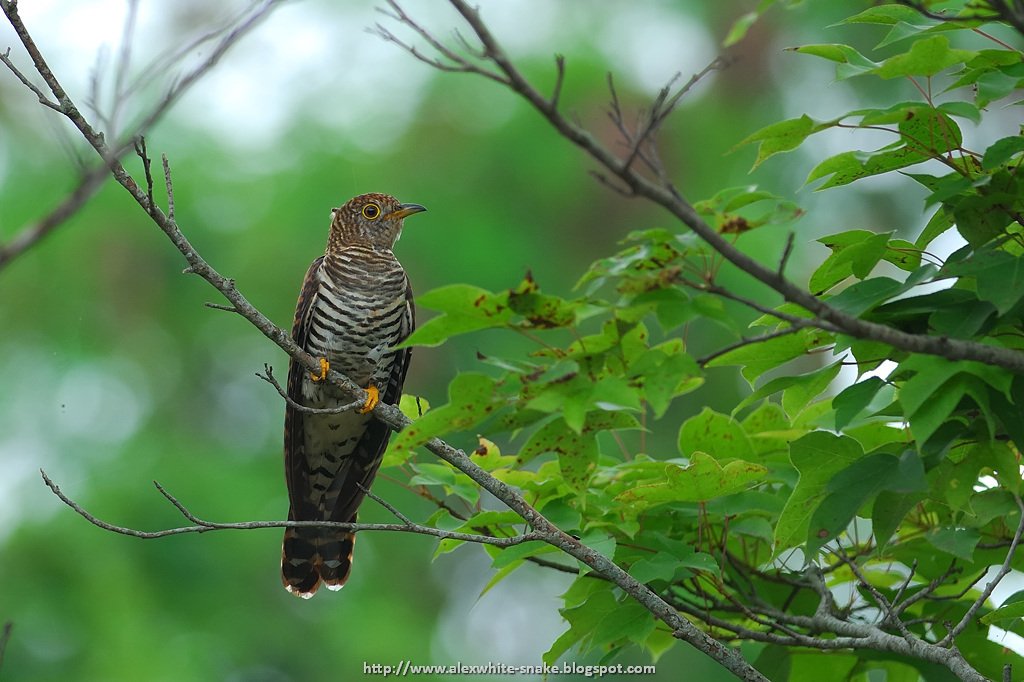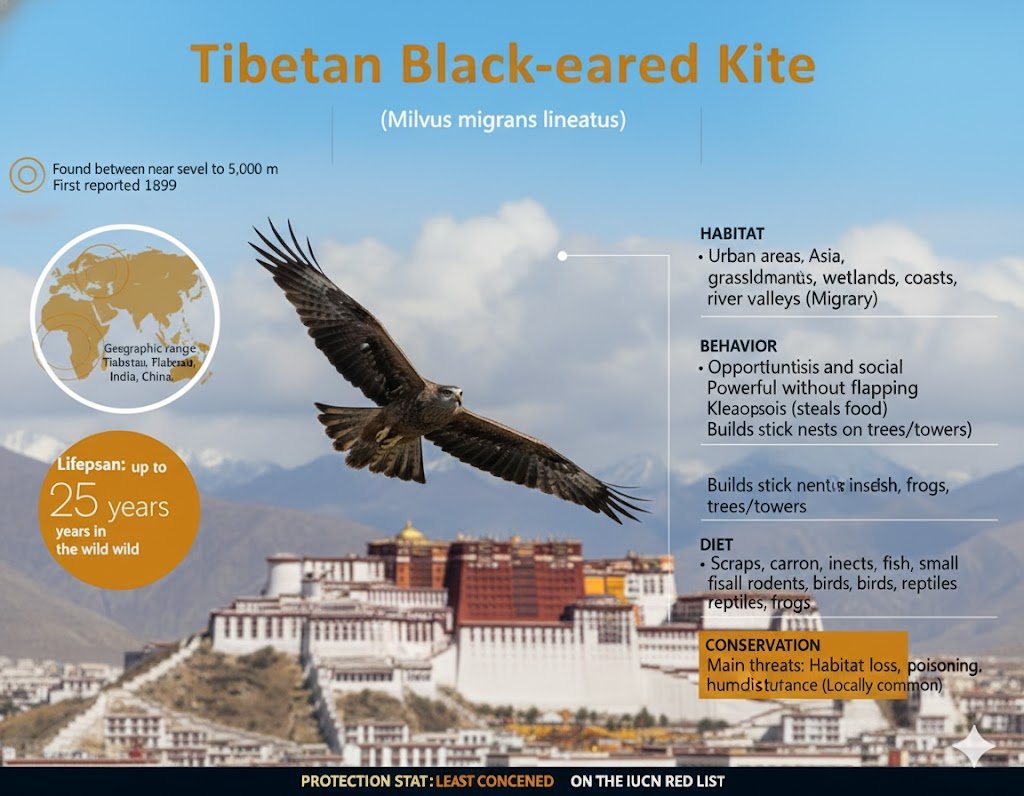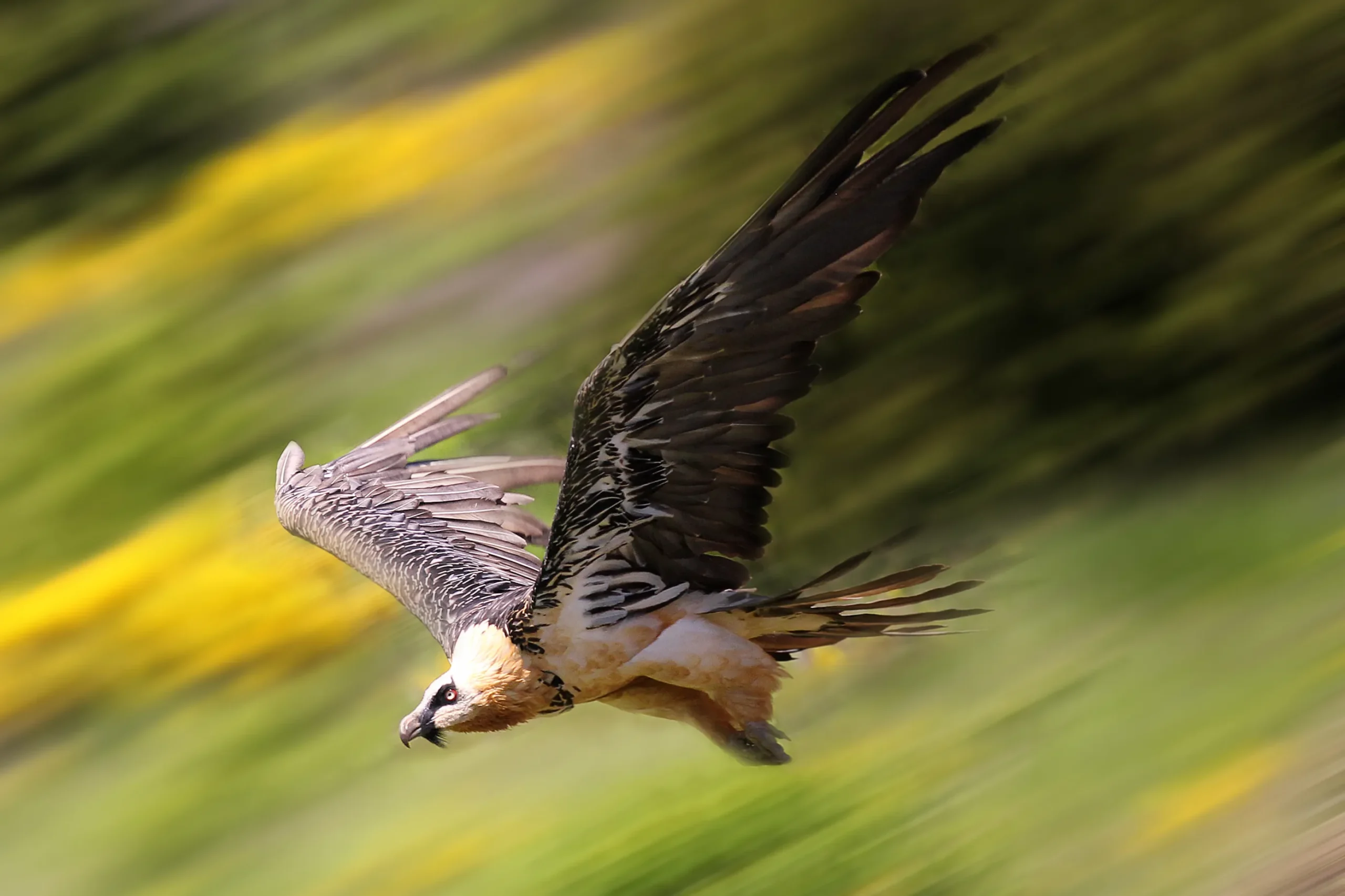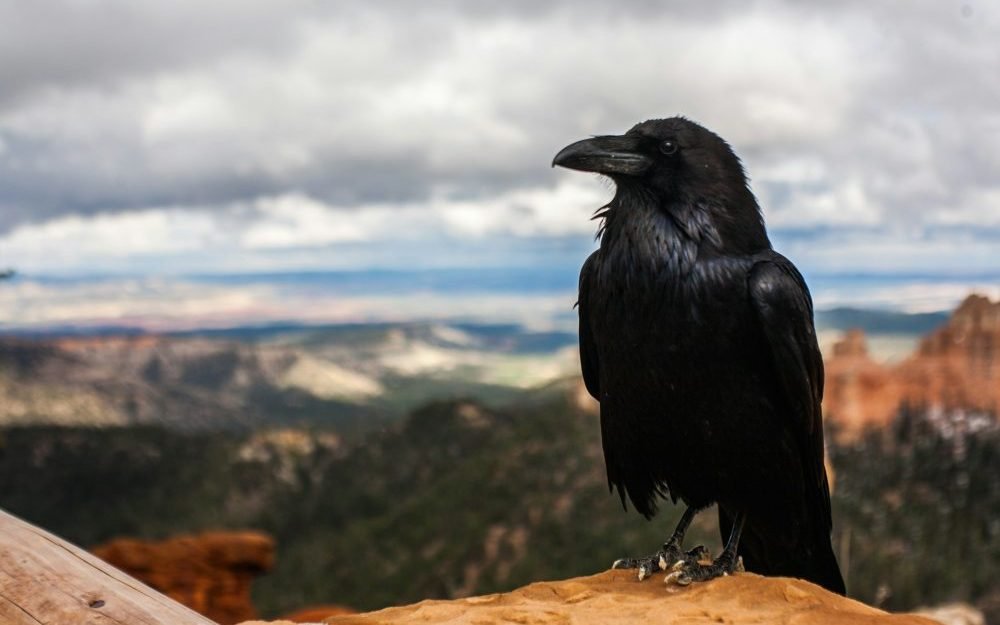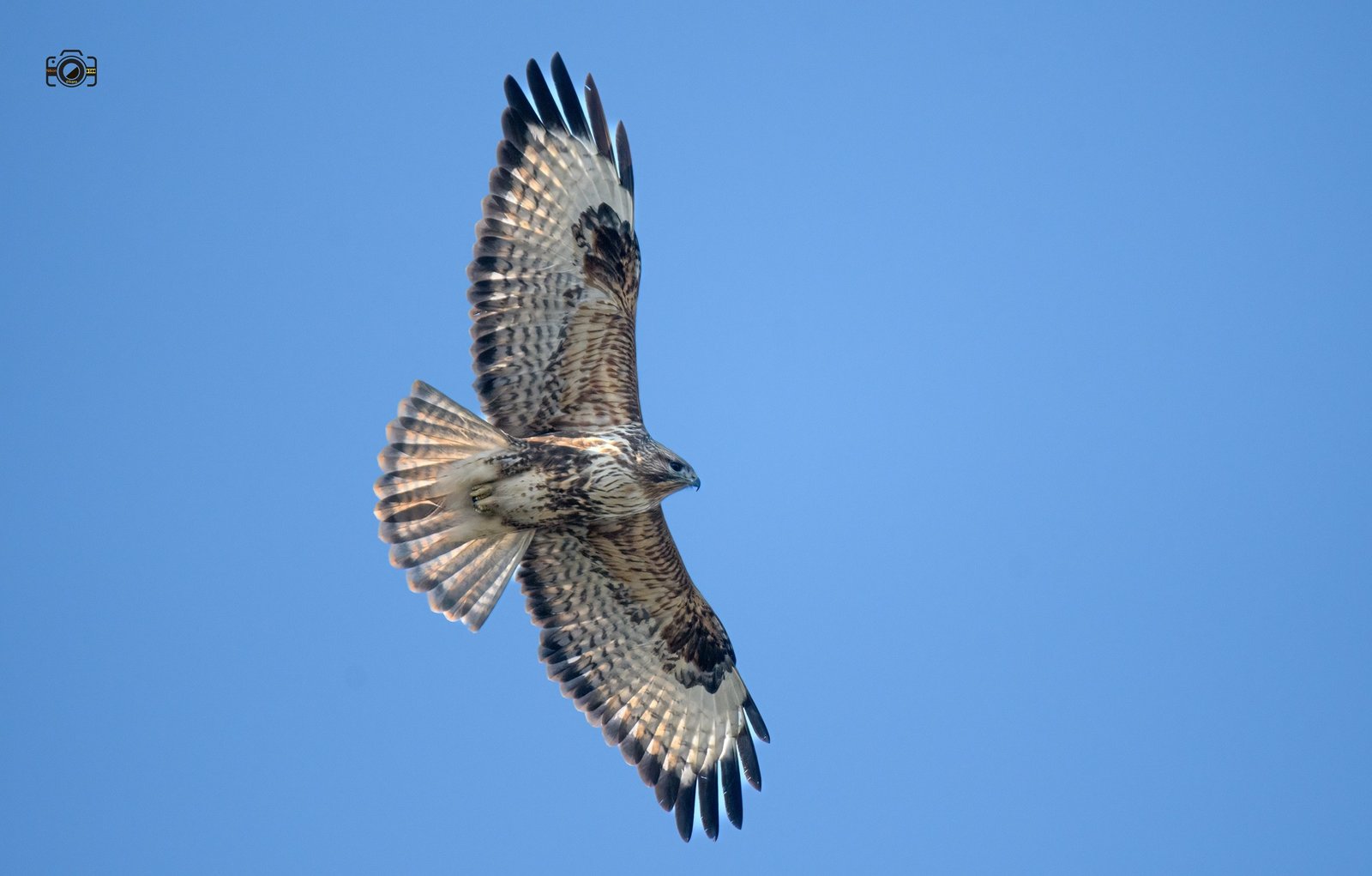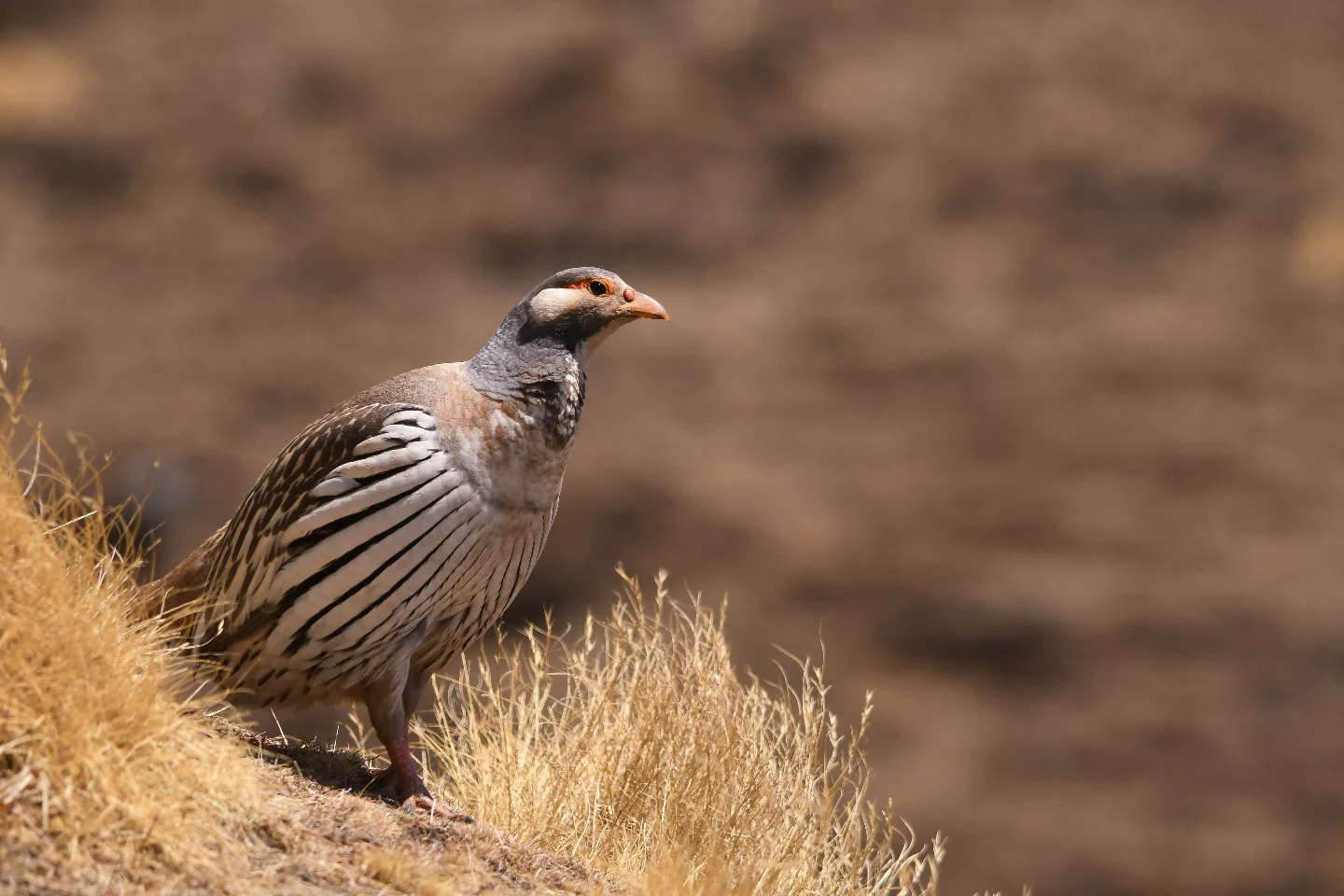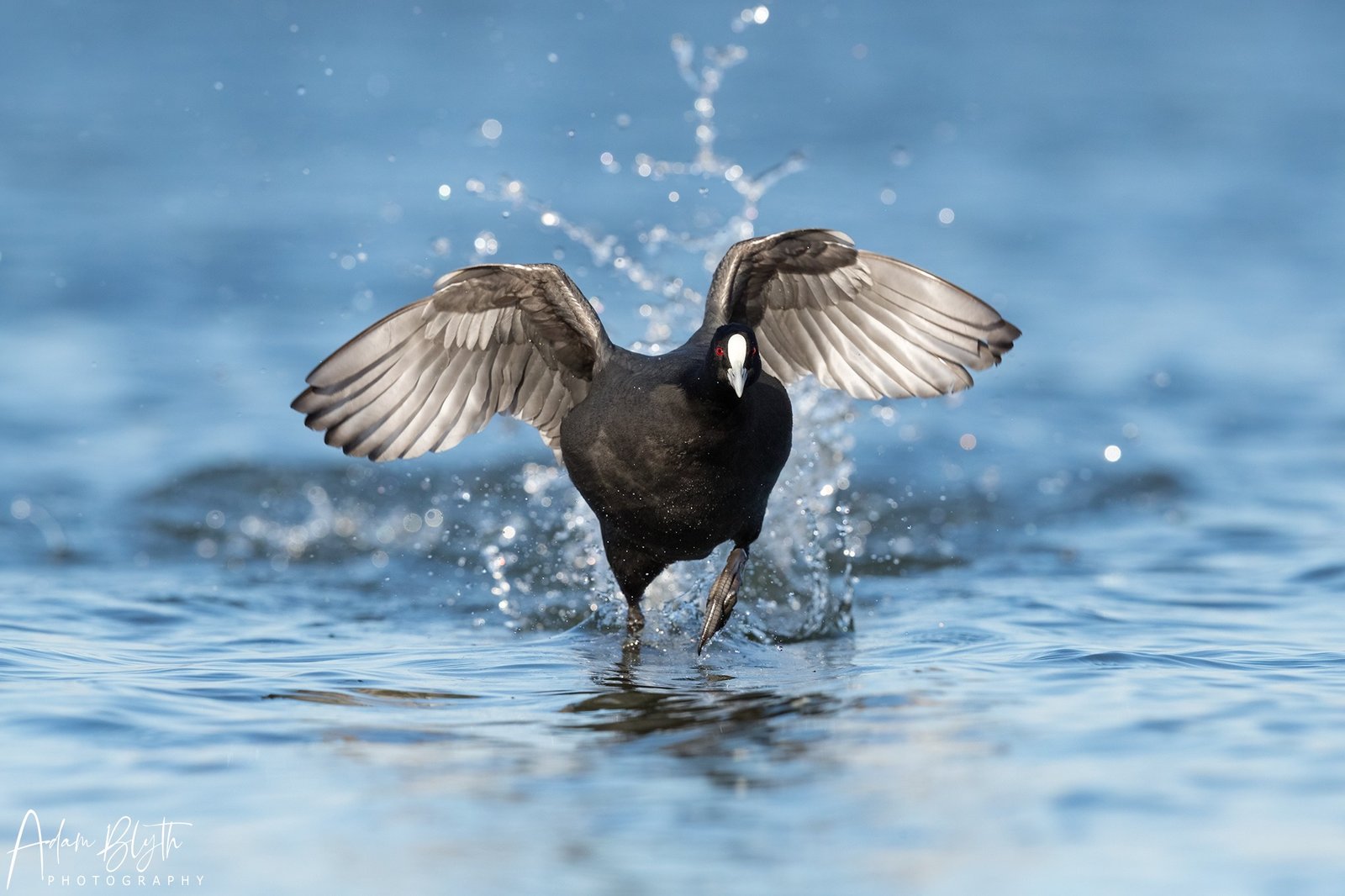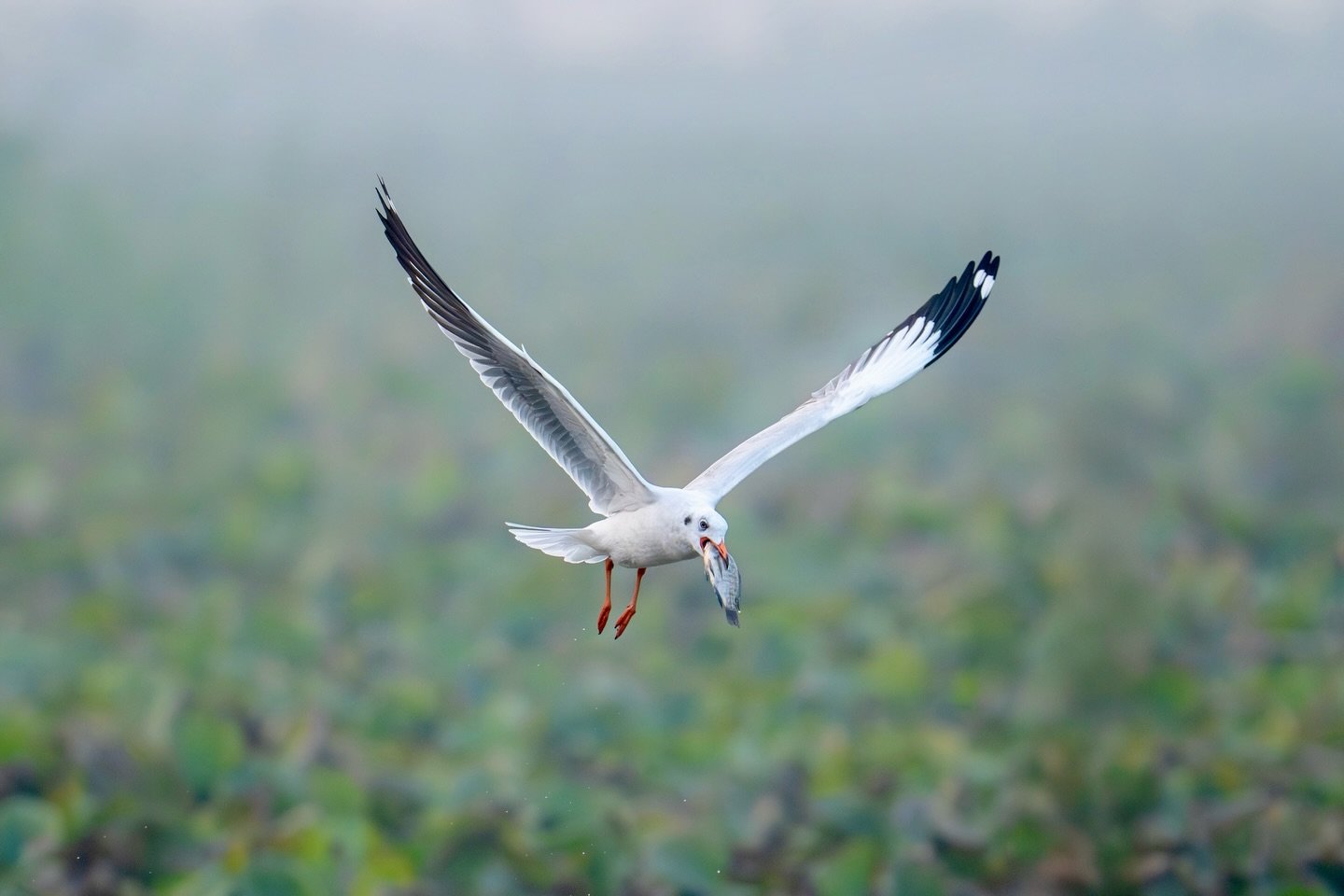

Tibet’s vast landscapes may appear stark and silent at first glance, but a closer look reveals a vibrant world shaped by resilient birdlife. From the shimmering blues of alpine robins to the commanding wingspan of high-altitude raptors, birds bring motion, color, and ecological balance to the Tibetan Plateau.
More than beautiful inhabitants, these avian species are essential to the region’s fragile ecosystem. They pollinate plants, disperse seeds, regulate pests, and act as sensitive indicators of environmental health. In a land increasingly affected by climate change, habitat shifts, and overgrazing, monitoring bird populations helps scientists understand broader ecological transformations—particularly in protected regions such as the Changtang Nature Reserve.
Simply put, birds are the living heartbeat of Tibet.
The Ecological Importance of Birds on the Tibetan Plateau
Birds function as keystone species, supporting biodiversity across one of the world’s highest ecosystems.
- Raptors, including vultures and eagles, remove carrion and help prevent disease.
- Waterfowl aerate wetlands, encouraging aquatic life to thrive.
- Songbirds spread seeds that sustain alpine vegetation.
Because these species respond quickly to environmental change, their population trends often mirror the health of the plateau itself. When bird numbers fluctuate, it signals that the ecosystem is shifting.
For travelers interested in wildlife, understanding birdlife adds deeper meaning to every lake, marsh, and mountain valley you encounter.
A Natural Sanctuary Shaped by Tibetan Culture
For centuries, Tibet has acted as an unofficial wildlife sanctuary. Traditional reverence for life—rooted in both Bön traditions and Tibetan Buddhism—discouraged hunting and promoted coexistence with nature.
This cultural protection created what many naturalists describe as an evolutionary “handshake” between humans and wildlife. Unlike in heavily hunted regions, many Tibetan birds display curiosity rather than fear when encountering people.
British diplomat Hugh E. Richardson, who lived in Lhasa during the mid-20th century, famously observed more than 50 bird species within just 100 yards of his residence—proof of the region’s remarkable biodiversity.
Even today, this sense of harmony can still be experienced in many parts of Tibet, though sustainable travel practices are increasingly important as tourism grows.
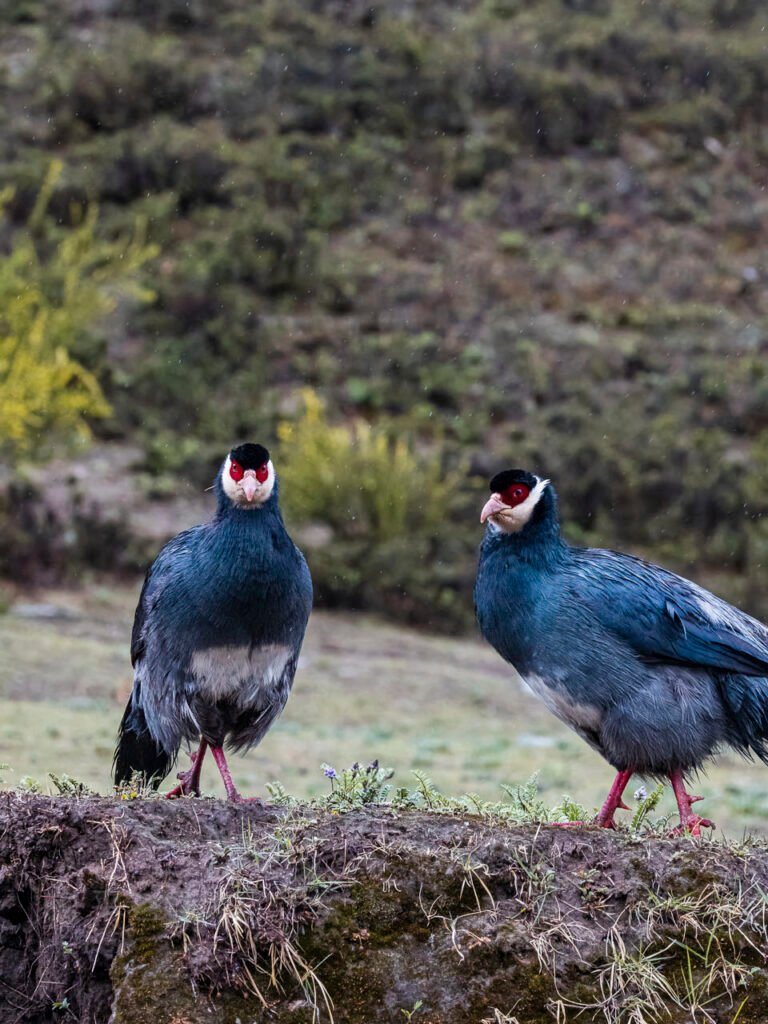
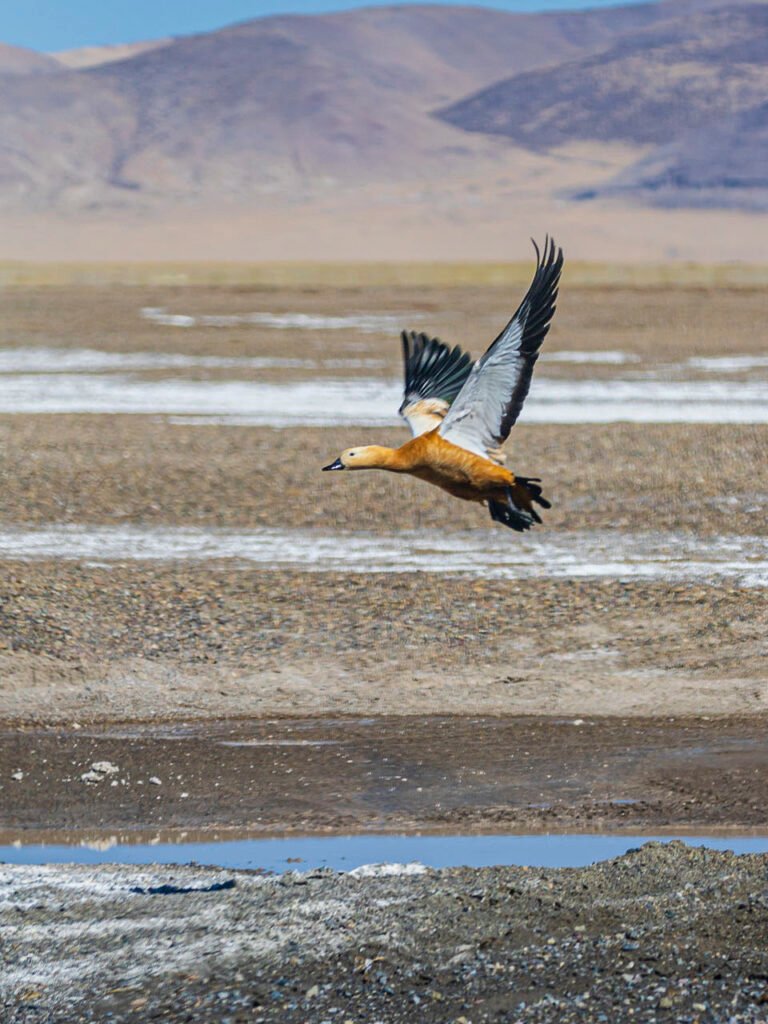
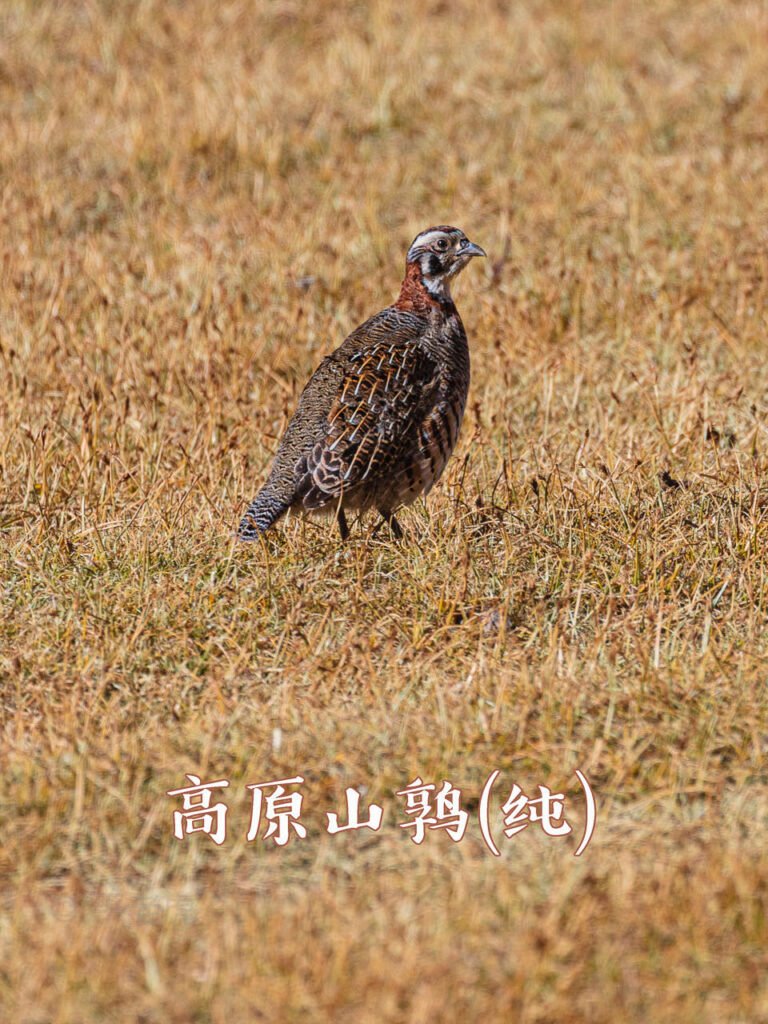
The “Domesticated” Wild: Bar-Headed Goose and Ruddy Shelduck
Along Tibet’s lakeshores and wetlands, two species stand out as icons of high-altitude birdlife.
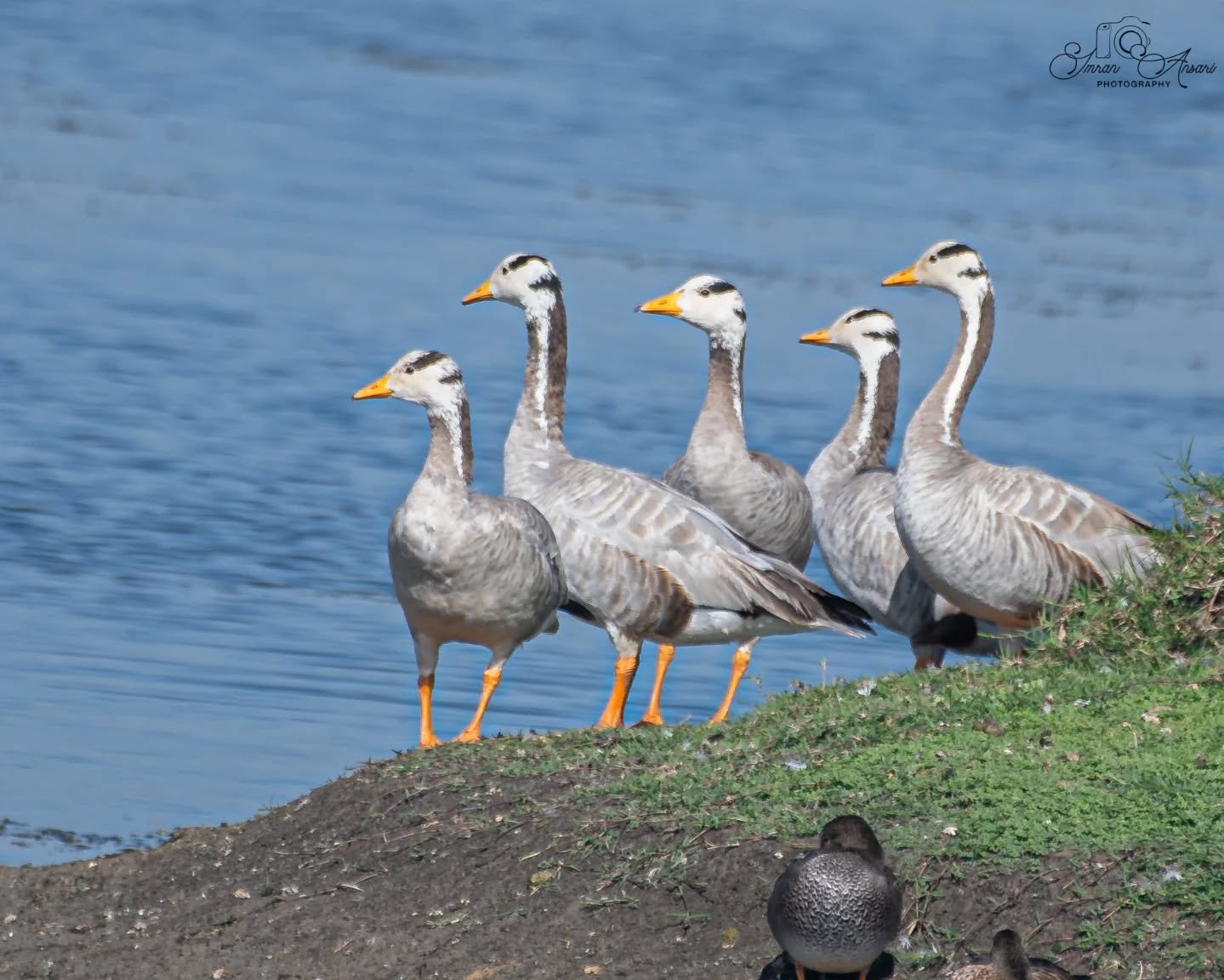
Bar-Headed Goose (Anser indicus)
Known as the highest-flying bird in the world, the bar-headed goose can soar over the Himalayas thanks to specialized hemoglobin that efficiently absorbs oxygen in thin air.
In Tibetan culture, these graceful birds symbolize elegance and endurance. Visitors often spot them nesting near high-altitude lakes or gliding peacefully across reflective waters.
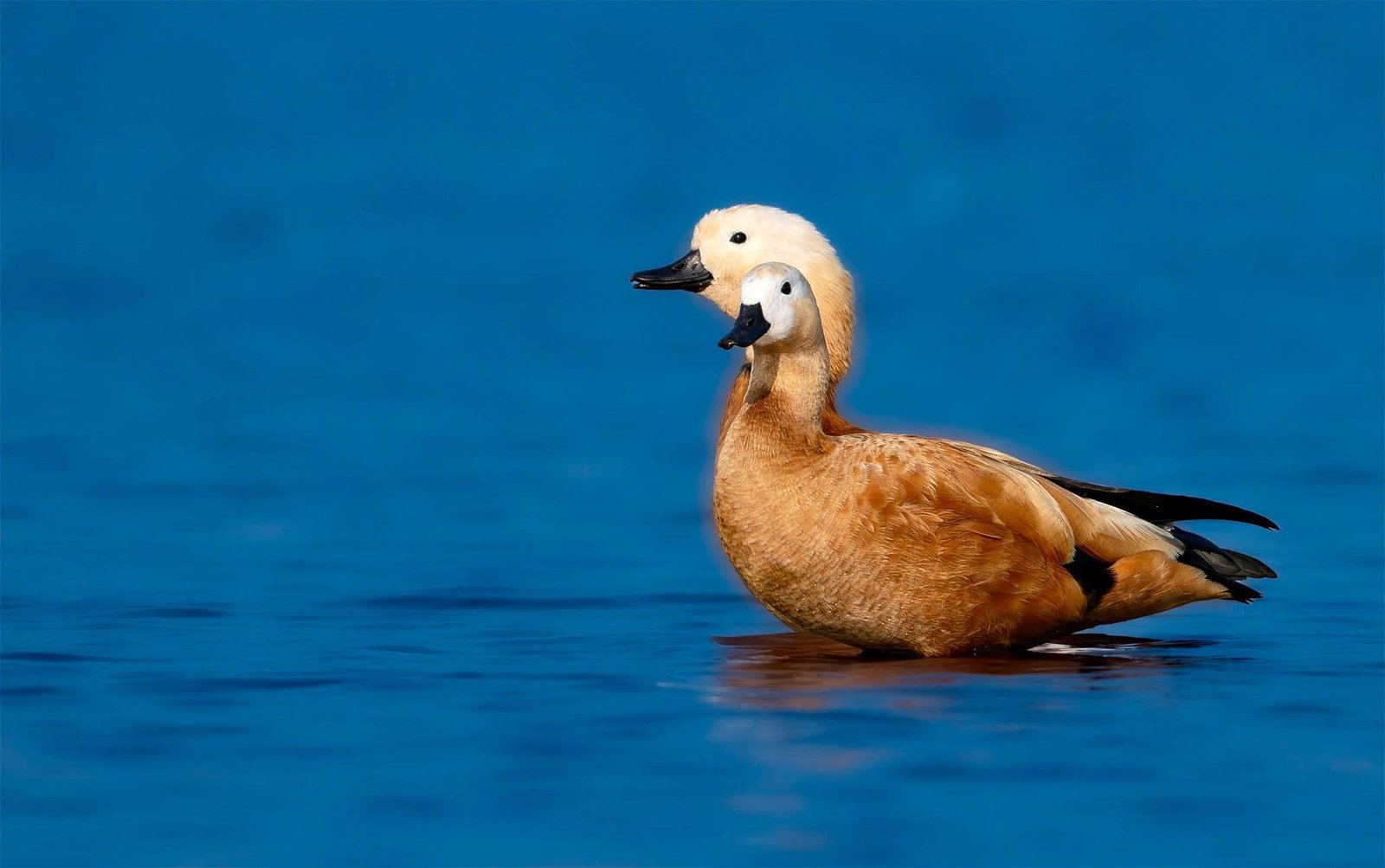
Ruddy Shelduck (Tadorna ferruginea)
Called “Angpa” by locals, this striking orange duck is considered sacred in many communities.
Its loud, trumpet-like calls echo across marshlands, often serving as a natural alarm system for other wildlife—and occasionally surprising unsuspecting travelers moving quietly through the reeds.
Together, these birds define the rhythm of Tibetan wetlands.
Masters of the Water: White-Tailed Eagle and Osprey
Seeing massive fishing raptors far from the ocean is one of Tibet’s most unexpected wildlife experiences.
White-Tailed Eagle
Often referred to historically as the “white-headed fishing eagle,” this formidable predator dominates Tibetan lakes. Feeding on fish and waterbirds, it plays a crucial role in maintaining ecological balance.
Osprey
A true specialist, the osprey performs dramatic feet-first dives into icy glacial waters. Its presence signals healthy fish populations in famous lakes such as Namtso and Yamdrok.
For birdwatchers, witnessing these hunters in action is unforgettable.
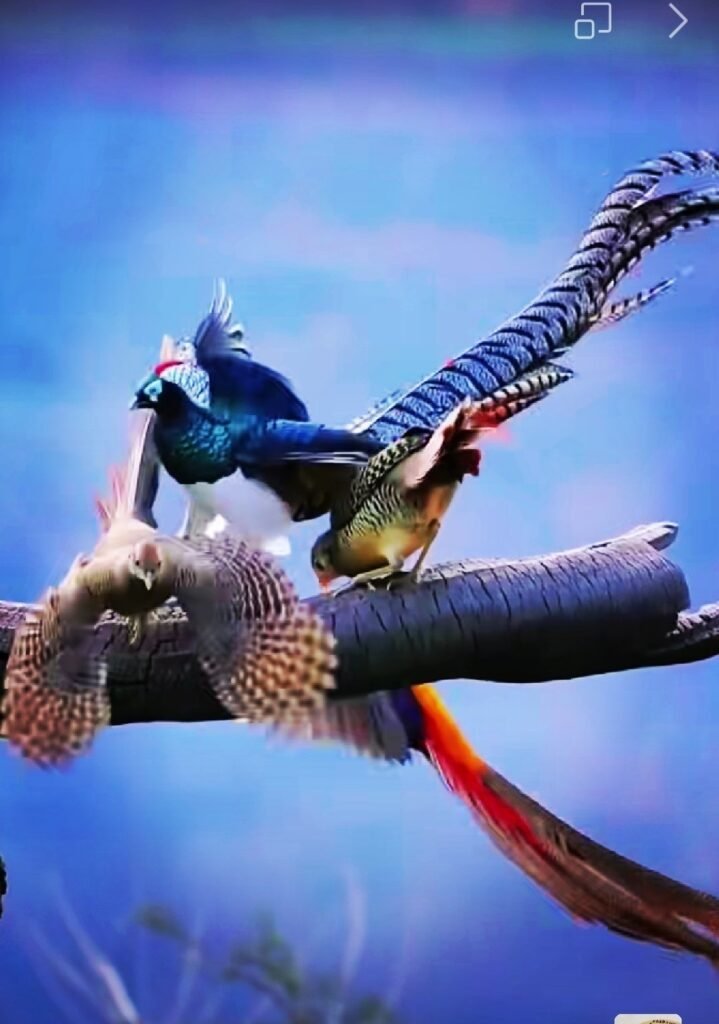
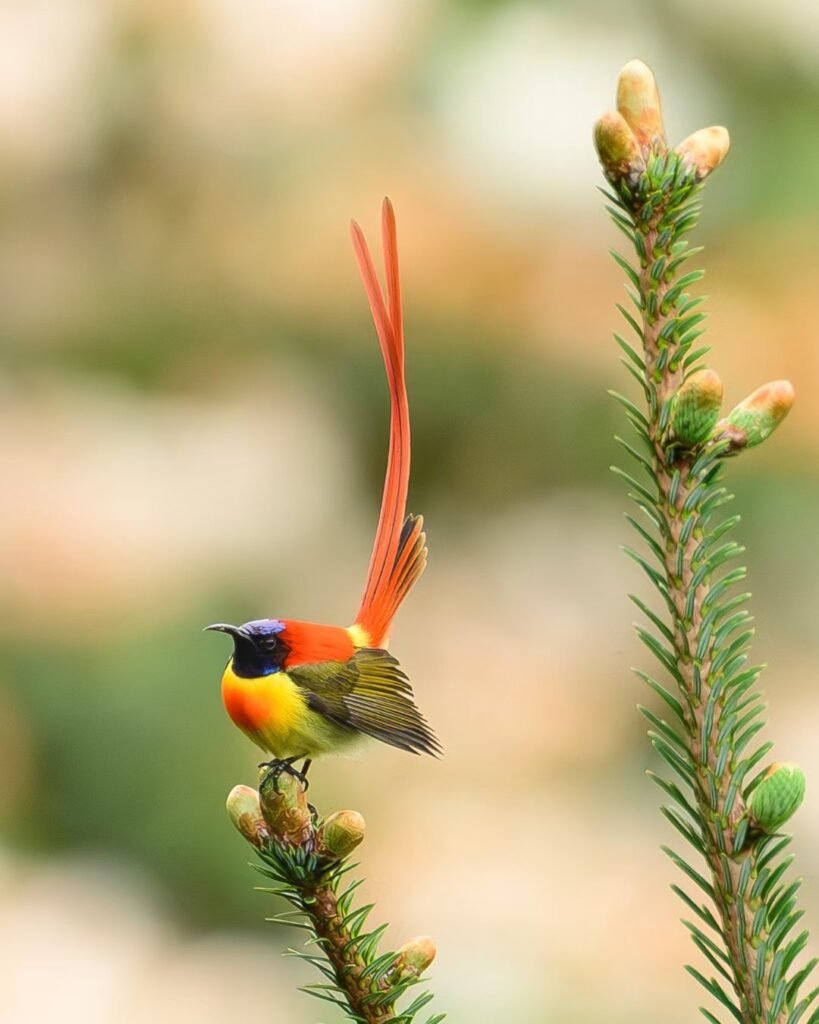
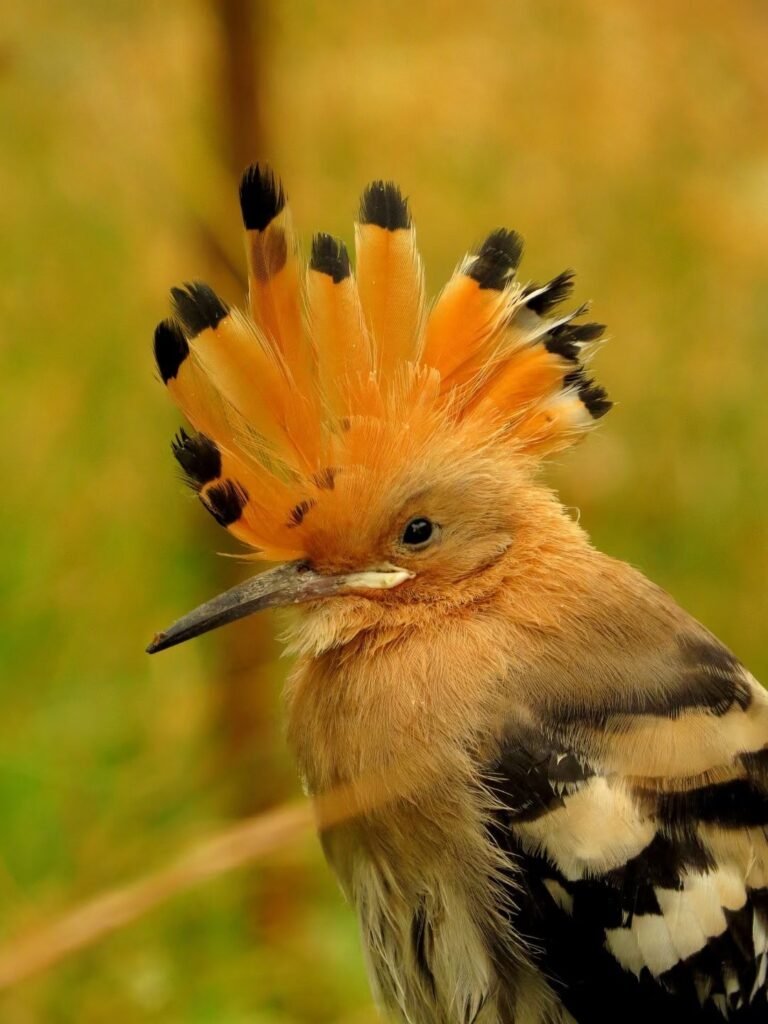
Mountain Jewels: Rosefinches and Tit-Warblers
While raptors command the skies, smaller birds bring bursts of color to Tibet’s rocky terrain.
Rosefinches
Often described as “mountain jewels,” male rosefinches glow in shades of crimson and pink, resembling petals scattered across alpine slopes.
Tit-Warblers
Tiny yet remarkably hardy, tit-warblers dart through scrublands even in freezing temperatures. Their energy and adaptability perfectly reflect the resilience required to survive at altitude.
The Tibetan Plateau as an Ecological Mirror
Because birds are highly sensitive to environmental change, they function as early warning signals for global climate trends.
| Bird Type | Ecological Role | Environmental Sensitivity |
|---|---|---|
| Cranes & Ducks | Maintain wetland health | Sensitive to glacier melt and water levels |
| Raptors | Balance prey populations | Reflect small mammal abundance |
| Finches & Warblers | Disperse seeds | Indicate alpine plant health |
Observing these species is not just about wildlife—it is about understanding the future of fragile mountain ecosystems.
A Land Where Birds Know No Fear
Historically, Tibet’s minimal hunting pressure fostered an unusual trust between birds and humans.
Bar-headed geese that remain cautious along crowded rivers elsewhere often fly calmly overhead in Tibet. Ruddy shelducks have been known to wander near villages like familiar neighbors.
This rare closeness offers modern travelers a glimpse into a world where the boundary between humanity and nature remains beautifully intact.
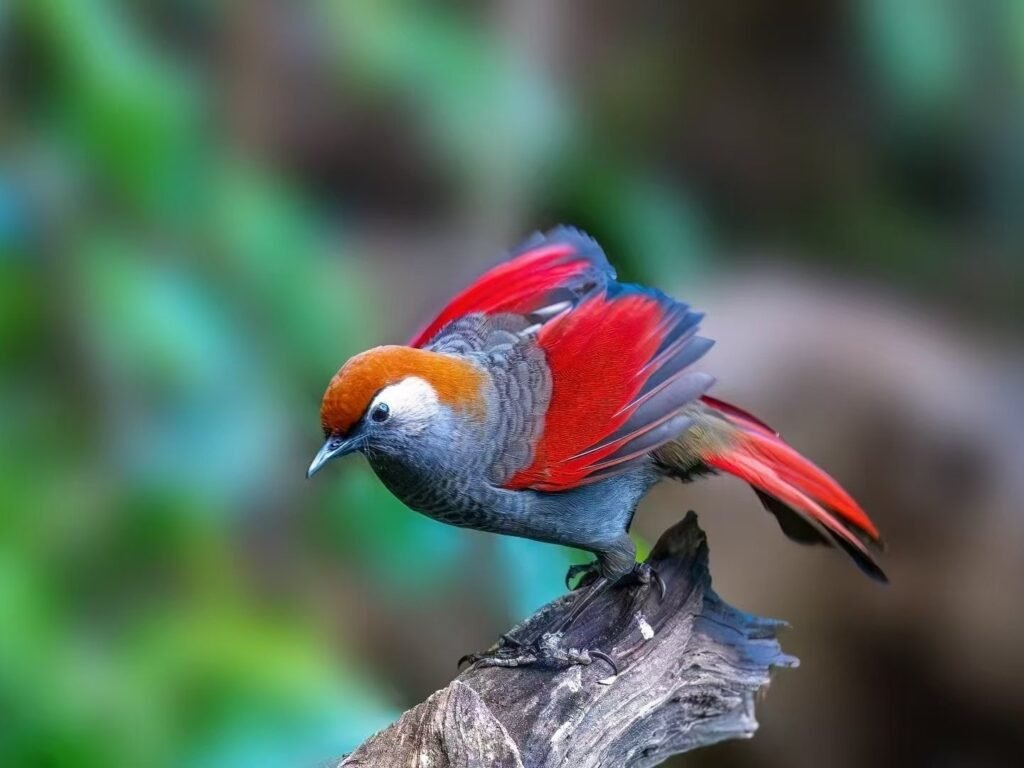
Notable Birdlife Around Lhasa
The wetlands, rivers, and groves surrounding Lhasa form a surprising biodiversity hotspot. Below are some remarkable species and where to spot them.
Fishing Eagles
Example: Pallas’s Fish Eagle
- Large raptor with powerful talons
- Helps maintain wetland balance
- Best seen along Lhasa River banks and Hutoushan Reservoir during clear mornings
Ospreys
- Sleek fish hunters with hovering dives
- Indicators of clean waterways
- Look for them near Lalu Wetland or stretches of the Lhasa River
Ducks and Cranes
Examples: Ruddy Shelduck, Black-Necked Crane
- Sacred symbols often seen in winter valleys
- Active in shallow waters at Zongjiao Lukang Park and Lalu Wetland
Waders: Greenshanks and Redshanks
- Long-legged migratory birds probing mudflats for invertebrates
- Best spotted during early spring thaw along riverbanks
Sandpipers and Terns
- Shoreline specialists that help control insect populations
- Watch for bobbing movements and quick dives near ponds
Rosefinches and Redstarts
- Bright plumage adds color to urban gardens
- Frequently heard in Norbulingka and nearby green spaces
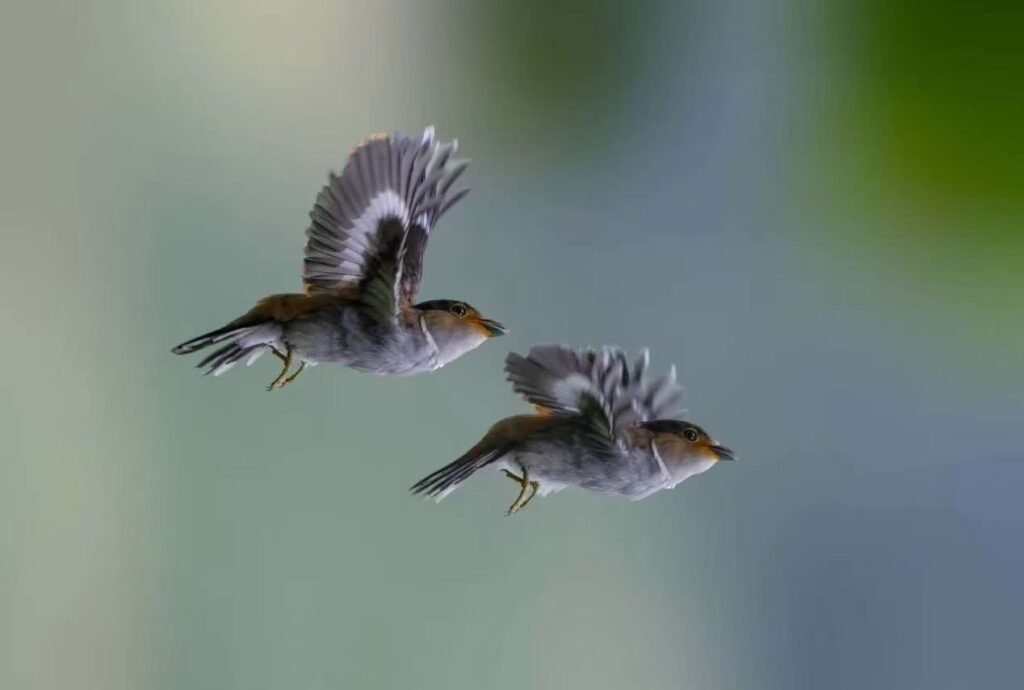
Tit-Warblers
Example: White-browed Tit-Warbler
- Endemic to the plateau
- Often found in scrubby hills near Sera Monastery
Birdwatching in Lhasa: Winter Travel Insights
With over 200 recorded species, Lhasa serves as an excellent gateway for high-altitude birdwatching—especially in winter when migratory birds gather in accessible valleys.
Top Birdwatching Locations
Lalu Wetland Nature Reserve
- The world’s highest urban wetland
- Ideal for spotting cranes, ducks, and warblers
Lhasa River & Zongjiao Lukang Park
- Scenic riverside trails with views of the Potala Palace
- Excellent for geese, eagles, and seasonal migrants
Sera Monastery Hills
- Quiet scrublands perfect for finches and tit-warblers
- Best explored at dawn
Practical Tips for Birdwatchers Visiting Tibet
- Bring quality binoculars for distant sightings.
- Dress in warm layers—winter temperatures range from -5°C to 10°C.
- Move slowly and avoid sudden noise.
- Never feed wildlife or attempt close pursuit.
- Respect Tibet’s longstanding no-hunting ethos.
International visitors must obtain Tibet Travel Permits, typically arranged through licensed operators such as Tour Travel Tibet, allowing travelers to combine wildlife exploration with cultural landmarks like Jokhang Temple or traditional sky burial sites.
For travelers drawn to Himalayan wildlife and high-altitude ecosystems, Tibet offers far more than bird sightings—it provides insight into a landscape where nature and spirituality have coexisted for centuries, and where fearless birds still glide across some of Earth’s most extraordinary skies.