Gyaca Gorge: A Riveting Geological Wonderland Nestled in the western part of Gyaca County, the Gyaca Gorge, carved by the mighty Yarlung Tsangpo River, presents a breathtaking natural spectacle. This gorge, one of the three major geological fault lines along the river’s course, features a narrowest point of just 40 meters, with an elevation around...Read More
Chujugou Valley: A Gateway to Scenic Splendor Located in the Chujugou Township of Gyaca County, Chujugou Valley, meaning “Longevity” in Tibetan, is an essential passageway to the sacred Lhamo Latso Lake. Dominated by the permanently snow-capped Jieluola Snow Mountain, the main source of the Chujugou River, the valley stretches almost 100 kilometers, featuring a dramatic...Read More
The Enigmatic Nomi Village Watchtower: A Testament to Time Perched on a mountain ridge north of Nomi Village in Gacha County, the Nomi Village Watchtower stands as a sentinel at an altitude of 3,350 meters. This architectural marvel, nestled between the mighty Yarlung Tsangpo River and steep cliffs, offers a breathtaking view of the surrounding...Read More
Introduction to Gyaca County Gyaca County, known in Tibetan as Rgya-tsha, meaning “Chinese Salt,” is a culturally and historically rich county located in southeastern Tibet, under the administration of Shannan City. The name Gyaca is closely linked to a local legend of Princess Wencheng, who is said to have placed a piece of salt in...Read More
An Ancient Marvel in Gacha County Nestled in the tranquil Ga Yu Village in Gacha County, two walnut trees stand as living witnesses to over 1300 years of history. These majestic trees are not just plants but a symbol of endurance and natural beauty. Their trunks are so robust that it takes about seven to...Read More
Ascending Gacha Mountain: A Path Through History Our journey from Zedang to Gacha County begins with an eastward trek through Quxu. As our jeep climbs the modest heights of Gacha Mountain, a landscape not particularly distinguished among the many highlands of the plateau unfolds. From the base, the mountain’s slopes show a pale greenery tinged...Read More
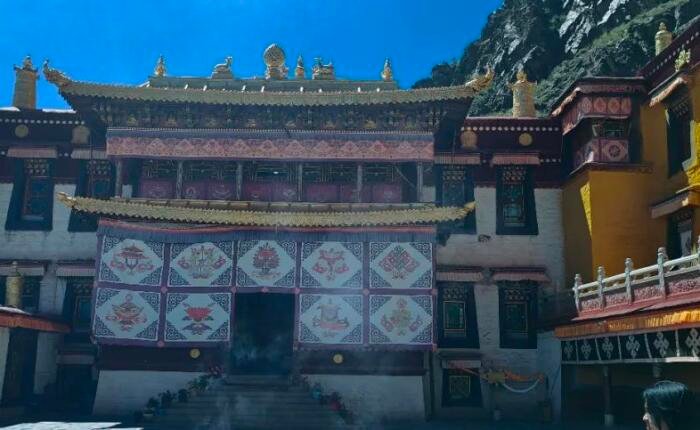
Trandruk Temple: An Emblem of Legend and Power In the heart of Tibet lies the Trandruk Temple, a symbol of the legendary battle between King Songtsen Gampo and a formidable dragon. The temple’s foundation, laid upon filled land to subdue the dragon, bears the name ‘Trandruk’ (khy-vbrug), meaning ‘the Hawk’s Cry Resembling a Dragon’s Roar’....Read More
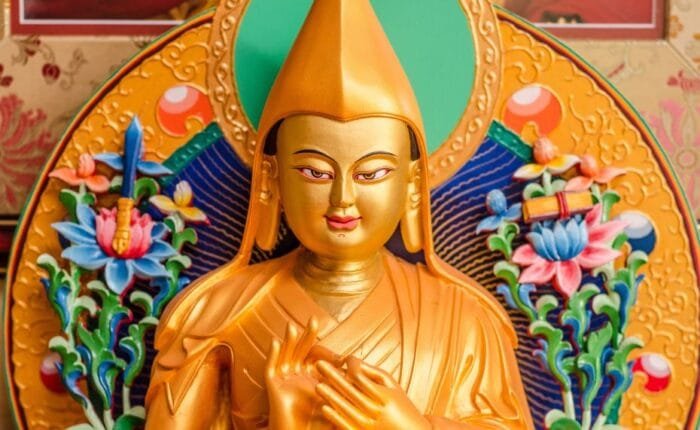
The Life and Influence of Tsongkhapa Je Lama Tsongkhapa Chenpo: The Founder of the Gelug School Tsongkhapa Lobsang Drakpa, known as Je Tsongkhapa, ( རྗེ་ཙོང་ཁ་བ་བློ་བཟང་གྲགས་པ། )was born in 1357 near Amdo Kumbum (now in Qinghai, China). His name means “Man from Tsongkha,” a title used by later generations to honor him. From a young age,...Read More
Discover the allure of Peiku Lake, nestled in Gyirong County, Shigatse, Tibet. Experience the captivating charm of this largest lake in the region, featuring a unique mix of salt and freshwater. Surrounded by majestic peaks and rich in wildlife, Peiku Lake is a haven for nature lovers. Dive into the legends that surround it and...Read More
Zengsang Gongba Monastery: A Sacred Cave Monastery in Tibet Zengsang Gongba Monastery is one of the most unique cave monasteries in Tibet, located about 5 kilometers west of Gurui Village in Dui Na Township, Yadong County. Perched on Zengsang Gongba Mountain at an altitude of approximately 4,800 meters, the monastery blends seamlessly into the rugged...Read More