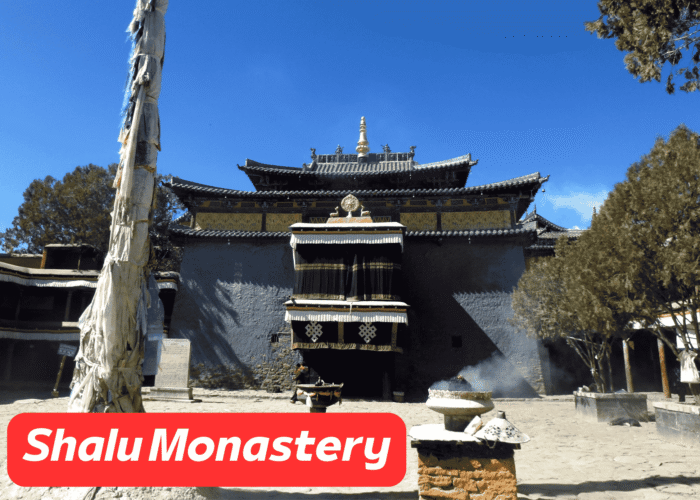
Shalu Monastery is one of the most important and historically rich monasteries in Tibet. Known for its unique architectural style, profound scholarly legacy, and deep connection to the development of Tibetan Buddhist learning, Shalu Monastery stands as a key cultural and religious landmark in the Shigatse region.
Geographical Location of Shalu Monastery
Shalu Monastery is located within Shigatse City, approximately 26 kilometers southeast of the city center. It sits quietly in a mountain hollow in Drongtoe Village, Gyatso Township, at an altitude of around 4,000 meters above sea level. Surrounded by highland landscapes and open valleys, the monastery’s setting reflects the spiritual calm long associated with Tibetan Buddhist centers.
Historical records suggest that this area was once one of the ten major trading hubs of the ancient Tibetan Empire, linking economic activity with religious life. Today, Shalu Monastery is officially recognized as a national key cultural heritage site under state protection, highlighting its lasting historical and artistic value.
Origins and Legends of Shalu Monastery
Shalu Monastery is regarded as one of the larger monasteries in Tibetan Buddhism and is traditionally recognized as the ancestral monastery of the Shalu School. The name “Shalu” comes from a Tibetan phonetic transcription meaning “grass shoots” or “new sprouts,” symbolizing renewal and growth.
According to tradition, the monastery was founded under the guidance of the renowned Sakya master Jetsun Sherab Jungnay. The Jetsun family traced its lineage to the royal house of the ancient Zhangzhung region, and during the era of the Tibetan Empire, many family members served in key political and religious roles.
The Later Dissemination of Tibetan Buddhism
In 998 CE, Tibetan Buddhism entered what is known as the Later Dissemination Period, following the decline caused by the persecution under King Langdarma. During this revival, ten Buddhist practitioners from Ü-Tsang, including the influential Lumé Tsultrim Sherab, traveled to Qinghai to study under the great master Lachen Gongpa Rabsel (c. 891–975).
Among these students, Lodön Dorje Wangchuk returned to Tibet after completing his studies and built a small monastery called Gyakhong in Gyatso town, southeast of Shigatse. There, he accepted a single disciple Chetsun Sherab Jungnay who would later play a decisive role in the founding of Shalu Monastery.
The Founding of Shalu Monastery
After further advanced studies in India, Chetsun Sherab Jungnay became a highly accomplished Buddhist scholar. Determined to promote the Dharma more widely, he planned to establish a new monastery and asked his teacher, Lodön Dorje Wangchuk, to identify an auspicious site.
Legend says that Lodön selected the location by shooting an arrow. The arrow landed in a field where young crops were just beginning to sprout. In memory of this auspicious sign, the site was named Shalu, meaning “new shoots.” The founding of Shalu Monastery is traditionally dated to 1087 CE, during the Song dynasty.
Shalu Monastery During the Yuan Dynasty
During the Yuan dynasty, Shalu Monastery entered a period of major expansion and influence. According to Tibetan historical sources, the monastery was led by Drakba Gyaltsen of the Chetsun family, who also served as the Myriarch (Tripon Chief) of Shalu.
In 1320, Drakba Gyaltsen formed a political alliance with the Sakya family through marriage, significantly elevating the monastery’s status. He later traveled to the Yuan imperial court, where Emperor Renzong granted him a golden decree and official seal. The emperor also provided financial support and dispatched skilled craftsmen to expand the monastery.
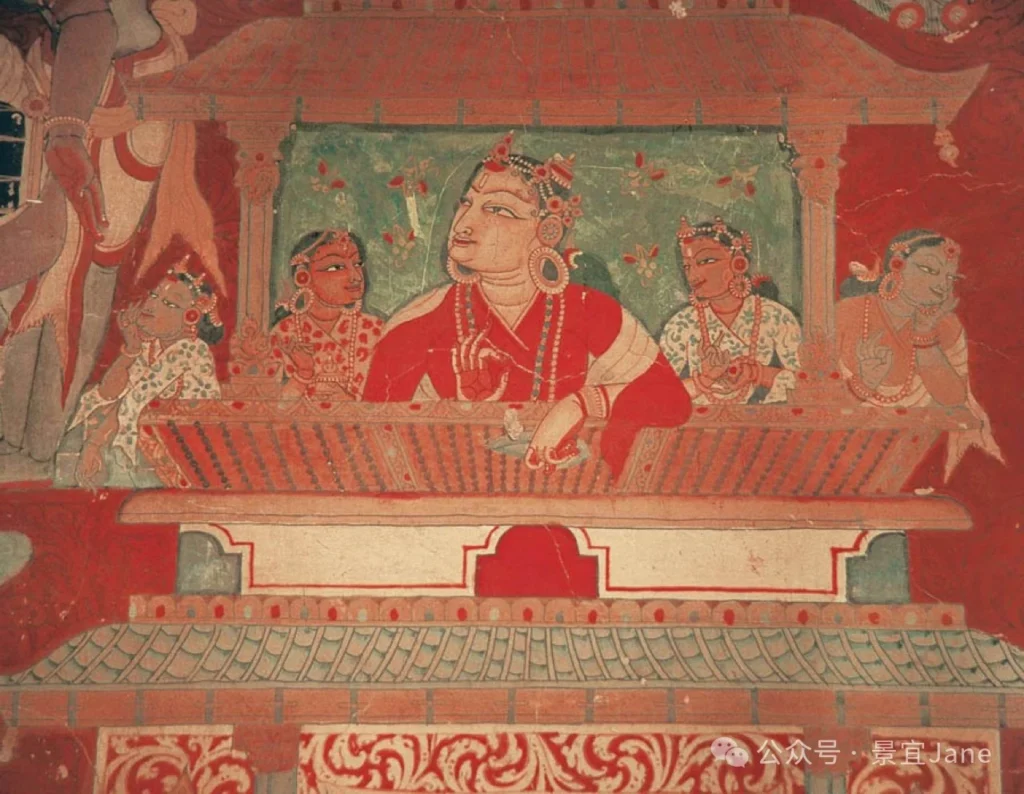
Most of the architectural layout, murals, and sculptures visible at Shalu Monastery today date back to this large-scale reconstruction, which blended Tibetan and Central Asian artistic styles.
The Shalu School and Its Influence
Butön Rinchen Drub skillfully synthesized teachings from the Kadam, Kagyu, Sakya, and Nyingma traditions, selecting essential points from both sutra and tantra and emphasizing direct, practical instruction. Under his guidance, Shalu Monastery attracted monks from across Tibet, with a resident community that reportedly exceeded 3,000 disciples.
Prominent students carried his teachings forward. Tibetan historical records collectively refer to Butön and his lineage as the “Butön School” or the “Shalu School,” marking Shalu Monastery as one of the most influential intellectual centers in Tibetan Buddhist history.
A Brief History of Restoration at Shalu Monastery
After the Yuan dynasty unified Tibet, Shalu Monastery rose to great political and religious importance. At that time, the monastery was led by Abbot Gyazay, a descendant of Jetsun Sherab Jungnay, the monastery’s founder. Gyazay maintained a close relationship with the younger brother of Chögyal Phagpa.
Because of this connection, the Yuan emperor appointed Gyazay as the Shalu Myriarch (Tripon Chief), making him one of the thirteen major regional administrators under the Sakya government. This appointment greatly increased Shalu Monastery’s authority and prestige.
Earthquake and Imperial Restoration Support
In 1329, a powerful earthquake struck Shigatse, causing severe damage to Shalu Monastery. At the time, Abbot Gyaza was staying in the Yuan imperial capital. When the emperor learned of the destruction, he immediately ordered Gyaza to return to Tibet and granted substantial funds for rebuilding the monastery.
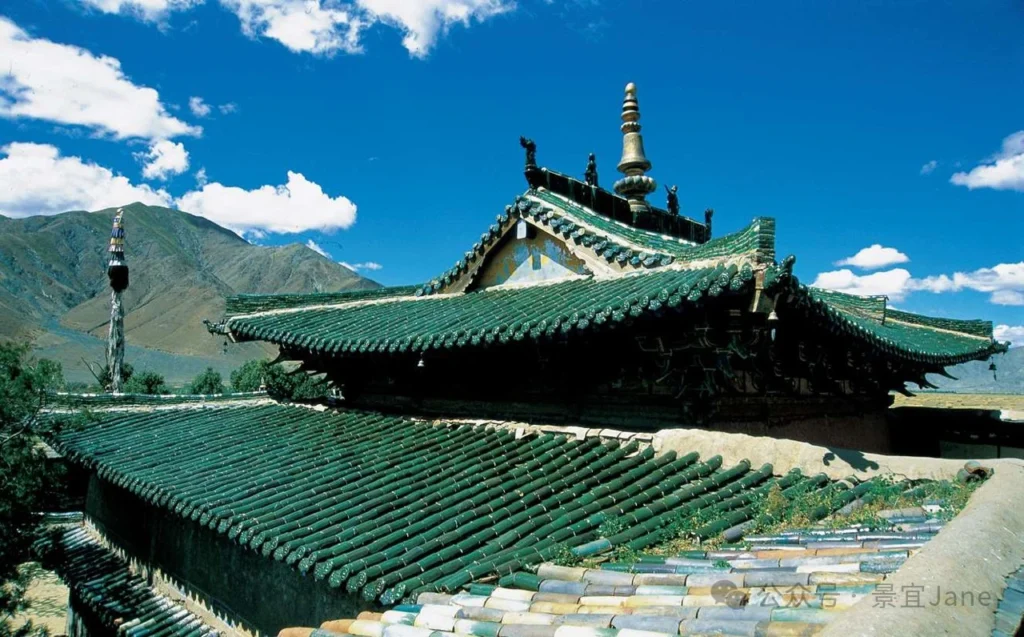
Gyaza brought skilled craftsmen from inland China and transported large quantities of glazed tiles and construction materials to Shalu. Some historical records indicate that these glazed tiles were produced in Maldro Gongkar, under the guidance of Han Chinese artisans.
A Unique Han–Tibetan Architectural Style
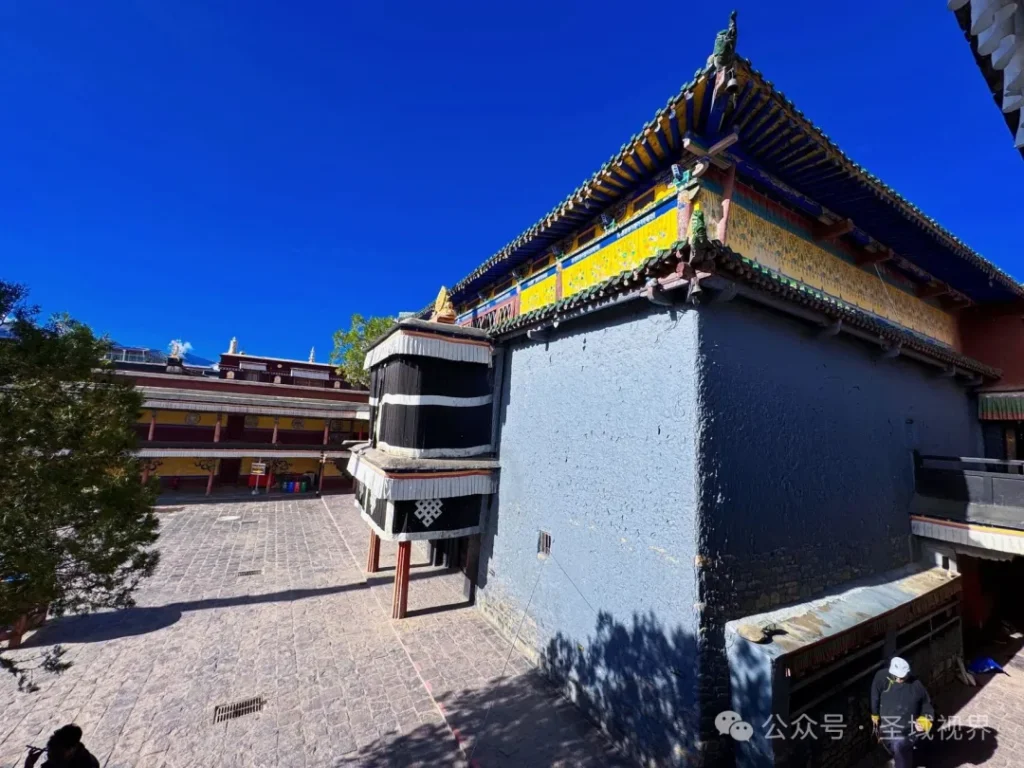
Official reconstruction work began in 1333. Han and Tibetan craftsmen worked side by side, blending building techniques and artistic traditions. As a result, Shalu Monastery developed a distinctive architectural style that combines Tibetan structural design with Han Chinese decorative elements—a feature that still sets the monastery apart today.
According to Tibetan historical records, Shalu Monastery originally housed only a small number of monks. Over time, it underwent three major renovations and expansions, and the monastic population steadily increased. During the leadership of Butön Rinchen Drub, the monastery reached its height, with more than 3,800 resident monks.
Damage and Modern Restoration
During the Cultural Revolution, Shalu Monastery suffered heavy destruction once again, and only the main assembly hall survived. In 1981 and 1989, the government allocated significant funds for restoration. These efforts helped the monastery recover much of its original structure, artistic value, and religious atmosphere. Today, Shalu Monastery is home to over 60 monks, continuing its long spiritual lineage.
Visitor’s Guide to Shalu Monastery
Shalu Monastery is compact yet rich in history and artistic detail. The main complex includes the Shalu Lhakhang (Main Assembly Hall), four monastic colleges (Dratsang)— Karpo (དཀར་པོ་གྲྭ་ཚང་།), Khangnying (ཁང་རྙིང་གྲྭ་ཚང་), Rabgey (རབ་རྒྱས་གྲྭ་ཚང་།), and Drangchen (བྲང་ཆེན་གྲྭ་ཚང) —as well as monks’ living quarters.
Shalu Lhakhang (Main Hall)
The main hall faces east and rises three stories high. It is one of the finest surviving examples of Han–Tibetan blended architecture in Tibet. While the walls, layout, and interior follow traditional Tibetan architectural principles, the roof features a Chinese-style glazed hip roof, making the building visually distinctive.
Inside the hall are the golden hall, surrounding corridors, protector deity chapels, the Prajñāpāramitā (Wisdom Mother) Hall, and halls dedicated to the Four Immeasurable Buddhas of the east, south, west, and north. Altogether, the building contains 49 rooms and covers approximately 1,500 square meters.
Main Assembly Hall and Sacred Scriptures
The ground floor serves as the main assembly hall, where monks gather for prayers and rituals. At its center is a statue of Shakyamuni Buddha, flanked by statues of his Eight Great Disciples. On both sides of the hall are scripture halls that house the Kangyur and Tengyur, the two great collections of Tibetan Buddhist texts.
The Enlightened One from India
In the western scripture hall, visitors can see a unique statue of Shakyamuni Buddha, known as “The Enlightened One from India.” According to tradition, this statue was brought to Tibet in 1027 by Chetsun Sherab Jungnay from Bodh Gaya, the sacred site of the Buddha’s enlightenment.
Behind this statue stands an image of Yamantaka (Vajrabhairava), a powerful protector deity in Vajrayana Buddhism.
Statues and Sacred Relics
One of the most striking statues in the hall depicts Butön Rinchen Drub, shown with a thin face and a serious, contemplative expression, reflecting his scholarly character. On the same altar stands Butön’s reliquary stupa, containing his sacred remains.
Nearby, a glass display case preserves a revered conch shell. According to tradition, this conch naturally bears the Tibetan letter “A”, a powerful symbol of ultimate wisdom and the unborn nature of reality in Tibetan Buddhism.
The Four Sacred Treasures of Shalu Monastery
Shalu Monastery is renowned not only for its history and architecture, but also for its four sacred treasures, each deeply rooted in faith, legend, and Tibetan Buddhist tradition. These treasures have been venerated by pilgrims for centuries and remain an important part of the monastery’s spiritual identity.
1. The Puzzle Scripture Boards
The first sacred treasure is known as the Puzzle Scripture Boards. When Shalu Monastery was first established, 108 pieces of sandalwood were carefully carved. Each wooden board bears one engraved Buddhist character.
When assembled together, the 108 pieces form a complete Buddhist scripture. Pilgrims believe that receiving a printed copy made from these boards can ward off misfortune and bring blessings. For devotees, the scripture boards symbolize completeness, harmony, and spiritual protection.
2. The Sacred Water Vessel
The second treasure is the Sacred Water Vessel, a large copper container measuring about 80 centimeters in diameter. It is placed in the southeast corner of the main assembly hall and is usually sealed with red cloth and official markings.
According to legend, the holy water inside is replaced only once every twelve years, yet the water never changes in quantity, taste, or purity. It is believed that those who receive this sacred water will enjoy lifelong good fortune. The water is also said to purify 108 kinds of impurities and sins, making it one of the most revered ritual objects at Shalu Monastery.
3. The Naturally Formed Six-Syllable Mantra Stone
The third sacred treasure is the Six-Syllable Mantra Stone. Tradition says that this stone was discovered while digging the monastery’s foundation. On its surface appeared the naturally formed mantra “Om Mani Padme Hum,” the most important mantra in Tibetan Buddhism.
Today, the stone rests at the base of the monastery wall and is regarded as one of the foundation stones of Shalu Monastery. Pilgrims believe the mantra’s natural appearance is a powerful sign of blessing and protection.
4. The Stone Washbasin
The fourth sacred treasure is the Stone Washbasin, a large stone basin placed in front of the main hall. According to tradition, it was used by Chetsun Sherab Jungnay during his years of ascetic practice and has a history of 700 to 800 years. Another legend attributes its use to Phagpa, the Fifth Patriarch of the Sakya school, during his travels.
At the center of the basin is a hollow filled with yellowish water, with a few soaked grains of highland barley at the bottom. Pilgrims line up patiently, moving forward step by step, to scoop a small handful of this sacred water and drink it. For many believers, the purpose of their long pilgrimage is simply to take this single sip, believed to relieve suffering and cure illness.
Legend says that during heavy rain, the basin fills but never overflows, and during drought, the water inside never dries up, making it one of the most mysterious and revered objects at Shalu Monastery.
Mural Art of Shalu Monastery
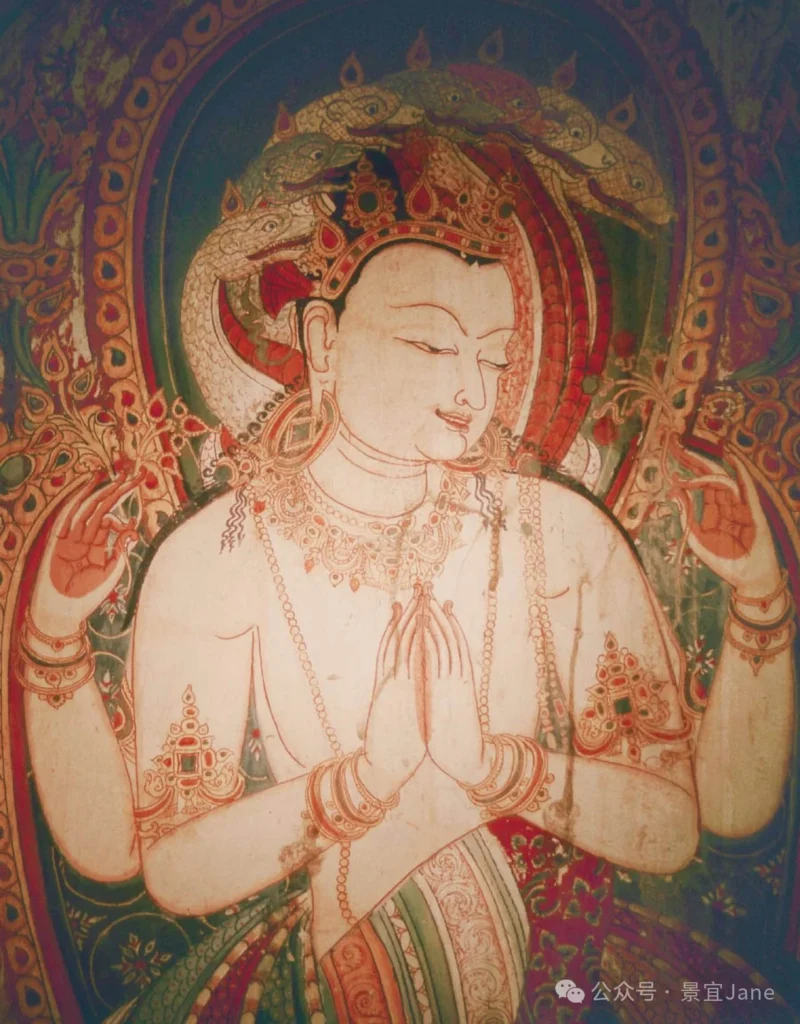
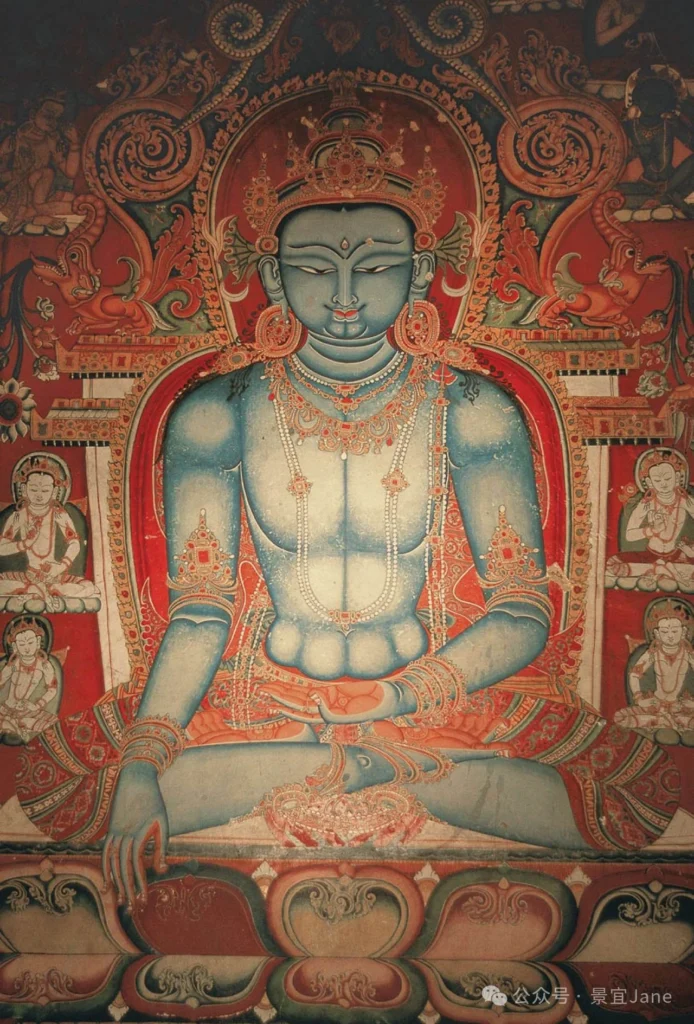
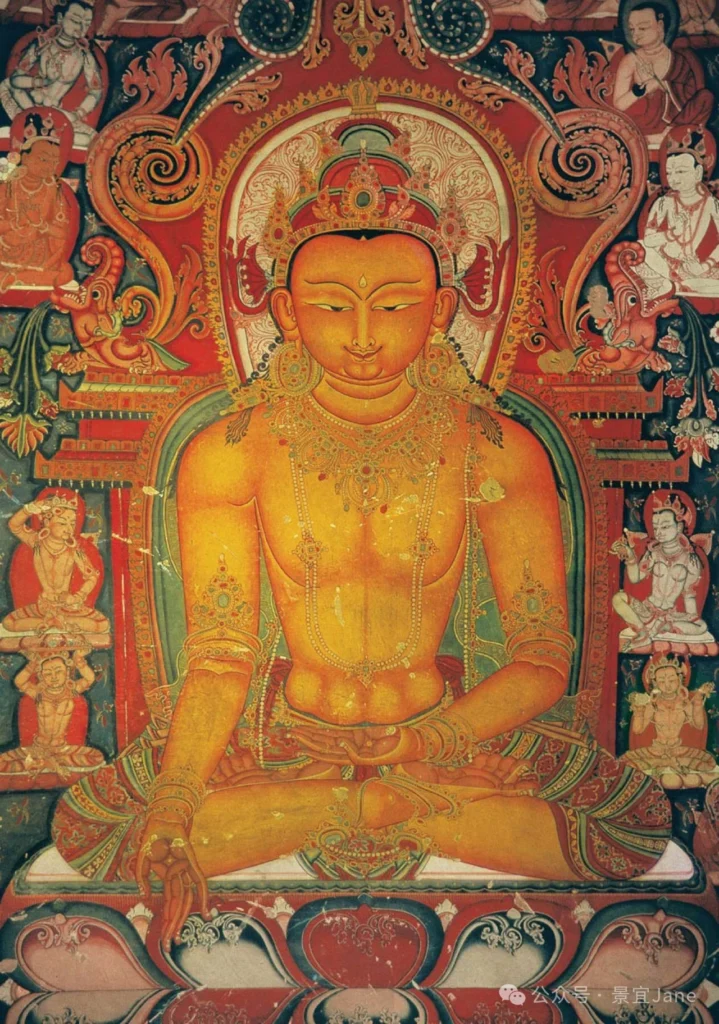
The murals of Shalu Monastery are widely regarded as masterpieces of Yuan Dynasty Tibetan Buddhist art. According to The Dictionary of Tibetan History and Culture, the murals cover both Sutra (Exoteric) and Tantra (Esoteric) themes, reflecting the monastery’s deep scholarly and ritual traditions.
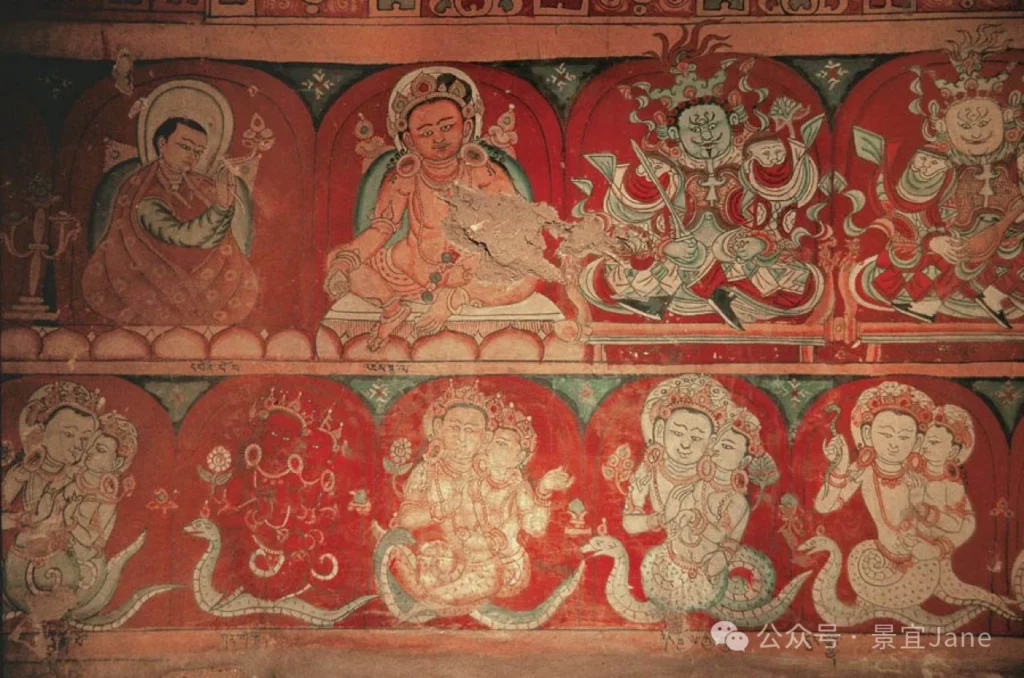
Sutra-Themed Murals
The sutra-themed murals mainly depict stories from the life of the Buddha and Jātaka tales, which recount the Buddha’s past lives. These murals are primarily found along the corridors of the golden hall on the first floor.
The most outstanding works are the Jātaka murals, consisting of 96 individual panels. They are based on One Hundred Jātaka Stories written by Rangjung Dorje (1284–1339), the Fourth Karmapa of the Karma Kagyu school. Arranged in a chessboard-style layout, the murals run continuously along the outer corridor walls. Rich in color and gold, they are considered among the greatest artistic treasures of Shalu Monastery.
Other important sutra-themed murals include The Twelve Deeds of the Buddha and The Story of Sumati Inviting the Buddha, both large-scale works and among the finest examples of their kind in Tibetan Buddhist monasteries.
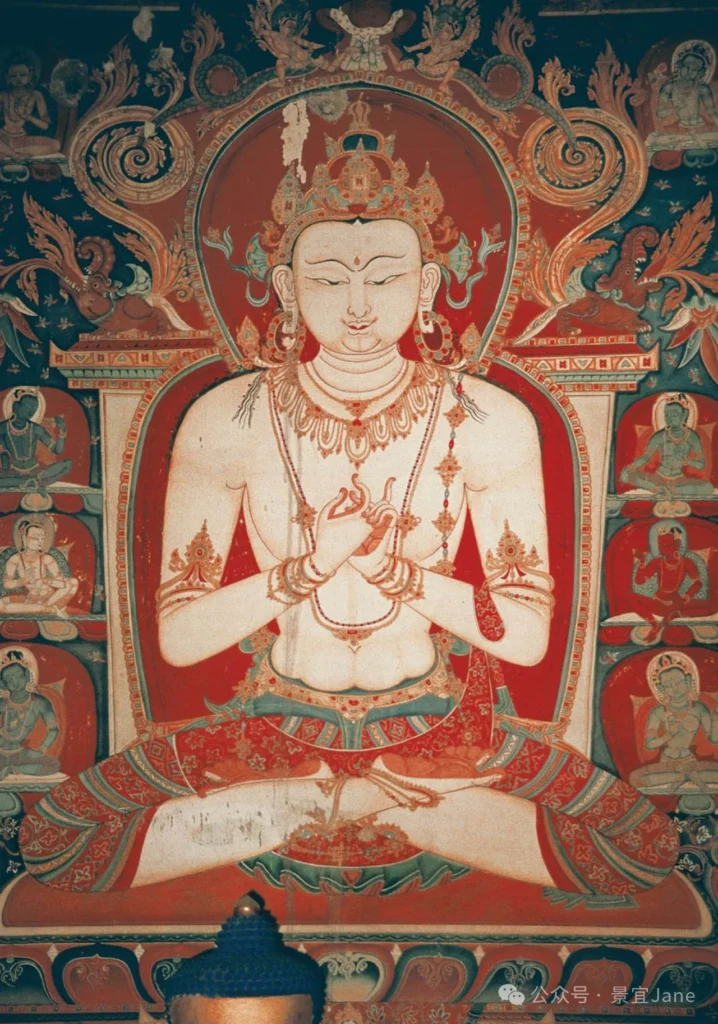
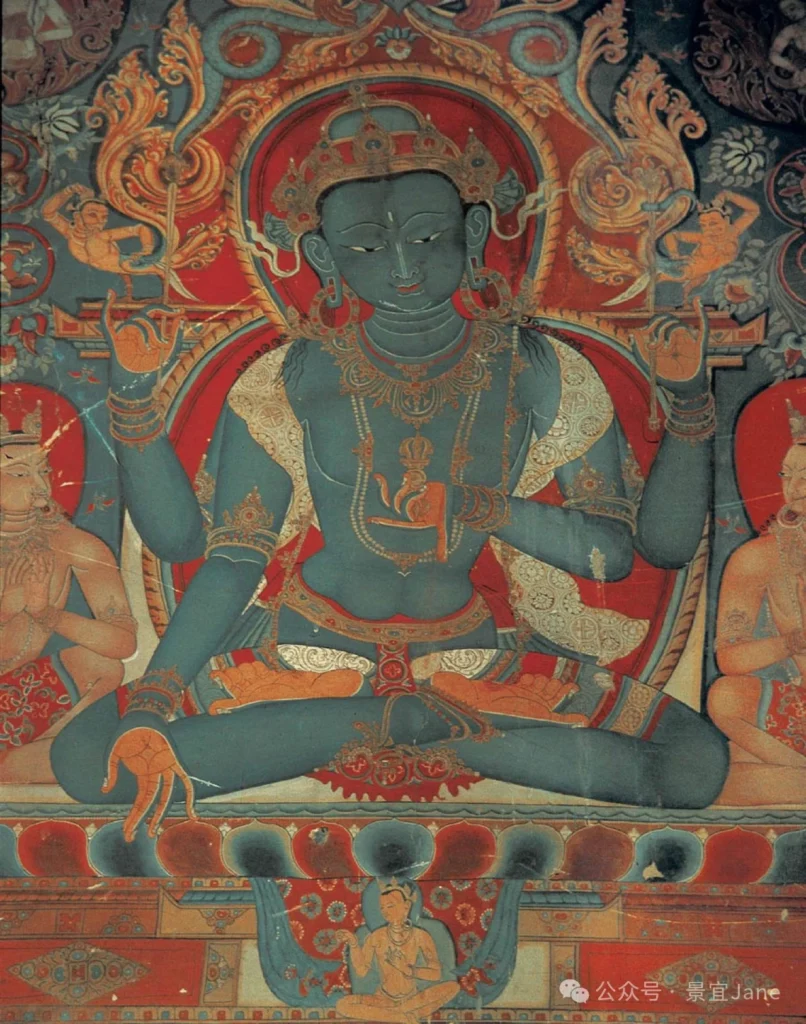
Tantra-Themed Murals
The tantra-themed murals focus on mandalas and the deities within them, including Buddhas, Bodhisattvas, Wisdom Kings, and Dharma Protectors. These murals can be seen on the inner corridor walls of the first floor, in the Prajñāpāramitā (Wisdom Mother) Hall, and in the East, West, South, and North Infinite Palaces on the third floor.
Major mandala murals include the Auspicious Victory Mandala, Vajradhatu Mandala, Universal Illumination Mandala, and Manjushri Mandala. All were painted according to ritual systems compiled by Butön Rinchen Drub, based on his extensive tantric practices. The Manjushri Mandala murals in the East Infinite Palace are especially precious, as they were personally painted by Butön Rinchen Drub himself.
Artistic Style and Cultural Influences
The murals of Shalu Monastery are admired for their fresh colors, clear lines, and elegant simplicity. Artistically, they represent a unique fusion of influences from Yuan Dynasty Central China, as well as Nepalese and Indian Buddhist art, creating a style that is both innovative and distinctive.
Influences from Central China are especially visible in the depictions of the Four Heavenly Kings, as well as in landscape scenes, pavilions, and architectural motifs. Additional Central Plains elements can be seen in the Azure Dragon and Vermilion Bird in the protector deity hall, the tree shading and brushwork in the murals of the Five Sakya Patriarchs in the West Infinite Palace, and the architectural forms portrayed in the corridor murals of the main hall.
Artistic Influences of Nepalese and Indian Buddhism
The murals of Shalu Monastery clearly reflect the deep influence of Nepalese and Indian Buddhist art, especially in composition, figure modeling, and iconography. These influences are most visible in the strict adherence to classical Buddhist artistic systems used to depict Buddhas and Bodhisattvas.
Traditional elements such as symbolic attributes, hand gestures (mudras), and seated postures (asanas) follow established Indian and Nepalese canonical standards. These features give the figures a balanced, harmonious appearance and reinforce their spiritual meanings.
One of the most striking examples of South Asian influence can be seen in the dancing female figures painted along the corridors of the main hall. These figures display distinct Indian physical characteristics, including body proportions and movement, clearly demonstrating strong cultural and artistic exchange between Tibet and the Indian subcontinent during the Yuan dynasty.
Shalu Monastery Murals: A Turning Point in Tibetan Art
The murals of Shalu Monastery played a decisive role in the evolution of Tibetan mural art, especially from the late Yuan dynasty to the early Ming dynasty. Their artistic innovations influenced mural traditions across wide regions of Tibet.
To the north, the Shalu style spread to monasteries such as Jonang Monastery, where it contributed significantly to the development of the Ladui artistic style. This style later became an important regional school within Tibetan art.
To the southeast, Shalu’s influence was even more profound. The murals helped shape the celebrated artistic tradition of Gyantse Pelkor Chöde Monastery during the Ming dynasty, one of the most important mural centers in central Tibet.
Because of this wide-reaching impact, the murals of Shalu Monastery are widely regarded as a key bridge between the Yuan and Ming periods, marking a major milestone in Tibetan art history.
Academic and Cultural Significance of Shalu Murals
Due to their historical position and artistic richness, the murals of Shalu Monastery hold exceptional value for the study of:
- Tibetan art during the Yuan and Ming dynasties
- The overall development of Tibetan art history
- Artistic exchanges between Tibet, the Chinese heartland, Nepal, and India
They provide rare visual evidence of how multiple artistic traditions blended into a distinctive Tibetan style during a period of intense cultural interaction.
Highlights & Cultural Notes: The Shalu School (Butön School)
The Shalu School, also known as the Butön School, was founded in the mid-14th century by the great scholar Butön Rinchen Drub, with Shalu Monastery near Shigatse serving as its main center.
The school was especially renowned for transmitting the four major tantric initiations and for its authoritative interpretation of esoteric Buddhist scriptures. After the passing of Butön Rinchen Drub, his reincarnation lineage continued at Shalu Monastery, further strengthening its religious importance.
Although the Shalu School exerted a strong influence on Buddhist doctrine and scholarship, it remained largely separate from political power, focusing instead on academic study and spiritual practice.
Visitor Information & Travel Tips for Shalu Monastery
Entrance Fee:
RMB 60 per person (subject to change)
Opening Hours:
9:00 AM – 5:00 PM
(Please follow on-site announcements, as hours may vary)
Transportation Options
- Charter a car from Shigatse City, with a round-trip cost of approximately RMB 200
- Public bus option: Take a bus toward Gyantse, get off along the highway or Pilgrim Bus from Shigatse.