

The Black-eared Kite (Milvus migrans lineatus) is one of the most recognizable birds in Lhasa’s skies. With its graceful flight, forked tail, and piercing whistle, this medium-sized raptor often becomes the first sign that spring is approaching on the Tibetan Plateau.
As winter loosens its grip and warmer thermals begin to rise, these agile birds return to the air in growing numbers. Their lazy circles above monasteries, rivers, and rooftops bring life back to the city’s skyline—making them a favorite sight for travelers, photographers, and birdwatchers alike.
Meet the Black-eared Kite
Belonging to the Accipitridae family, the Black-eared Kite is sometimes classified as a subspecies of the Black Kite (Milvus migrans), while some experts consider it a separate species altogether.
Key Identification Features
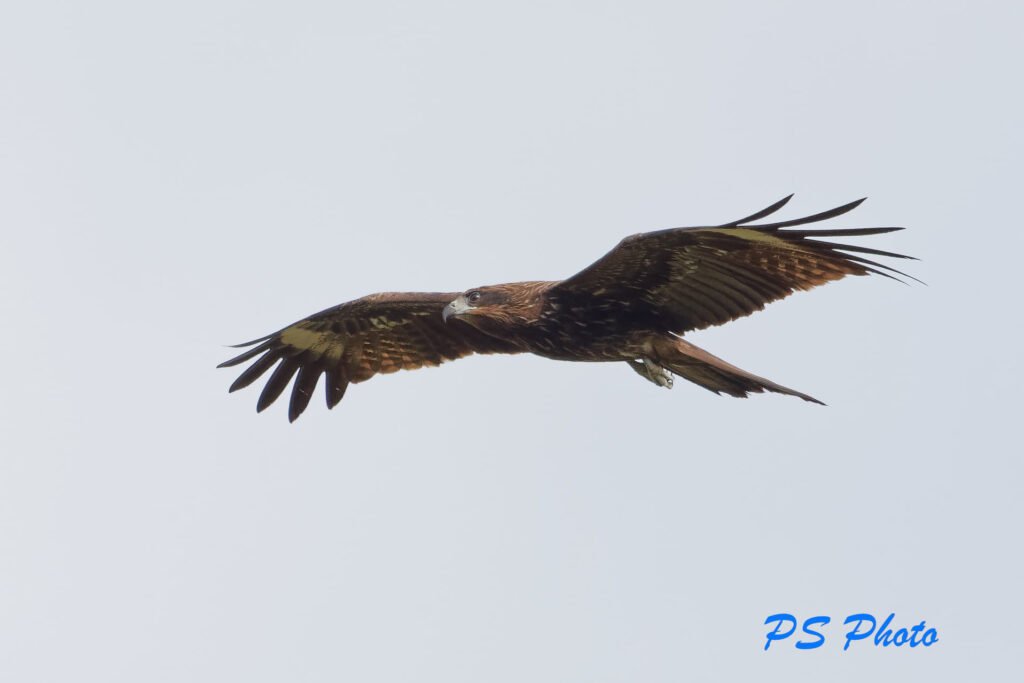
- Wingspan: 1.4–1.7 meters
- Plumage: Sleek brown body with pale streaking on the head
- Distinctive Mark: Dark patch behind the eye, giving the “black ear” appearance
- Tail: Deeply forked, acting like a precision steering tool
- Flight Style: Smooth gliding with minimal wing flapping
At a distance, they are sometimes mistaken for eagles—but a closer look at the forked tail quickly reveals their identity.
A Bird That Follows the Seasons
The Black-eared Kite is widely distributed across temperate and tropical Eurasia, from Siberia to the Himalayas, northern India, and Southeast Asia.
Migration Patterns
- Northern populations migrate south for winter.
- Some Himalayan and Tibetan birds remain year-round.
- Early arrivals often appear as early as February, responding to subtle temperature shifts.
For many locals, the sound of their calls drifting through the crisp air marks the quiet transition from winter toward spring.
Life at High Altitude
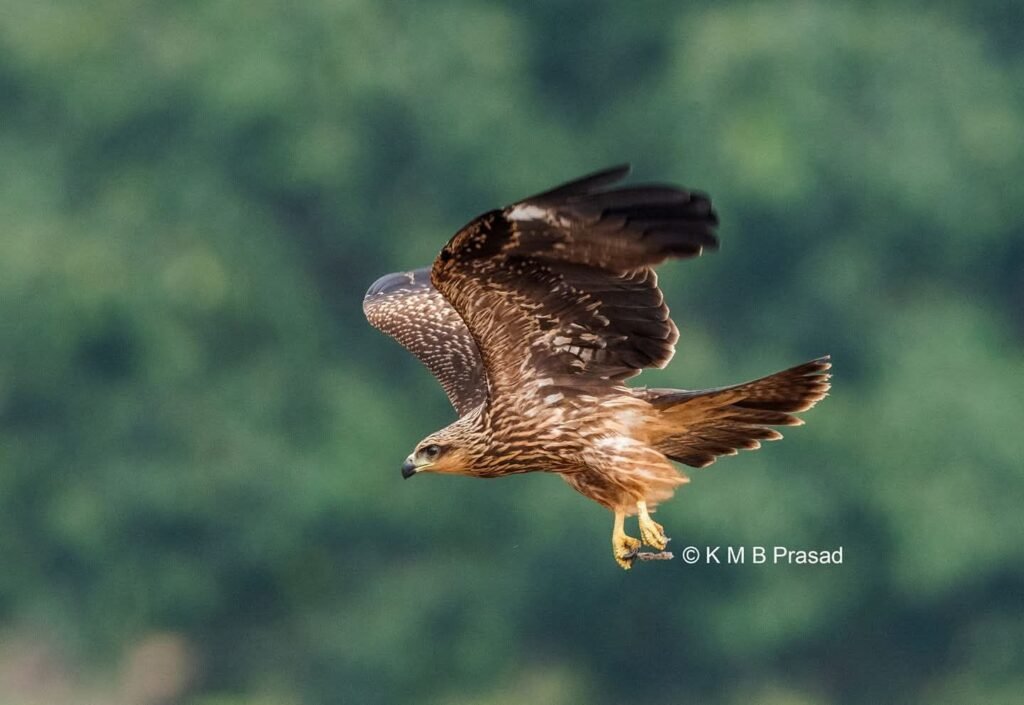
Despite harsh conditions, the Black-eared Kite thrives at elevations reaching 4,500 meters. Unlike cliff-dwelling vultures, these birds are comfortable living alongside humans.
Common perching spots include:
- Rooftops
- Utility poles
- Tall trees
- Cliff edges
Their loud mewing and whistling calls echo across valleys, forming part of Lhasa’s natural morning soundtrack.
The Soundscape of a Lhasa Morning
If the raven provides the deep bass of the plateau, the kite contributes the higher register—a shrill, musical trill that signals the city is waking up.
British diplomat Hugh Richardson, who lived in Lhasa during the mid-20th century, observed these birds nesting almost within reach of rooftops. Today, their presence remains just as strong, bridging the gap between ancient landscapes and modern urban life.
Urban Survivor: The Rooftop Resident
Few raptors adapt to human environments as successfully as the Black-eared Kite.
Masters of Urban Living
- Frequently seen near markets and slaughterhouses
- Comfortable nesting on buildings
- Skilled at navigating crowded city airspace
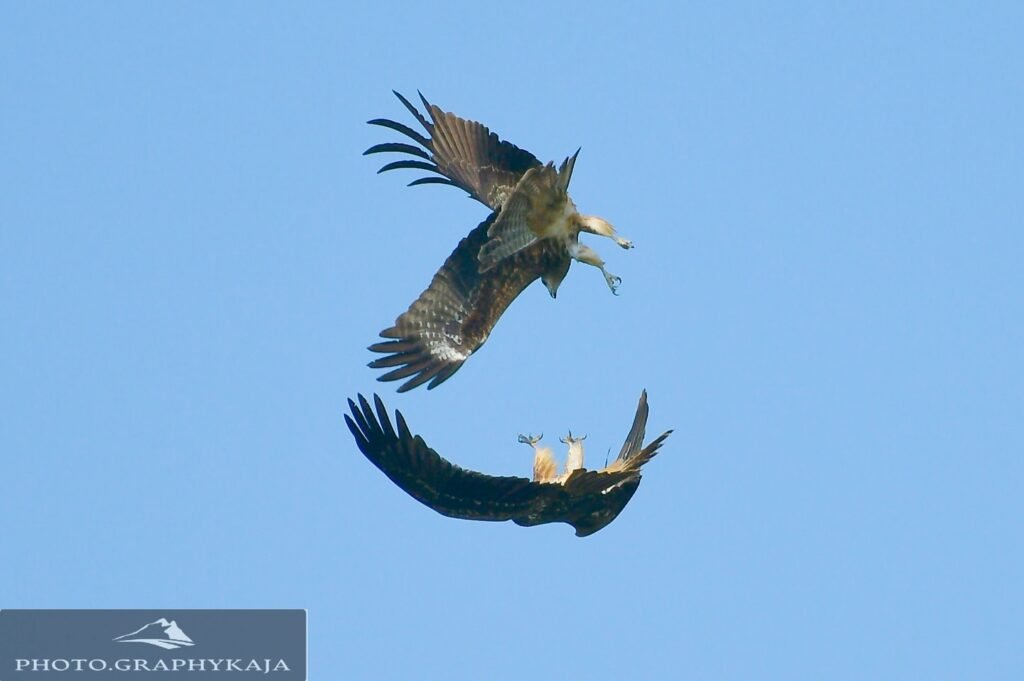
- Known to swoop down with remarkable accuracy to grab food
Their confidence often surprises visitors—some have even been observed snatching scraps from the ground or directly from unsuspecting hands.
Opportunistic Feeding Behavior
Black-eared kites are classic opportunists, feeding on whatever resources are available.
Their diverse diet includes:
- Carrion
- Garbage and discarded food
- Fish
- Insects
- Small mammals
- Birds
They are also known for stealing prey from other raptors, demonstrating both intelligence and aerial agility.
By removing waste and organic remains, these birds play an important ecological role in keeping environments cleaner.
Master of the Thermal Skies
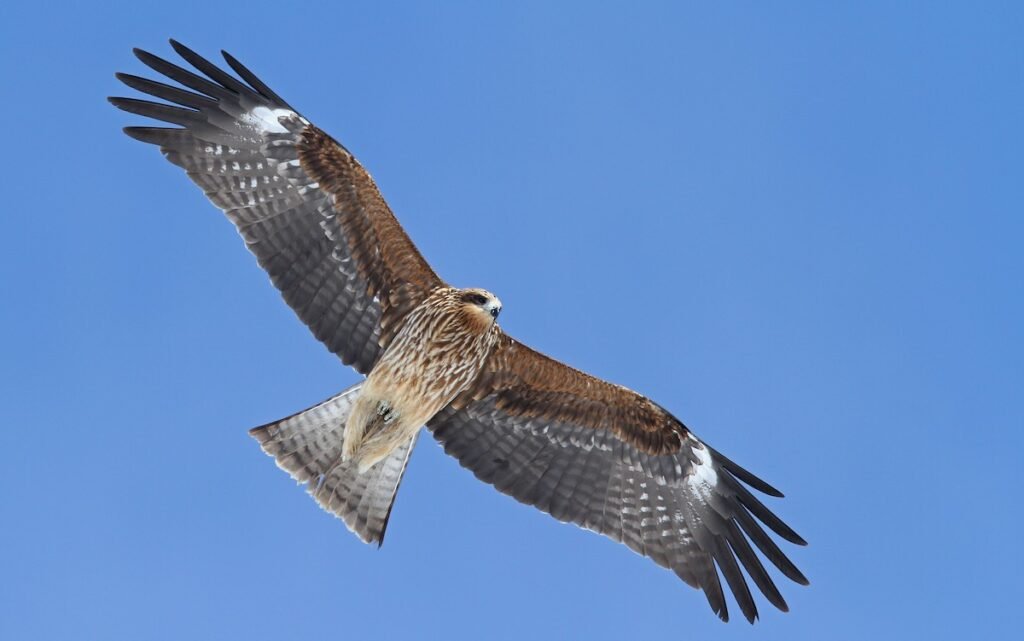
Watch a kite long enough and you’ll notice something remarkable—it barely flaps its wings.
Static Soaring Experts
Instead of constant effort, kites rely on rising warm air currents to stay aloft.
The forked tail is the secret behind their aerial precision. Acting like a high-performance rudder, it twists and tilts continuously, allowing the bird to maneuver through complex wind currents created by mountains and urban structures.
Extraordinary Vision
With eyesight estimated to be up to eight times sharper than a human’s, a kite can spot a beetle or scrap of meat from hundreds of feet above the ground.
Sometimes you may see one suddenly drop from the sky like a stone—only to level out inches above a rooftop after locking onto its target.
Nesting and Breeding Habits
Black-eared kites are highly adaptable nesters.
Nesting Sites
Pairs typically build or reuse stick nests in:
- Tall trees
- Cliff ledges
- Urban structures
- Rooftops
Breeding Cycle
- Breeding season: January–March
- Eggs: Usually 2–4
- Incubation: About 30 days (primarily by the female)
- Fledging: 40–50 days after hatching
During this time, males focus on delivering food while females guard the nest.
Starting early ensures chicks grow during spring, when food becomes more abundant.
Kite vs. Buzzard: How to Tell the Difference
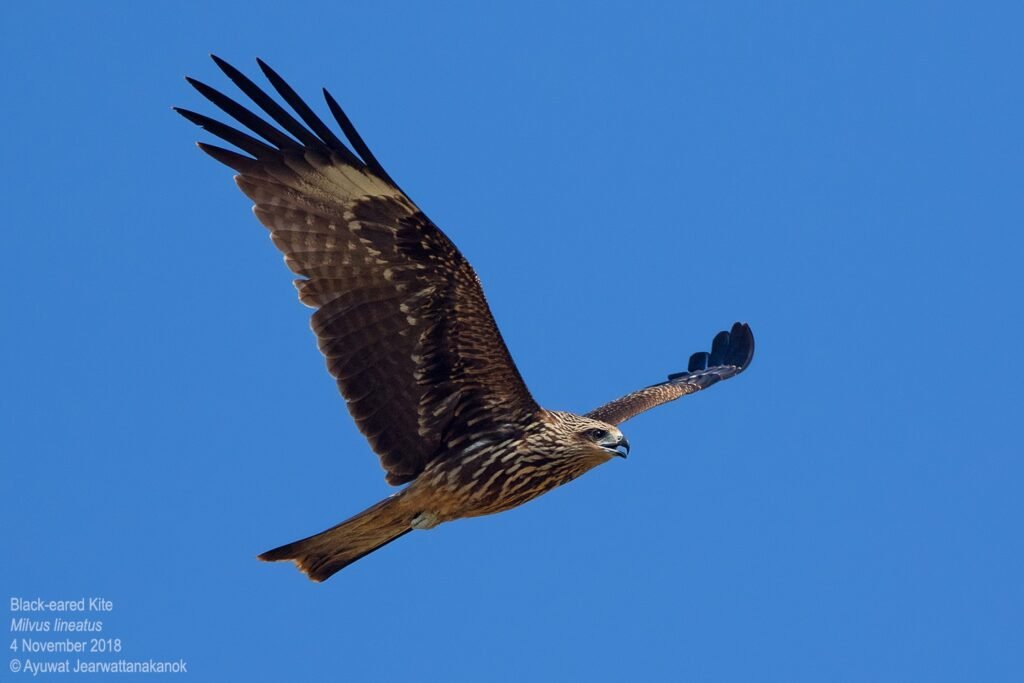
Because both species circle above the Tibetan Plateau, travelers often confuse the Black-eared Kite with the Upland Buzzard.
| Feature | Black-eared Kite | Upland Buzzard |
|---|---|---|
| Tail | Forked | Rounded |
| Flight | Light, buoyant, constantly adjusting | Heavier, steady |
| Diet | Scraps, insects, small prey | Larger mammals |
| Voice | High-pitched whistle | Cat-like mew |
If you notice elegant gliding combined with constant tail movement, you are almost certainly watching a kite.
Where to Spot Black-eared Kites in Lhasa (Spring 2026 Guide)
From late winter onward, warming thermals bring increased activity. Clear mornings are especially ideal for observing soaring behavior.
Top Viewing Locations
Potala Palace and Surrounding Areas
Nesting pairs often glide against the dramatic palace backdrop. Combining wildlife watching with cultural sightseeing creates a memorable experience.
Lhasa River Valley
Open plains generate reliable thermals, attracting hunting kites throughout the year.
Sera Monastery Hills
Elevated trails provide panoramic views of drifting kites against monastic landscapes.
High Passes Near Yamdrok Lake
Migratory birds frequently circle above mountainous terrain—perfect for scenic drives paired with birdwatching.
Practical Birdwatching Tips
- Dress in layers for variable late-winter weather.
- Bring binoculars for clearer views of flight patterns.
- Avoid approaching nests.
- Never feed wildlife.
- Hire experienced local guides for safe vantage points.
International travelers should note that Tibet Travel Permits are required and typically arranged through authorized tour operators. Many guided journeys combine birdwatching with visits to landmarks like Jokhang Temple or seasonal festivals.
Conservation Status
The Black-eared Kite is currently classified as Least Concern, with stable or even increasing populations thanks to its adaptability.
However, localized threats remain:
- Habitat loss
- Poisoning
- Collisions with infrastructure
Protected reserves and growing awareness continue to support the species across its range.
A Symbol of Seasonal Change
Few birds capture the subtle transformation of Tibet’s seasons quite like the Black-eared Kite. As their calls echo across Lhasa and their silhouettes return to warming skies, they signal renewal—not through dramatic change, but through gentle shifts in wind and light.