Nestled at the foot of the vibrant Wango Shen Mountain and gently caressed by the tranquil waters of the Nyang River, Walnut Village, known locally as “Gongzhong Village,” sits at an altitude of 2900 meters, covering an area of 40 acres. “Gongzhong,” meaning “forest at the foot of the mountain” in Tibetan, perfectly encapsulates the...Read More
Embark on an enlightening visit to the Nyingchi Natural Museum, Tibet's first natural history museum, nestled in the stunning landscapes of Bayi Town. Explore diverse exhibits showcasing ethnic traditions, ancient artifacts, and vibrant ecosystems, all within the breathtaking backdrop of southeastern Tibet.Read More
In the heart of Bayi Town, Nyingchi, lies the prestigious Tibet Agriculture and Animal Husbandry College, now part of Tibet University. It stands as the sole comprehensive institution in the Tibet Autonomous Region, blending agriculture, animal husbandry, forestry, and hydroelectric engineering disciplines. Affectionately dubbed as the “pinnacle of education in Bayi Town,” the college embarked...Read More
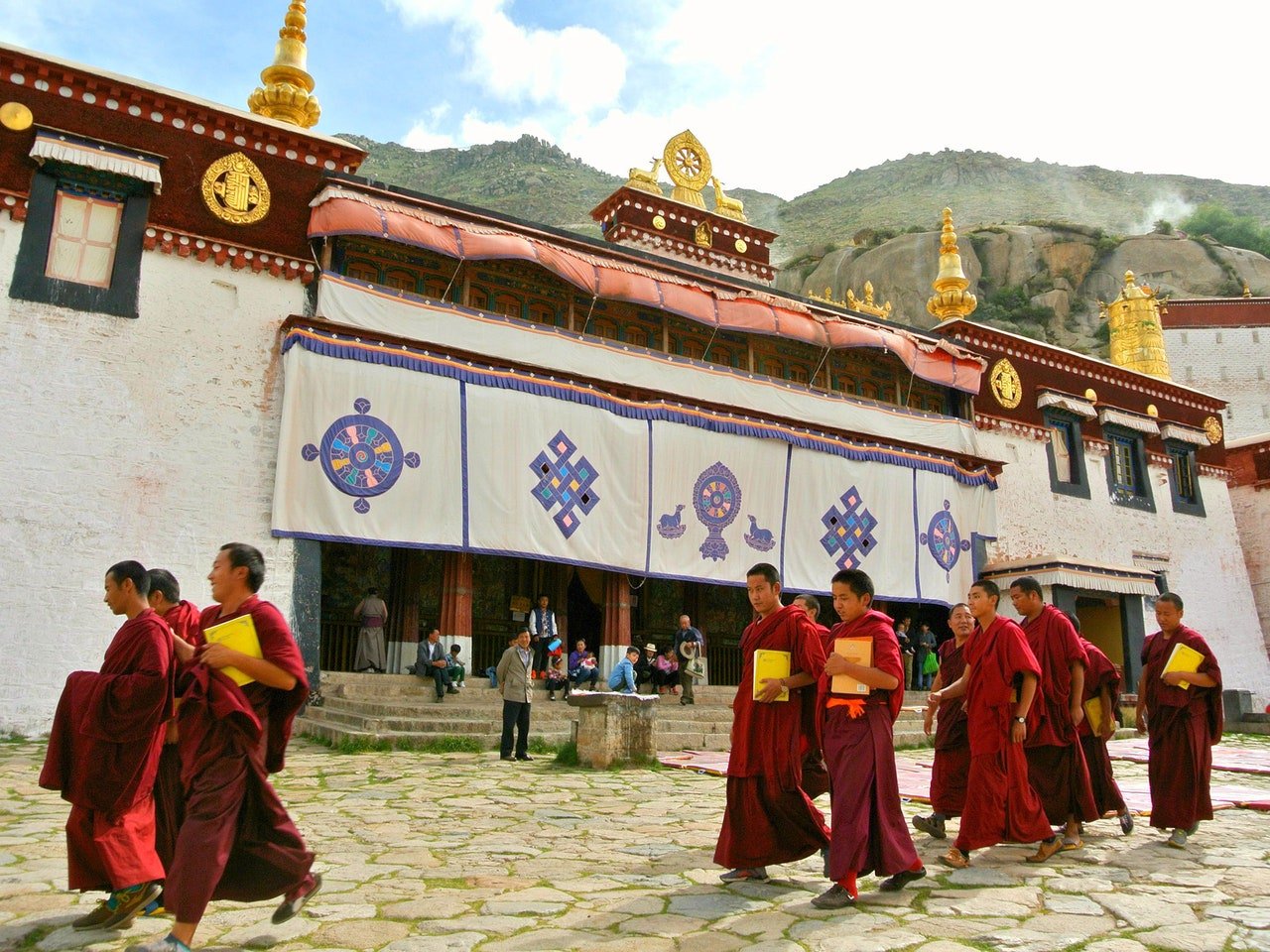
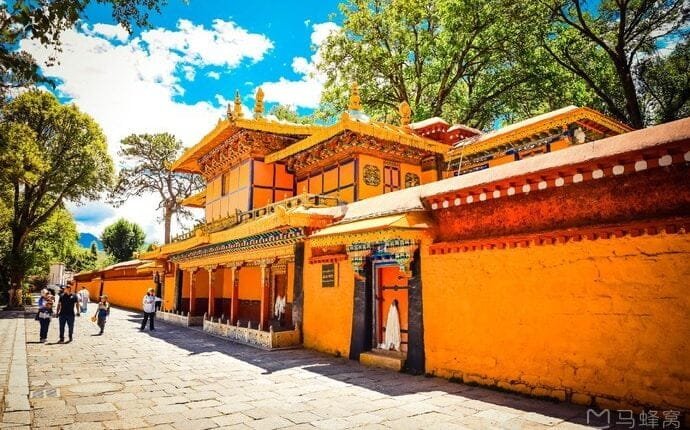
Discover the ancient Bukjuk Lhakhang, nestled in Linzhi's Bayi District, a spiritual haven dating back to the 7th century. Learn about its founding by King Songtsen Gampo and its significance in Tibetan Buddhism's history. Experience the tranquility and heritage of this revered Gelug sect monastery on your visit.Read More
Discover Bayi Town, the dynamic heart of Nyingchi, Tibet, where tradition meets modernity against a backdrop of breathtaking landscapes. From cultural festivals to diverse industries and educational centers, Bayi is your gateway to exploring the rich heritage and natural wonders of southeastern Tibet.Read More
Discover the Seka Gunchin Temple, nestled at the foot of Benri Mountain in Linzhi, Tibet. This ancient Bon monastery, known as the "Great God Eagle Temple," hosts the unique Eagle Worship Festival. Join the faithful in a spiritual journey and experience a piece of Tibet's intangible cultural heritage.Read More
Explore the historic Daza Temple, nestled in Linzhi's breathtaking landscape, offering a peaceful retreat into the Bon religion. Experience the temple's spiritual aura, ancient ruins, and majestic prayer flags. Uncover the legacy of Shenrab Miwoche and connect with Tibet's rich cultural heritage.Read More
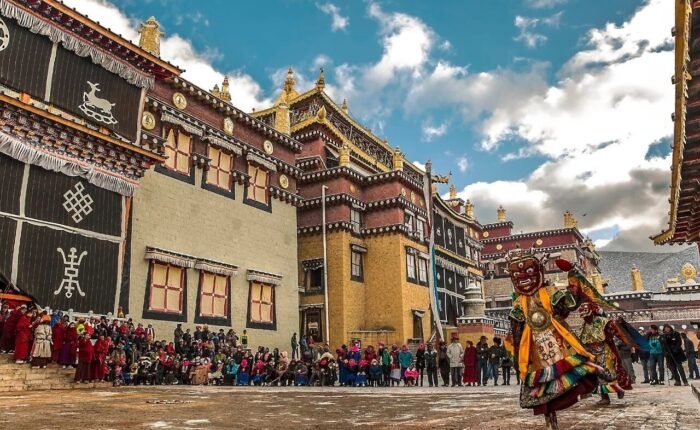
Discover the spiritual charm of De-mo Monastery, nestled on the Yarlung Tsangpo's banks in Tibet's Linzhi area. Experience the unique De-mo Cham dance, rich history, and breathtaking architecture of this Gelug sect monastery. A tranquil haven for culture and spirituality seekers.Read More
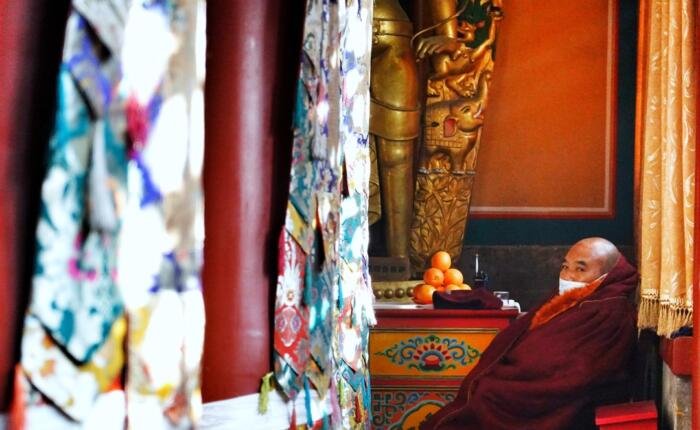
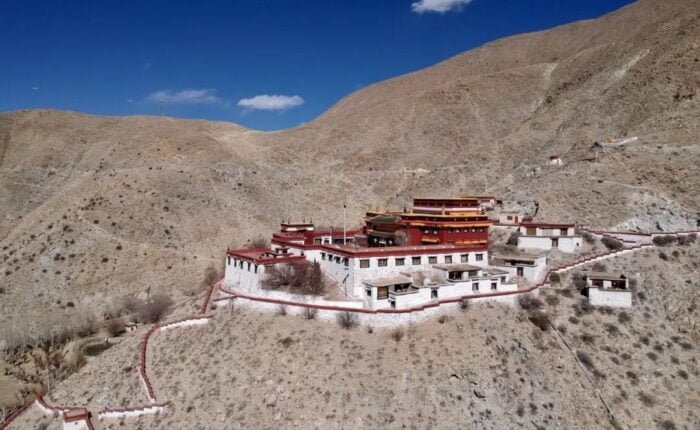
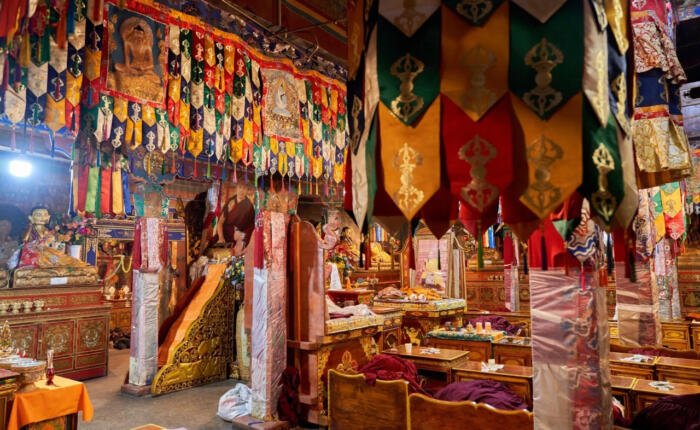
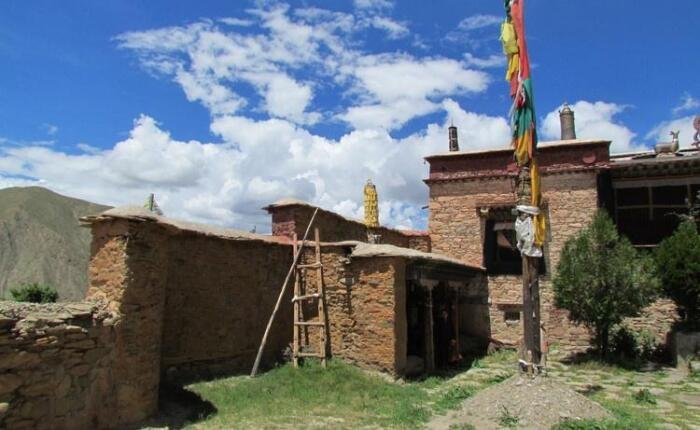
Discover the enchanting Lama Ling Monastery, nestled in Linzhi's serene Buchu Township. This architectural marvel, a symbol of Tibetan Buddhism's rich heritage, offers peace, spiritual solace, and breathtaking natural beauty. Visit and immerse yourself in the tranquility of this sacred Nyingma school site, adorned with symbolic colors and designs, standing as a testament to artistic...Read More
Dive into the heart of China's rich cultural heritage with our comprehensive guide to Beijing's imperial splendor, Xi'an's ancient wonders, Lhasa's spiritual depth, and Shanghai's modern dynamism. Uncover the stories that weave the diverse tapestry of China's identity.Read More
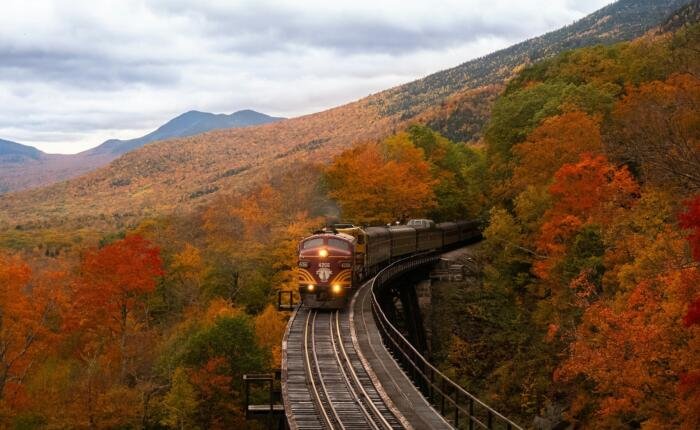
Embark on an unforgettable journey with our comprehensive guide to the Chengdu-Lhasa train experience. Discover scenic highlights, onboard amenities, and essential travel tips for this once-in-a-lifetime rail adventure across China's breathtaking landscapes.Read More
Explore the mesmerizing Medicine Buddha City, an architectural marvel adorned with 16,000 pillars, surrounded by enchanting courtyards filled with millions of medicinal plants. Uncover the divine realm within the Immeasurable Palace, guarded by celestial kings and embellished with precious gemstones. Visit the sacred Shangri-La Medicine Buddha Altar, where the Sapphire Radiance Tathagata imparts teachings on...Read More
Discover how Tibet's ambitious railway expansion plan is set to revolutionize connectivity with China and beyond, fostering unprecedented economic growth and cultural exchange. Delve into the future of transportation in the "Roof of the World" as we explore new routes, overcome geographical challenges, and build bridges to regional integration and development. Join us on a...Read More
Discover the transformative impact of the Shigatse Railway expansion, a 403-kilometer project set to revolutionize Tibet's connectivity by 2025. This ambitious railway not only promises to enhance travel safety and efficiency but also to boost economic growth, making Shigatse a pivotal international logistics hub and a gateway to South Asia. Explore how this key infrastructure...Read More
Dive into the Ultimate Tibet Travel Guide for 2024, tailored for those who dream of exploring the unknown. From its pristine landscapes to its rich cultural tapestry, Tibet offers an unparalleled journey of discovery. Whether you're traversing by train, cycling through rugged terrains, or driving across breathtaking vistas, every route to Tibet promises enchanting experiences...Read More
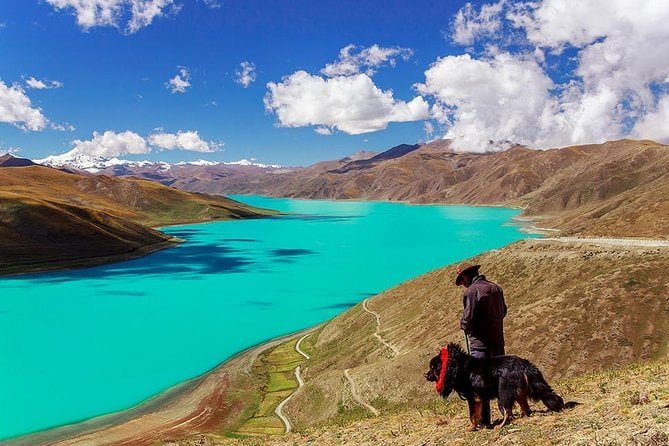
Embark on an unforgettable journey to Tibet in 2024 and immerse yourself in the land of unparalleled beauty and profound cultural heritage. From the majestic Potala Palace to the serene Yamdrok Lake, explore the top 8 attractions that offer a glimpse into Tibet's rich history and natural splendor. Experience the tranquil beauty of holy mountains,...Read More
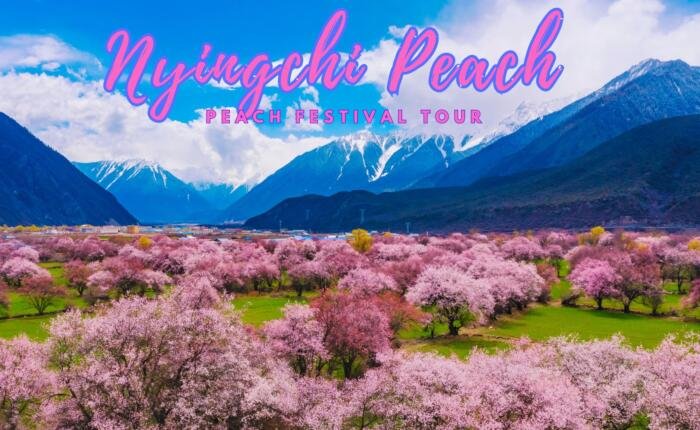
Embark on an unforgettable journey to the Nyingchi Peach Blossom Festival in Tibet with our comprehensive 10-day travel guide. Discover tips, best viewing spots, and essential travel advice to witness the spectacular bloom of wild peach blossoms. Plan your adventure from Chengdu to Lhasa, experiencing the beauty and culture of Tibet along the way. Book...Read More
Lhasa to Shigatse: Discovering Tibet’s Cultural Gems Immerse yourself in the heart of Tibetan culture and spirituality as you journey from Lhasa to Shigatse. This route unveils a tapestry of ancient monasteries, sacred lakes, and awe-inspiring landscapes that will leave you captivated. Lhasa: The Abode of the Gods Begin your pilgrimage in Lhasa, Tibet’s capital...Read More
Tibet, renowned for its breathtaking landscapes and rich spiritual heritage, also boasts some of the world’s most remarkable palaces. These majestic structures, collectively known as “Phodrang” in Tibetan, not only reflect the grandeur of Tibetan architecture but also embody the political and spiritual evolution of this ancient land. Spanning centuries, the palaces of Tibet are...Read More
Embark on a Journey to the Roof of the World: Unraveling the Scenic Routes and Travel Tips for Tibet Discover Tibet, a Land of Enchanting Beauty and Rich Cultural Heritage Nestled in the heart of the Qinghai-Tibet Plateau, Tibet is a land of breathtaking beauty and unique cultural heritage, captivating travelers with its majestic mountains,...Read More