Planning a journey to Tibet, the “Roof of the World,” requires specific steps to ensure a smooth and hassle-free experience. As Tibet is a unique travel destination with distinct regulations, it’s essential to follow certain guidelines, particularly regarding visas and permits. In this guide, we’ll walk you through the essential steps to prepare for your...Read More
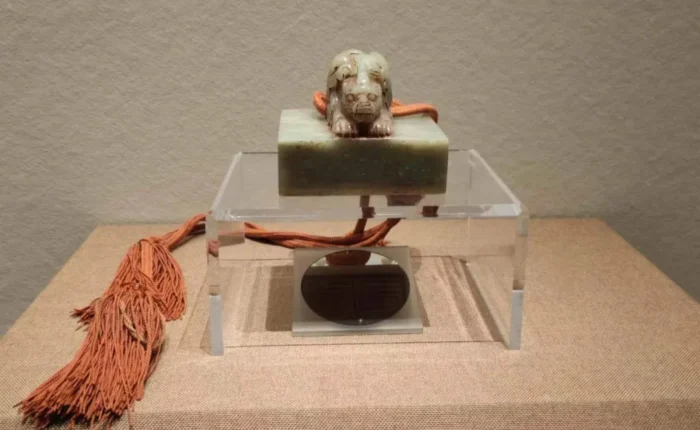
The tradition of seal usage in Tibet holds a deep-rooted history, reflecting a sophisticated culture of identity, authority, and record-keeping. Throughout Tibet’s long history, seals have served as symbols of power and legitimacy, used across various social strata and purposes, including politics, economics, religion, and cultural affairs. These seals, ranging from personal to official, were...Read More
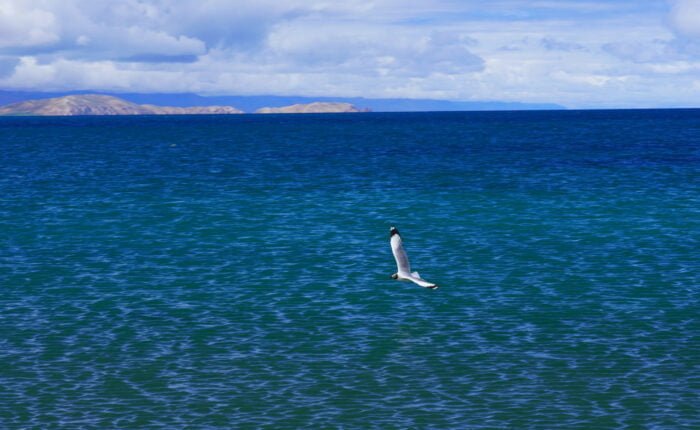
Piku Tso is a serene and picturesque lake nestled in the shadows of Shishapangma, the 14th highest mountain in the world. This stunning lake is the only 8,000-meter peak that lies entirely within Tibet, making the surrounding area a unique blend of breathtaking natural beauty and rich cultural significance. Here, traditional Tibetan life flourishes against...Read More
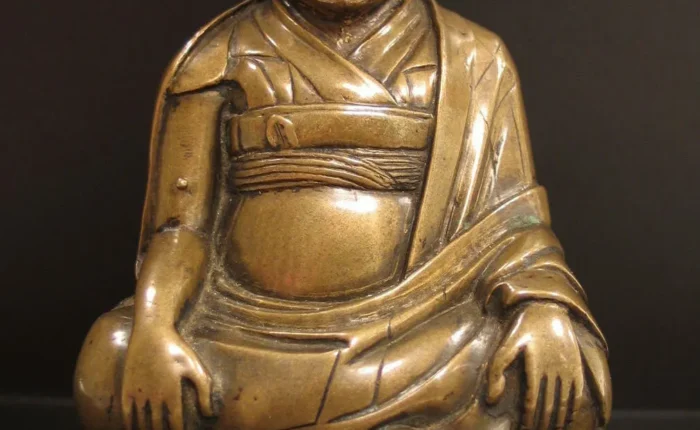
Who Was Gö Lotsawa Zhönnu-pel? Gö Lotsawa Zhönnu-pel, was a prominent Tibetan scholar, historian, and translator. His legacy as a master of Tibetan Buddhist history, especially through his famous work The Blue Annals 《青史》, places him among Tibet’s most respected intellectual figures. Born in 14th-century Central Tibet, Gö Lotsawa emerged from a noble family with...Read More
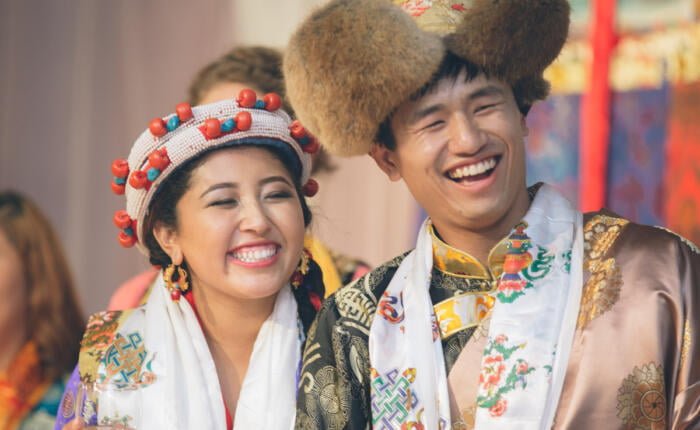
In Tibetan culture, marriage is more than just a partnership between two individuals. It’s a core component that preserves family lineage and reinforces social structure across generations. Marriage in Tibet is deeply tied to spiritual beliefs and traditional values that have evolved over centuries, creating a unique and sacred approach to family life. Ancient Tibetan...Read More
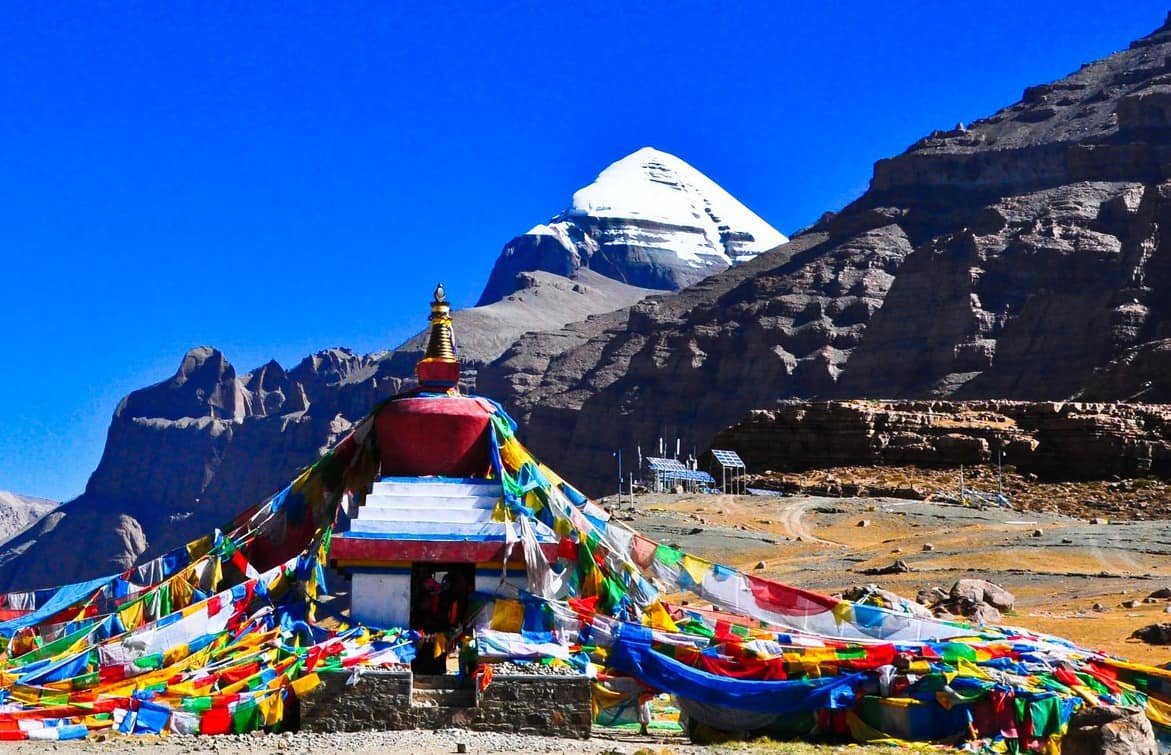
Mount Kailash, located in the remote Transhimalaya range in Tibet, stands as one of the most revered and sacred mountains in the world. Unlike other peaks, Kailash isn’t known for its height or as a destination for climbers; instead, it draws thousands of spiritual seekers and pilgrims each year. Why is Mount Kailash Sacred? Mount...Read More
The cultural, religious, and intellectual impact of Indian civilization on Tibet is immense, shaping Tibetan society over centuries. From the introduction of Buddhism to influences in language, art, literature, and medicine, the integration of Indian traditions into Tibetan life is profound. Here’s a look at the ways Indian culture has molded Tibet’s unique cultural landscape....Read More
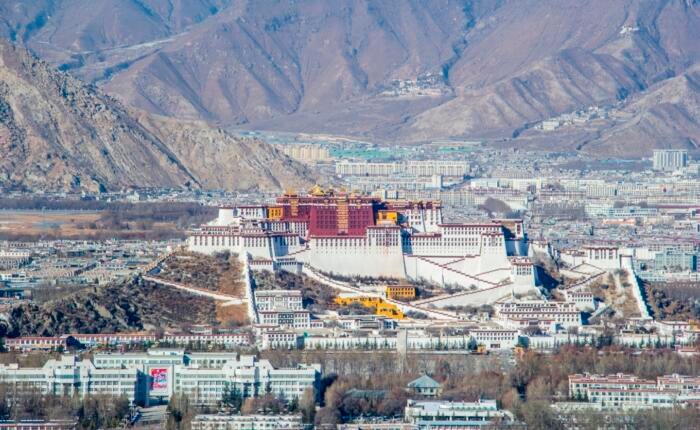
Discovering Lhasa’s Unique Highland Climate: Sun City of Tibet Lhasa, famously known as the “Sun City,” sits on the northern side of the Himalayas and boasts a distinctive highland climate. With ample sunshine, low rainfall, and notable temperature fluctuations between day and night, Lhasa’s weather is both inviting and unique. Here’s a closer look into...Read More
Yushu Tube-Nosed Bat: A New Species Discovery in Qinghai Province In a landmark discovery, researchers from Shanshui Conservation Center, together with teams from Guangzhou University and Peking University, identified a new species of tube-nosed bat in the Sanjiangyuan region of Qinghai Province, China. Named the Yushu Tube-Nosed Bat, this species was discovered during a biodiversity...Read More
The Buddha, our revered teacher, is known for sharing profound teachings, collectively referred to as Dharma. Among these teachings, the essence of his wisdom is captured in what’s known as the “Three Stages of Dharma.” When the Buddha achieved enlightenment at the age of 35, he dedicated the following 49 years to spreading these insights,...Read More
A Glimpse into Lhasa’s Ancient Charm: A Visitor’s Perspective from the Year 804 AD In 804 AD, from the envoy reception hall in the ancient city of Lhasa (formerly called Luoxie), a pair of lonely eyes gazed toward the horizon. This envoy, usually engrossed in the complexities of governance and the shifting dynamics of the...Read More
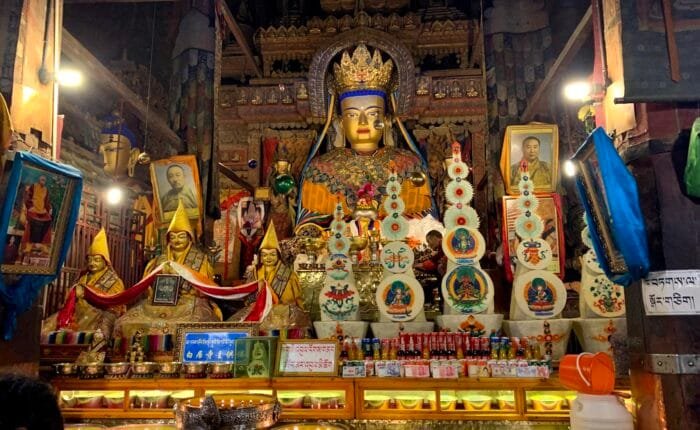
The Essence of Tibetan Buddhist Sculpture: A Journey Through Enlightened Figures and Iconic Art Tibetan Buddhist sculpture is a vivid, intricate art form that reflects centuries of devotion, wisdom, and spiritual aspiration. At the heart of this rich tapestry of art are the Buddhas—revered figures representing enlightenment and compassion. In Tibetan Buddhism, the term “Buddha,”...Read More
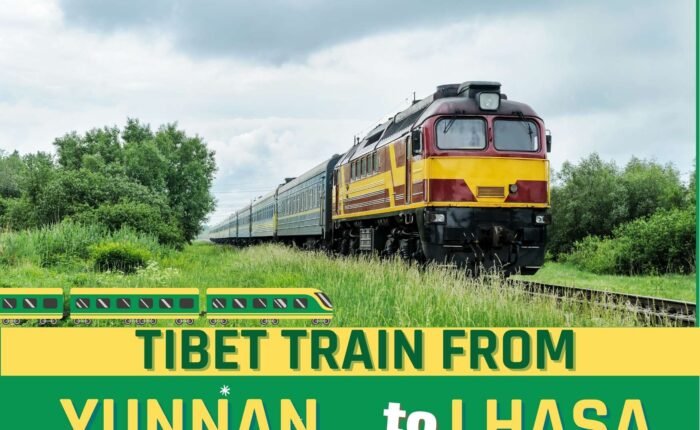
The Yunnan-Tibet railway is a highly anticipated project connecting Kunming to Lhasa. With breathtaking scenery, it will be a sought-after tourist route. Major cities en route include Kunming, Lijiang, Shangri-La, and Lhasa.Read More
Discover the latest updates on the Yunnan-Tibet Railway project, including the pivotal Lijiang-Shangri-La section. Learn how this 139.7 km railway, linking Lijiang City with Diqing Prefecture, is set to revolutionize travel and economic growth in China's southwestern regions, bridging cultural gaps and enhancing tourism in ethnic minority areas.Read More
Discover the Luosang Aculepeira Spider (Aculepeira luosangensis) The Luosang Aculepeira Spider, scientifically known as Aculepeira luosangensis (Yin et al., 1990), belongs to the Araneidae family and the Aculepeira genus. This species is native to China, specifically the Tibet region, with the type locality being in Luosang, Shigatse County, Tibet. Species Overview Chinese Name: 洛桑尖蛛 (Pinyin:...Read More
The Wheel of Time (Sanskrit: Kalachakra, Tibetan: དུས་ཀྱི་འཁོར་ལོ། Chinese: 时轮) is an ancient symbol representing time and the cycles of life. Originating from Vajrayana (Tantric Buddhism), it is commonly depicted in wood structures or colored sand mandalas. The Kalachakra represents one of the highest teachings in the Unexcelled Yoga Tantra (Anuttarayoga Tantra) tradition, known as...Read More
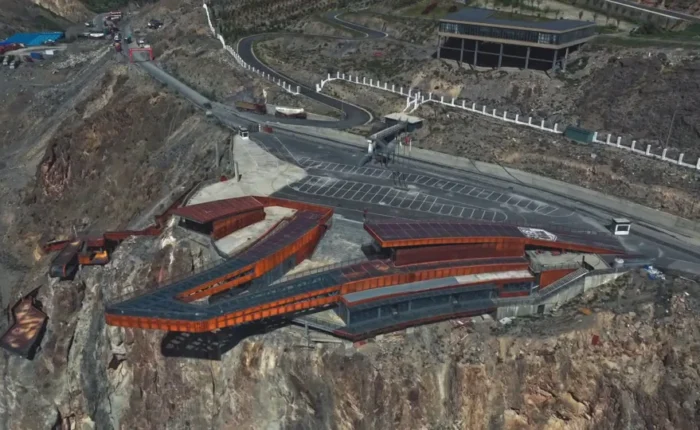
Explore One of the Most Dangerous Sections of G318 The G318 Sichuan-Tibet Southern Route is known for its breathtaking natural landscapes, but there’s now an even more thrilling experience waiting for you! Welcome to the Nujiang 72 Turns Grand Canyon Scenic Area, home to Tibet’s first large-scale high-altitude suspended tourist attraction. This awe-inspiring site is...Read More
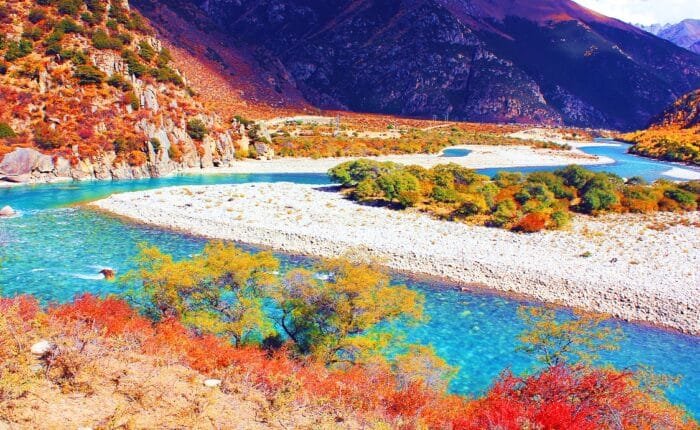
The Yarlung Tsangpo River: The World’s Highest River Yarlung Tsangpo River, located in Tibet, runs through the “Roof of the World” on the Tibetan Plateau. The Yarlung Tsangpo is renowned for its breathtaking beauty and dramatic landscapes. It holds the title of the highest river in the world. It with an impressive flow rate of...Read More
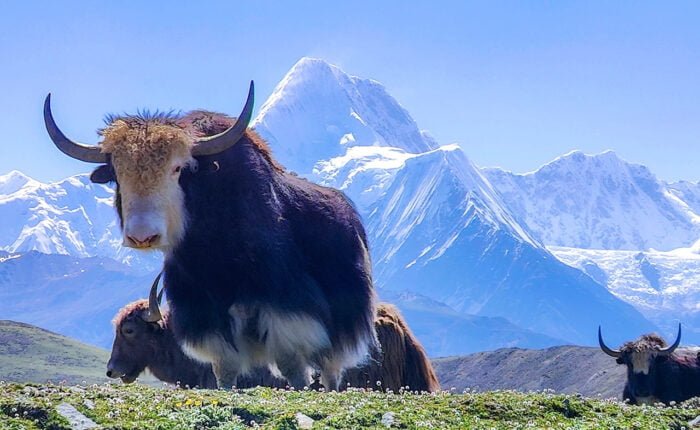
The wild yak, known in Tibetan as “Zhung” (vbrong), is considered the closest wild relative and the ancestor of the domesticated yak. The domestication of yaks from their wild counterparts is a story deeply embedded in Tibetan history and culture. Historical Domestication According to ancient Tibetan texts, during the reign of the first Tibetan king,...Read More
Overview of Southern Tibet’s Geothermal Lithium Resources Southern Tibet is recognized as a major high-temperature geothermal belt in China, rich in geothermal resources. Recent studies have highlighted the area’s significant lithium reserves found in geothermal waters. These geothermal lithium resources have the potential to be a game-changer in the global lithium supply, which is crucial...Read More