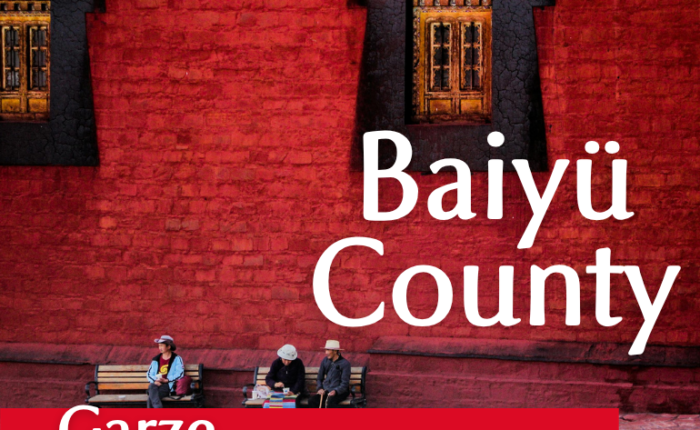
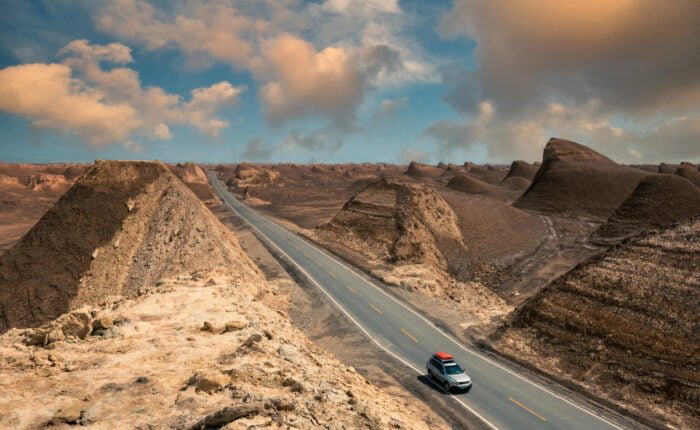
Baiyu (Pelyül): Hidden Wonders in Kham Baiyu County, known in Tibetan as Pelyül (དཔལ་ཡུལ་རྫོང), is often described as a sacred land and the “heart of nuns” in eastern Tibet. Located along the Sichuan–Tibet middle route, it forms part of a deeply spiritual journey across Kham, sometimes referred to as the “Women’s Kingdom” of western Sichuan....Read More
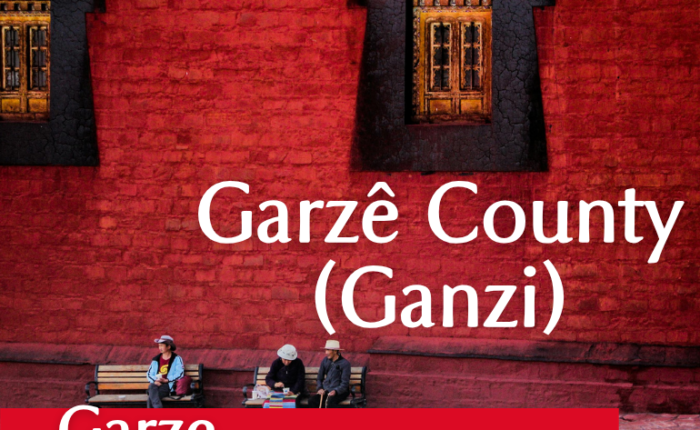
Garzê County: Snow Mountains and Monasteries Garzê County, known in Tibetan as Kardze (དཀར་མཛེས་རྫོང་།), is one of the 18 counties in Garzê Tibetan Autonomous Prefecture, northwestern Sichuan Province, China. It is not the prefecture capital (that’s Kangding/Dartsedo), but it serves as an important northern hub and commercial center along the Sichuan-Tibet Highway. Often called a...Read More
Learn everything about Cordyceps Sinensis — from health benefits and nutritional value to preparation methods and recipes. A complete beginner-friendly guide.Read More
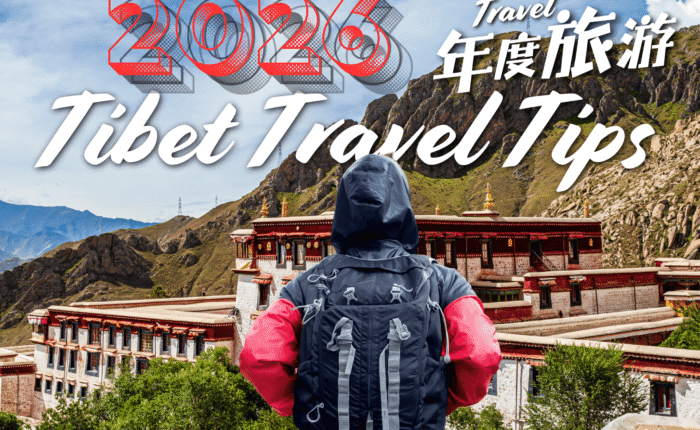
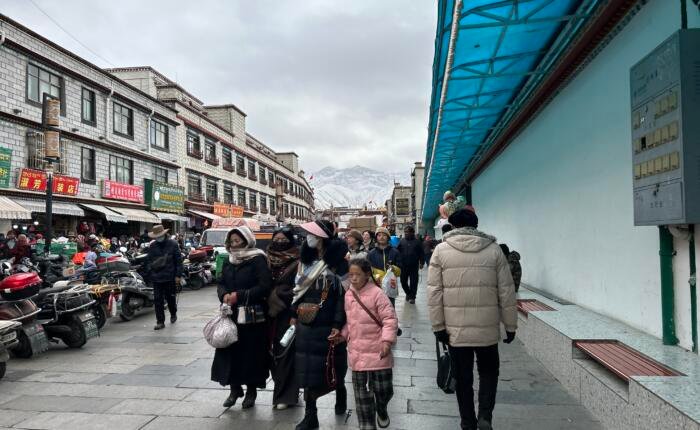
Planning a trip to Lhasa requires preparation, awareness, and respect for local conditions. From permits to altitude and cultural etiquette, these updated 2026 travel tips will help you enjoy a safe and meaningful journey in Tibet. Visa and Permit Requirements (2026 Update) Travel to Tibet requires special permits in addition to a Chinese visa. All...Read More
All foreign travelers must book through a licensed Tibet tour operator—independent travel is not allowed. Careful planning is the key to a smooth and safe journey, especially due to Tibet’s high altitude, permit requirements, and unique environment. It is recommended to begin preparations at least 1–2 months in advance, or earlier during peak travel season...Read More
Planning a trip to Tibet often means you’ll want to plan for altitude sickness when you arrive. Almost everyone experiences it to some extent, but there are ways to reduce your risk of altitude sickness on your trip to Lhasa and Everest Base Camp. Here, we provide several options to help you reduce the risk...Read More
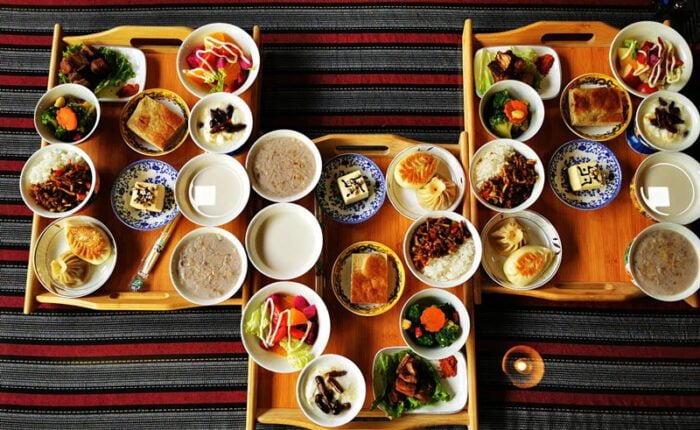
Lhasa Food Guide: Discover Authentic Tibetan Cuisine, Local Dishes, and Best Restaurants in Tibet Many travellers dream of visiting Tibet to experience its snow-covered plateau, unique culture, and deep spiritual atmosphere. While the landscapes and monasteries often take center stage, Tibetan cuisine plays an equally important role in shaping the travel experience. Food in Tibet...Read More
Discover the essential 2024 guide for traveling to Tibet. Learn about necessary permits, travel restrictions, tour options, and health advice for a safe and enriching Tibetan journey. Understand the unique cultural and environmental considerations for your adventure in the Roof of the World.Read More
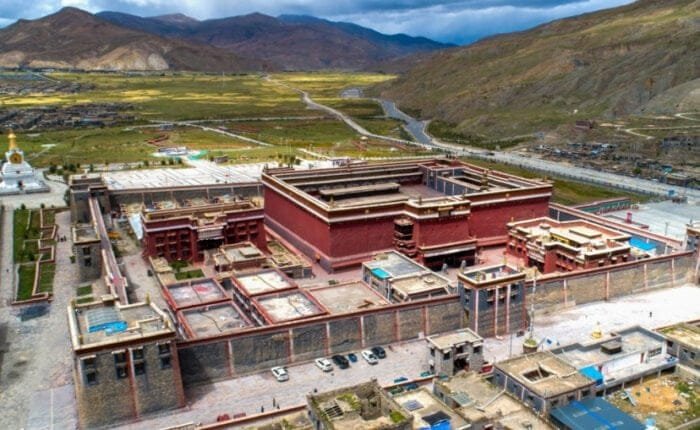
Discover the stunning Sakya Monastery in Tibet, a renowned center of learning and home to a vast library of over 40,000 Buddhist texts. Experience religious ceremonies, festivals, and enjoy comfortable accommodations and delicious food near the monastery. Plan your visit today!Read More
Discover the challenges and considerations of staying overnight at Everest Base Camp (EBC) during a Kathmandu-Lhasa tour. Learn about the basic accommodations at EBC, the sharp altitude increase, and the contrasting climates between Gyirong and EBC. Find out why Tingri might be a safer and more comfortable alternative for travelers, offering better lodging and medical...Read More
When planning a trip between Nepal and Tibet, it's important to choose the right route. Our advice is to go from Tibet to Nepal for faster travel time. Discover the reasons why and explore the altitude changes along the way.Read More
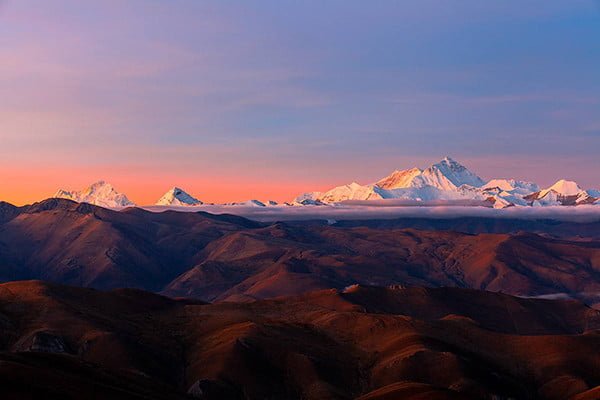
Discover the beauty of Mount Everest from the Tibetan side, with its unique landscapes and breathtaking views. Visit the famous Rongbuk Monastery and enjoy the Himalayan panorama at Gau La Pass. Experience a safer and time-saving journey to Everest Base Camp in China.Read More
Planning your journey from Kathmandu to Everest Base Camp? Discover why a stopover in Gyirong Town is crucial for acclimatization and comfort. Learn about the altitude changes, the strategic importance of Gyirong Town for rest and adjustment, and the unique cultural and natural attractions it offers. Get expert advice on accommodations and preparing for higher...Read More
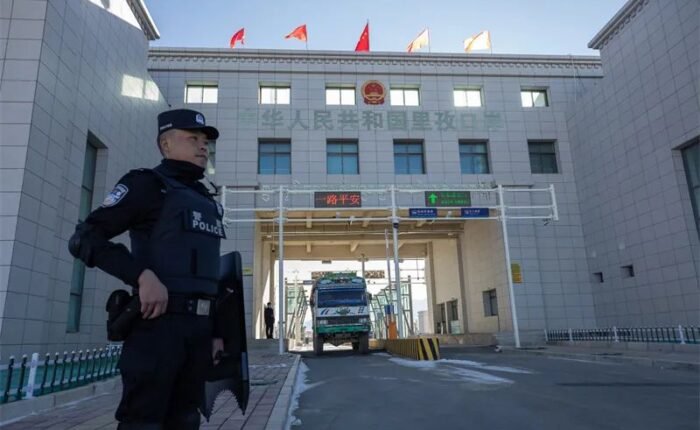
Zhangmu Port Reopens: The Historic China–Nepal Border Gateway Resumes Freight Transport Exciting news for traders, travelers, and Tibet enthusiasts. Zhangmu Port has officially resumed freight transport operations after years of reconstruction and preparation. Located in Nyalam County of the Tibet Autonomous Region, this historic border port once again connects the Tibetan Plateau directly with Kathmandu...Read More
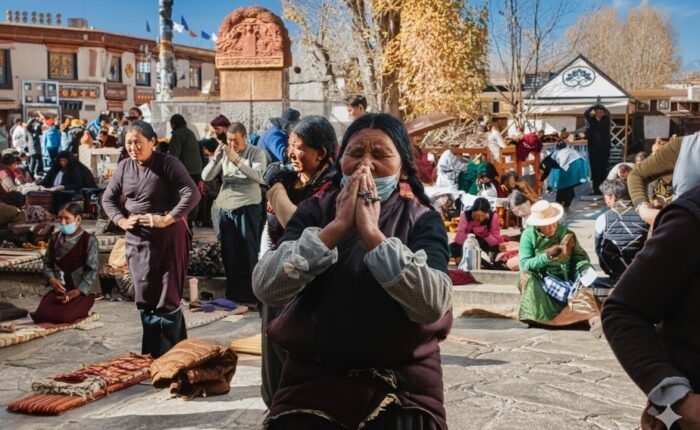
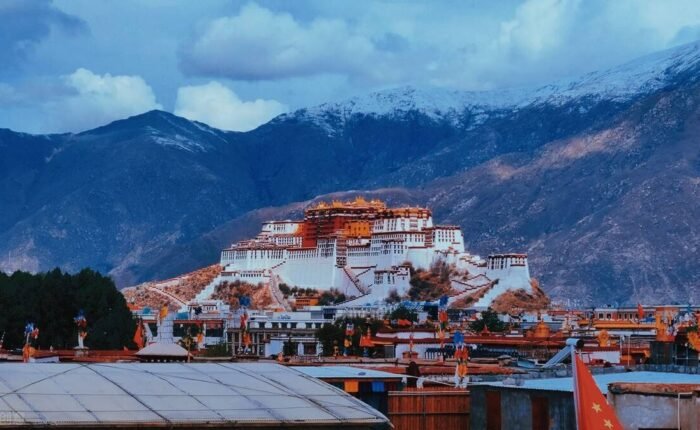
At the heart of the Tibetan Plateau, 3,650 meters above sea level, lies Lhasa — the City of Gods and the spiritual capital of Tibet. For centuries, this sacred city has drawn pilgrims, explorers, and seekers from across the world. Rich in religious significance, breathtaking natural beauty, and a culture that has endured for thousands...Read More
Plan your authentic Tibet journey in 2026. Explore sacred monasteries, nomadic culture, and breathtaking Himalayan landscapes with a licensed local expert.Read More
Discover the fascinating symbolism behind the Buddhist Wheel of Life, a powerful representation of Buddhism and the consequences of our actions.Read More
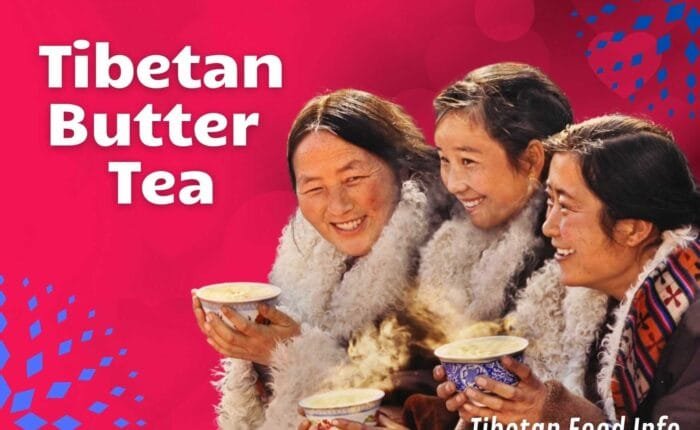
Tibetan butter tea, known locally as Po cha (བོད་ཇ་), is one of the most distinctive drinks in the Himalayan world. More than just tea, it is a daily ritual, a source of survival, and a powerful symbol of Tibetan identity. Prepared and enjoyed across Tibet and neighboring Himalayan regions, butter tea combines strong black tea,...Read More
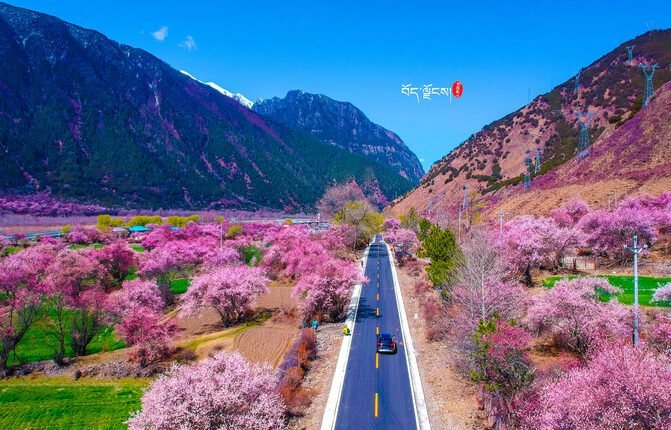
Experience the beauty of Nyingchi Peach Blossom Festival in Tibet. Discover the best spots to see the blooming peach flowers and plan your trip now.Read More
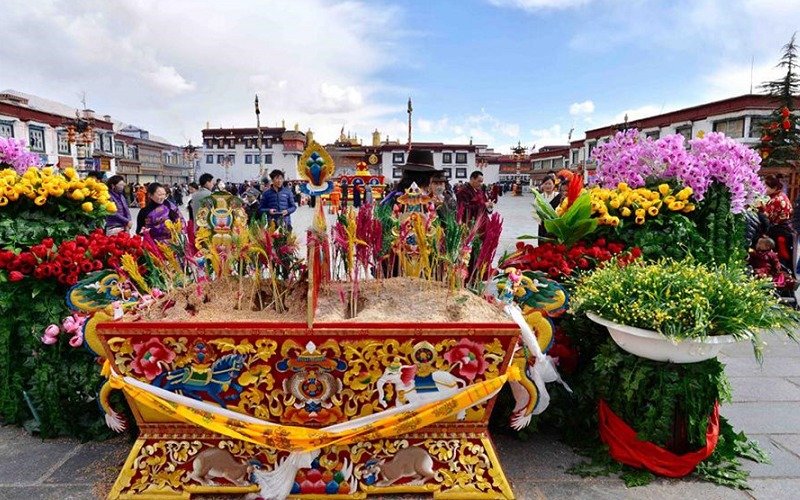
The Spring Festival holidays brought a tourism boom to Tibet, with over 450,000 tourists visiting during the week-long holiday. Find out more here.Read More