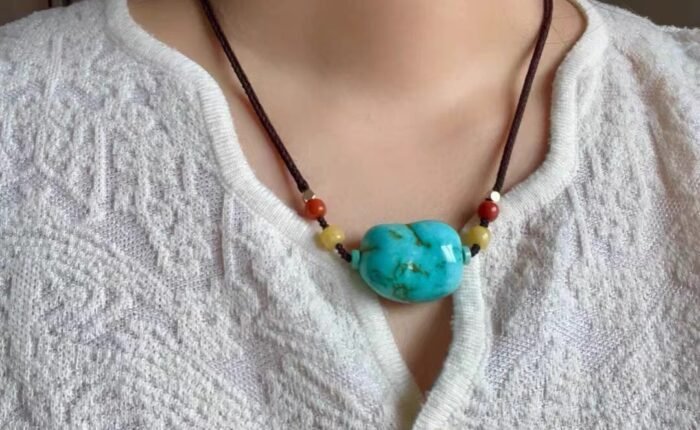
Used in amulets, crowns, and prayer adornments, turquoise reflects the artistic spirit of the Himalayan region and spiritual pathways rooted in Vajrayana.Read More
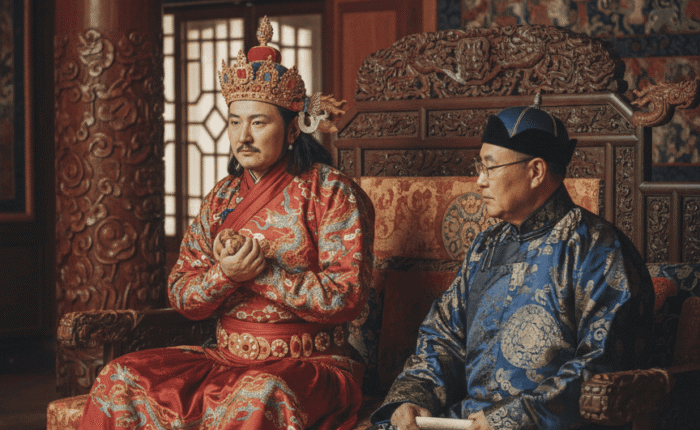
Tugh Temur (1304–1332), Mongolian: ᠲᠦᠪᠲᠡᠮᠦ known posthumously as Emperor Wenzong of the Yuan dynasty, was one of the most politically active rulers of the Mongol Empire’s later period. Bearing the Mongolian khan title Jayaγatu Khan, he became the eighth emperor of the dynasty and ruled twice—first from 1328 to 1329, and again from 1329 until his...Read More
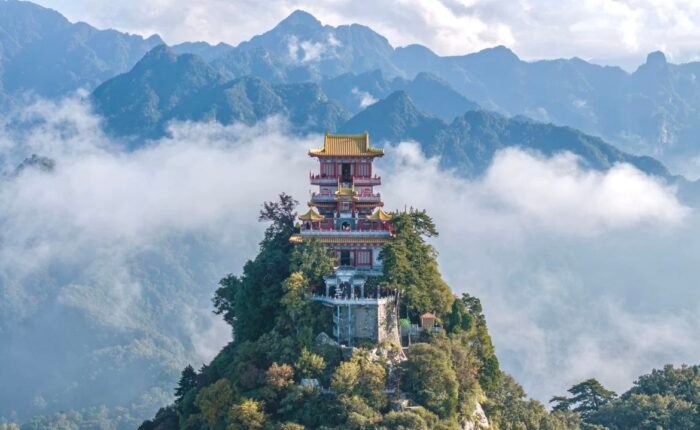
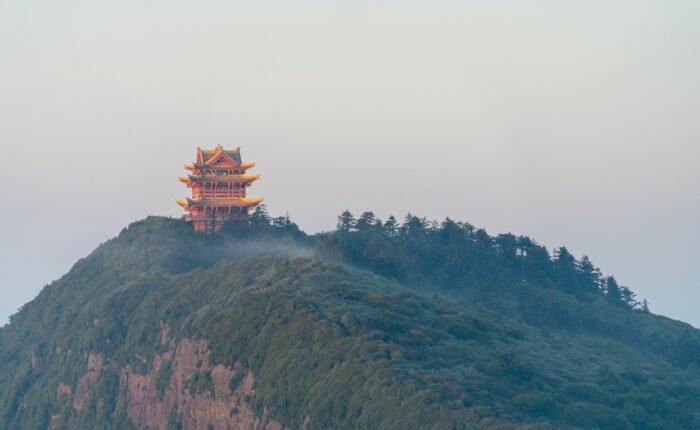
Mount Wutai, located in Shanxi Province, is widely regarded as the foremost of China’s Four Sacred Buddhist Mountains. Revered as the primary bodhimanda (spiritual training ground) of Manjushri Bodhisattva, the embodiment of supreme wisdom, this mountain symbolizes the intellectual and spiritual heart of Buddhism in China. Unlike other sacred mountains, Mount Wutai is the only...Read More
China is home to some of the world’s most profound spiritual landscapes, but none are more revered than the Four Sacred Buddhist Mountains. Rising from mist-filled valleys, coastal islands, dense forests, and lotus-shaped peaks, these mountains have drawn pilgrims, monks, emperors, and seekers for over a thousand years. Each mountain is dedicated to a great...Read More
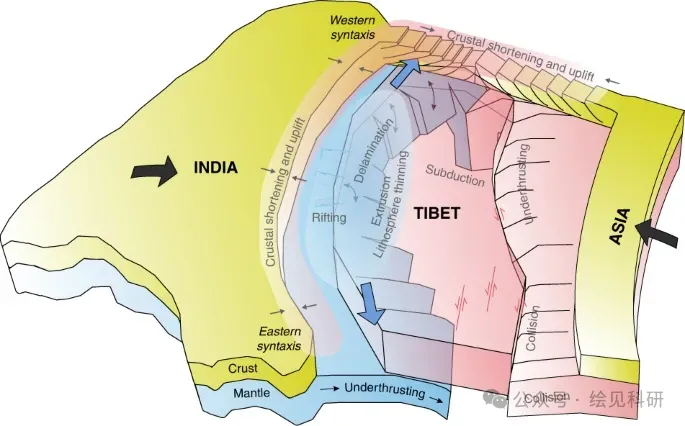
The dramatic collision between the Indian Plate and the Eurasian Plate is one of the most powerful geological processes shaping our planet today. This ongoing tectonic interaction has given rise to towering mountain ranges, vast plateaus, and complex structural formations—most notably the Tibetan Plateau, often called the “Roof of the World.” Despite decades of research,...Read More
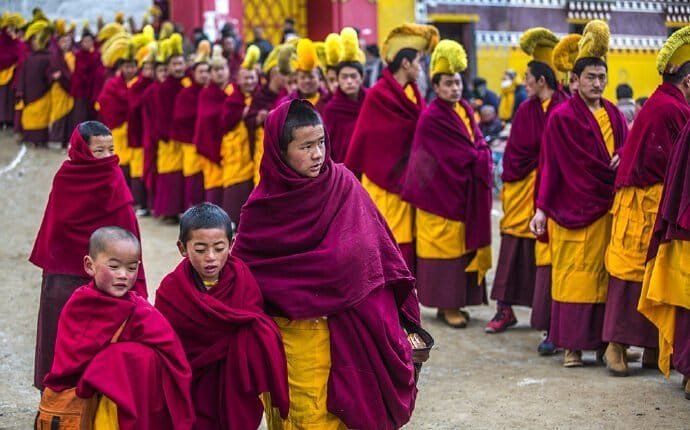
Khalkha Jetsun Dampa — known in Mongolian as Javzandamba Khutagt — is the supreme spiritual leader of the Gelug tradition of Tibetan Buddhism in Mongolia. Historically, this revered figure ranked just below the Dalai Lama and Panchen Lama in the Buddhist hierarchy, highlighting the immense religious importance of the lineage across Central Asia. The title...Read More
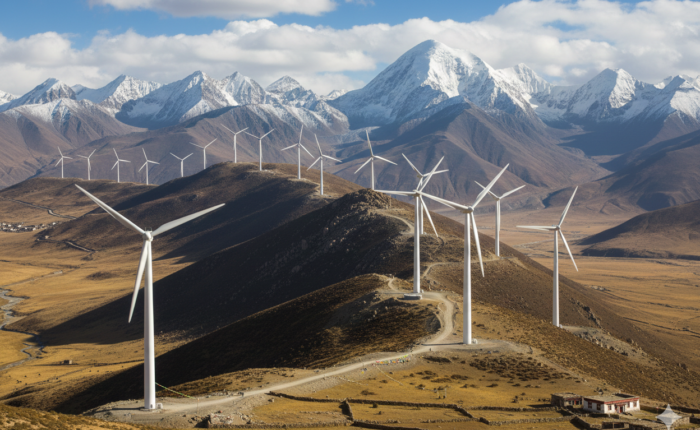
On February 8, Huaneng Group officially connected its first wind power project in Tibet to the grid, achieving a historic milestone in the region’s renewable energy development. The project, known as the Huaneng Caipeng Wind Power Project, represents a major breakthrough for wind energy on the Tibetan Plateau and highlights new progress in Tibet’s clean...Read More
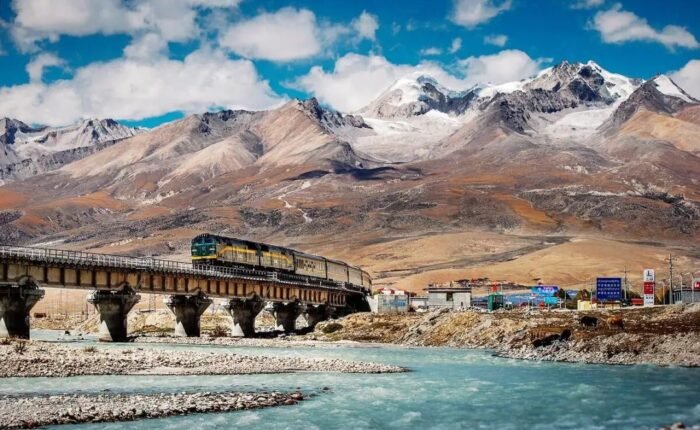
An in-depth look at the Sichuan–Tibet Railway, from engineering teams and cutting-edge technology to how it will transform travel between Chengdu and Lhasa by 2030.Read More
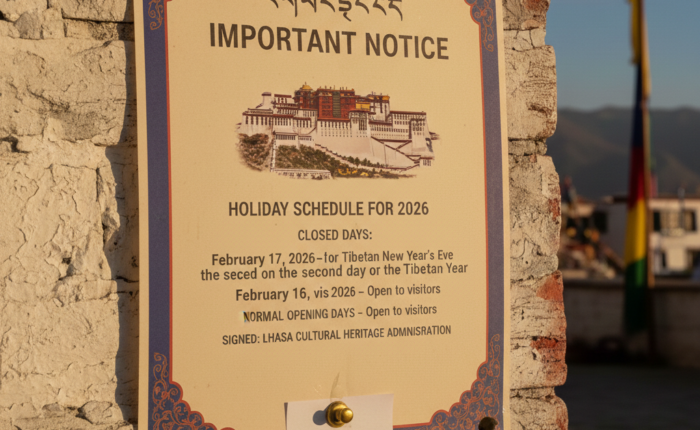
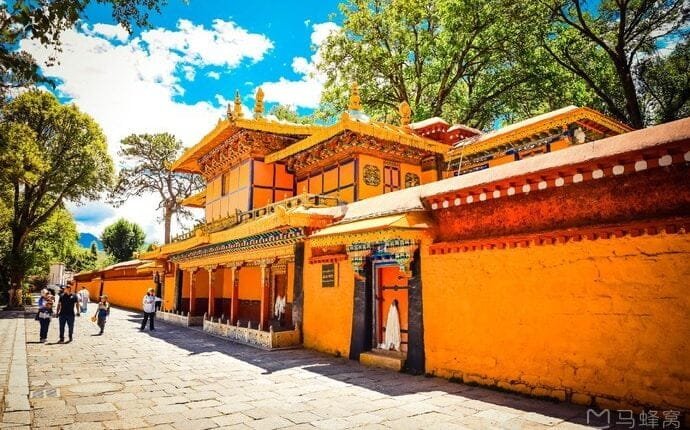
Planning a Tibet trip in February 2026? Check the latest Potala Palace opening dates, closures, special hours, and visitor guidelines during Chinese New Year and Tibetan New Year to plan your visit smoothly.Read More
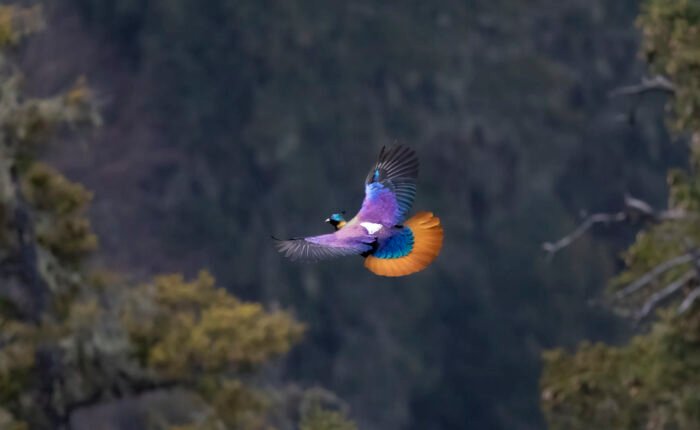
Discover why birdlife matters in Tibet. Learn how cranes, raptors, and geese sustain the plateau’s ecosystem and explore the best birdwatching spots in Lhasa.Read More
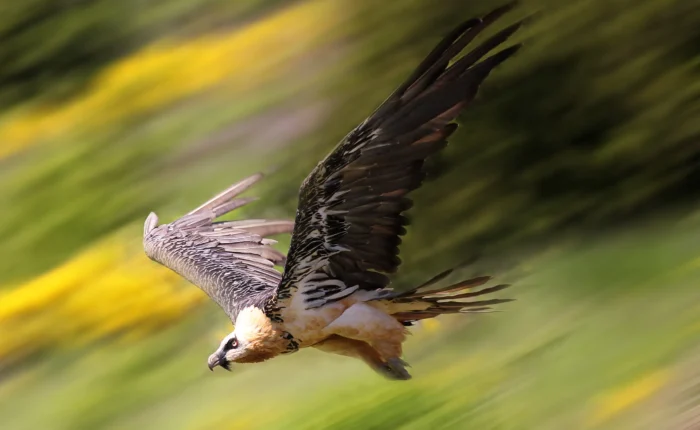
Discover the lammergeier, Tibet’s legendary bearded vulture. Learn its bone-eating habits, unique adaptations, and the best places to spot it on the plateau.Read More
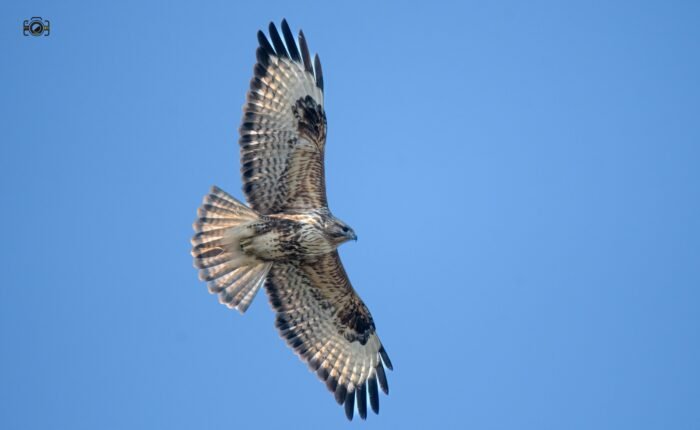
Meet the Upland Buzzard, the powerful “Hero Leopard” of Tibet. Find facts, behavior insights, and expert tips on where to see this majestic high-altitude raptor.Read More
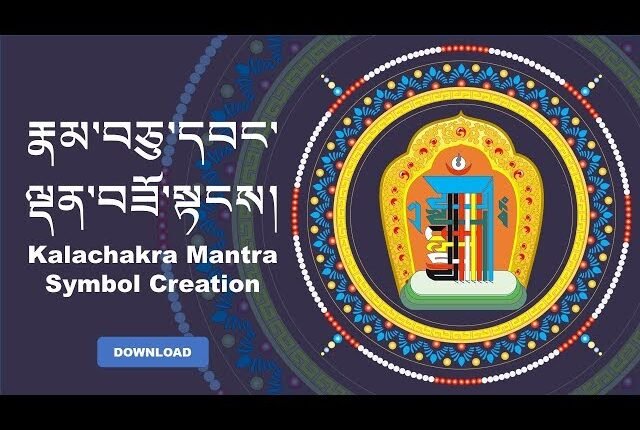
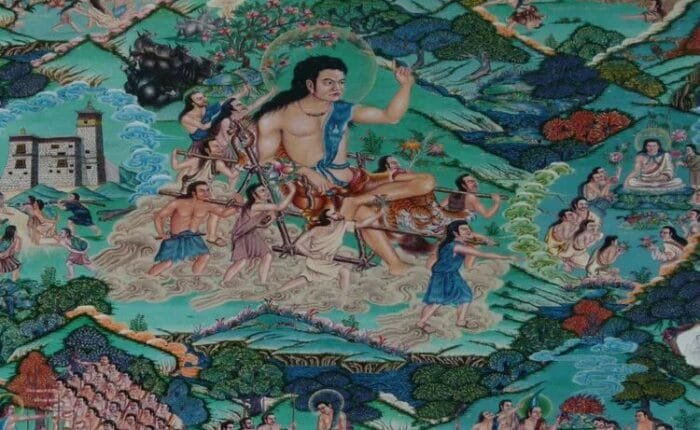
Why is the Namchu Wangden found across Bhutan and Tibet? Uncover the history of the "Ten-Fold Powerful" mantra and its connection to the legendary Shambhala kings.Read More
Tibetan Palace Architecture: Site Selection, Sacred Landscapes, and Palace Layout Tibetan palace architecture reflects a unique balance between strategic defense, religious belief, and harmony with nature. From ancient royal fortresses to spiritual centers like the Potala Palace, the placement and layout of Tibetan palaces reveal how geography, politics, and faith shaped architectural decisions across the...Read More
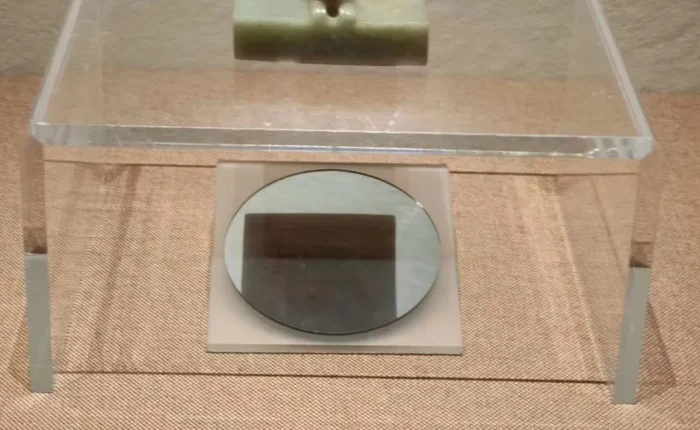
Seal of the Mardrak Military and Civil Myriarchy Date: 1316 CECollection: Tibet Museum The Seal of the Mardrak Military and Civil Myriarchy is a significant administrative artifact from the Sakya dynasty period, offering rare material evidence of governance systems in eastern Tibet during the early 14th century. This seal reflects how political authority, military control,...Read More
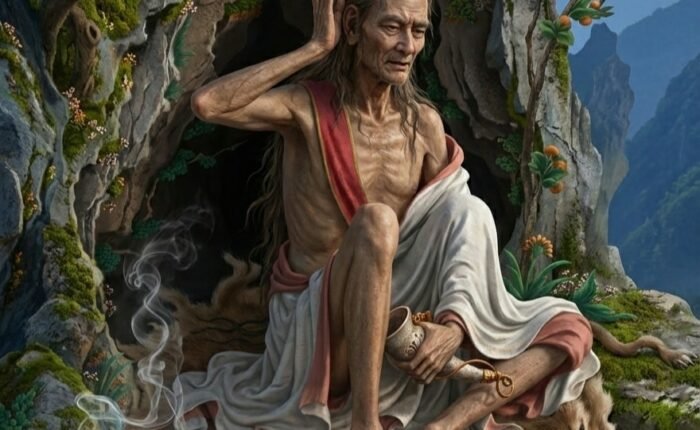
Discover how Tsangnyön Heruka, the Madman of Tsang, organized and rewrote Milarepa’s scattered stories into The Life of Milarepa and The Hundred Thousand Songs, creating a timeless Buddhist masterpiece.Read More
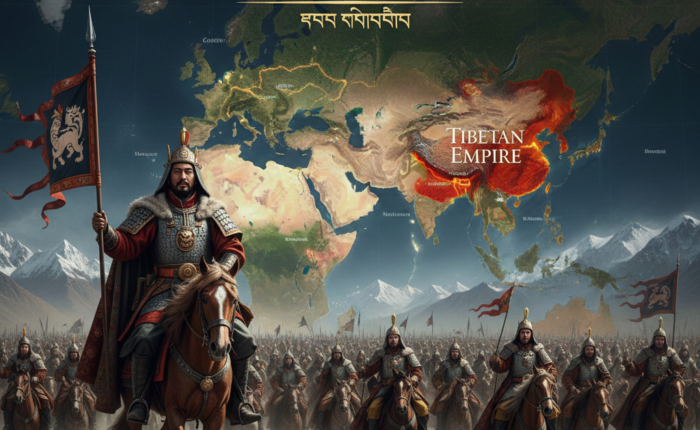
Explore how Tibet rose along the Silk Road, shaping global cultural exchange through Tibetan Buddhism, art, architecture, and religious networks from the Tubo era to the Yuan, Ming, and Qing dynasties.Read More
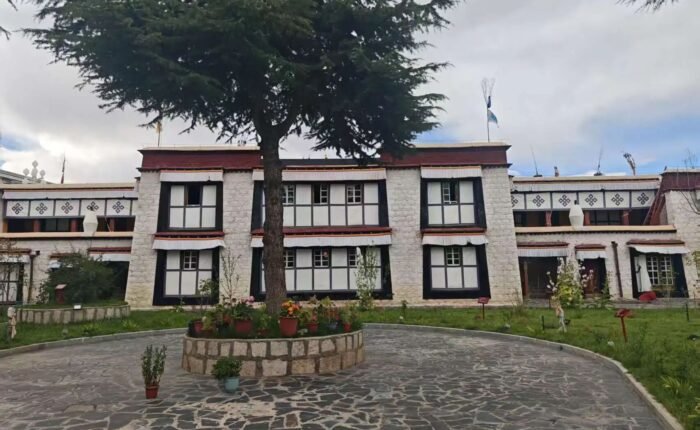
Located in the heart of Lhasa, Men-Tsee-Khang stands as the most important milestone in the modernization of traditional Tibetan medicine. More than a medical institution, it represents the moment when Tibetan healing knowledge moved from monastic transmission into a structured system of education, research, and public healthcare. Established in the early 20th century, Men-Tsee-Khang laid...Read More
Early Tibetan Kings and Dynasties Series Nyatri Tsenpo (Tibetan: གཉའ་ཁྲི་བཙན་པོ།) is recorded in Tibetan tradition as the first Tsenpo (king) in Tibetan history. He stands at the head of the legendary “Seven Heavenly Kings” and is recognized as the founder of the Yarlung (Tubo) royal lineage, making him a central figure in the origins of...Read More
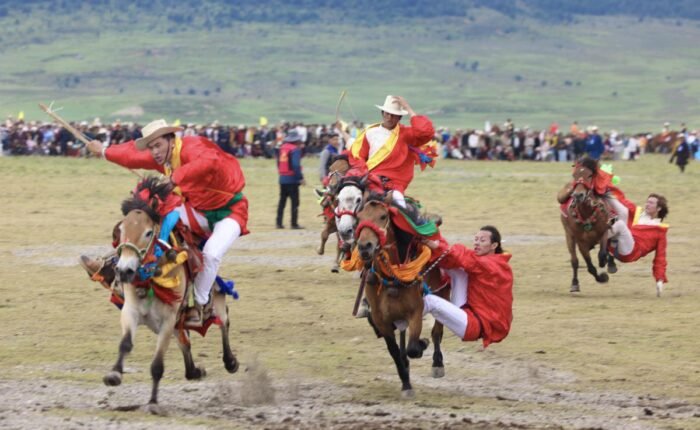
The Damshung Horse Racing Festival, also known as the Dam Kyireng Horse Racing Festival, is one of the most important traditional festivals on the northern Tibetan grasslands. Recognized as a National Intangible Cultural Heritage of China (Second Batch), the festival carries deep historical, cultural, and social meaning rooted in Tibetan nomadic life. Held on the...Read More