

Mount Everest continues to capture the imagination of adventurers worldwide. As the highest mountain on Earth, it represents the ultimate test of endurance, skill, and determination. The upcoming climbing season is expected to be one of the busiest in recent years, with thousands of climbers, guides, and Sherpas preparing for the ascent.
From record-breaking summit predictions to the reopening of the Tibetan side, this guide explores who is climbing Everest this year, what is driving the surge in expeditions, and what climbers should know before attempting the world’s most legendary peak.
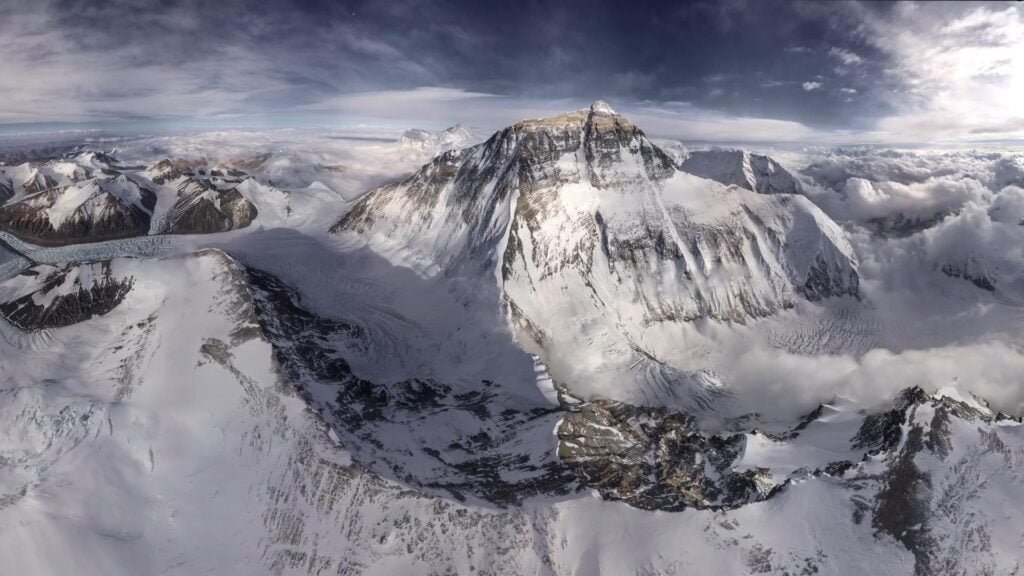
Everest Climbing Season Overview
According to respected mountaineering analyst Alan Arnette, the Everest climbing season is shaping up to attract massive participation.
Expected Number of Climbers
- Nepal (South Side):
- Around 600 foreign climbers
- Approximately 900 Sherpas
- Estimated total: 1,700 climbers
- Tibet (North Side):
- About 100 foreign climbers
- A similar number of local climbers and Tibetan Sherpas
Combined projection: Nearly 1,950 climbers could attempt Everest this spring.
Weather will play a decisive role. Favorable summit windows — especially when winds remain below 48 km/h (30 mph) — dramatically increase the chances of success.
Summit Success Rates and Potential Records
Data from the Himalayan Database shows that Everest achieved a 60% summit success rate in 2023. If similar conditions persist, over 1,100 climbers could stand on the summit this season.
Sherpas are expected to account for roughly half of all successful ascents, reflecting their critical role in route setting, load carrying, and guiding.
Should these projections hold true, the season could surpass the previous record of 877 summits set in 2019, reinforcing Everest’s enduring global appeal.
Why More People Are Climbing Everest
Several economic and logistical factors are fueling the surge in Everest expeditions.
Rising Permit Fees
The Nepalese government plans to increase Everest climbing permits from $11,000 to $15,000 by 2025. Many climbers are choosing to attempt the mountain now before the higher fees take effect.
Competitive Expedition Pricing
Local Nepalese operators have intensified competition, with some packages dropping to around $30,000, significantly lower than Western expedition companies that may charge $75,000 or more.
This price gap has opened the door for a broader range of climbers who previously viewed Everest as financially out of reach.
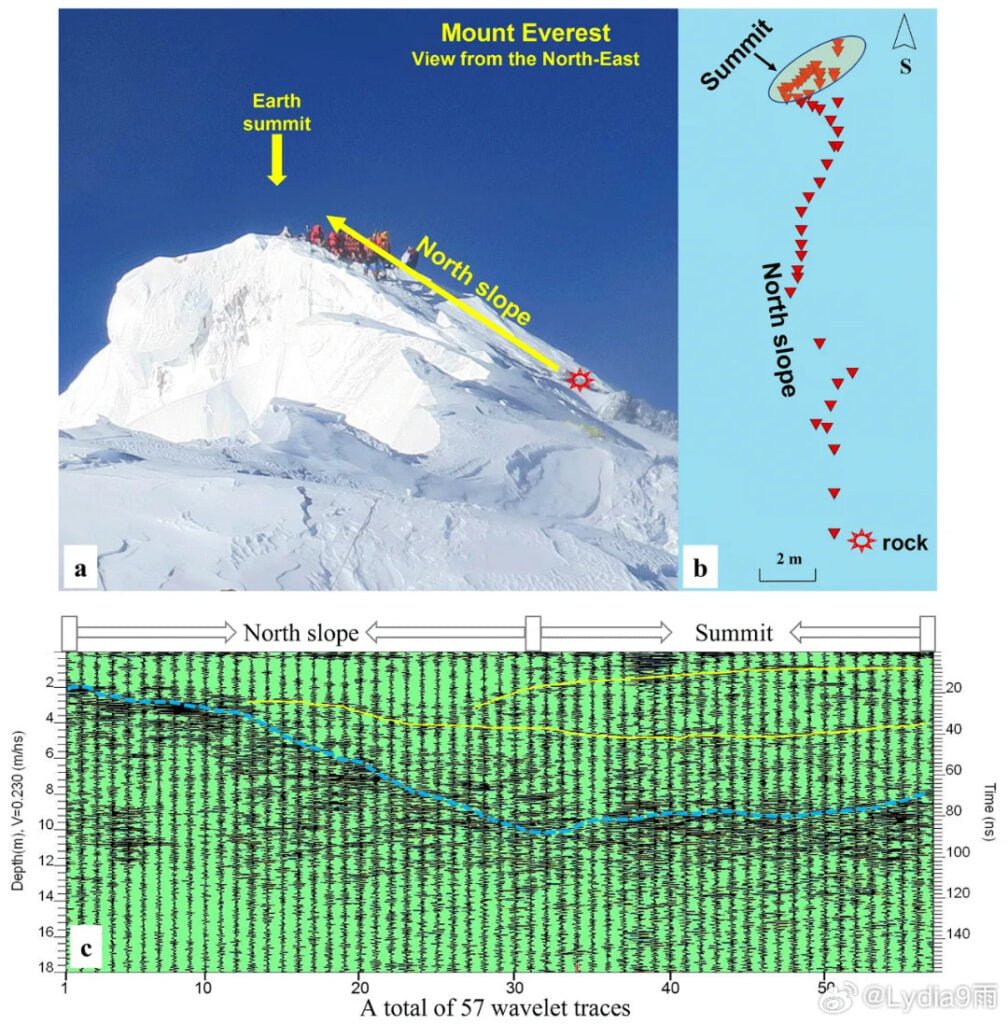
The Hidden Risks of Budget Everest Expeditions
While lower prices make Everest more accessible, they can also introduce serious risks.
Budget packages often provide only basic support, including:
- Simple tents
- Limited meal options
- Minimal guiding services
- Reduced safety infrastructure
In some cases, climbers may ascend without close guide supervision during critical stages of the climb. For inexperienced mountaineers, this stripped-down approach can significantly increase danger on a mountain already known for unpredictable conditions.
Choosing an expedition should never be based on price alone — experience, safety protocols, and guide expertise matter far more at extreme altitude.
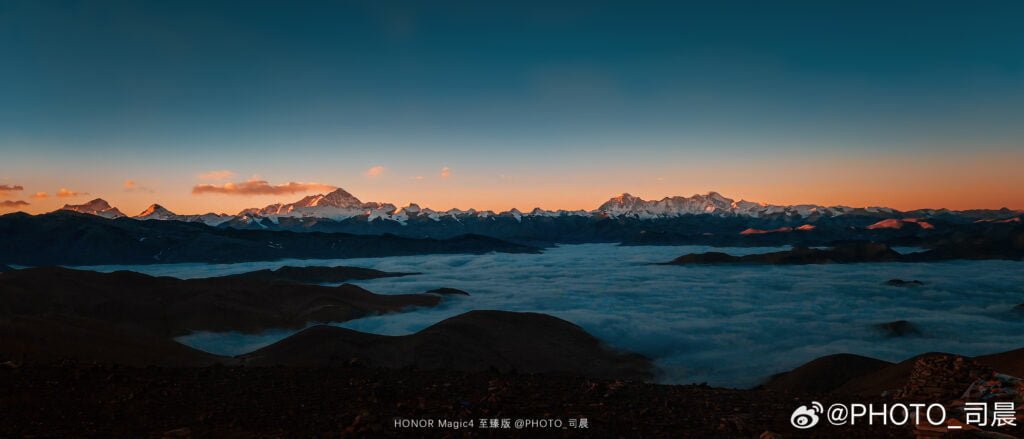
The Timeless Allure of Mount Everest
Everest’s attraction remains as powerful as ever. Climbers are drawn by the prestige of standing atop the world’s highest point and by the spirit of adventure that defines Himalayan mountaineering.
Modern expeditions rely heavily on:
- Supplemental oxygen
- Fixed ropes
- Experienced Sherpa teams
- Established climbing routes
Yet the mountain demands respect. A recent season recorded 18 fatalities, many believed to have been preventable, highlighting the importance of preparation, responsible decision-making, and strong leadership.
The Reopening of Everest’s Tibetan Side
One of the most significant developments in recent climbing history is the reopening of the North Face via Tibet to foreign climbers.
Since 2020, access to major eight-thousander peaks in the Tibetan Autonomous Region had largely been restricted to Chinese climbers. Although reopening was announced earlier, visa delays prevented international teams from returning.
Now, excitement is building as major operators prepare their comeback.
Notable Teams Returning to the North Side
- Alpenglow Expeditions, led by Adrian Ballinger
- Kobler & Partner
- Furtenbach Adventures
- Seven Summits Treks
- Climbalaya
On the Tibetan route, the use of supplemental oxygen is mandatory for all climbers — a regulation aimed at improving safety at extreme altitude.
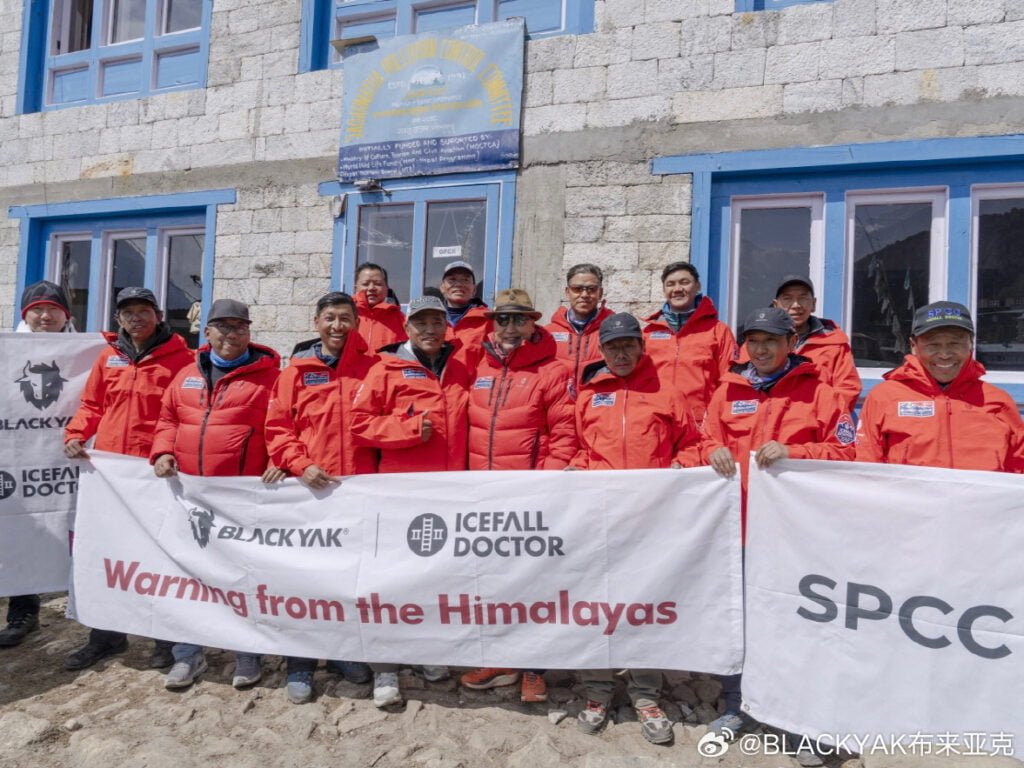
Leading Expedition Companies on Everest
Seven Summit Treks (SST)
Seven Summit Treks remains one of the most influential operators in the Himalayan climbing industry.
Confirmed for this season:
- 65 climbers on Everest’s South Side
- Expeditions across multiple eight-thousanders, including Kanchenjunga, Lhotse, Makalu, Dhaulagiri I, and Annapurna I
Industry reports suggest that over 300 climbers have already booked their Everest attempt, with numbers expected to grow as the season approaches.
On average, each foreign climber is supported by about 1.5 Sherpas, underscoring the teamwork required to summit safely.
Everest Routes: South vs. North
Southeast Ridge (Nepal)
The Southeast Ridge remains the most popular route due to its established infrastructure and logistical support.
Confirmed teams include:
- 8k Expeditions – 45 climbers
- Asian Trekking – 25 climbers
- Elite Expeditions – 20 climbers
- Imagine Nepal – 35 climbers
- Pioneer Adventures – 27 climbers
- Seven Summit Adventure – 15 climbers
- Seven Summits Treks – 65 climbers
Many additional operators are fielding smaller teams, contributing to the crowded conditions often seen during summit windows.
Northeast Ridge (Tibet)
Teams preparing for the Tibetan approach include:
- Ascent Himalayas
- Climbalaya
- Seven Summits Treks
- Dreamers Destination
- Transcend Adventures
The North Side is typically less crowded but more exposed to harsh winds, making it technically demanding despite fewer climbers.
Western Expedition Teams
Western operators continue to attract climbers seeking structured logistics and higher safety standards. Recent estimates suggest roughly 227 foreign climbers joining these expeditions.
Prominent teams include:
- International Mountain Guides – 35 climbers
- Madison Mountaineering – 25 climbers
- Furtenbach Adventures – 22 climbers
- 7 Summits Club – 30 climbers
- Adventure Consultants – 10 climbers
- Alpine Ascents International – 7 climbers
These companies often emphasize guide ratios, weather forecasting, medical support, and acclimatization strategies.
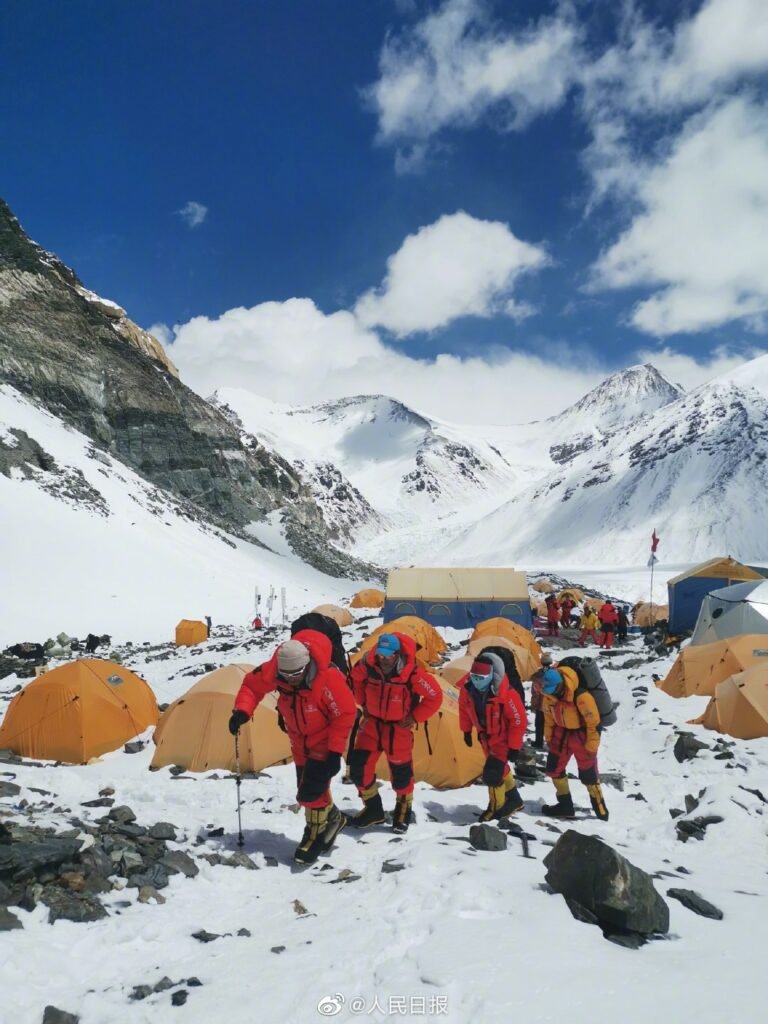
Regulations, Sustainability, and Ongoing Challenges
As Everest grows busier, authorities continue introducing regulations aimed at improving safety and environmental protection.
Waste Management Efforts
Climbers are required to manage waste responsibly, using systems such as WAG bags and tracking devices. However, enforcement remains a concern among industry observers.
Base Camp Rules
Restrictions on luxury facilities have eased slightly, allowing larger dining and rest tents — though certain amenities remain prohibited.
Helicopter Logistics
New policies attempt to limit helicopter supply flights to South Base Camp. Still, practical challenges and limited local transport infrastructure may affect enforcement.
Safety Remains the Top Priority
With nearly two thousand climbers expected across both sides of Everest, the focus for expedition leaders remains clear:
- Improve safety standards
- Strengthen guide support
- Monitor weather carefully
- Promote responsible climbing
- Ensure every climber has the best chance of returning home safely
Alongside Everest, neighboring giants like Lhotse and Makalu are also drawing strong interest, signaling another dynamic season in the Himalayas.
Planning an Everest Adventure: What Future Climbers Should Know
Preparing for Everest requires far more than ambition. Successful climbers typically invest years building high-altitude experience, physical endurance, and mental resilience.
Key considerations include:
- Selecting a reputable expedition company
- Understanding altitude risks
- Training extensively
- Budgeting realistically
- Securing permits early
- Monitoring seasonal weather patterns
As participation continues to grow, the balance between accessibility and safety becomes increasingly important for the future of Everest mountaineering.