

Cordyceps Sinensis has long been regarded as one of the world’s most precious natural health supplements. Often described as “rarer than gold,” this unique fungus has earned global attention for its potential health benefits, especially in supporting immunity, energy levels, and organ function. However, while many believe that the wild variety is always superior, modern research suggests that cultivated cordyceps may offer comparable — and sometimes even higher — concentrations of active compounds at a much more affordable price.
In this guide, explore what Cordyceps Sinensis is, its nutritional value, scientifically supported benefits, and the most effective ways to consume it.
What Is Cordyceps Sinensis?
Cordyceps Sinensis is a medicinal fungus traditionally used in Asian wellness practices. Historically, it gained early medical attention in Japan, where it was used as part of supportive treatment for respiratory illnesses such as tuberculosis. One traditional preparation involved steaming cordyceps inside a duck’s neck — a method believed to enhance its therapeutic properties.
Today, Cordyceps is widely studied for its potential role in supporting lung health, improving stamina, and strengthening the immune system. Because wild Cordyceps grows only in high-altitude regions under very specific environmental conditions, it remains extremely expensive — sometimes reaching prices of 180,000 yuan per kilogram.
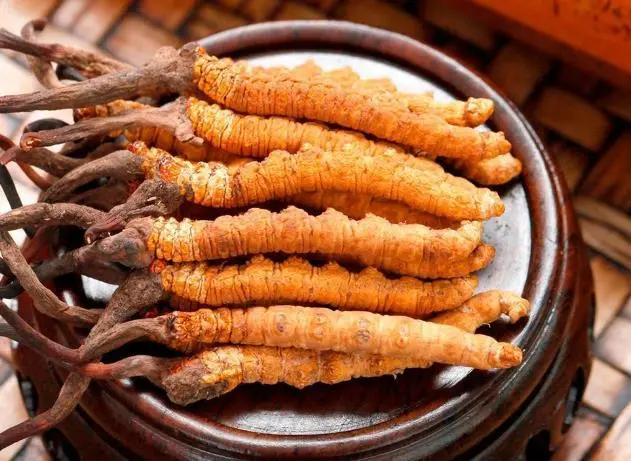
Wild vs. Cultivated Cordyceps: Which Is Better?
The belief that “the rarer, the better” often drives demand for wild Cordyceps Sinensis. However, advancements in biotechnology have made cultivated cordyceps a powerful alternative.
Modern cultivated cordyceps is grown using spores derived from Cordyceps Sinensis and produced in controlled environments. Scientific testing has shown that some cultivated varieties contain higher concentrations of effective compounds than the natural mycelium.
Key Advantages of Cultivated Cordyceps
- More affordable than wild cordyceps
- Consistent quality and potency
- Sustainable production
- Widely available
Often referred to as “Northern Cordyceps” or next-generation cordyceps, it can be stewed, brewed into tea, or added to meals while still offering strong nutritional benefits.
Nutritional Value of Cordyceps Sinensis
Cordyceps is valued for its bioactive compounds, including cordycepin, polysaccharides, and antioxidants. These components contribute to its reputation as a natural wellness booster.
Below are some of the most recognized health-supporting properties.
1. Supports Immune System Function
Think of the immune system as the body’s defense army. It protects against bacteria, viruses, and abnormal cell growth while clearing out damaged tissues.
Cordyceps Sinensis may help regulate immune responses by:
- Promoting antibody production
- Increasing the activity of protective immune cells
- Enhancing pathogen defense
- Supporting balanced immune regulation
Rather than simply overstimulating immunity, cordyceps is believed to help maintain the body in an optimal defensive state.
2. Potential Anti-Tumor Properties
Laboratory research suggests that extracts of Cordyceps Sinensis may inhibit the growth of tumor cells. The compound cordycepin is considered a key contributor to this effect and continues to be studied for its therapeutic potential.
While promising, cordyceps should always be viewed as a supportive supplement — not a replacement for professional medical treatment.
3. Boosts Energy and Reduces Fatigue
Cordyceps may enhance the function of mitochondria — the energy-producing centers of human cells. Improved cellular energy can lead to:
- Better stamina
- Reduced fatigue
- Improved tolerance to cold environments
- Enhanced physical performance
This is one reason athletes and travelers heading to high-altitude regions often show interest in cordyceps-based supplements.
4. Supports Heart Health
Research indicates that Cordyceps Sinensis may help regulate cardiovascular function by:
- Improving the heart’s tolerance to low oxygen levels
- Reducing oxygen demand
- Supporting stable heart rhythms
These properties make it a popular choice among individuals focused on long-term wellness.
5. Helps Protect Liver Function
The liver plays a critical role in detoxification and metabolism. Cordyceps may assist by:
- Reducing liver damage caused by toxins
- Supporting immune-related antiviral activity
- Helping lower the risk of liver fibrosis
Because liver and kidney health are closely connected, cordyceps is often considered a supportive supplement for overall organ protection.
Traditional and Modern Ways to Eat Cordyceps Sinensis
Choosing the right preparation method can significantly influence how effectively the body absorbs cordyceps nutrients.
1. Brew Cordyceps as Tea (Highly Recommended)
Using cordyceps as a tea is one of the simplest and most effective methods.
How to prepare:
- Simmer cordyceps gently for about 6–10 minutes
- Drink immediately after brewing
- Continue adding hot water as you sip
The tea typically transitions from light to rich in color before becoming pale again. The darkest stage is believed to contain the highest nutritional value, so avoid discarding it too early. A single batch can often be refilled 4–6 times and enjoyed for up to half an hour.
Once the tea becomes nearly colorless, the softened cordyceps can be eaten.
2. Stew with Meat (Traditional Method)
Cooking cordyceps with meats such as chicken, duck, or pork is a time-honored approach in Asian cuisine. Different meats are believed to enhance specific health benefits.
Drawback:
This method is flavorful but may not be practical for daily, long-term consumption.
3. Cordyceps Powder
Powdered cordyceps is convenient but should be sourced carefully to ensure purity and quality. Regular intake is important for consistency, and products from reputable suppliers are strongly recommended.
4. Cordyceps-Infused Liquor
Another traditional preparation involves soaking 10 grams of cordyceps in 1 jin (about 500 ml) of liquor. After sealing for around 15 days, a small cup can be consumed morning and evening.
As with any alcohol-based remedy, moderation is essential.
Cordyceps Glutinous Rice Porridge Recipe
A warm, nourishing porridge is an excellent way to incorporate cordyceps into your diet.
Ingredients
- 5g Cordyceps Sinensis
- 50g glutinous rice
- Rock sugar (to taste)
Preparation Steps
- Grind the cordyceps into powder.
- Wash the glutinous rice thoroughly.
- Add water to a casserole pot and combine the rice with rock sugar.
- Cook until the rice softens.
- Stir in the cordyceps powder and simmer briefly before serving.
This dish is gentle on digestion and suitable for colder seasons.
Why Cordyceps Remains So Valuable
Several factors contribute to the high status of Cordyceps Sinensis:
- Extremely limited natural habitat
- Difficult harvesting conditions
- Strong demand worldwide
- Expanding scientific interest
Yet as cultivated options become more advanced, consumers now have access to effective cordyceps without the extraordinary price tag.
Who Might Consider Cordyceps?
Cordyceps is commonly explored by people looking to support:
- Immune resilience
- Respiratory wellness
- Liver and kidney health
- Energy levels
- Recovery from fatigue
However, anyone with existing medical conditions should consult a healthcare professional before adding new supplements to their routine.
A Modern Perspective on an Ancient Super Fungus
Cordyceps Sinensis stands at the intersection of tradition and modern science. Once reserved for royalty and elite healers, it is now gaining recognition worldwide as research continues to uncover its potential.
Whether consumed as a soothing tea, nourishing porridge, or modern supplement, cordyceps represents a fascinating example of how ancient natural remedies continue to influence contemporary wellness practices.