A Tibet Bhutan tour is a transformative Himalayan journey that blends spiritual depth, ancient traditions, dramatic landscapes, and deep cultural immersion. As neighboring regions sharing strong Buddhist heritage yet maintaining distinct identities, Tibet and Bhutan create a seamless travel experience filled with monasteries, mountain passes, and sacred sites.
Operated by licensed agencies like us, these tours typically last 10–15 days and combine overland drives, short flights, and guided cultural exploration. With 2026 travel planning underway, early preparation is essential, as permits and festival dates require advance booking.
Whether entering Tibet via Kathmandu or Chengdu, travelers should expect high-altitude acclimatization, monastery visits, sacred lakes, and encounters with nomadic culture—all while respecting local customs and traditions.
Why Choose a Tibet Bhutan Tour?
This combined itinerary highlights two extraordinary Himalayan destinations:
- Tibet – “The Roof of the World”
- Bhutan – “The Land of the Thunder Dragon”
Together, they offer a rare blend of spirituality, mountain adventure, and sustainable travel. Bhutan emphasizes Gross National Happiness and low-impact tourism, while Tibet presents vast plateaus and centuries-old monasteries.
Spiritual Landmarks
A Tibet Bhutan tour includes some of the most sacred Buddhist sites in the world:
- Potala Palace in Lhasa
- Tashilhunpo Monastery in Shigatse
- Punakha Dzong in Bhutan
- Tiger’s Nest Monastery (Taktsang) perched on a cliff in Paro
These sacred places offer insight into Himalayan Buddhism and monastic life.
Natural Wonders
From Tibet’s high plateau to Bhutan’s forested valleys, the landscapes are unforgettable:
- Everest Base Camp (Tibet side)
- Yamdrok Lake
- Karola Glacier
- Bhutan’s rhododendron-filled valleys
The scenery changes from wide open grasslands to lush mountain slopes, creating a diverse Himalayan experience.
Cultural Immersion
A Tibet Bhutan tour allows you to:
- Observe monks during prayers and debates
- See prayer flags flutter across mountain passes
- Visit traditional villages
- Taste local dishes such as momos and butter tea
Travelers gain meaningful interaction with local communities while exploring two distinct Himalayan cultures.
12-Day Tibet Bhutan Tour Itinerary Overview
Most combined tours begin in Tibet to allow gradual altitude adjustment before flying to Bhutan.
Tibet Bhutan Tour Itinerary: 12 Days from Lhasa to Paro
This 12-day Tibet Bhutan tour connects the spiritual heart of Tibet with the peaceful valleys of Bhutan. The journey combines high-altitude landscapes, sacred monasteries, Himalayan views, and rich cultural experiences. From Lhasa to Everest Base Camp and onward to Paro, each day offers meaningful exploration across two unique Himalayan regions.
Days 1–3: Arrival in Lhasa – Acclimatization and City Highlights
Your journey begins at Lhasa Gonggar Airport, located about one hour from downtown Lhasa. At 3,650 meters above sea level, proper acclimatization is important. After hotel check-in, rest well, drink plenty of water, and avoid intense physical activity on the first day. Light walking around the hotel area is recommended.
Over the next two days, explore Lhasa’s most important landmarks.
Two days Lhasa Sightseeing
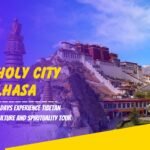
Visit the iconic Potala Palace, the former winter residence of the Dalai Lamas. The palace rises above the city and features sacred chapels, golden stupas, and historic murals. Walking through its halls provides insight into Tibetan Buddhism and royal history.
Continue to Jokhang Temple, the most sacred temple in Tibet. Pilgrims gather here daily, performing prostrations and offering butter lamps. The spiritual atmosphere is powerful and authentic.
Step outside to explore Barkhor Street, the traditional pilgrimage route circling Jokhang Temple. The street is lined with shops selling prayer beads, thangka paintings, and Tibetan handicrafts. Locals and pilgrims walk clockwise around the temple throughout the day.
You may also visit Sera Monastery to observe the famous monk debates. In the monastery courtyard, monks engage in animated philosophical discussions, clapping their hands to emphasize key points. This optional experience offers deeper understanding of Tibetan monastic education.
Overnight in Lhasa.
Days 4–5: Lhasa to Shigatse via Gyantse – Scenic Plateau Drive
Leave Lhasa and begin a scenic overland journey toward Shigatse. The route crosses mountain passes and wide plateau landscapes.
Stop at the breathtaking Yamdrok Lake, one of Tibet’s most sacred lakes. Its turquoise waters contrast beautifully with surrounding mountains.
Continue to Karola Glacier, where large ice formations descend close to the roadside. The glacier creates a dramatic and memorable photo stop.
In Gyantse, visit the historic Gyantse Kumbum, a multi-tiered stupa containing numerous chapels and detailed murals that represent different Buddhist teachings.
Arrive in Shigatse and explore Tashilhunpo Monastery, the traditional seat of the Panchen Lama. The monastery complex includes large prayer halls, golden statues, and a towering statue of Maitreya Buddha.
Overnight in Shigatse.
Day 6: Everest Base Camp Excursion
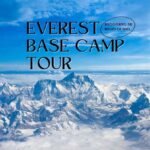
Today you have the option to travel toward Mount Everest from the Tibetan side. Drive across remote valleys and open plateau scenery to Rongbuk Monastery, known as the highest monastery in the world.
From this area, enjoy panoramic views of Everest Base Camp, where the north face of Mount Everest rises dramatically. Visibility depends on weather conditions, but clear days offer remarkable Himalayan views.
After the excursion, return to Tingri or Shigatse for overnight stay.
Day 7: Fly to Paro, Bhutan
Transfer to the airport for your flight from Tibet to Bhutan. The Himalayan route offers impressive aerial views of snow-covered peaks before landing in Paro Valley.
Upon arrival, visit Paro Dzong, a traditional fortress-monastery overlooking the Paro River. Its architecture reflects classic Bhutanese design.
Continue to the National Museum of Bhutan, located in a historic watchtower. The museum displays Bhutanese art, textiles, and religious artifacts.
Overnight in Paro.
Days 8–9: Thimphu and Punakha – Bhutan’s Cultural Heart
Drive to Thimphu, the capital of Bhutan. Visit the impressive Buddha Dordenma, a massive statue overlooking the valley that symbolizes peace and harmony.
Explore the Folk Heritage Museum to learn about traditional Bhutanese rural life, culture, and architecture.
Continue over the scenic Dochu La Pass, known for its 108 memorial chortens and sweeping Himalayan views.
Descend into the Punakha Valley and visit the beautiful Punakha Dzong, located at the meeting point of two rivers. This fortress is one of Bhutan’s most important historical landmarks.
Overnight in Punakha.
Days 10–11: Bumthang or Haa Valley Exploration
Depending on the selected route, travel east or west within Bhutan.
If traveling east, explore Bumthang Valley and visit Jakar Dzong, which overlooks the valley and serves as a major religious center. The area is known for sacred temples and peaceful countryside.
Alternatively, head west to Haa Valley, a quiet region known for mountain scenery, rural villages, and serene walking trails.
Overnight in Bumthang or return to Paro.
Day 12: Tiger’s Nest Hike and Departure
On the final day, hike to the iconic Tiger’s Nest Monastery, perched on a cliff 900 meters above Paro Valley. The trail passes through pine forests and scenic viewpoints along the way.
Tiger’s Nest is one of Bhutan’s most sacred pilgrimage sites and a highlight of the journey.
After completing the hike, transfer to Paro Airport for departure.
Cultural Festivals in Tibet and Bhutan (2026)
Festival timing depends on the lunar calendar, making advance planning important. Many travelers choose Tibet Bhutan tours specifically to attend these vibrant cultural events.
Major Tibet Festivals
- Losar (Tibetan New Year) – February 18, 2026
Celebrated across Lhasa with family gatherings and monastery rituals. - Saga Dawa – May 31, 2026
Honors Buddha’s life and enlightenment. Pilgrims visit sacred sites including Mount Kailash. - Shoton Festival – August 12, 2026
Known for yogurt banquets and Tibetan opera performances in Lhasa. - Nagqu Horse Racing Festival – Early August
Features nomadic sports and traditional celebrations on the northern plateau.
Major Bhutan Festivals (Tshechus)
- Punakha Tshechu – February 27–28, 2026
Masked dances at Punakha Dzong honoring Guru Rinpoche. - Paro Tshechu – March 29–April 2, 2026
Famous for the unfurling of a giant sacred tapestry and cham dances. - Thimphu Tshechu – September 21–23, 2026
Grand performances at Tashichho Dzong. - Black-Necked Crane Festival – Around November 11
Held in Phobjikha Valley celebrating migratory birds.
Spring (March–May) and autumn (September–November) are peak festival seasons, offering mild weather and cultural richness. Early booking—at least 3–6 months ahead—is recommended for popular events.
Cost and Travel Information (2026)
Tibet Bhutan tour packages typically range from USD 2,500–4,000 per person, depending on group size and customization.
Packages generally include:
- Tibet Travel Permit
- Bhutan visa and Sustainable Development Fee (SDF)
- Licensed guides
- Transportation
- Basic accommodations
Practical Travel Considerations
Permits and Visas
- Tibet requires a Chinese visa (if applicable) and a Tibet Travel Permit arranged by a registered agency.
- Bhutan requires a visa and guided tour arrangement.
Independent travel is not permitted in either destination.
Best Time to Visit
April to October offers clearer skies and stable road conditions. Festival seasons bring vibrant cultural experiences but also increased visitor numbers.
Health and Packing
- Altitude sickness medication is recommended.
- Pack warm layers, even in spring and autumn.
- Use sunscreen at high altitude.
- Dress modestly when visiting monasteries and religious sites.
A Tibet Bhutan tour brings together sacred monasteries, Himalayan peaks, vibrant festivals, and profound cultural experiences across two extraordinary Himalayan destinations.