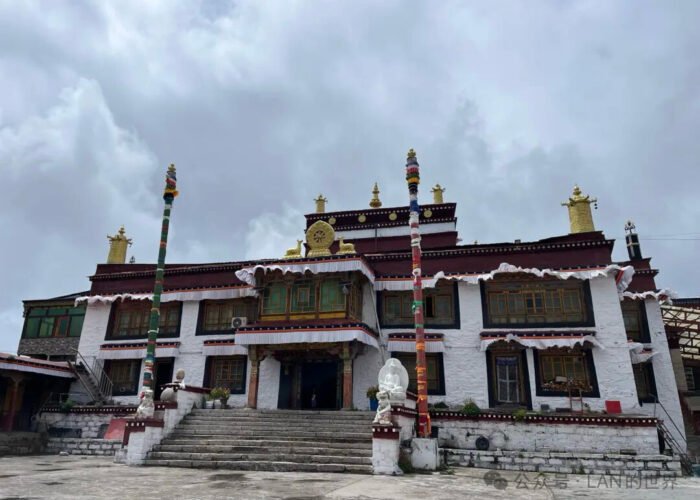
Nestled in Zongxi Township of Mangkang County, Gyise or Jise Monastery (གྱི་སེའི་དགོན་པ།) —is an important center of Nyingma sect in eastern Tibet. Among the 52 monasteries in Mangkang County, Jise Monastery is especially renowned for its outstanding preservation of ancient Buddhist statues, stupas, and scriptures, making it a vital guardian of Tibetan religious and cultural heritage.
Location and Geographic Setting
Jise Monastery (吉色寺) is located in Tonggu Village (通古村), Zongxi Township (宗西乡), Mangkang County (芒康县), within Qamdo Prefecture (昌都市) of the Tibet Autonomous Region.
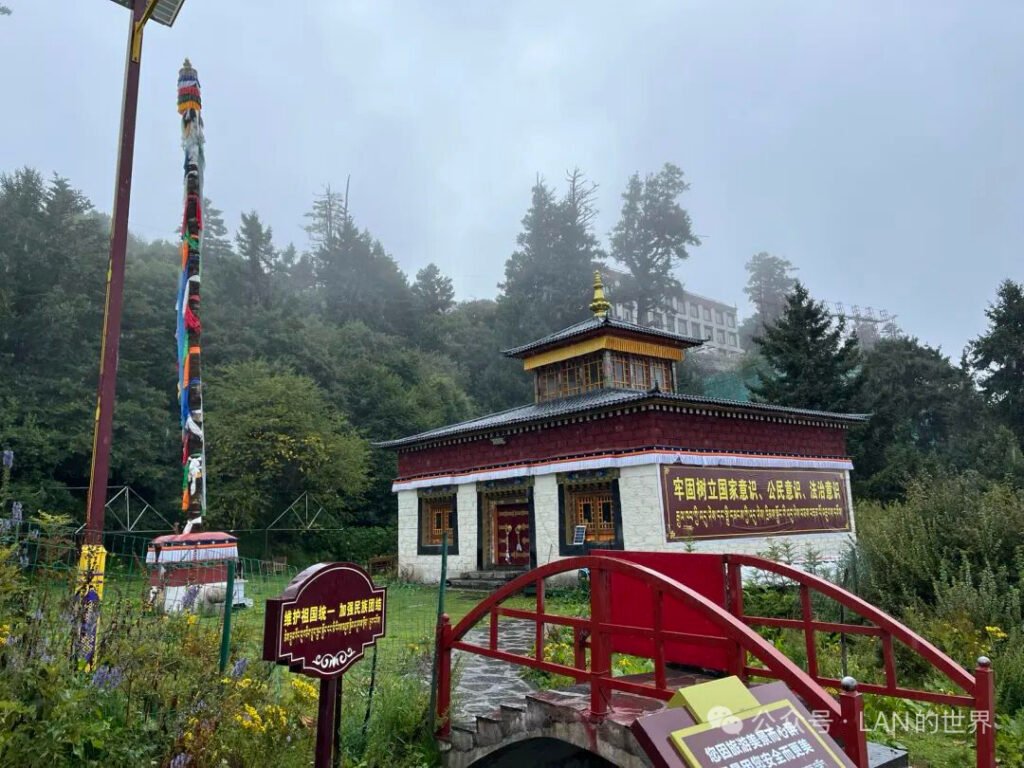
Situated about 70 kilometers northeast of the Mangkang County seat, the monastery rests at an altitude of approximately 4,000 meters, surrounded by vast mountain landscapes that enhance its sense of spiritual isolation and sanctity.
Founding History of Jise Monastery
Jise Monastery was founded in 1538 AD, by the revered master Gyise Ogyen Tenpa. As a Nyingma monastery, it follows the oldest school of Tibetan Buddhism, emphasizing ancient tantric teachings, meditation practices, and the direct transmission of spiritual lineages.
Over the centuries, Jise Monastery has developed into a respected religious center while maintaining its traditional character and sacred treasures.
The Tang Dynasty Shakyamuni Buddha Statue
The most precious treasure of Jise (Gyise) Monastery is its Shakyamuni Buddha statue from the Tang Dynasty. This statue is widely believed to be an early prototype of the famous Jokhang Temple Shakyamuni Buddha in Lhasa, giving it exceptional historical and artistic value.
Shakyamuni Buddha, born as Siddhartha Gautama, is the founder of Buddhism and is revered as the “Sage of the Shakyas.” The statue at Jise Monastery reflects the refined style of Tang Dynasty Buddhist art.
Artistic Characteristics
The Buddha is depicted:
- Seated on a lotus-lion throne, symbolizing purity and authority
- Wearing a simple monastic robe, elegantly draped
- Holding a begging bowl, representing renunciation and compassion
- With coiled hair, a partially bare chest, and flowing garments
Gilded in gold, the statue conveys both royal dignity and gentle compassion. The Buddha’s faint smile expresses wisdom, serenity, and boundless benevolence, making it one of the most revered Buddhist images in the region.
Ganden Chorten Stupas and Sacred Relics
In addition to the Shakyamuni Buddha statue, Jise Monastery preserves a pair of rare Ganden Chorten Stupas, dating back to the Tang Dynasty period. These stupas hold deep symbolic meaning in Tibetan Buddhism, representing the enlightened mind of the Buddha and serving as powerful objects of devotion.
The monastery also safeguards a rich collection of religious artifacts and texts from later dynasties, including:
- Yuan Dynasty Buddhist objects
- Ming Dynasty ritual implements and manuscripts
- Qing Dynasty scriptures, artworks, and ceremonial items
Together, these treasures reflect the continuous transmission of Buddhist teachings across different historical periods and reinforce Jise Monastery’s role as a cultural and spiritual archive.
A Living Nyingma Monastery Today
Today, Jise (Gyise) Monastery remains an active religious community with more than 80 monks. Daily life revolves around chanting, meditation, ritual ceremonies, and the study of Nyingma tantric teachings.
Rather than being only a historical site, the monastery continues to function as a living center of Buddhist practice, where ancient traditions are actively preserved and passed down to future generations.
Spiritual and Cultural Importance of Jise Monastery
With its high-altitude setting, rare Tang Dynasty Buddha statue, Ganden Chorten Stupas, and extensive collection of dynastic relics, Jise Monastery stands as a bridge between ancient Tibetan Buddhism and the present day. For pilgrims, scholars, and culturally curious travelers, it offers a profound opportunity to experience the depth, continuity, and artistic brilliance of Nyingma Buddhism in Mangkang County.