
Lhasa South Mountain Park, also known as Lhasa Nanshan Ecological Park, is quickly becoming one of the most attractive destinations in Tibet’s capital. Located just south of the iconic Potala Palace, this beautifully designed ecological park offers travelers a peaceful retreat filled with mountain scenery, reflective lakes, and panoramic viewpoints.
Covering roughly 33.5 hectares, the park stretches from the mountain’s base to its mid-slopes, blending natural landscapes with carefully planned walking paths. Whether you are a photographer, nature lover, or traveler seeking quieter experiences in Lhasa, South Mountain Park delivers a refreshing alternative to the city’s historic landmarks.

Where Is Lhasa South Mountain Park?
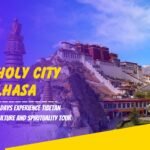
Lhasa South Mountain Park sits directly opposite the Potala Palace, making it one of the best vantage points in the city. Thanks to the surrounding low-rise buildings and open urban layout, visitors enjoy unobstructed views of the palace, the old town, and the dramatic Himalayan skyline.
Its convenient location allows travelers to combine a visit with nearby attractions such as:
- Potala Palace
- Jokhang Temple
- Barkhor Street
- Ramoche Temple
Yet unlike these bustling pilgrimage sites, the park offers calm walking trails and open spaces ideal for relaxation.
Why Lhasa South Mountain Park Is Becoming So Popular
Since its development in 2019, the park has evolved into a trendy destination for both tourists and locals. It is especially popular among younger travelers and photographers who come for the spectacular city views and social-media-worthy landscapes.
Building a large ecological park at high altitude is no small achievement. Sitting at over 3,600 meters (11,800 feet) above sea level, Lhasa presents unique environmental challenges. The success of this park highlights the city’s growing focus on sustainable tourism and green urban spaces.
Key Attractions of Lhasa South Mountain Park
Natural Landscapes That Inspire Calm
The park features a harmonious mix of natural elements designed to create a tranquil environment. As you explore, you will encounter:
- Dramatic rock formations
- Gentle waterfalls
- Scenic lakes
- Wooden boardwalks
- Mountain viewpoints
These features make the park ideal for slow travel — a place where visitors can pause, breathe the crisp plateau air, and enjoy Tibet’s natural beauty.
The Famous Reflection of the Potala Palace
One of the park’s biggest highlights is the Reflection Pool, where the majestic Potala Palace mirrors perfectly on the water’s surface.
This scene has quickly become one of the most photographed spots in Lhasa. On calm days, the reflection appears almost symmetrical, creating a dreamlike composition that captivates both professional photographers and casual travelers.
Because nothing blocks the view, the palace appears even more dramatic against the surrounding mountains.
Perfect Lighting for Photography
Timing matters when visiting South Mountain Park. The afternoon hours are widely considered the best time to go, as sunlight illuminates the Potala Palace from an ideal angle.
During this period, you can capture:
- Warm golden tones on the palace walls
- Crisp reflections in the lake
- Clear mountain backdrops
Foggy mornings and snowy days also bring a mystical atmosphere, transforming the landscape into something that feels almost cinematic.
Winter Turns the Park into a Frozen Wonderland
When winter arrives in Lhasa, the lake often freezes, and scattered ice formations resemble sparkling sugar cubes across the surface. This seasonal transformation gives the park a quiet, magical charm rarely seen during warmer months.
For travelers who enjoy off-season experiences, winter offers fewer crowds and uniquely beautiful scenery.
A New Hiking Destination in Lhasa
Beyond its lakes and viewpoints, Lhasa South Mountain Park has become a favorite destination for hikers. Its thoughtfully designed plank stairways lead visitors upward through increasingly dramatic scenery.
The trails are divided into three main routes — A, B, and C — each offering a different hiking experience.
Route A: The Classic Scenic Climb
- Length: დაახლოებით 1,021 meters
- Difficulty: Moderate
- Best for: First-time visitors and casual hikers
Route A begins at the front of the mountain and gradually ascends toward the mid-mountain observation deck before reaching the peak known as “Long Live the Motherland.”
Along the way, hikers are rewarded with expanding views of Lhasa’s skyline and the Potala Palace. The steady incline makes it manageable for most travelers who have adjusted to the altitude.
Route B: The Short but Steep Path
- Distance: About 253 meters
- Steps: 699
- Best for: Travelers seeking a quicker ascent
Located on the side of the mountain, Route B is more direct but noticeably steeper. If you prefer a shorter hike with fast access to panoramic views, this path is a strong choice.
However, remember that hiking at high altitude requires pacing yourself — even short climbs can feel demanding.
Route C: The Ultimate High-Altitude Adventure
- Length: Approximately 2,932 meters
- Elevation: Reaches around 4,200 meters
- Best for: Experienced hikers and adventure seekers
Starting from the back of the mountain, Route C is the longest and most challenging trail. It leads past the main peak and continues toward Nanshan Spring, eventually reaching the summit of Qiagagabu Mountain.
From this height, visitors can enjoy sweeping views that stretch far beyond the city — a perspective rarely found elsewhere in Lhasa.
See Lhasa from an Entirely New Perspective
Most travelers visiting Tibet focus on historic and spiritual landmarks. While these are essential, South Mountain Park offers something different — a chance to see Lhasa from above.
The contrast between ancient palaces, modern neighborhoods, and distant mountains becomes strikingly clear from the observation points.
At night, the illuminated inscription near the peak adds another visual highlight, drawing photographers eager to capture the glowing city below.
Best Time to Visit Lhasa South Mountain Park
Although the park is beautiful year-round, certain times enhance the experience.
Best seasons:
- Spring for fresh greenery
- Autumn for crisp skies
- Winter for frozen lake scenery
Best time of day:
👉 Afternoon for optimal lighting and clear palace views.
Travelers sensitive to altitude should plan a relaxed visit and avoid rushing uphill too quickly.
Travel Tips for Visiting Nanshan Ecological Park
- Bring water and walk slowly to adapt to the elevation.
- Wear comfortable hiking shoes with good grip.
- Carry sun protection — UV rays are strong on the plateau.
- Keep your camera ready; photo opportunities appear everywhere.
- Consider visiting after exploring the Potala Palace for a contrasting experience.
Why Add Lhasa South Mountain Park to Your Tibet Itinerary?
While famous attractions showcase Tibet’s spiritual heritage, South Mountain Park highlights its evolving urban beauty. The combination of ecological design, accessible hiking trails, and unmatched palace views makes it one of the most rewarding emerging destinations in Lhasa.
For travelers looking to move beyond crowded landmarks, this park offers space, silence, and scenery — all within minutes of the city center.