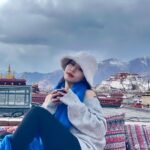

Turquoise in Tibetan Buddhism: Sacred Meaning, Spiritual Power, and Cultural Legacy
In the spiritual universe of Tibetan Buddhism, few gemstones hold as much symbolic depth as turquoise. Often associated with protection, wisdom, and divine connection, this vibrant blue-green stone is far more than decorative—it is woven into the religious, cultural, and emotional fabric of Tibetan life.
For centuries, turquoise has guided practitioners along the spiritual path, representing clarity amid confusion and serving as a reminder of the journey toward enlightenment. Within Vajrayana traditions, sacred objects are rarely chosen at random; each material carries layered meaning, and turquoise stands among the most powerful.
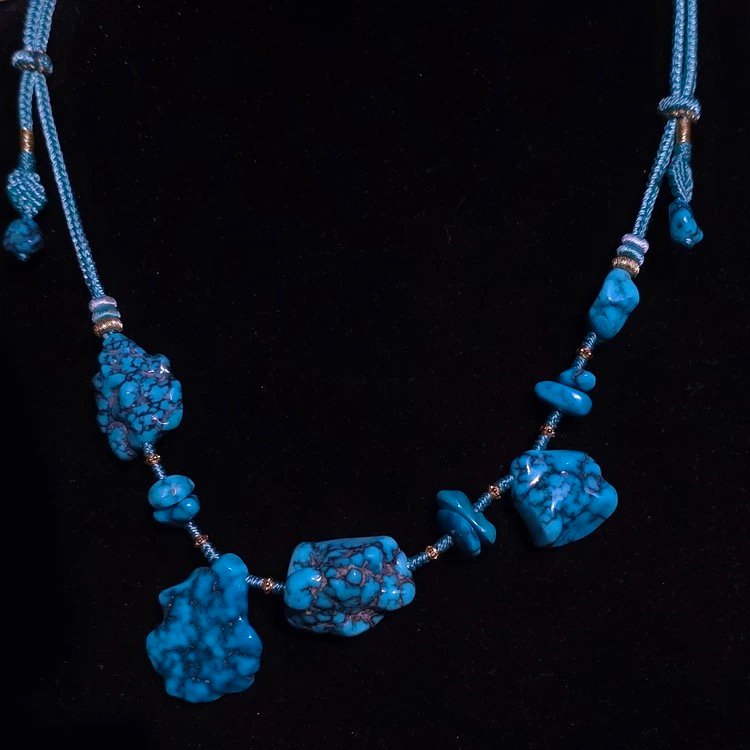
Why Turquoise Is Sacred in Tibetan Spiritual Tradition
Turquoise is widely regarded as one of the most revered ritual stones in Tibetan culture. Walk into a monastery, and you will often notice statues, prayer objects, and ceremonial ornaments inlaid with turquoise. Its presence is intentional—symbolizing divine energy, compassion, and protective strength.
Many Tibetans believe turquoise embodies the blessings of enlightened beings. Owning or wearing the stone is thought to attract good fortune, encourage spiritual balance, and create harmony between the physical and metaphysical worlds.
Unlike gemstones prized solely for rarity, turquoise is valued for what it represents:
- Spiritual protection
- Emotional stability
- Prosperity and auspiciousness
- Connection to higher wisdom
This symbolic richness explains why turquoise remains deeply integrated into religious craftsmanship.
Turquoise as One of Buddhism’s Spiritual Treasures
Within Tibetan belief systems, turquoise is often counted among sacred treasures associated with purity and awakened awareness. Rather than being viewed as a luxury item, it is treated as a spiritual talisman.
Traditionally, turquoise is believed to:
- Guard the soul against negative forces
- Deflect misfortune
- Support inner transformation
- Encourage mindful living
For practitioners, the gemstone becomes a quiet companion on the path toward liberation—reminding them to remain grounded while pursuing higher understanding.
A Living Symbol in Tibetan Daily Life
The importance of turquoise extends well beyond temples and ritual halls. Across Tibetan communities, it appears in jewelry, heirlooms, and ceremonial attire, reflecting both aesthetic beauty and spiritual intention.
Common uses include:
- Protective amulets
- Mala beads for meditation
- Wedding jewelry symbolizing blessing and continuity
- Family treasures passed through generations
Because of this, turquoise is not simply worn—it is cherished as a marker of identity and heritage.
Even today, gifting turquoise often expresses wishes for health, protection, and lifelong happiness.
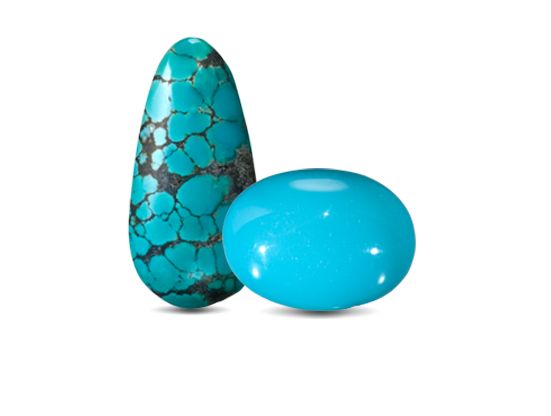
Turquoise in Monasteries and Sacred Art
In monasteries throughout Tibet, turquoise frequently decorates statues, reliquaries, and ritual instruments. Its luminous color contrasts beautifully with gold and copper, creating sacred objects that feel both majestic and intimate.
The gemstone’s presence reinforces a key Vajrayana idea: enlightenment is not separate from the material world—ordinary elements can become vessels of awakening when approached with reverence.
As a result, turquoise has become inseparable from Tibetan religious artistry, reflecting centuries of devotion and craftsmanship.
The Cultural Bond Between Turquoise and Tibetan Identity
Beyond theology, turquoise symbolizes continuity. It links generations, connects laypeople with monastic traditions, and preserves a worldview in which spirituality permeates everyday existence.
From marriage ceremonies to household shrines, the stone quietly shapes customs and social rituals. Tibetans often see it as a bridge between past and present—a physical expression of resilience and faith.
Its enduring presence demonstrates how material culture can safeguard intangible values such as belief, memory, and communal belonging.
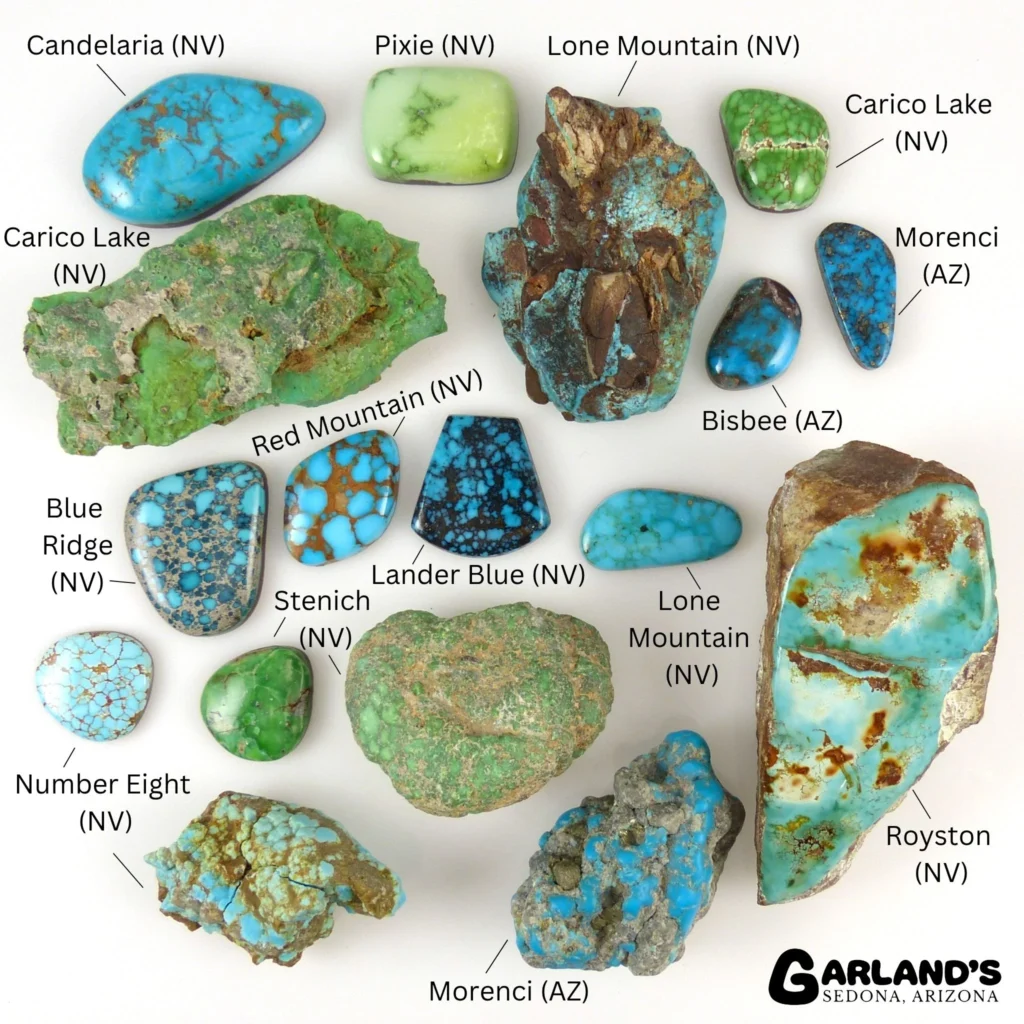
More Than a Gemstone: A Spiritual Beacon
Radiant yet calming, turquoise occupies a unique space where beauty meets devotion. It reflects the Tibetan understanding that spiritual reminders should accompany daily life, not remain confined to sacred spaces.
To wear turquoise is, in many ways, to carry a fragment of tradition—an emblem of protection, compassion, and the timeless search for enlightenment within Vajrayana practice.

Sacred Tibetan Ritual Objects: Hidden Meanings Behind Buddhist Treasures
Across the spiritual landscape of Tibetan Buddhism, ritual artifacts are far more than ceremonial tools—they are embodiments of philosophy, devotion, and centuries of artistic mastery. Each sacred object tells a story about enlightenment, protection, and the interconnected nature of life and death.
From skull bowls used in advanced tantric rituals to turquoise-inlaid vessels shimmering before temple altars, these treasures reveal how material craftsmanship becomes a pathway to spiritual awakening.
Turquoise-Inlaid Golden Buddha Vessels: Offerings of Devotion
Turquoise has long been associated with protection and divine blessing in Tibetan culture. When set into golden ritual vessels, it elevates the object into a powerful offering before sacred images.
These vessels are commonly placed on altars during esoteric ceremonies, filled with grains or other symbolic substances representing abundance and spiritual nourishment.
Decorative motifs—such as healing herbs or peacock imagery—add further layers of auspicious meaning, reinforcing hopes for longevity, prosperity, and awakened awareness.
More than ornamental pieces, these vessels reflect a core Buddhist principle: generosity is itself a spiritual practice.
The Turquoise-Inlaid Gold Teapot: Where Luxury Meets Spiritual Craft
Cast from pure gold and decorated with intricate turquoise inlays, the ceremonial gold teapot stands as a remarkable example of Tibetan artistic refinement. Its balanced structure and detailed ornamentation demonstrate how aesthetics and spirituality coexist seamlessly in Himalayan craftsmanship.
Now preserved in museum collections, such artifacts offer insight into a world where even everyday forms—like a teapot—could be transformed into sacred art.
They remind us that beauty, when created with intention, can itself become an expression of devotion.