Flowing from the sacred slopes of Mount Kailash and nourishing the heart of Ngari, Shiquan River—known in Tibetan as Sengge Zangbo— is both a life-giving river and the spiritual backbone of western Tibet. Along its banks rises Shiquanhe Town, the highest regional hub on the Tibetan Plateau and a vital stop for travelers venturing into the far west of Tibet.
This guide explores Shiquan River from two perspectives—the river itself and the town it sustains—with practical travel tips, nature highlights, and essential information for international visitors planning a deep Ngari journey.
Understanding the Name: Sengge Zangbo, the “Lion River”
Meaning and Origin
In Tibetan, Sengge Zangbo (སེང་གེ་གཙང་པོ།) means “Lion Mouth River.”
The name comes from its source: a glacial lake north of Mount Kailash, where the terrain resembles a lion opening its mouth, with spring water surging outward.
You may encounter different names along your journey:
- Sengge Zangbo – Tibetan and academic usage
- Shiquan River – Common travel name
- Indus River (upper source) – After it leaves Tibet
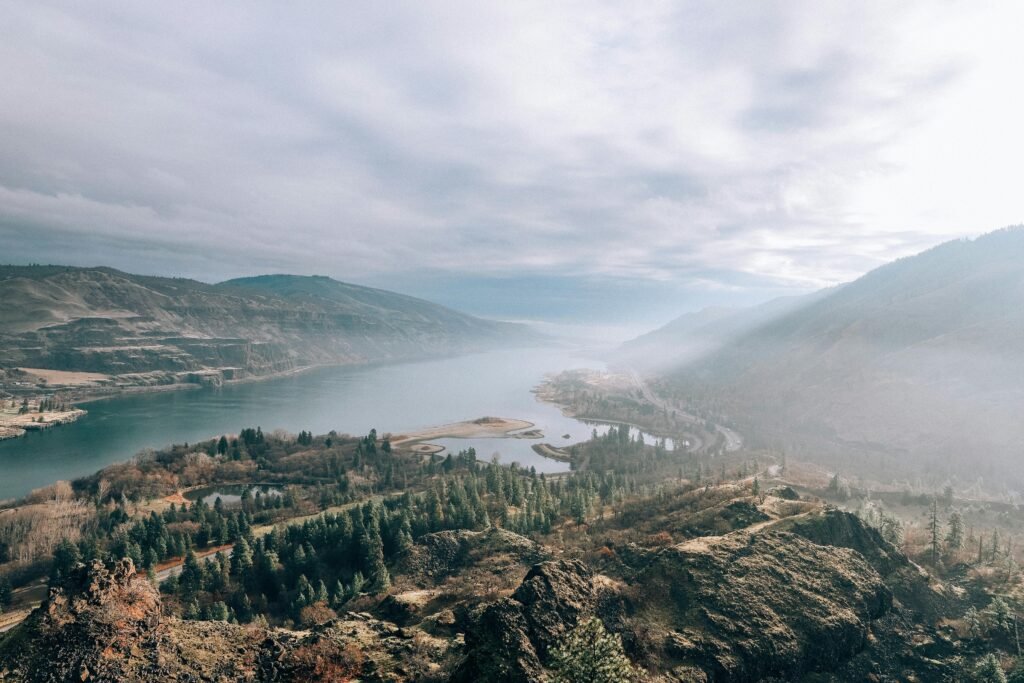
River at a Glance: The Source of the Indus
- Source: Northern slopes of Mount Kailash (Gangdise Range)
- Source elevation: 5,164 meters
- Length in Tibet: ~405 km
- Total length: ~430 km
- Drainage basin: 27,450 sq km
- Flow direction: South → North → West → Northwest
- Final destination: Becomes the Indus River, flowing into the Indian Ocean
As the largest river in Ngari, Sengge Zangbo is a vital water source and ecological corridor across the western Tibetan Plateau.
Shiquanhe (Sengge)Town: The Sky City of Ngari
Administrative and Geographic Importance
Shiquanhe Town is the administrative center of Gar County and the political, economic, and transport hub of the Ngari region.
- Elevation: ~4,280 meters
- Location: North bank of Shiquan River, at its meeting point with Gar Tsangpo
- Population: Approx. 40,000–50,000 (including seasonal residents)
- Nickname: “City in the Sky”
Backed by the striking Yanwei Mountain, Shiquanhe is also a major stop on the Xinjiang–Tibet Highway (G219).
Landscape and Ecology Along the Shiquan River
River Terrain and Water System
The Shiquan River changes dramatically along its course:
- Upper reaches: Glacial and alpine terrain with sharp elevation drops
- Middle reaches: Broad grassland basins and wetlands
- Lower reaches: Canyon landscapes transitioning into desert
Key tributaries include Gar Tsangpo, Langjiu River, and several seasonal plateau rivers.
The stretch between Tashi Gang and Shiquanhe Town forms the Shiquan River National Wetland, an important habitat for birds and plateau wildlife.
Climate: What Travelers Should Expect
The region has a high-altitude cold desert climate:
- Very low annual rainfall (less than 100 mm)
- Strong winds and intense sunlight
- Large temperature differences between day and night
- Frost-free period: less than 90 days per year
Best travel windows:
May–June and September–October, when weather is relatively stable and visibility is excellent.
Wildlife Along the River Valley
Shiquan River supports one of the richest wildlife corridors in western Tibet.
| Species | Protection Level | Where to Spot |
|---|---|---|
| Tibetan antelope | National Class I | Open grasslands, migration season |
| Wild yak | National Class I | Remote river valleys |
| Tibetan wild ass (Kiang) | National Class I | Wide plains near wetlands |
| Snow leopard | National Class I | Mountain–grassland transition zones |
| Bar-headed goose, ducks | Protected species | Wetlands and riverbanks |
Early mornings and sunset hours offer the best chances for wildlife sightings.
Must-See Sights Around Shiquan River
Shiquan River Riverside Walk
A scenic riverside zone running through town, perfect for sunrise and sunset photography with Yanwei Mountain as the backdrop.
Yanwei Mountain
A dramatic earth-toned rock formation shaped like a swallow’s tail. From the summit, you can enjoy panoramic views of Shiquanhe Town and the river valley.
Tashi (Zhaxigang) Wetland
Located downstream, this vast wetland attracts migratory birds and offers peaceful grassland scenery ideal for eco-photography.
Ngari Dark Sky Park
One of the best stargazing locations in the Northern Hemisphere, located about 22 km south of town along G219. Clear nights after 10 pm reveal breathtaking Milky Way views.
Classic Routes Linking Shiquanhe
- Ali South Route: Lhasa → Shigatse → Saga → Mount Kailash → Zanda → Shiquanhe
- Xinjiang–Tibet Highway (G219): Shiquanhe → Pangong Lake → Yecheng
- Ali Great Northern Loop: Shiquanhe → Gêrzê → Coqen → Nima → Lhasa
These routes make Shiquanhe a strategic base for long-distance plateau exploration.
Getting There: Transport Options
By Road (Recommended)
- Best with 4WD vehicles
- Fuel, food, and repairs available in Shiquanhe
- Ideal for photographers and overland travelers
By Air
- Ali Kunsha Airport (45 km away)
- Regular flights to/from Lhasa
- Scenic aerial views of the plateau
Public Transport
- Long-distance buses from Lhasa (multi-day journey)
- Local buses are limited; private vehicles are more flexible
Permits and Entry Requirements
- Chinese citizens: Border Permit required (must list Gar County / Shiquanhe)
- International travelers: Tibet Travel Permit + Border Permit (must be arranged via licensed agencies)
- Independent travel is not permitted for foreign visitors
Permits must be carried at all times during travel.
High-Altitude Travel Tips
- Arrive slowly and rest on the first day
- Drink warm water and avoid alcohol initially
- Carry portable oxygen
- Dress in layers: windproof, thermal, and sun protection
- Avoid intense physical activity early on
Best Time to Visit Shiquan River
| Season | Highlights |
|---|---|
| May–June | Wildlife migration, stable weather |
| July–August | Green grasslands, wildflowers, starry skies |
| September–October | Clear skies, golden wetlands, ideal photography |
| Winter | Extreme cold, minimal tourism, specialist photography |
Where to Stay and Eat
Shiquanhe offers the best accommodation options in Ngari, from budget guesthouses to mid-range hotels. Restaurants serve Tibetan, Sichuan, and simple Chinese dishes, along with butter tea, tsampa, and yak meat.
The town is also the last major supply point before heading deeper into northern Ngari or along the Xinjiang–Tibet Highway.
Shiquan River is not just the upper source of the Indus—it is a lifeline carving through one of the world’s highest and wildest landscapes. Flowing past grasslands, wetlands, and the sky-high town of Shiquanhe, it anchors every journey into western Tibet’s vast, untamed heart.