Tibet, widely known as the “Roof of the World,” offers some of the most dramatic high-altitude experiences on Earth. From trekking to Everest Base Camp (EBC) and sacred pilgrimages around Mount Kailash to serene lakes and ancient monasteries, Tibet combines adventure, spirituality, and raw Himalayan beauty.
For travelers from Singapore, visiting Tibet has become more accessible thanks to improved flight connections and simplified China entry rules. While Singapore passport holders enjoy visa-free entry to China, Tibet still requires special permits and organized tours. This guide explains flights, permits, best seasons, adventures, costs, and essential tips for planning a Singapore to Tibet trip in 2026.
Getting to Tibet from Singapore
Flights from Singapore to Lhasa
Lhasa Gonggar Airport (LXA) is the main entry point to Tibet.
| Route Option | Transit City | Frequency | Approx. Duration | Notes |
|---|---|---|---|---|
| Singapore → Chongqing → Lhasa | Chongqing | 3× weekly | ~10 hours | Fastest option |
| Singapore → Chengdu → Lhasa | Chengdu | Daily | 12–15 hours | Most popular route |
| Singapore → Beijing → Lhasa | Beijing | Daily | 14–16 hours | Good for sightseeing |
| Singapore → Shanghai → Lhasa | Shanghai | Daily | 14–16 hours | Flexible schedules |
Singapore to Tibet: A Gateway to High Altitude Adventure
Flight Costs (Estimated)
| Ticket Type | Price Range (USD) |
|---|---|
| One-way | 180 – 250 |
| Round-trip | 330 – 500+ |
| Peak Season (May–Oct) | Higher fares |
Booking early is highly recommended for peak travel months.
Visa and Tibet Travel Permit for Singaporeans
Entry Rules at a Glance
| Requirement | Details |
|---|---|
| China Visa | Visa-free for 30 days |
| Tibet Travel Permit (TTP) | Mandatory |
| Independent Travel | Not allowed |
| Tour Requirement | Licensed Tibet tour agency |
How to Get the Tibet Travel Permit
| Step | Description |
|---|---|
| 1 | Book a tour with a licensed Tibet agency |
| 2 | Submit passport scan |
| 3 | Agency applies for TTP |
| 4 | Permit issued before arrival |
Additional permits for EBC, Kailash, and border areas are arranged by the tour operator.
Best Time to Visit Tibet from Singapore
Tibet’s average altitude exceeds 4,000 meters, making seasonal timing crucial.
Best Travel Seasons
| Season | Months | Conditions | Suitable For |
|---|---|---|---|
| Peak | May–Oct | Mild days, clear skies | Trekking, festivals |
| Shoulder | Apr & Nov | Fewer crowds, cooler | Photography, culture |
| Winter | Dec–Mar | Cold, quiet | Budget travel, monasteries |
September–October is ideal for Everest Base Camp and long-distance travel.
Top High-Altitude Adventures in Tibet
Popular Tibet Experiences from Singapore
| Adventure | Max Altitude | Duration | Highlights |
|---|---|---|---|
| Everest Base Camp Trek | 5,200 m | 8–10 days | Everest views, Rongbuk Monastery |
| Mount Kailash Kora | 5,600 m+ | 10–15 days | Sacred pilgrimage, Lake Manasarovar |
| Namtso Lake Tour | 4,718 m | 4–5 days | Turquoise lake, nomadic culture |
| Eastern Tibet Peach Blossom Tour | 3,000–4,000 m | 5 days | Spring flowers, valleys |
| Himalayan Overland Drive | Variable | 7–10 days | Yamdrok Lake, glaciers |
Tours usually start in Lhasa to allow gradual acclimatization.
Estimated Travel Costs from Singapore to Tibet (2026)
Budget Overview (Per Person)
| Expense | Estimated Cost (SGD) |
|---|---|
| Flights | 450 – 700 |
| Tour Package | 1,100 – 3,000 |
| Travel Insurance | 100 – 200 |
| Personal Expenses | 200 – 500 |
| Total | 2,000 – 5,000 |
Group tours are more economical, while private tours offer flexibility at higher cost.
Essential Tips for High-Altitude Travel
Acclimatization & Health
| Tip | Why It Matters |
|---|---|
| Stay in Lhasa 2–3 days | Helps prevent altitude sickness |
| Drink plenty of water | Reduces AMS risk |
| Avoid alcohol | Supports oxygen absorption |
| Walk slowly | Conserves energy |
Practical Travel Tips
| Category | Advice |
|---|---|
| Currency | Carry cash (CNY) |
| Internet | Limited in remote areas |
| Clothing | Layered, windproof gear |
| Culture | Respect monasteries & customs |
Singapore to Tibet Travel: Exploring the Roof of the World
Perched atop the world’s highest mountain range, Tibet remains one of the most mysterious and awe-inspiring destinations on Earth. For travelers from Singapore seeking raw nature, deep spirituality, and high-altitude adventure, Tibet offers a journey unlike any other. From snow-capped Himalayan peaks to sacred lakes and centuries-old monasteries, every corner of Tibet tells a story shaped by nature, faith, and resilience.
This guide explores why Tibet continues to captivate adventure seekers, cultural explorers, and trekking enthusiasts from around the world.
Unparalleled Natural Beauty of Tibet
Tibet is a paradise for nature lovers. Its dramatic landscapes stretch across vast plateaus, towering mountains, and pristine lakes that remain largely untouched. The region’s high altitude and open horizons create a sense of scale and solitude rarely found elsewhere.
Witness Mount Everest in Its Glory
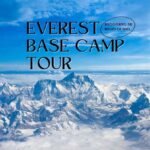
No journey to Tibet is complete without encountering Mount Everest, the highest peak on Earth. Traveling to Everest Base Camp on the Tibetan side offers spectacular panoramic views and easier vehicle access compared to other routes. As the sun rises over the Himalayas, Everest glows in golden hues, creating a moment that feels both humbling and unforgettable.
For adventure seekers from Singapore, this experience represents the ultimate high-altitude travel achievement.
Discover the Sacred Beauty of Lake Namtso
Lake Namtso is one of the most beautiful and sacred lakes in Tibet. Its striking turquoise waters contrast sharply with the surrounding snow-covered mountains and open grasslands. Revered by pilgrims, the lake is believed to be a spiritual gateway where prayers are amplified by nature itself.
Walking along its shoreline offers a rare sense of peace, making Lake Namtso a highlight for travelers seeking both scenic beauty and spiritual calm.
Explore the Untamed Changtang Plateau
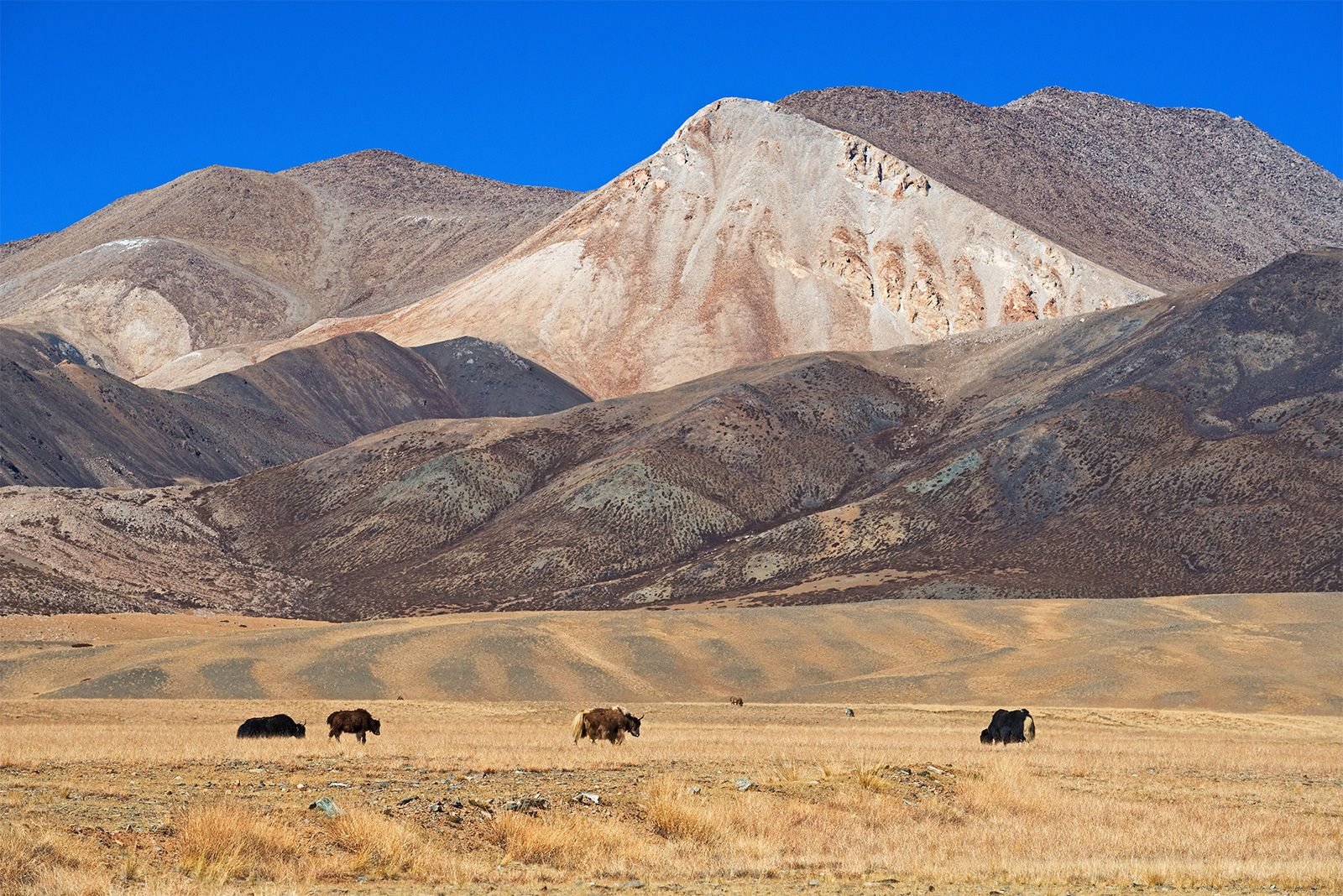
The Changtang Plateau represents Tibet in its rawest form. This remote wilderness is home to nomadic communities and rare wildlife such as Tibetan antelopes and wild yaks. Vast open plains, dramatic skies, and minimal human presence define the experience here.
Exploring Changtang allows travelers to witness the untamed heart of Tibet, far from modern distractions.
Tibetan Culture and Living Traditions
Beyond its landscapes, Tibet is deeply defined by its culture and spiritual heritage. Tibetan Buddhism shapes daily life, art, festivals, and architecture throughout the region.
Explore Ancient Tibetan Monasteries
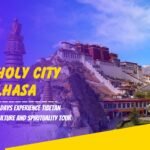
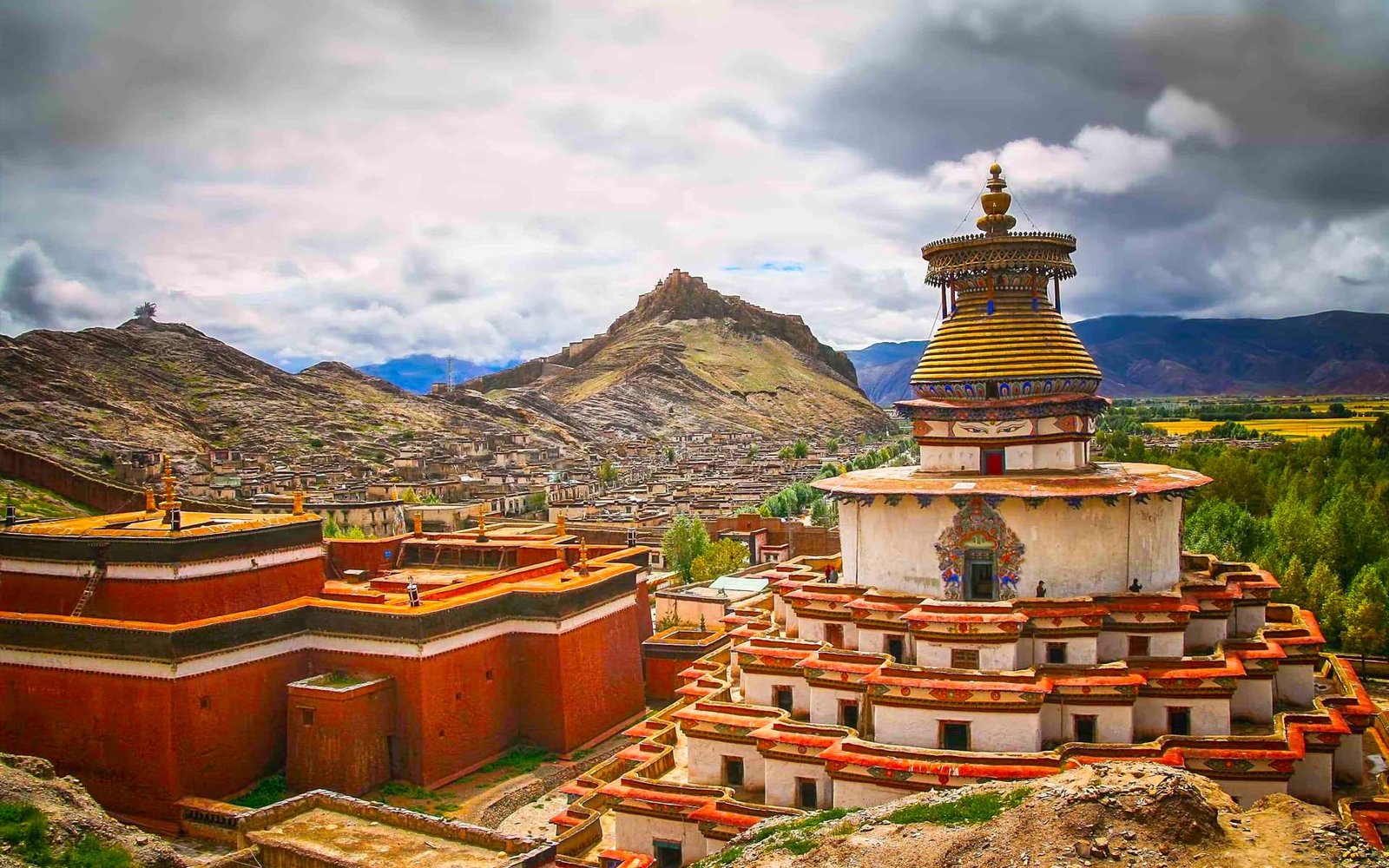
Tibet’s monasteries are not just religious centers but living museums of art, philosophy, and history. Monasteries such as those found around Lhasa feature intricate murals, sacred statues, and chanting halls filled with incense and prayer.
Visitors gain insight into Buddhist teachings, meditation practices, and the monastic lifestyle that has endured for centuries.
Experience Vibrant Tibetan Festivals
Religious festivals in Tibet are colorful, energetic, and deeply symbolic. Mask dances, ritual music, and ceremonial costumes bring ancient stories to life. These festivals offer a rare opportunity to witness Tibetan spirituality expressed through movement, sound, and community celebration.
Timing a trip to coincide with a festival adds a powerful cultural dimension to any Tibet journey.
Connect with Tibetan People and Daily Life
One of the most rewarding aspects of traveling in Tibet is meeting the local people. Known for their warmth and hospitality, Tibetans are often eager to share stories about their traditions, nomadic heritage, and spiritual beliefs.
Simple interactions—sharing tea, visiting villages, or observing daily rituals—offer meaningful cultural connections that enrich the travel experience.
Thrilling High-Altitude Trekking Routes in Tibet
Tibet is a dream destination for trekkers, offering routes that combine dramatic scenery with spiritual significance. Whether you are an experienced hiker or seeking a moderate trek, Tibet provides options for all levels.
Everest Base Camp Trek (Tibet Side)
The Everest Base Camp trek in Tibet offers breathtaking Himalayan views with fewer crowds. The journey passes through high-altitude landscapes, glacial valleys, and panoramic viewpoints that showcase Everest and neighboring peaks.
This trek is physically demanding but deeply rewarding, especially for travelers seeking iconic Himalayan adventures.
Kailash Circuit Trek: A Sacred Pilgrimage
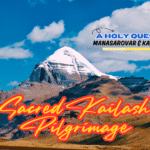
The Kailash Circuit Trek is one of the most spiritually significant treks in Asia. Circling Mount Kailash is believed to cleanse past karma and bring spiritual transformation. Revered by Buddhists, Hindus, Jains, and Bon followers, the trek is both challenging and deeply symbolic.
For many, this pilgrimage is as much an inner journey as a physical one.
Sacred Lake and Hidden Trail Treks
Beyond famous routes, Tibet offers lesser-known treks to sacred lakes and remote valleys. These routes provide quieter experiences, stunning vistas, and encounters with nomadic settlements. Treks around Lake Namtso and other hidden sites reveal Tibet’s softer, more contemplative side.
Practical Travel Considerations for Tibet
Traveling to Tibet requires careful planning, especially for international visitors traveling from Singapore.
Visas and Tibet Travel Permits
All foreign travelers must obtain a valid Chinese visa and a Tibet Travel Permit before entering Tibet. These permits are arranged through licensed travel agencies and are mandatory for all regions within Tibet.
Early planning ensures a smooth approval process.
Transportation and Entry Routes
Lhasa serves as the main gateway to Tibet. Travelers can reach Lhasa by flight or via the scenic Qinghai-Tibet Railway, one of the world’s highest train routes. Overland travel by road is also possible from neighboring regions, offering dramatic landscapes along the way.
Essential Packing for High-Altitude Travel
Packing correctly is crucial for Tibet travel. Warm layered clothing, sun protection, trekking shoes, and personal medications are essential. Due to high altitude, travelers should also prepare for altitude adjustment and stay hydrated throughout the journey.
Environmental Responsibility While Traveling in Tibet
Tibet’s fragile environment and cultural heritage require mindful and responsible travel practices.
Practice Leave No Trace Travel
Trekkers and travelers should minimize environmental impact by carrying out all waste, staying on designated paths, and respecting wildlife. Preserving Tibet’s natural beauty ensures it remains unspoiled for future generations.
Support Local Tibetan Communities
Using local guides, staying in locally owned accommodations, and purchasing handmade crafts directly benefit Tibetan communities. Responsible tourism helps sustain traditional livelihoods and cultural preservation.
Respect Tibetan Customs and Beliefs
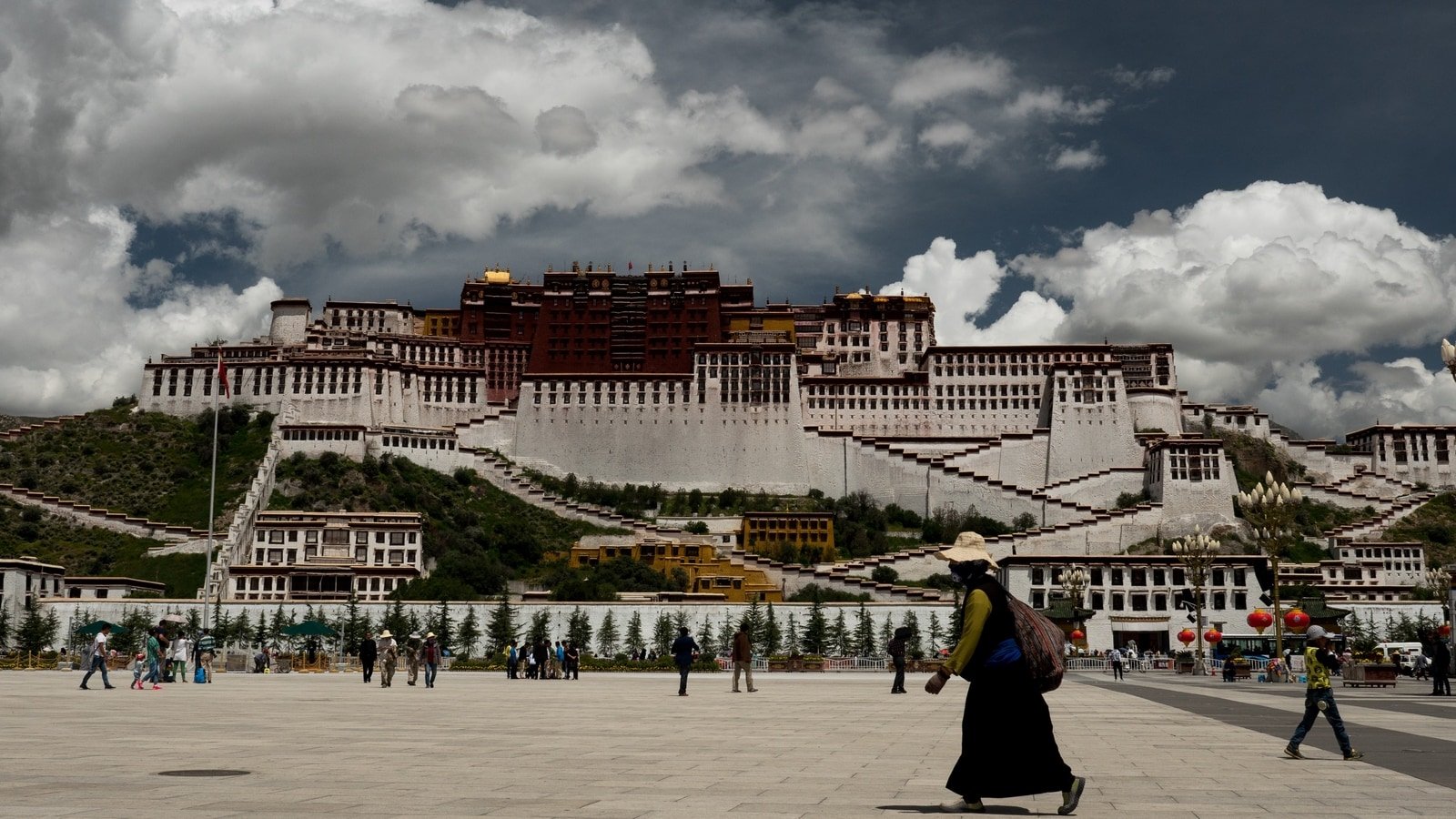
Tibetan culture is deeply rooted in spirituality. Visitors are encouraged to dress modestly at religious sites, walk clockwise around sacred structures, and show respect during rituals and ceremonies. Thoughtful behavior fosters positive cultural exchange.