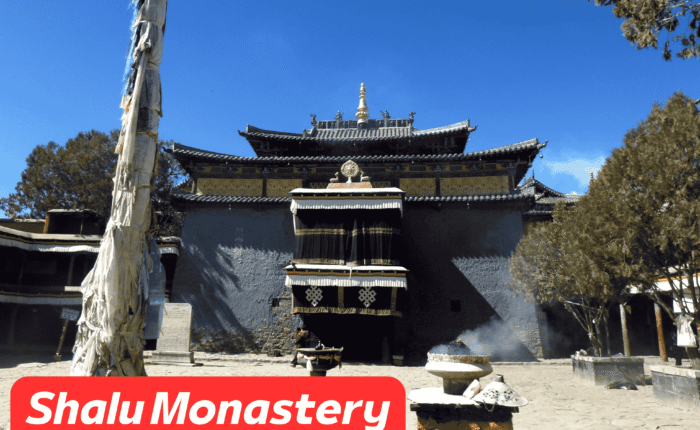
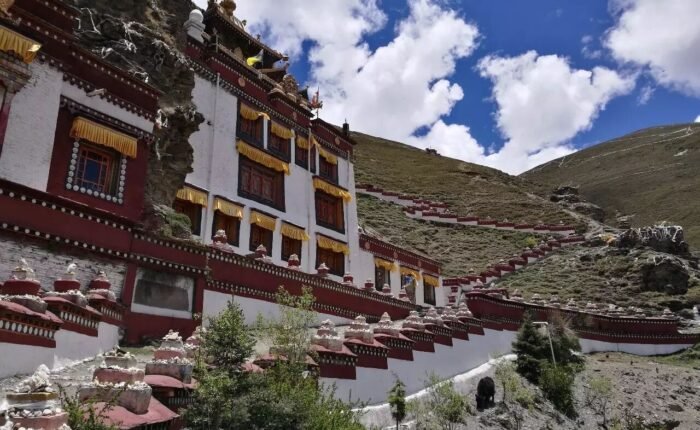
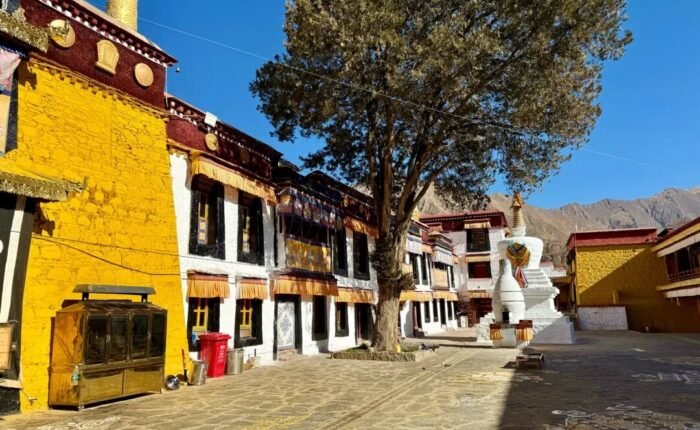
Shalu Monastery is one of the most important and historically rich monasteries in Tibet. Known for its unique architectural style, profound scholarly legacy, and deep connection to the development of Tibetan Buddhist learning, Shalu Monastery stands as a key cultural and religious landmark in the Shigatse region. Geographical Location of Shalu Monastery Shalu Monastery is...Read More
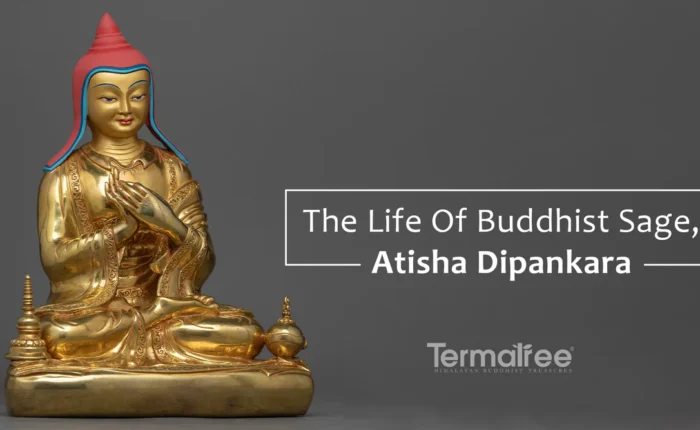
Atiśa Dīpaṃkara Śrījñāna, respectfully known in Tibet as Jowo Jé, meaning “Precious Lord,” is one of the most influential figures in the history of Tibetan Buddhism. Born in 982 CE in Vikrampura, Bengal (present-day Bangladesh), Atiśa emerged from a royal family yet chose a life devoted entirely to the Dharma. Living during a critical period...Read More
Introduction to Junba Fishing Village Junba Fishing Village, often called “Tibet’s Fishing Village”, is one of the most culturally unique settlements in Tibet. Located in Chabalong Village, Qushui Town, it sits on the northern bank of the confluence of the Lhasa River and the Yarlung Tsangpo River, about 45 kilometers southwest of Lhasa at an...Read More
Lhasa River Segment Scenic Belt in Qushui County The Lhasa River Segment Scenic Belt in Qushui County marks the final stretch where the Lhasa River gently flows into the mighty Yarlung Tsangpo River. This meeting point creates a striking natural landscape that blends rivers, wetlands, and mountain backdrops, making it one of the most peaceful...Read More
The Qushui Bridge, located in Qushui Town, stands as a major historical and cultural landmark along the mighty Yarlung Tsangpo River. More than just a modern transportation structure, it represents a turning point in Tibet’s travel history—transforming an ancient ferry crossing into the first large-scale road bridge spanning this legendary river. Completed and opened to...Read More
Junba Fishing Village is also known for its distinctive and open marriage customs. Unlike many traditional societies, marriages here are based entirely on mutual choice, without parental or family interference. Young people often meet during festivals or social gatherings and decide their future together. #image_title Once a couple agrees to marry, elders from both families...Read More
Lhari Tse’nga, meaning “The Five Sacred Peaks” in Tibetan, is one of the most revered sacred mountains in Qüxü County, located on the southern bank of the Lhasa River in central Tibet. Rising gently from the fertile Yarlung Zangbo River Valley, Lhari Tse’nga is not a single summit but a continuous group of five spiritually...Read More
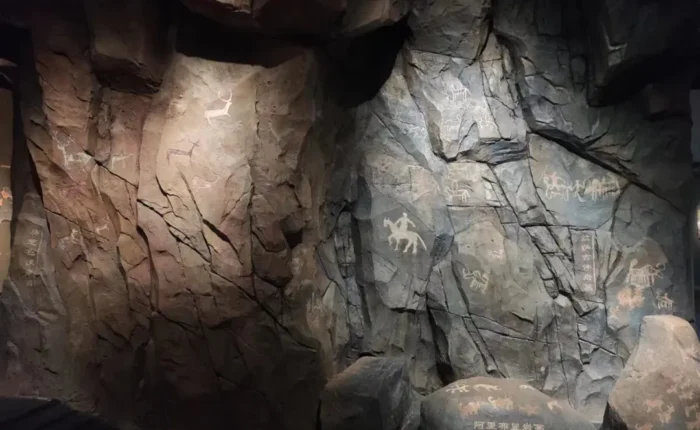
Hidden within the dramatic landscape of Qushui County, the Nyethang Dzepo Rock Carvings stand as powerful symbols of faith, protection, and ancient Tibetan belief. Spread across the northern and southern foothills of Dzepo Mountain, with the Lhasa River flowing quietly to the east, this sacred site blends natural beauty with deep spiritual meaning. A total...Read More
Namdruk Monastery: The Heavenly Dragon Sanctuary of Qushui County Namdruk Monastery, formally known as གནམ་འབྲུག་སེ་བ་བྱང་ཆུབ་ཆོས་གླིང་དགོན, is quietly nestled in Namdruk Township of Qushui County, not far from Lhasa. The Tibetan name Namdruk translates as “Heavenly Township” or “Realm of the Sky,” a fitting description for this sacred site surrounded by open valleys and expansive skies....Read More
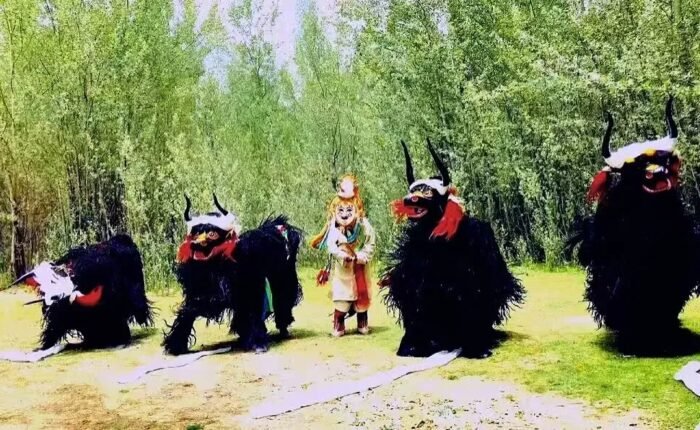
With a history of more than 1,300 years, Shelrong Drongtse, also known as the Wild Yak Dance, is one of the most distinctive folk art traditions in central Tibet. This vibrant dance originated in Shelrong Village, located in Caina Township of Qushui County, an area poetically known in Tibetan as “Crystal City.” The name Shelrong...Read More
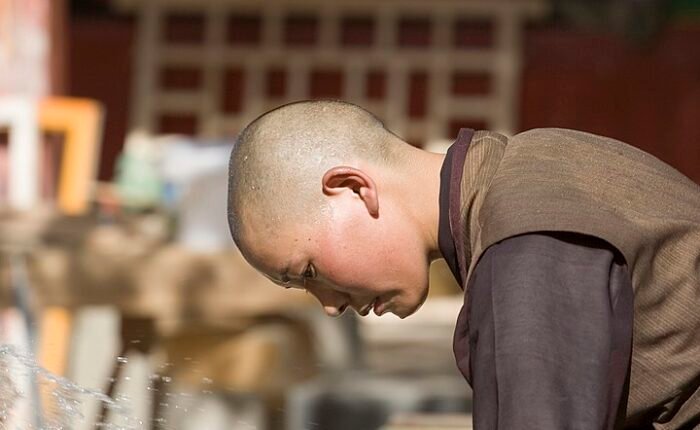
Shugseb Nunnery (ཤུག་གསེབ་དགོན།), also known as Shugseb Ani Gompa or Xiongse Temple, is the largest and most influential nunnery in Qushui County, Tibet. Nestled on the slopes of Shugseb Mountain, southeast of Qushui County in Caina Township, the nunnery overlooks the southern bank of the Lhasa River. Surrounded by dense shrubs and quiet mountain paths,...Read More
Ratoe Monastery is an important spiritual landmark of Tibetan Buddhism’s Gelug school, located along the banks of the Ratoe River in Qushui County, southwest of Lhasa. Positioned near Nyetang Township and directly on the route from Lhasa city to Gonggar Airport, the monastery is both easily accessible and deeply rooted in religious tradition. Founded in...Read More
Introduction to Nyetang Temple Tucked into the tranquil countryside of Qushui County, northeast of the county seat and just southwest along the China–Nepal Highway, Nyetang Temple is one of central Tibet’s most spiritually significant yet lesser-known sacred sites. Also called Nyetang Dolma Lhakang, meaning “Nyetang Tara Hall,” this temple is closely linked to the life...Read More
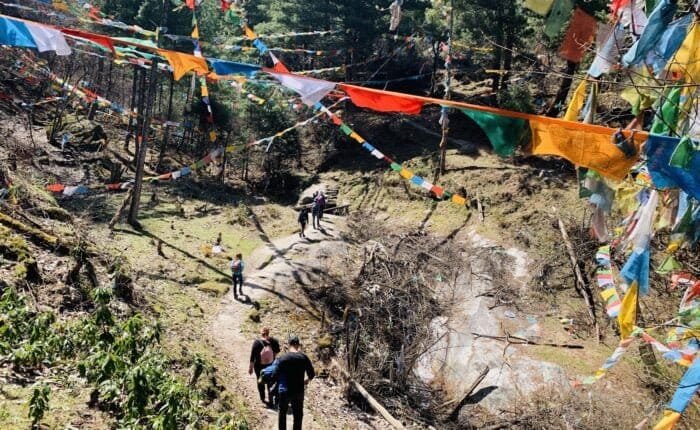
Hidden on the southern flank of the Himalayas in Tingri County, Tibet, Rongshar Gorge and Garma Valley offer two of the most remote and rewarding trekking experiences in the Mount Everest region. Both lie inside the core zone of the Mount Qomolangma National Nature Reserve, far from mass tourism and standard Everest Base Camp routes....Read More
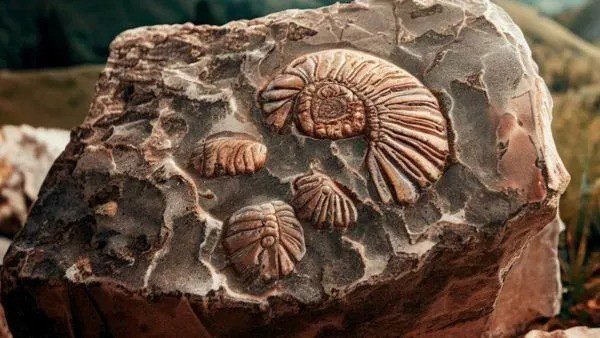
Tingri Fossils: Ancient Ocean Life Beneath Mount Everest Located at the northern foothills of the central Himalayas, Tingri County in Shigatse, Tibet, sits directly below Mount Everest. Beyond its dramatic landscapes, Tingri is one of the highest and most important paleontological fossil regions on Earth. The fossils found here preserve the remains of ancient marine...Read More
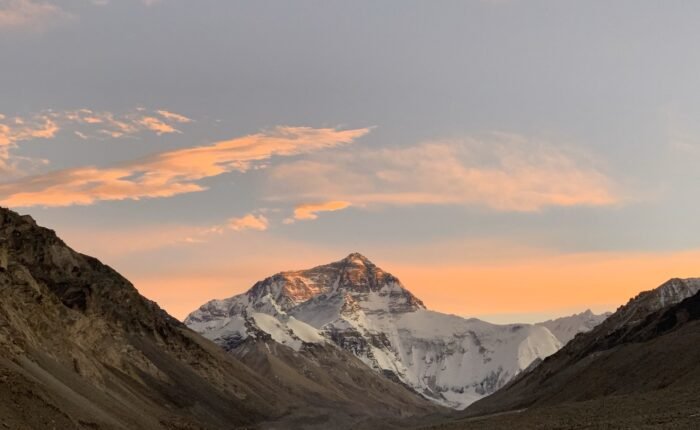
The Mount Everest National Nature Reserve, officially known as the Qomolangma National Nature Preserve, is one of the most extraordinary protected areas on Earth. Centered around Mount Everest, the world’s highest peak, this reserve covers vast regions of Tingri, Dinggyê, Gyirong, and Nyalam counties in Tibet. Established in 1988 and approved as a national nature...Read More
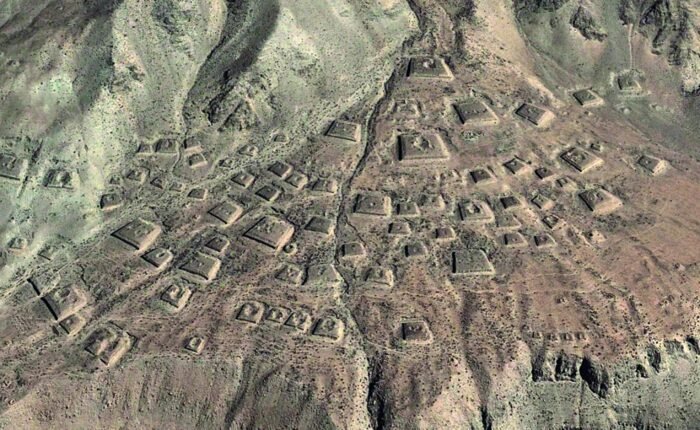
Surij Tomb Complex: An Ancient Burial Site in Tingri Hidden among the highland landscapes of Tingri County, the Surij Tomb Complex is a remarkable archaeological site that offers a rare glimpse into Tibet’s early history. Located in Maduo Village, this ancient cemetery sits quietly in the mountains, facing east in accordance with traditional beliefs tied...Read More
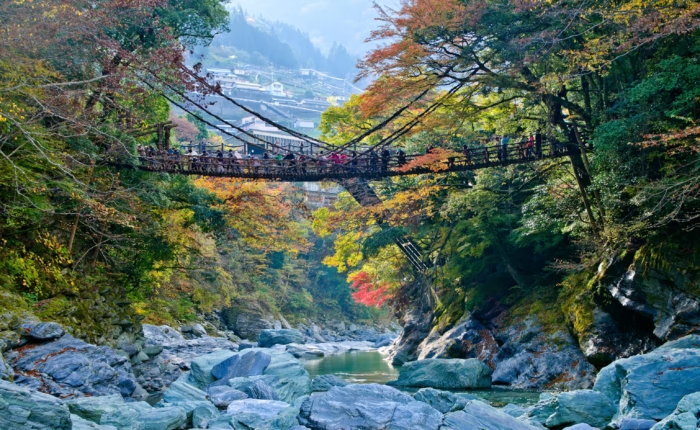
Dexing Vine Bridge: A Living Legacy of Himalayan Craftsmanship Hidden deep in southeastern Tibet, west of Medog (Methok) County, the Dexing Vine Bridge once stretched gracefully across the mighty Yarlung Zangbo River. More than just a river crossing, this remarkable structure stood as a powerful symbol of human ingenuity, communal effort, and harmony with nature....Read More
Deep within the tropical forest sea of the Yarlung Zangbo Grand Canyon, Bujun Lake, also known as Buchung Tso or Sigong Lake, lies quietly in Beibeng Township, Medog (Methok) County, Nyingchi, Tibet. Often described as one of Medog’s most secretive natural wonders, the lake remains largely untouched, preserved by dense forests, misty mountains, and limited...Read More
Duoxiongla Mountain: The Yin-Yang Climate Divide of Tibet Rising dramatically northeast of Pai Township in Milin County, Duoxiongla Mountain soars beyond 5,000 meters above sea level and is widely known as Tibet’s legendary “Yin-Yang Mountain.” More than a geographical landmark, Duoxiongla is a natural wonder where two completely different climates meet, creating one of the...Read More