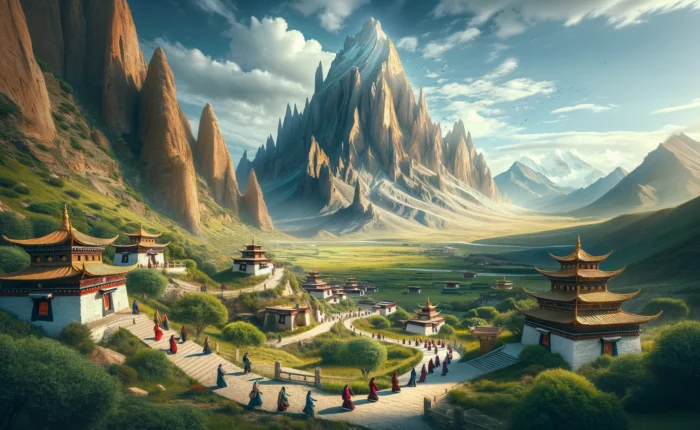
Embark on a journey to Samzhubzê in Shigatse, Tibet's cultural hub and gateway to the majestic Himalayas. Discover the district's rich history, stunning natural landscapes, and vibrant Tibetan culture. Experience seamless travel with the Lhasa-Shigatse Railway and an array of scenic routes, making Samzhubzê an ideal destination for those seeking a deep connection with Tibetan...Read More
Explore the breathtaking Nojin Khangsang, a revered Tibetan mountain known for its spiritual significance and natural beauty. Learn about its role in Tibetan Buddhism, the stunning Karola Glacier at its base, and the rich cultural heritage depicted in cinema. Ideal for climbers, spiritual seekers, and nature enthusiasts, Nojin Khangsang offers a unique blend of adventure,...Read More
Embark on a spiritual journey to Kari Holy Mountain, a revered site in Tibetan Buddhism. Explore the mountain's legendary history, breathtaking landscapes, and sacred traditions. Join the annual pilgrimage, visit ancient meditation caves, witness the mystical Dakini dances, and experience the unique culture of Tibet's highlands. Perfect for spiritual seekers and adventure travelers.Read More
Embark on a journey to Pumo Yumtso, Tibet's captivating freshwater lake. Experience its serene beauty, ecological diversity, and spiritual essence. Home to unique wildlife, including the rare Naked Carp, and a sanctuary for waterbirds on its three islands. Witness the extraordinary daily transition through all four seasons, from chilly winter mornings to warm summer afternoons,...Read More
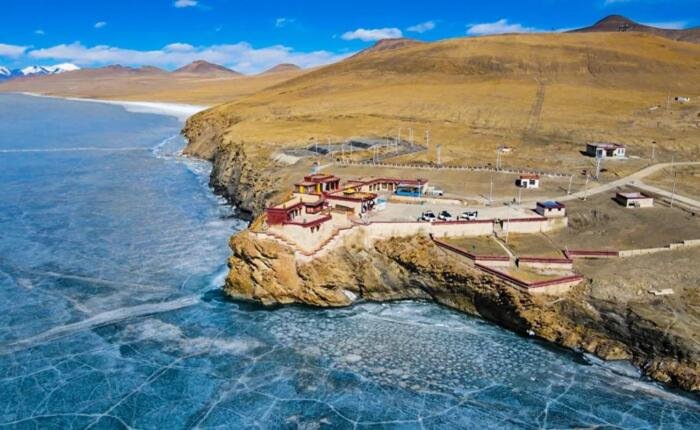
Explore the mystical Yongbu Dor Monastery in Nagartse, a hidden gem of Tibetan Buddhism. Uncover the history, architecture, and sacred legends of this ancient spiritual haven nestled in the Himalayas. Ideal for spiritual seekers and cultural explorers. Visit and experience the serenity of Yamdrok Lake and the revered Tara Stone. Open daily, admission free.Read More
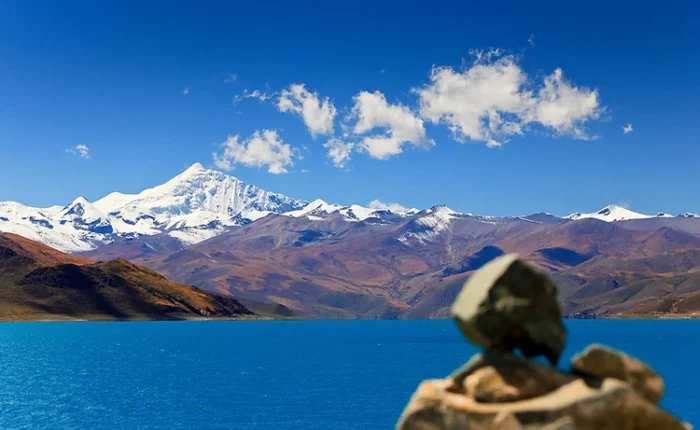
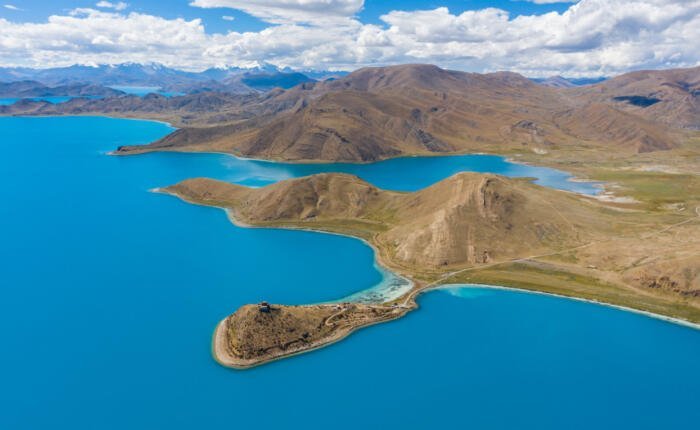
Embark on a mystical journey to Yamdrok Lake, Tibet's sacred natural wonder. Discover its enchanting legends, rich biodiversity, and geological marvels. Ideal for pilgrims, tourists, and nature enthusiasts. Learn about the lake's transformation, its status as a fish reserve, and its role as a haven for diverse bird species. Dive into the romantic tales and...Read More
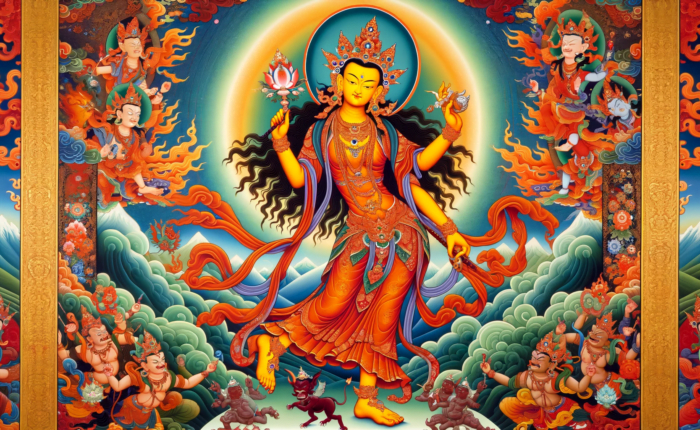
Explore the mystical world of Dorje Phagmo, the embodiment of Vajrayogini in Tibetan Buddhism. Learn about her transformation from ancient Bön deity to a revered Tantric figure, and the inspiring stories of yogis like Milarepa. Understand the reasons behind our inability to perceive such spiritual phenomena and delve into intriguing tales that unveil the path...Read More
Discover the enchanting Nagartse County in Tibet, known as 'Sna-Dkar-Rtse' or 'White Nose Tip'. Immerse yourself in its rich history and vibrant culture, set amidst the stunning backdrop of the Himalayas. Learn about Nagartse's fascinating journey from the 14th-century Pagzhu Dynasty rule to its current administration under the Shannan Prefecture. Experience a unique blend of...Read More
Discover the unique spiritual heritage of Sangding Monastery, a 14th-century Tibetan Buddhist haven. Unveil the remarkable Dorje Phagmo lineage, where spirituality and leadership merge. Experience the monastery's distinct identity as a co-residence for monks and nuns under the guidance of Tibet's sole female living Buddha, Dorje Phagmo. Dive into the world of Tantric Buddhism and...Read More
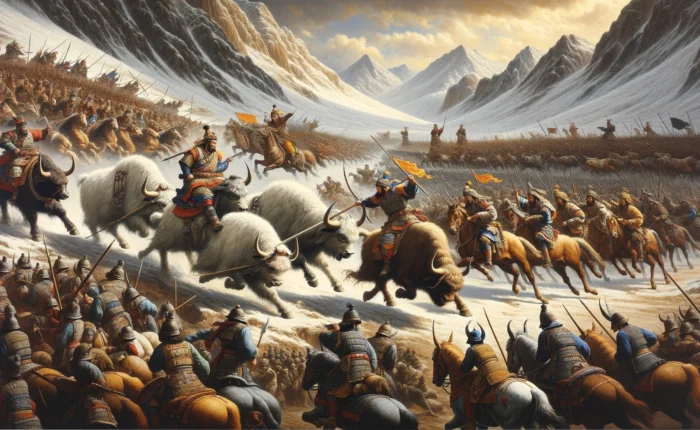
Uncover the enigmatic story of the Tibetan Empire's rise and fall during the Tang Dynasty. Learn how this mighty power, originating from the Tibetan Plateau, became a dominant force in East Asia, extending its influence over Western China and into Central Asia and India. Discover the key factors behind its ascendancy: a favorable climate during...Read More
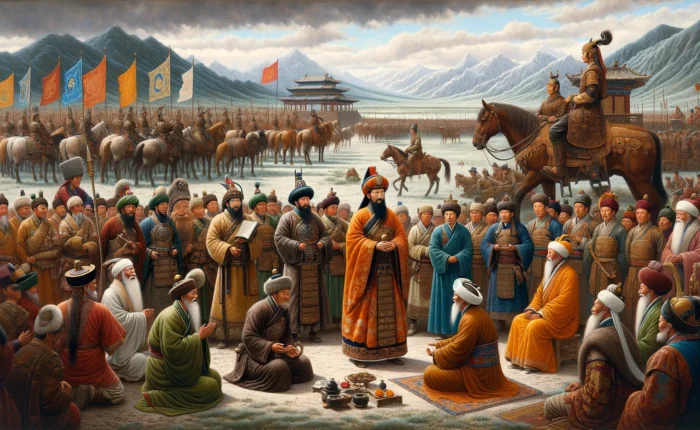
Explore the rise of the Mongol Empire, a unique force in 13th-century Asia under Genghis Khan's leadership. Discover how this first universal empire united disparate tribes and treated various religions equally, echoing its military prowess across continents. Delve into the multifaceted history of the Mongols, their cultural assimilation, and the impact of their conquests on...Read More
Discover China like never before with the Visa-Free Travel Trial will run till November 2024. This unique opportunity allows citizens from France, Germany, Italy, the Netherlands, Spain, and Malaysia to experience China's rich heritage and stunning landscapes for up to 15 days without a visa. Ideal for both leisure and business travelers, embark on an...Read More
Embark on a journey through Tibet's awe-inspiring landscapes. Uncover the mysteries of sacred peaks like Gang Gyalmo, Jomo Lhari, and Kangchen Junga. Dive into the rich tapestry of Tibetan culture, spiritual significance, and natural wonders. Perfect for trekkers, cultural enthusiasts, and spiritual seekers.Read More
Embark on a journey to China's Three Parallel Rivers Park, a UNESCO World Heritage site renowned for its exceptional biodiversity and rich cultural heritage. Home to rare wildlife like the Yunnan golden monkey and snow leopard, and host to over 20% of China's important plant species, this park is a global gene bank. Explore the...Read More
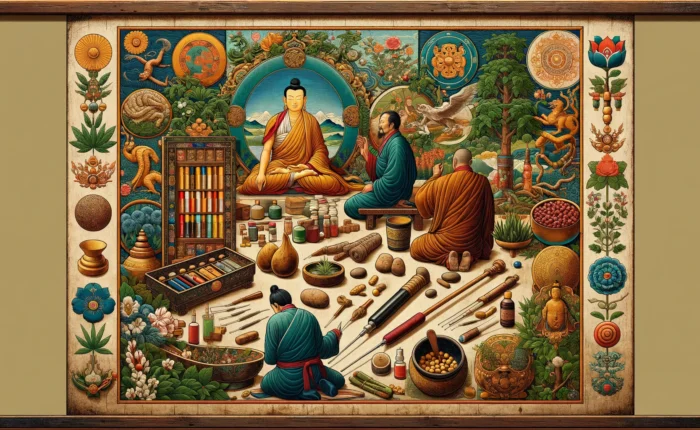
Embark on a journey into the realm of Tibetan Traditional Medicine (TTM), where ancient global healing practices converge. Learn about its focus on balancing key elements and explore its rich depiction in the iconic 'Town of Medicine King' from the Quadruple Medical Classics. Delve into Tibetan Traditional Medicine's historical development within Buddhist temples and its...Read More
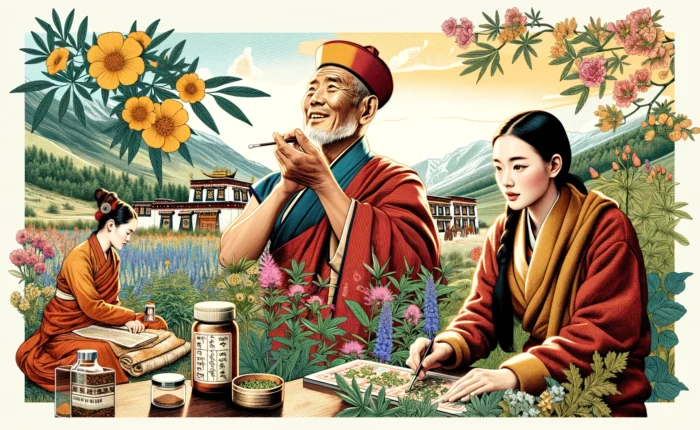
Dive into the world of Tibetan medicine, a holistic healing tradition rich in cultural heritage. Discover its unique approach to diagnosing ailments using heat and cold symptom categorization, ensuring precise and effective treatment plans. Learn about the wide spectrum of therapeutic techniques employed in Tibetan medicine, including herbal remedies, acupuncture, bloodletting, moxibustion, and temperature-based compresses....Read More
Discover the captivating legend of Serling, a tale woven into the heart of Tibetan mythology. Explore the transformation of a fearsome demon into the guardian of Serling Doico, a sacred lake near Lhasa. Unravel the story of power, redemption, and the Lotus-Flower-Born Master's wisdom that shaped this myth. Journey through the rich tapestry of Tibetan...Read More
Delve into the mystical world of Ranwu Lake, where ancient Tibetan legends come alive. Discover the intriguing tales of battling buffalo and scalpers, and mischievous monkeys that shaped the region's folklore. Uncover how these myths intertwine with the breathtaking scenery of Ranwu Lake, set amidst the Himalayas, Nianqing Tanggula, and Handuan Mountain Range. Join us...Read More
Embark on an unforgettable journey to Lake Tangra Yumtso, North Tibet's hidden gem. Discover the sacred heart of Tibetan spirituality as you traverse mountain passes to reach this enchanting lake basin. Admired by Bon religion followers, Lake Tangra Yumtso is famed for its color-changing waters and deep historical significance. Experience the majestic landscapes, including dark...Read More
Embark on an epic journey along the Sichuan-Tibet Highway, China's iconic route split into the scenic South Line and the adventurous North Line. Discover breathtaking landscapes, towering mountains, and rich cultural heritage. Experience the thrill of traversing one of the world's most beautiful and challenging highways, a true adventure for every traveler. Learn about the...Read More