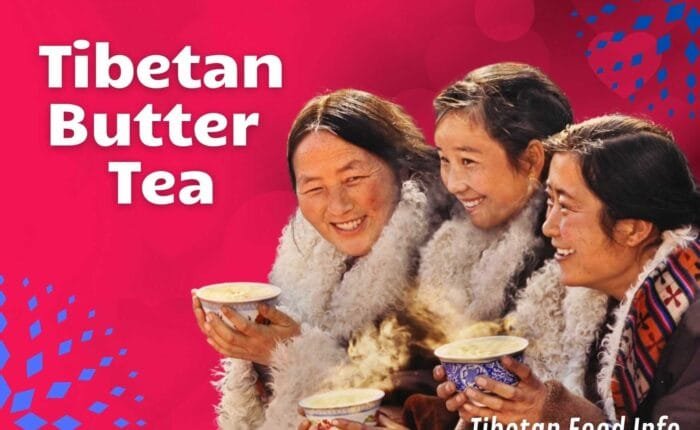
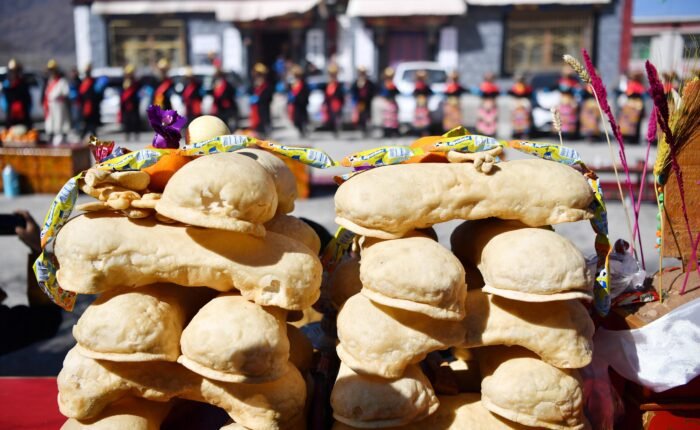
Tibetan butter tea, known locally as Po cha (བོད་ཇ་), is one of the most distinctive drinks in the Himalayan world. More than just tea, it is a daily ritual, a source of survival, and a powerful symbol of Tibetan identity. Prepared and enjoyed across Tibet and neighboring Himalayan regions, butter tea combines strong black tea,...Read More
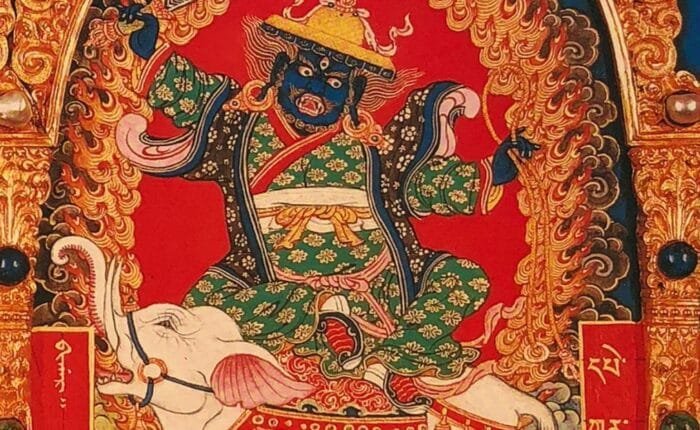
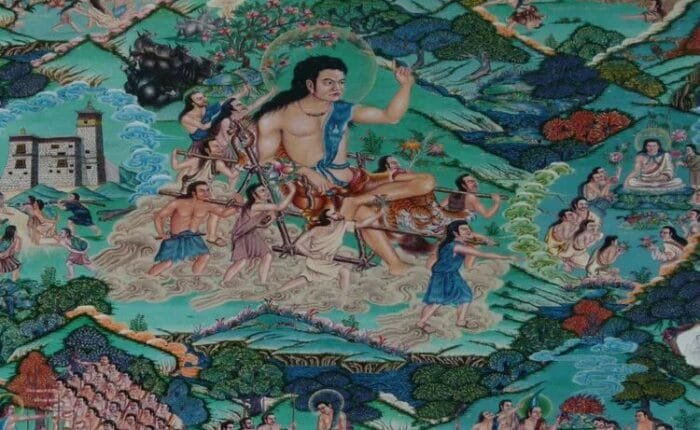
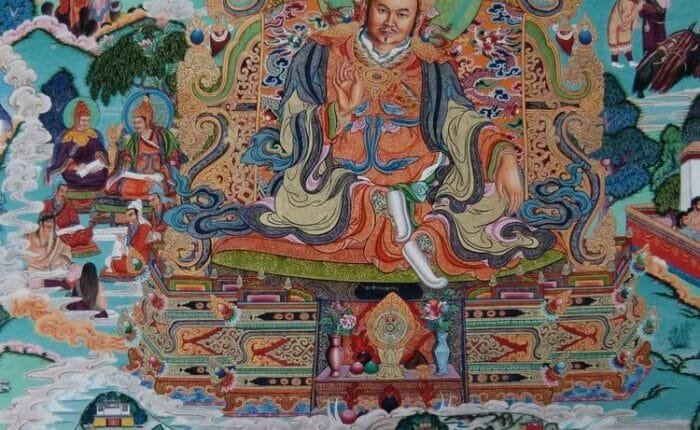
Discover the fascinating story behind the campaign launched by Emperor Trisong Detsen to bring protector Pehar Gyalpo from the Bhata Hor to Tibet.Read More
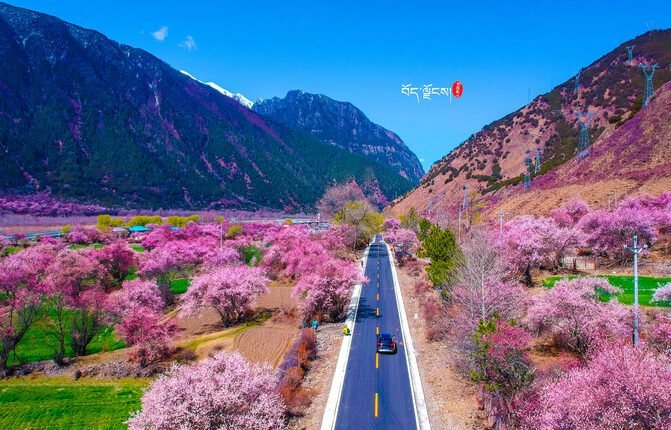
Experience the beauty of Nyingchi Peach Blossom Festival in Tibet. Discover the best spots to see the blooming peach flowers and plan your trip now.Read More
The Spring Festival holidays brought a tourism boom to Tibet, with over 450,000 tourists visiting during the week-long holiday. Find out more here.Read More
Nyatri Tsenpo: The Legendary Founder of Tibet’s Yarlung Dynasty Nyatri Tsenpo, often translated as the “King on the Shoulders,” is revered in Tibetan tradition as the first ruler of ancient Tibet and the legendary founder of the Yarlung Dynasty. According to traditional Tibetan historical records, his reign began around 127 BC, marking the symbolic beginning...Read More
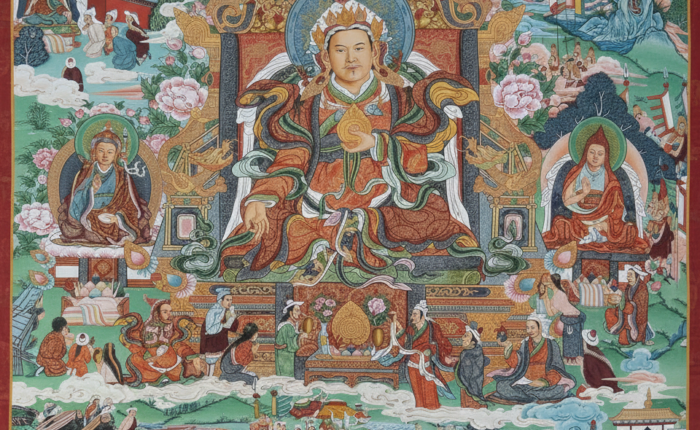
The reign of Emperor Trisong Detsen marked a turning point in Tibetan history. Known as one of Tibet’s greatest religious kings, he played a decisive role in establishing Buddhism as a spiritual and cultural force across the plateau. Yet this transformation was far from smooth. His efforts faced strong resistance from conservative ministers who favored...Read More
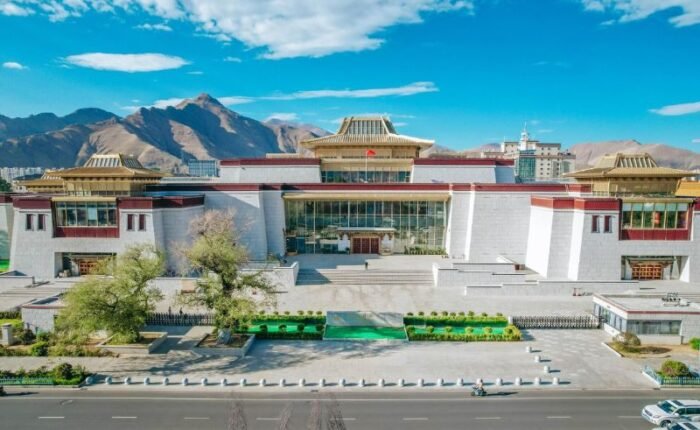
Discover rare artifacts and ancient treasures at the Tibetan History and Culture Exhibition in Beijing, revealing Tibet’s civilization, trade routes, and cultural evolution.Read More
Early Reign and Marriage Alliance At just thirteen years old, Songtsen Gampo ascended the Tibetan throne, marking the beginning of a transformative era in Tibetan history. One of his earliest strategic moves was to forge a marriage alliance with Nepal. He sent a minister to arrange his union with Princess Bhrikuti Devi, a decision that...Read More
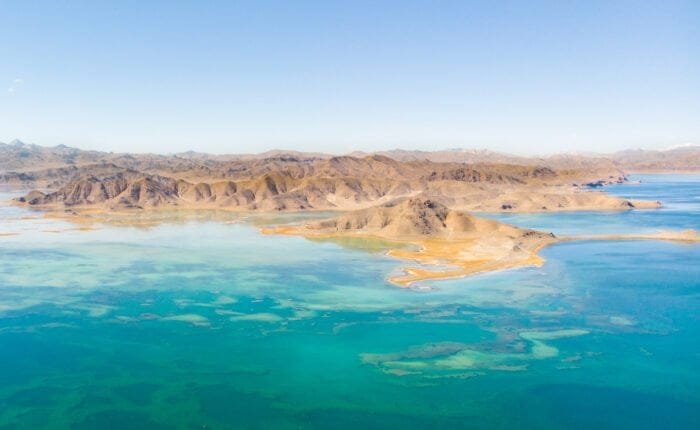
Discover the enchanting Banggong Tso Lake, also known as the "swan lake" of the border. With stunning views and diverse wildlife, it's a must-visit destination.Read More
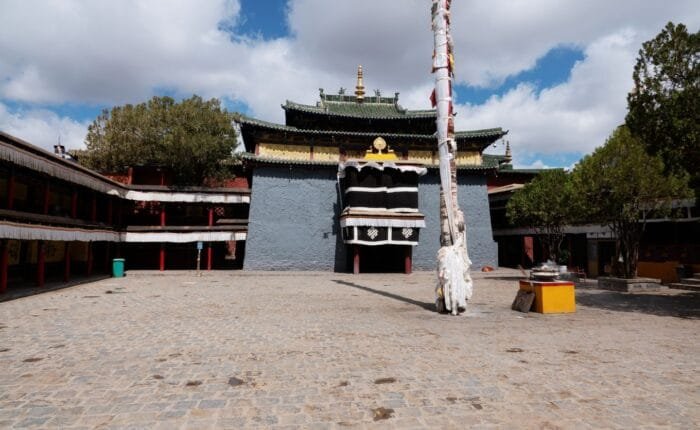
Discover the beauty and rich history of Shalu Temple in Shigatse City. Founded in 1087, this monastery offers breathtaking architecture and unique treasures. Learn about the fascinating Shalupa practice and explore the impressive murals and artifacts. #ShaluTemple #TibetRead More
Discover the seamless travel and cultural richness when flying from Shanghai to Lhasa. Learn about the benefits of direct flights, the ease of booking, and tips for a high-altitude adventure. Begin your unforgettable journey to Tibet's capital with our comprehensive guide.Read More
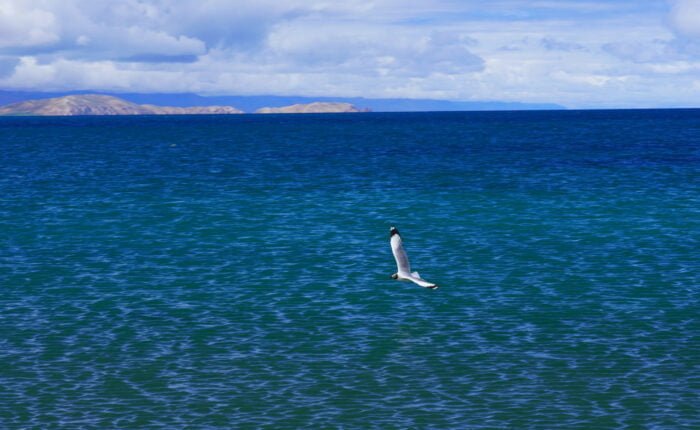
Discover the breathtaking beauty of Qinghai Bird Island, nestled in the pristine waters of Qinghai Lake. Uncover the diverse bird species and ecological wonders of this renowned birdwatching destination. Learn about conservation efforts and ecotourism initiatives that preserve the island's natural splendor while attracting visitors seeking tranquility and adventure.Read More
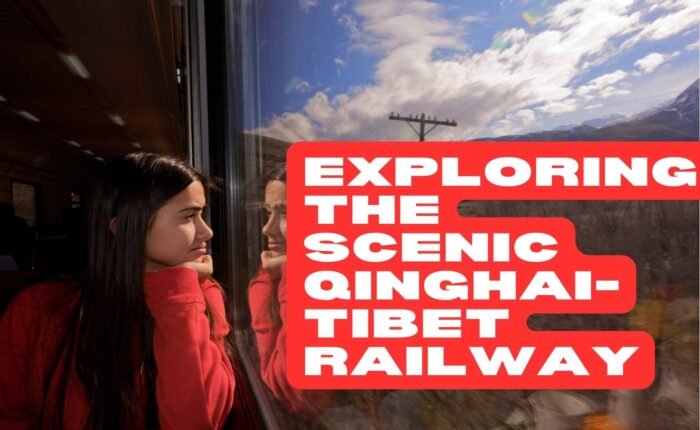
Discover the wonders of the Qinghai-Tibet railway, a remarkable man-made marvel. From Xining to Lhasa, witness breathtaking scenery and cultural treasures. #QinghaiTibetRailway #TravelTibetRead More
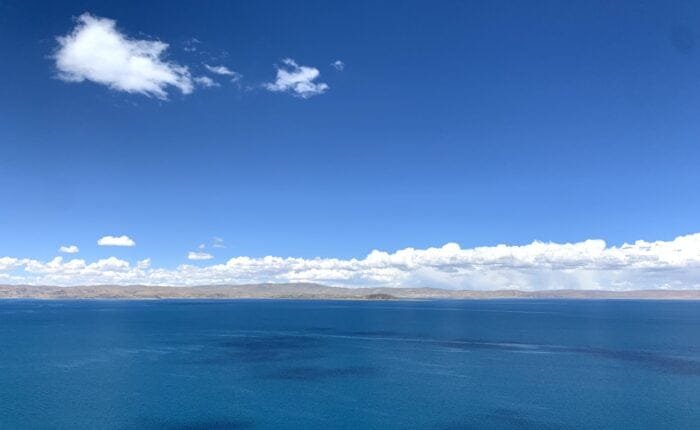
Discover Qinghai Lake, a stunning natural attraction in Xining known for its deep blue waters and scenic islands. Perfect for bird watching and pilgrimage.Read More
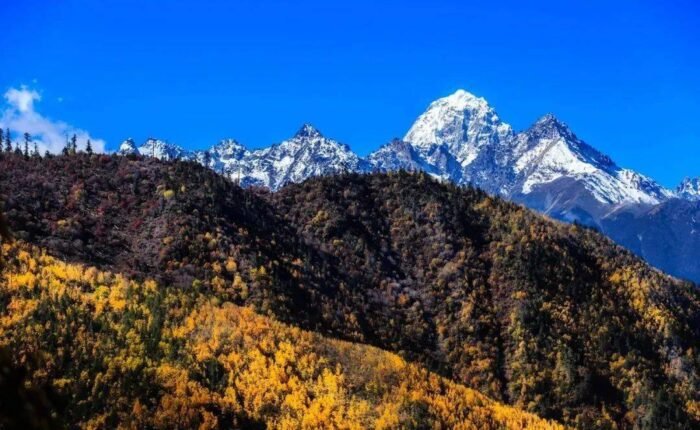
Discover the beauty of Kangding County in China, with its stunning landscapes and close-to-nature lifestyle. Explore the Gongga Mountain and experience the rich culture and attractions of this enchanting destination.Read More
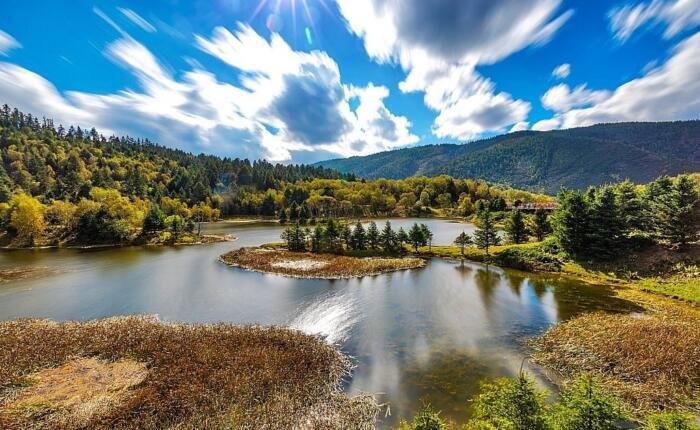
A Sanctuary Amidst Nature of Pudacuo Nestled in the heart of the “Three Parallel Rivers” World Heritage site in Shangri-La City, Diqing Tibetan Autonomous Prefecture, Yunnan Province, Pudacuo National Park stands as a pristine expanse of natural beauty. Spanning an impressive area of approximately, 1313 square kilometers and located just 22 kilometers from the urban...Read More
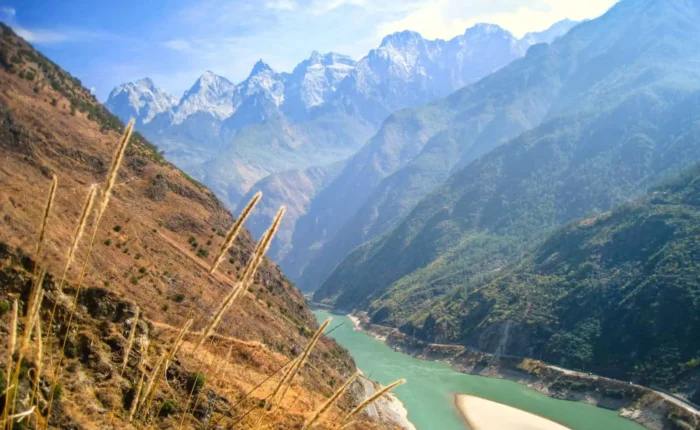
Explore the depths of Tiger Leaping Gorge, the world's deepest gorge located in China's Three Parallel Rivers Park. Spanning over 10 kilometers, this stunning geological formation comprises three distinct sections with the Yangtze River carving its way through. Experience the peaceful yet rapid-filled upper section, the wild middle, and the exhilarating final part. Discover the...Read More
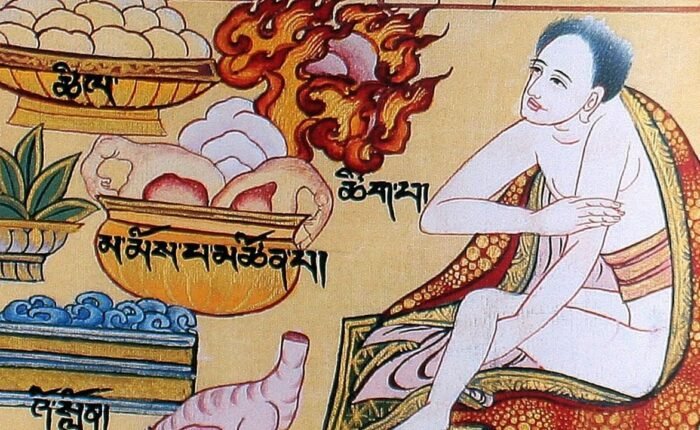
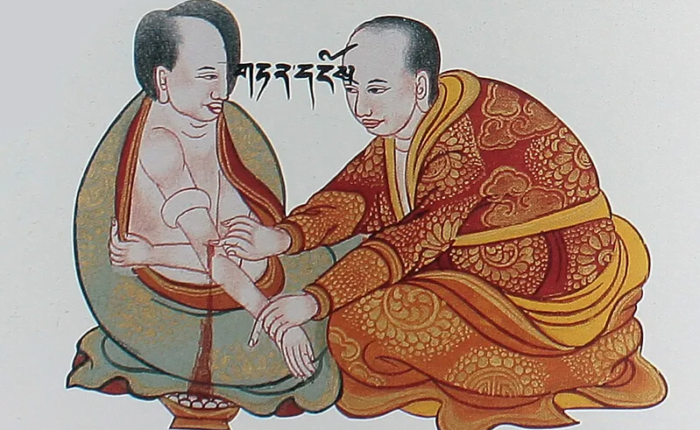
Discover the allure and healing power of Tibetan medicine. Learn about its unique principles, prescriptions, and preparation methods. Find out why it's so effective.Read More
Discover the ancient theory of Tibetan medicine, where poison and medicine coexist. Learn about the three factors and the balance of the human body. #TibetanMedicineRead More