Tibet unfolds like a living tapestry on this grand overland route stretching from the bustling heart of Lhasa to the sacred realms of Mount Kailash. Along the way, travelers cross dramatic canyons, pass mirror-like holy lakes, roll through endless nomadic grasslands, and stand in the shadow of the world’s highest peaks. This comprehensive journey blends profound spirituality, raw natural beauty, and intimate cultural encounters — making it the perfect adventure for anyone seeking authentic Tibet.
Travel Requirements for Tibet in 2026
Travel to Tibet in 2026 is open to international visitors, but all foreign passport holders require a Tibet Travel Permit, issued only through licensed agencies, along with a valid Chinese visa or qualifying visa-free entry. Independent travel is strictly not allowed. All visitors must join an organized group tour with a professional Tibetan guide and driver. Reputable local operators handle permits, logistics, and insider access to ensure a safe and enriching experience from start to finish.
Lhasa: The Heart of Tibetan Culture
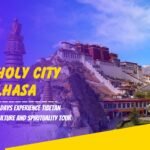
Lhasa, the capital city of Tibet, is a captivating destination packed with cultural and historical treasures. At its center stands the majestic Potala Palace, perched atop Marpo Ri Hill and offering stunning panoramic views of the city and surrounding landscapes. A powerful symbol of Tibetan Buddhism, the palace is one of the most recognizable and iconic structures in all of Asia.
Just as significant is the Jokhang Temple, considered one of the holiest places for Tibetan Buddhists. Built in the 7th century, the temple houses numerous precious artifacts, including a revered statue of Buddha Shakyamuni. Surrounding it, the bustling Barkhor Street pulses with life — pilgrims spin prayer wheels, locals go about their daily routines, and traditional commerce fills every corner of this vibrant marketplace.
Namtso Lake: Tranquility at the Top of the World
For those seeking natural beauty and spiritual stillness, Namtso Lake is a must-visit destination. Situated at a breathtaking altitude of 4,718 meters, this sacred lake is ringed by magnificent snow-capped mountains and vast grasslands. The crystal-clear waters mirror the azure sky above, creating an ethereal ambience that is genuinely hard to put into words.
Namtso holds deep spiritual significance for Tibetans, who believe that completing a pilgrimage around its shores can cleanse sins and bring enlightenment. Whether you come for the scenery or the spirituality, the lake leaves a lasting impression.
Mount Everest Base Camp: Where the World Reaches Its Peak
No Tibet journey is complete without venturing to Mount Everest Base Camp. Located at approximately 5,200 meters above sea level, this remote destination offers a rare and humbling opportunity to witness the world’s highest peak up close. It is the starting point for those bold enough to attempt the summit, and even for those simply passing through, the sheer scale of Everest commands awe.
Nearby, Rongbuk Monastery sits at an elevation of 5,100 meters, making it one of the highest monasteries in the world. This small but remarkable spiritual retreat rewards visitors with unmatched views of Everest rising above the Himalayan landscape — a sight that leaves every visitor humbled by the mountain’s sheer magnitude.
Yamdrok Lake, Gyantse, and Shigatse: A Journey Through Tibet’s Soul
Traveling further from Lhasa, Yamdrok Lake emerges as one of Tibet’s most stunning natural wonders. Known for its mesmerizing turquoise waters nestled among towering Himalayan peaks, the lake carries both natural beauty and deep spiritual meaning. Local legend holds that the lake is the manifestation of a protective goddess who blesses Tibet and its people with prosperity.
The historic town of Gyantse adds a layer of rich cultural depth to this route. The Gyantse Fortress, also known as Gyantse Dzong, stands as a testament to Tibet’s turbulent past and offers sweeping panoramic views of the town below. Nearby, the Pelkor Chode Monastery is a unique complex that brings together multiple sects of Tibetan Buddhism under one roof, making it an important spiritual and cultural hub.
Continuing to Shigatse, the Tashilhunpo Monastery commands attention as the seat of the Panchen Lama — one of the most important figures in Tibetan Buddhism. Its grand architecture, intricate artwork, and the sound of monks chanting in the air create an atmosphere of deep reverence and tranquility, giving visitors a genuine glimpse into Tibet’s living religious traditions.
Samye, Tsedang, and the Yarlung Valley: Tibet’s Ancient Roots
Samye Monastery holds the distinction of being the oldest Buddhist monastery in Tibet, dating all the way back to the 8th century. Its architecture is a masterpiece of Tibetan design, and its vibrant murals and ancient scriptures offer a vivid window into the region’s enduring spiritual heritage. Walking through Samye feels like stepping back through centuries of Buddhist history.
The nearby Yarlung Valley is equally rich in historical significance. Nestled among scenic surroundings, the valley is home to the burial mounds of Tibetan kings, as well as ancient ruins, rock carvings, and sacred sites that speak to Tibet’s deep royal and cultural legacy. It is a destination that rewards curious travelers willing to explore beyond the well-known landmarks.
Nyingchi: Tibet’s Scenic Eastern Paradise
Nyingchi is often called Tibet’s “Little Switzerland,” and the name perfectly reflects its lush and vibrant landscape. Located east of Lhasa, this region stands out with dense forests, deep valleys, and the dramatic Yarlung Tsangpo Grand Canyon, which is even deeper than the Grand Canyon. Snow-capped peaks and winding rivers create a constantly changing panorama that feels both grand and peaceful.
In spring, Nyingchi becomes especially captivating as peach blossoms blanket the valleys in soft pink hues. The combination of blooming flowers, clear rivers, and towering mountains creates a picture-perfect setting that attracts travelers seeking natural beauty and tranquility throughout the year.
Ranwu Lake and Bomi: Turquoise Waters and Glacial Landscapes
Traveling through Bomi County leads to the breathtaking Ranwu Lake, one of the most visually stunning lakes in Tibet. Its turquoise waters reflect surrounding glaciers and towering peaks, creating a mirror-like effect that feels almost unreal. The high-altitude setting adds a sense of purity and calm to the entire landscape.
The wider Bomi region is equally impressive, known for its dramatic glaciers, quiet valleys, and seasonal peach blossoms. This area offers a rare sense of untouched wilderness, where nature remains raw, expansive, and deeply immersive for travelers exploring eastern Tibet.
Nagqu: Vast Grasslands and Nomadic Life
Nagqu reveals a completely different side of Tibet, where endless grasslands stretch beneath vast open skies. This region represents authentic nomadic life, where traditional herders move with their yaks across rolling plains shaped by nature and seasons.
Visitors can experience daily life in this high-altitude environment, from tasting fresh yak butter tea to observing the rhythm of herding culture. The simplicity and openness of Nagqu create a strong connection to Tibet’s enduring traditions and way of life.
Shigatse: Tibet’s Second City and Tashilhunpo Monastery
Shigatse, located west of Namtso, is Tibet’s second-largest city and an important cultural center. It is home to the renowned Tashilhunpo Monastery, the traditional seat of the Panchen Lama and one of the most significant monasteries in Tibetan Buddhism.
Golden rooftops, large statues, and the steady rhythm of monastic life define the atmosphere here. Set against a rugged mountain backdrop, Tashilhunpo Monastery offers a powerful blend of spiritual depth and architectural beauty.
Dingri: Gateway to Mount Everest
Near Dingri, the landscape rises dramatically toward the Himalayas, revealing stunning views of Mount Everest. Known in Tibetan as Chomolungma, this iconic peak dominates the horizon with its immense scale and presence.
This region is ideal for photography and quiet reflection, as the vast surroundings and clear mountain views create unforgettable moments. The sight of Everest’s north face leaves a lasting impression on every traveler passing through.
Kyirong: A Serene Border Valley
Kyirong offers a refreshing contrast to the high-altitude plateau with its green valleys and calmer environment. Located near the border with Nepal, it serves as a peaceful retreat within Tibet’s rugged terrain.
Ancient temples and quiet landscapes define Kyirong’s charm. Its blend of natural beauty and cultural simplicity makes it a hidden gem for travelers exploring routes toward the Himalayan border.
Ngari and the Guge Kingdom: Remote Ancient Mysteries
In the far west, Ngari unveils one of Tibet’s most remote and mysterious landscapes. Here lie the dramatic ruins of the Guge Kingdom Ruins, where cliffside structures and ancient monasteries tell stories of a once-thriving civilization.
The surrounding terrain is stark and almost otherworldly, with desert-like scenery enhancing the sense of history and isolation. This region offers a rare glimpse into Tibet’s past, preserved in silence and vast open space.
Mount Kailash: The Ultimate Sacred Pilgrimage
Mount Kailash stands as one of the most sacred mountains in the world, revered by multiple religions. It is believed to be a spiritual center and a place of deep significance for pilgrims who travel from across the globe.
Many undertake the kora, a sacred trek around the mountain, as a journey of purification and devotion. Surrounded by dramatic landscapes and spiritual energy, Mount Kailash represents a powerful and meaningful destination within Tibet.