
Exploring the Heart of Gyirong County
Gyirong County, known in Tibetan as སྐྱིད་རོང་རྫོང་།, nestles in the southwestern part of the Tibet Autonomous Region and stands out as a picturesque locale, often called the “Comfortable and Happy Valley.” This unique destination stretches along a 162-kilometer border with Nepal, highlighting its significance as a point of interest for both cultural and geographical diversity.
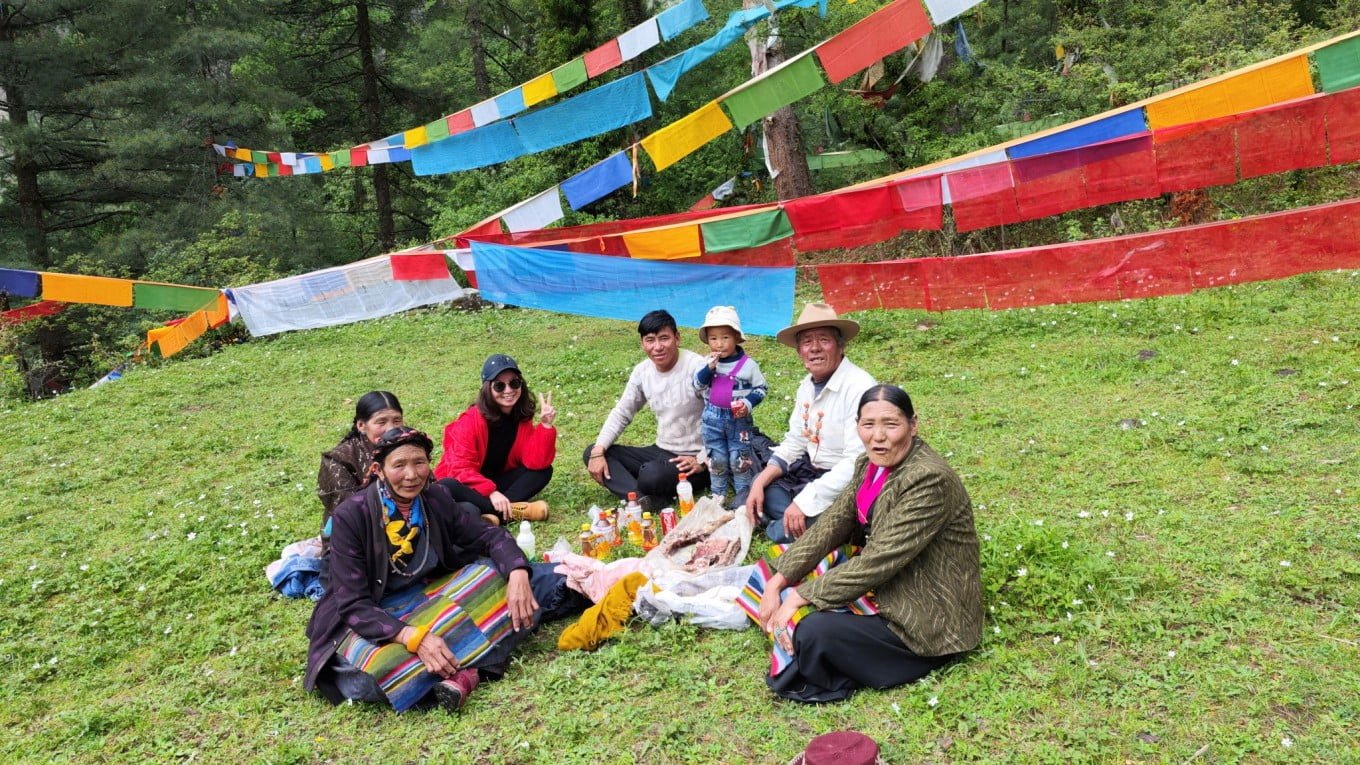
In Gyirong, visitors can immerse themselves in a serene environment that reflects the true essence of Tibetan culture. The county’s commitment to preserving its heritage while embracing growth and development makes it a symbol of resilience and cultural richness in the heart of Tibet.
Gyirong: The Birthplace of Tibetan Spiritual Icons
The Legacy of Jetsun Milarepa
Gyirong County holds a special place in Tibetan spiritual history as the birthplace of the revered Tibetan yogi, Jetsun Milarepa. Born in 1040 during the 1st Rabjung cycle, his early life in Dzongkar Town, Yilong Village, Kyanyatsa, set the stage for his later spiritual achievements. Jetsun Milarepa is celebrated for his profound teachings and poetic songs that resonate with spiritual seekers. His life, marked by penance and enlightenment, has inspired generations of Buddhists and spiritual enthusiasts.
Reychung Dorje Drak: A Prominent Disciple
Another significant figure, Reychung Dorje Drak, was born in 1723 in Gyirong Palkhuk, a testament to the region’s ongoing spiritual significance. As one of Milarepa’s most important students, Reychung Dorje Drak’s contributions to Tibetan Buddhism are deeply valued.
Gyirong: A Cradle of Tibetan Spirituality
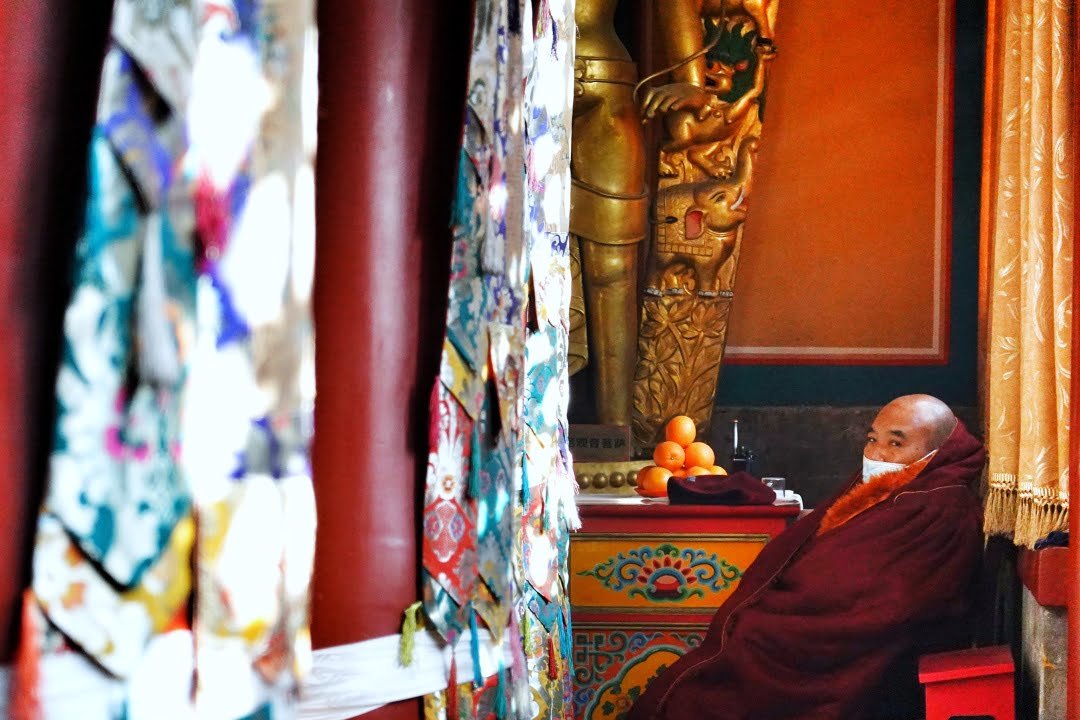
Gyirong’s rich spiritual heritage, marked by the birth of these eminent figures, makes it more than just a picturesque location. It stands as a beacon of Tibetan Buddhism, attracting pilgrims and scholars who seek to connect with the profound legacy left by Jetsun Milarepa and Reychung Dorje Drak. The county’s deep historical and spiritual roots offer a unique and enriching experience for visitors from around the world.
Geographical Coordinates and Historical Significance
Gyirong lies between latitudes 28.3°N and 29.3°N, and longitudes 84.3°E and 86.2°E. Historically known by various names such as Kyirong and Jilong, the county has played a pivotal role in Tibetan history. Notably, during the Yuan Dynasty, it was a key administrative location, and from 1778 to 1781, it was a strategic defense point against the Gurkha invasions in Tibet.
Modern Gyirong: A Blend of Tradition and Progress
Modern Gyirong County, established in July 1960, encompasses an expansive area of about 9,300 square kilometers. It includes two towns; Dzongga རྫོང་དགའ་གྲོང་རྡལ། and Gyirong སྐྱིད་གྲོང་གྲོང་རྡལ།, four townships (Teba ཀྲེ་པ་ཤང་།, Gungtang གུང་ཐང་ཤང་།, Drakna བྲག་སྣ་ཤང་།, and Sale ས་ལེ་ཤང་།), three communities, and 40 villages. As of November 1, 2020, the county has a population of 17,536 residents. In 2017, Gyirong proudly shed its status as a poverty-stricken county, showcasing significant economic and social progress.
Gyirong Today: Cultural and Administrative Hub
The county seat, located in Zongkar Town རྫོང་དཀར་ at an elevation of 4,125 meters, is a bustling hub of activity and culture. Gyirong’s administrative prowess stretches over a lengthy and varied landscape, extending 300 kilometers east to west and approximately 200 kilometers north to south. The region’s rich cultural tapestry is evident in its blend of traditional Tibetan lifestyles and modern advancements.


Why Visit Gyirong County?
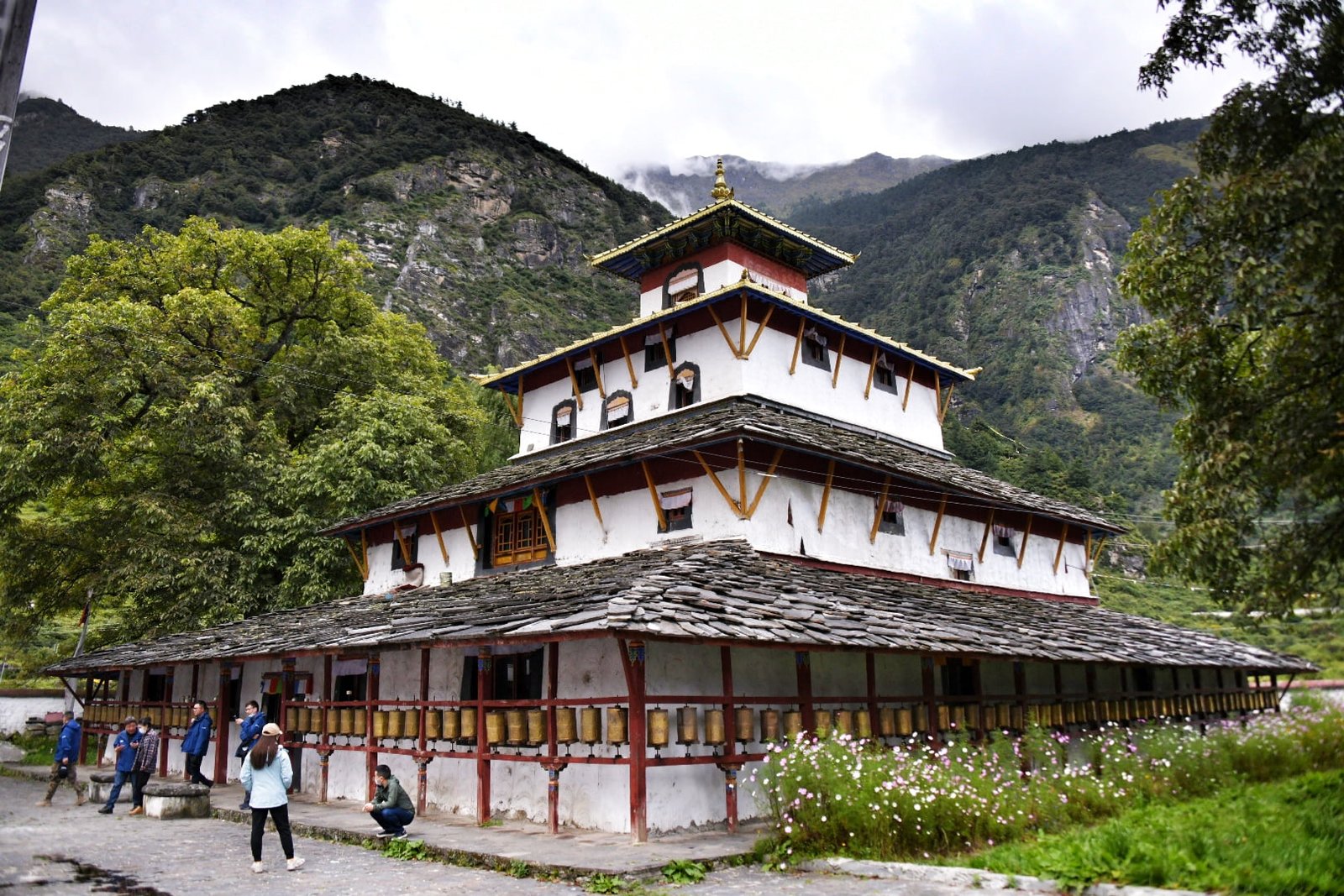
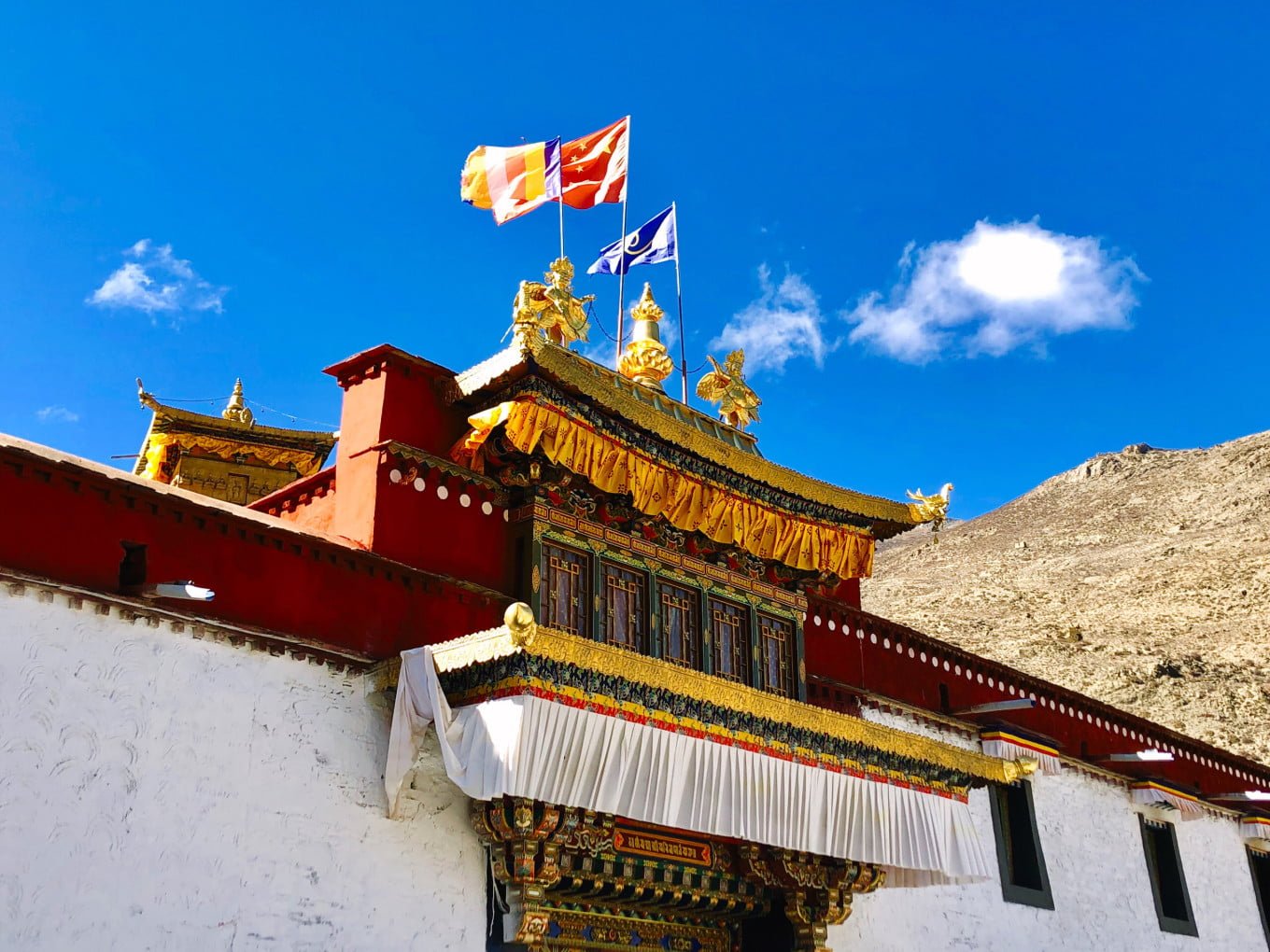
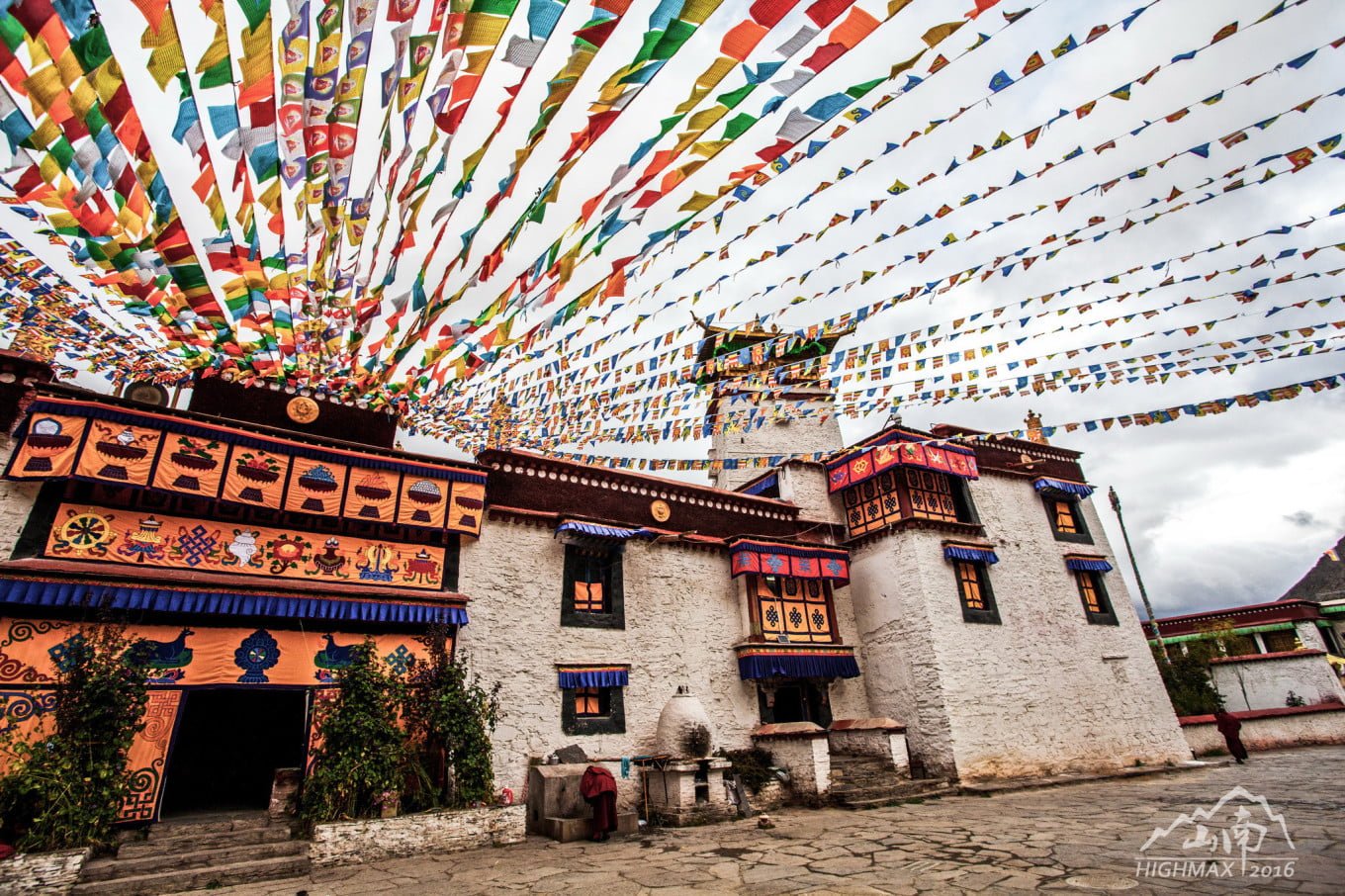
Gyirong County is a must-visit for those seeking to experience the authentic Tibetan culture. Its strategic location near the Nepal border offers a unique blend of Tibetan and Nepalese influences, visible in the local customs, architecture, and cuisine. The region’s natural beauty, marked by lush green valleys and rugged terrain, combined with its rich historical significance, makes Gyirong an ideal destination for cultural enthusiasts and nature lovers alike.
Essential Travel Tips for Exploring Gyirong County
Nestled along the China–Nepal border, Gyirong County is one of Tibet’s most culturally rich and geographically diverse regions. Known for its unique ethnic communities, dramatic landscapes, and living traditions, Gyirong offers travellers an immersive experience that blends nature, culture, and history. Before planning your journey, understanding the local culture, climate, and terrain will help you travel more comfortably and meaningfully.
Gyirong Bracelet Dance: A Living Cultural Heritage
The Meaning and Movements of Tongja Dance
The Gyirong Bracelet Dance, locally called “Tongja”, is an important part of Tibet’s intangible cultural heritage. This traditional dance is mainly performed by women and is recognized for its graceful balance between slow, elegant movements and energetic, rhythmic sequences.
During the slower sections, dancers perform movements such as “one-step lift” and “sliding hands,” expressing calmness and harmony. As the tempo increases, the dance becomes more dynamic, featuring double stomping, waist bumping, and coordinated footwork. The contrast between slow and fast rhythms makes Tongja visually captivating and deeply symbolic of community life in Gyirong.
Traditional Costumes and Ornaments
Costume plays a vital role in the Bracelet Dance. Female performers wear deep red Tibetan robes, decorated with traditional ornaments such as Prusham, Kaou, and Tongguo. These accessories reflect local craftsmanship and cultural identity. Male dancers, when included, also wear red robes, paired with ornaments like Jiudo and Ka-chi, adding to the visual richness of the performance.
Best Time to Experience the Dance
Travellers visiting Gyirong in June can witness the Bracelet Dance during the annual Tongja Lha Cultural Festival. This festival is one of the best opportunities to experience authentic Tibetan performing arts, local rituals, and community celebrations in Gyirong County.
The Tamang People: A Distinct Community in Gyirong
History and Origins
Near the China–Nepal border lies a small village in Gyirong County inhabited by the Tamang people, a close-knit community of around 200 individuals living in 40 households. According to local history, the Tamang are believed to be descendants of Tibetan Horse Army immigrants who settled in the region in the late 18th century.
For generations, the Tamang people lived without official nationality. It was only in 2003 that they were formally granted Chinese citizenship, marking a significant moment in the community’s modern history.
Modern Development and Living Conditions
Following this recognition, the local government invested in improving living conditions for the Tamang community. In 2004, new housing projects were constructed, and by 2005, families had moved into modern homes. Today, the Tamang village represents a blend of traditional lifestyle and contemporary infrastructure, offering travellers a rare glimpse into a lesser-known cultural group in Tibet.
Gyirong County Geography: From High Plateaus to Deep Gorges
Northern Gyirong: High-Altitude Grasslands
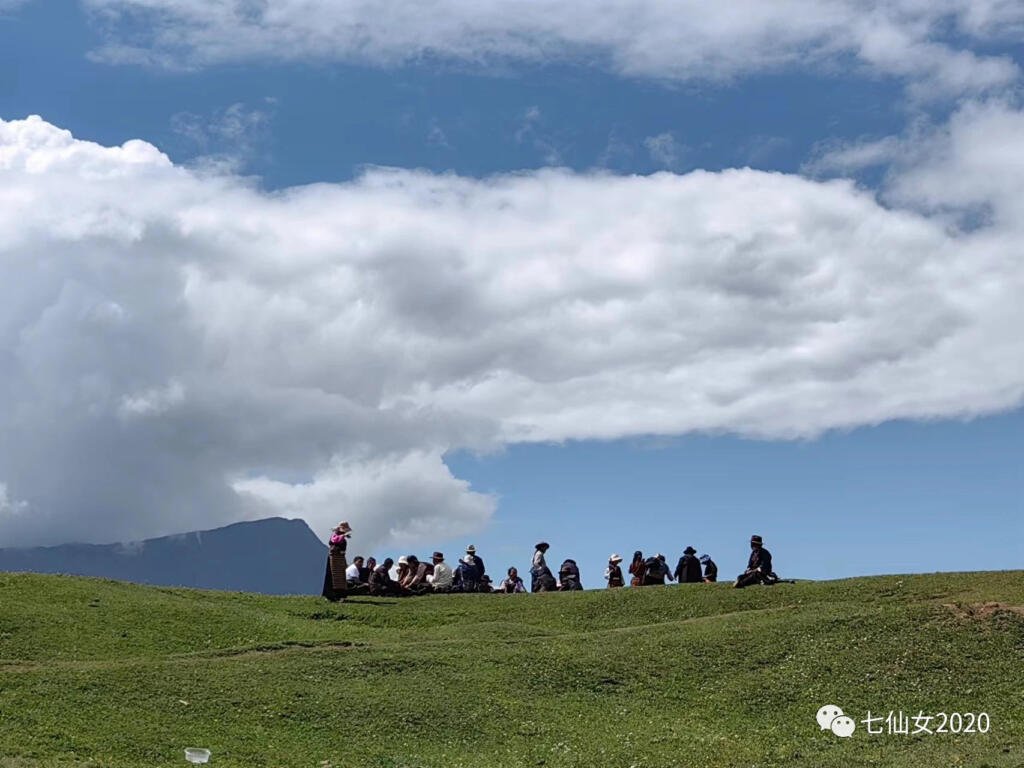
The northern region of Gyirong County is characterised by vast grasslands and lake basins, forming part of the upper Yarlung Zangbo River Valley. With an average elevation of around 4,800 meters, this area features wide open landscapes and elevation differences of nearly 1,000 meters, making it ideal for grazing and pastoral life.
Central Gyirong: Lakes and River Valleys
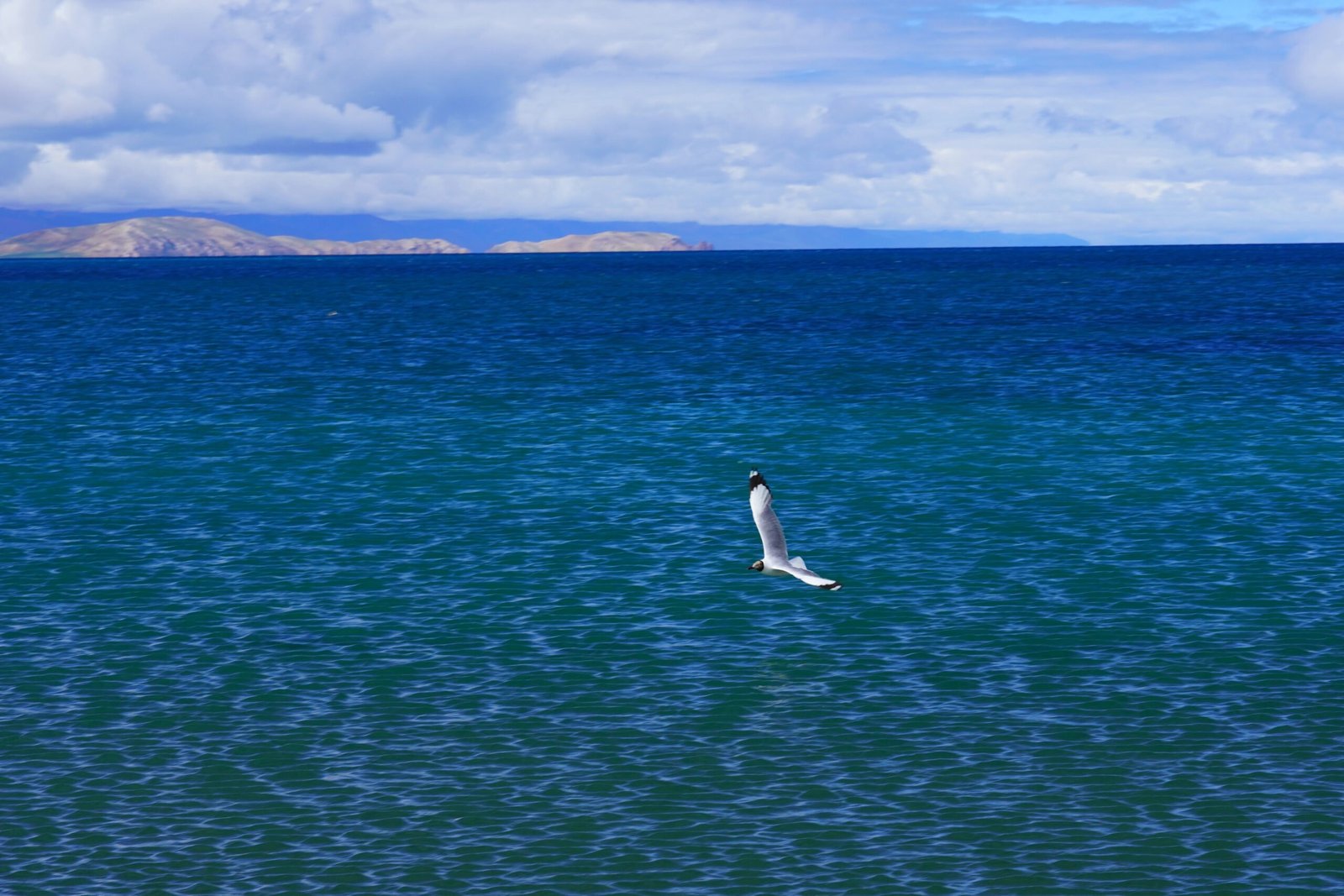
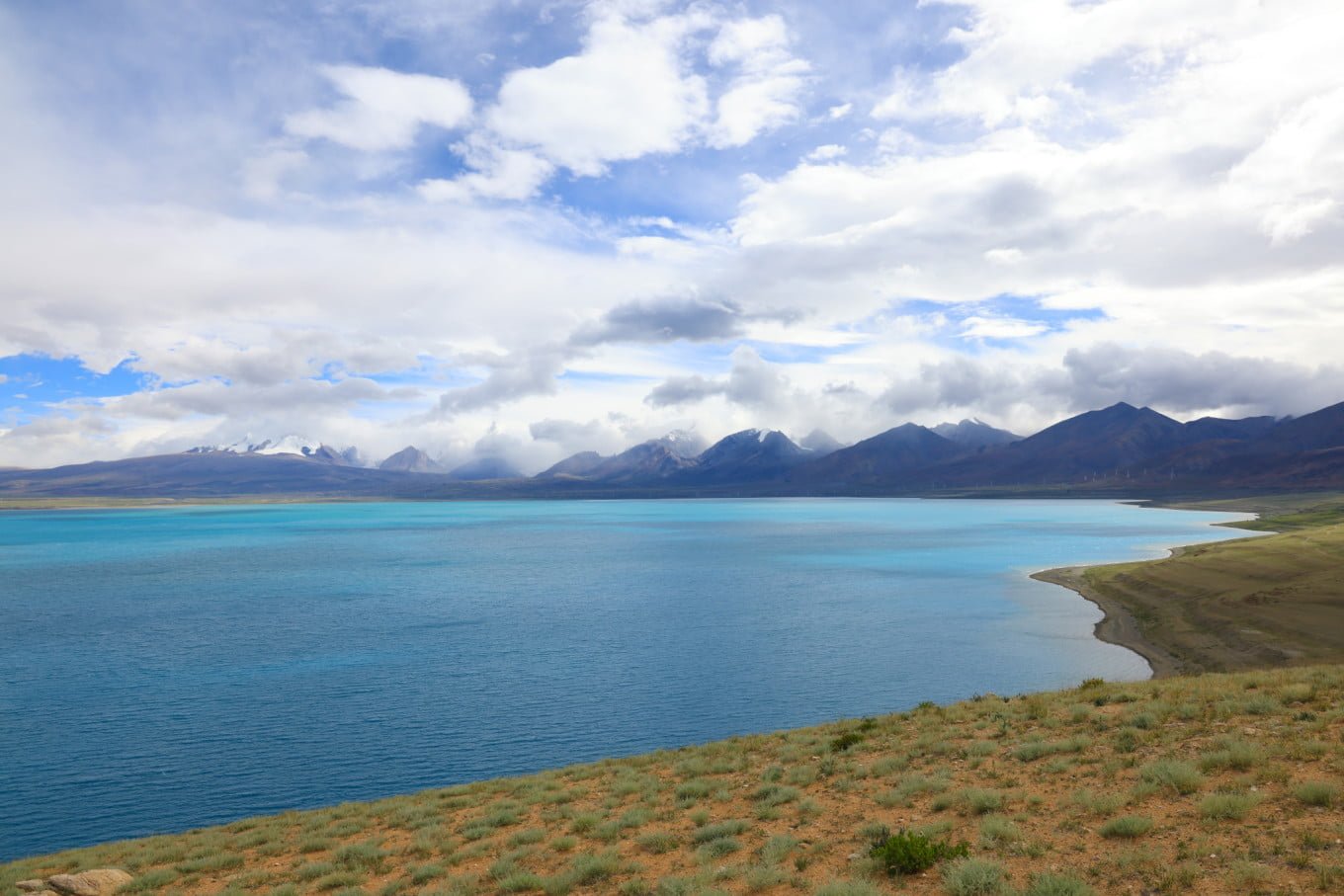
The central region is dominated by lake basins and river valleys. Several notable lakes are located here, including Peiku Lake, White Lake, Black Lake, Red Lake, and Ice Lake. These lakes not only enhance the region’s scenic beauty but also play an important role in the local ecosystem and water supply.
Southern Gyirong: Mountain Gorges and Snow Peaks
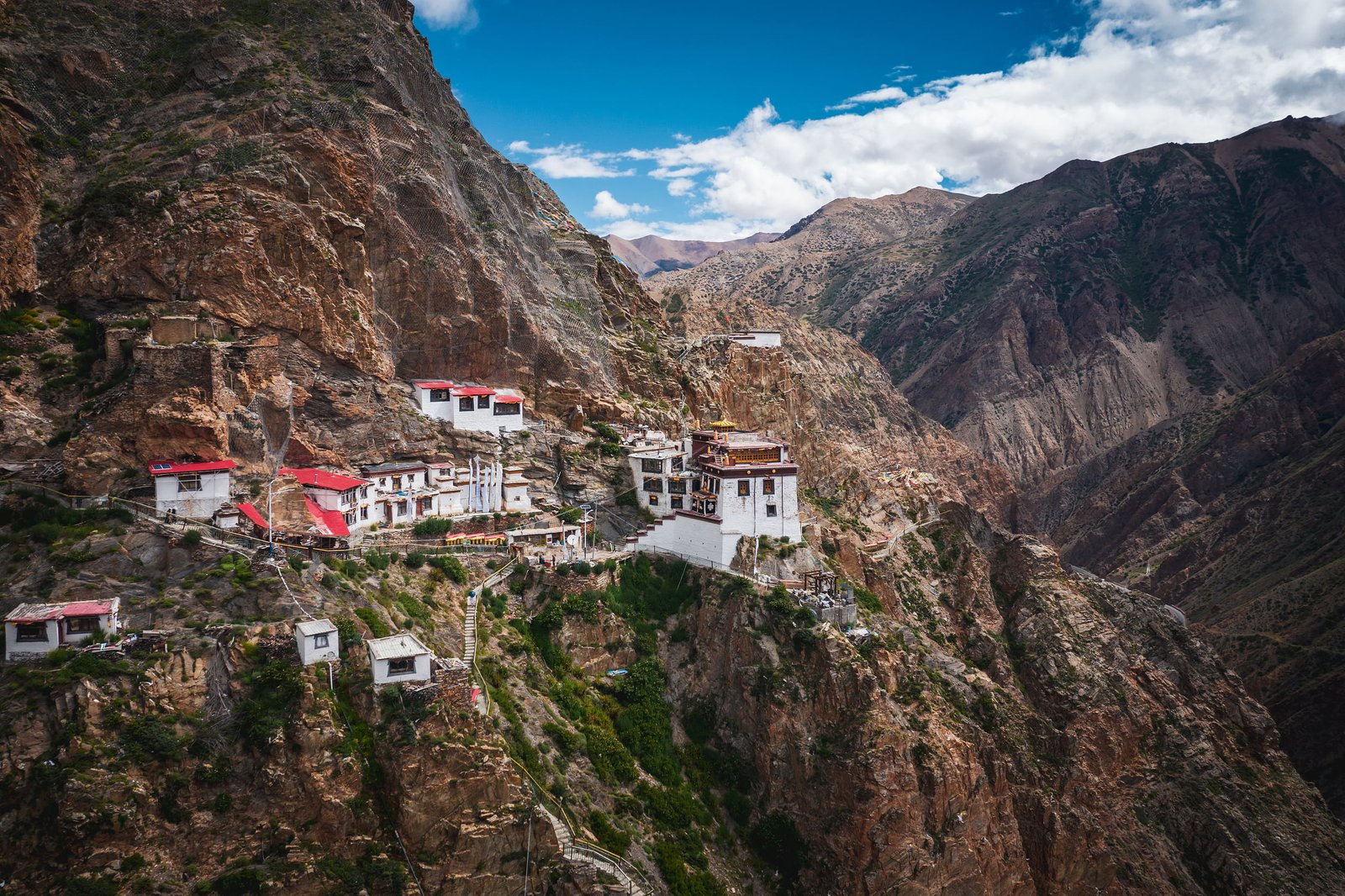
The southern part of Gyirong County is defined by dramatic high mountain gorges and towering peaks. Average elevations exceed 4,000 meters, with elevation differences reaching up to 3,000 meters. Many peaks rise above 6,000 meters, including the iconic Shishapangma Peak, standing at 8,012 meters and covered in snow year-round. This region is particularly attractive to trekkers, photographers, and mountaineering enthusiasts.
Climate Conditions in Gyirong County
Plateau Monsoon Climate
Gyirong County experiences a temperate, semi-arid plateau monsoon climate. Compared to other parts of western Tibet, the area receives relatively ample rainfall, making it greener and more fertile.
Temperature and Seasonal Changes
The annual average temperature in Gyirong is around 2°C. The warmest months typically range between 10°C and 18°C, while winter temperatures can drop to around -10°C. The region enjoys approximately 3,000 hours of sunshine each year, with clear distinctions between dry and wet seasons.
Annual precipitation generally falls between 300 and 600 mm, and the frost-free period lasts for about 60 days, which influences agricultural activities.
Natural Challenges
Despite its natural beauty, Gyirong faces environmental challenges such as droughts, frost, hailstorms, pest infestations, and occasional sandstorms. Travellers should be prepared for sudden weather changes, especially when visiting high-altitude areas.
Local Products and Natural Resources of Gyirong
Agriculture and Animal Husbandry
The economy of Gyirong County is primarily based on agriculture, supported by animal husbandry and forestry. Major crops include highland barley, wheat, peas, rapeseed, and potatoes, cultivated across nearly 16,965 acres of farmland.
The county’s extensive grasslands, covering about 1.3 million acres, support livestock such as yaks, buffalo, cows, sheep, and goats, forming the backbone of rural livelihoods.
Rare Wildlife in Gyirong
Gyirong is also known for its rich biodiversity. The region is home to rare and protected species, including the long-tailed gray langur, Hanuman langur, leopards, deer, peacock pheasants, and snow chickens, making it an important ecological zone in southern Tibet.
Handicrafts and Medicinal Herbs
Local craftsmanship is another highlight of Gyirong. The county is famous for its wooden bowls, bamboo crafts, horse saddles, and ox saddles, all made using traditional techniques.
In addition, Gyirong is renowned for more than 200 varieties of precious medicinal herbs, including cordyceps, fritillaria, notoginseng, gastrodia, and picrorhiza. These herbs are highly valued in Tibetan medicine and contribute significantly to the local economy.
Gyirong County: Your Gateway to Tibet’s Breathtaking Landscapes
Located near the China–Nepal border, Gyirong County is a vital gateway linking southern Tibet with Nepal. Known for its lush valleys, snow peaks, and cultural depth, Gyirong combines natural beauty with growing cross-border importance.
Gyirong has a well-developed road system that supports both tourism and trade.
- Major roads include the Northern Road connecting Shigatse and Ali, and a special route linking Gyirong to the China–Nepal Highway.
- Access to Lhasa is convenient via Shigatse, with a total distance of about 998 km.
- Local connectivity is strong, with all townships accessible by car and a total road length of 437 km.
Travel Tips for Visitors
Reaching Gyirong from Shigatse
- Distance: Approximately 553 km
- Transport options: Long-distance buses, self-driving, or hiring a private vehicle
- Charter cost (reference): Around 1,500–2,300 yuan
Border Pass Requirement
As a border county, Gyirong requires visitors to obtain a border pass. This can be arranged at your place of residence, in Tibet, or through a local travel agency for a service fee.
The “Back Garden of Mount Everest”
Gyirong is often called the “Back Garden of Mount Everest” due to its gentle climate and stunning scenery. The region blends Swiss-style alpine landscapes with the vast beauty of the Tibetan Plateau.
With its rich history, unique border culture, and role as a China–Nepal border trade port, Gyirong offers travellers a rare mix of natural charm and cultural significance.