Unlocking Tibet’s Skies: How Charter Flights Are Transforming High-Altitude Travel
Tibet’s dramatic landscapes—snow-capped peaks, sacred lakes, ancient monasteries, and vast grasslands—have long inspired adventurous travelers. Yet exploring these remote regions often means long drives across rugged terrain and high mountain passes.
General aviation, including private and charter flights, is opening a new chapter in Tibet tourism. By offering scenic helicopter rides and small aircraft charters, travelers can experience Tibet from the sky—saving time while enjoying unforgettable aerial views.
For tour operators and travel brands focused on Tibet journeys, integrating charter flights into travel packages creates a powerful new way to elevate the experience.
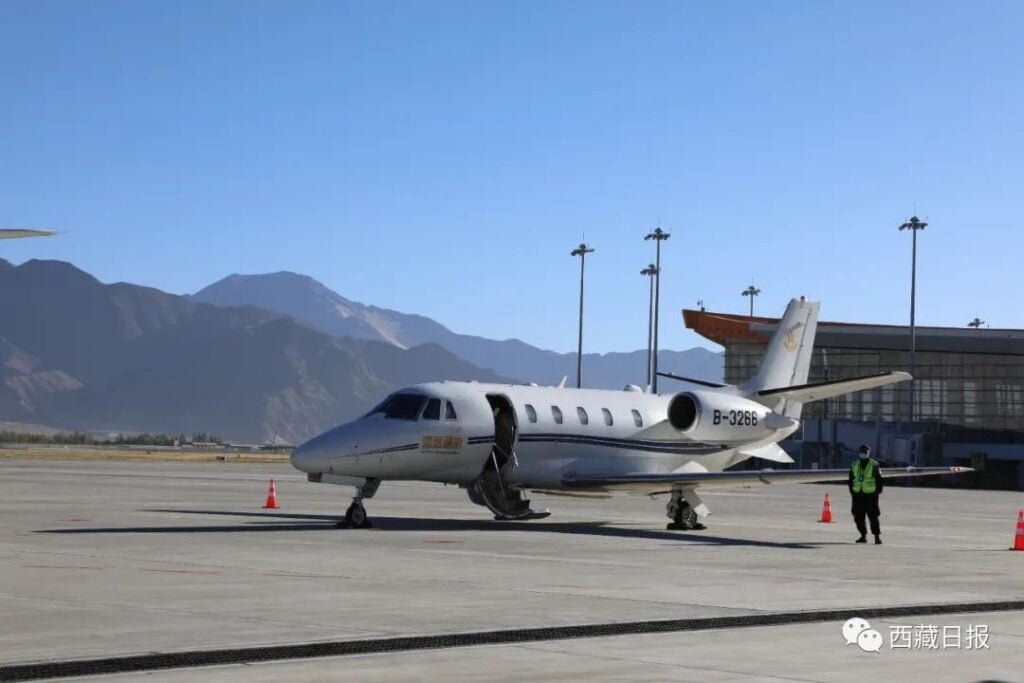
Why General Aviation Is a Game-Changer for Tibet Tourism
Tibet sits at an average elevation of over 4,000 meters, making it one of the most unique travel destinations in the world. While road journeys offer immersive cultural experiences, they can also be time-consuming and physically demanding.
Charter flights and helicopter tours solve many of these challenges.
1. Efficiency and Comfort
Travelers with limited time can avoid long road transfers between destinations like Lhasa, Everest Base Camp, and Mount Kailash. A helicopter flight that takes one to two hours may replace a full day of driving.
For high-altitude destinations, shorter travel time also helps reduce fatigue.
2. Unmatched Aerial Experiences
From above, Tibet reveals an entirely different perspective:
- Turquoise lakes surrounded by snow peaks
- Glaciers flowing from Himalayan summits
- Nomadic camps scattered across vast grasslands
- Remote monasteries perched on mountain cliffs
Scenic charter flights allow visitors to witness landscapes that are impossible to fully appreciate from the ground.
3. Expanding Access to Remote Regions
With five key airports—
- Lhasa Gonggar International Airport
- Nyingchi Mainling Airport
- Chamdo Bangda Airport
- Shigatse Peace Airport
- Ngari Gunsa Airport
—Tibet already has the foundation for regional aviation connectivity. Charter services can bridge the final gap between airports and remote attractions.
4. Sustainable Tourism Potential
Compared to building new highways across fragile alpine ecosystems, small-scale aviation can reduce long-term infrastructure impact when managed responsibly. Modern light helicopters are increasingly efficient and designed for high-altitude conditions.
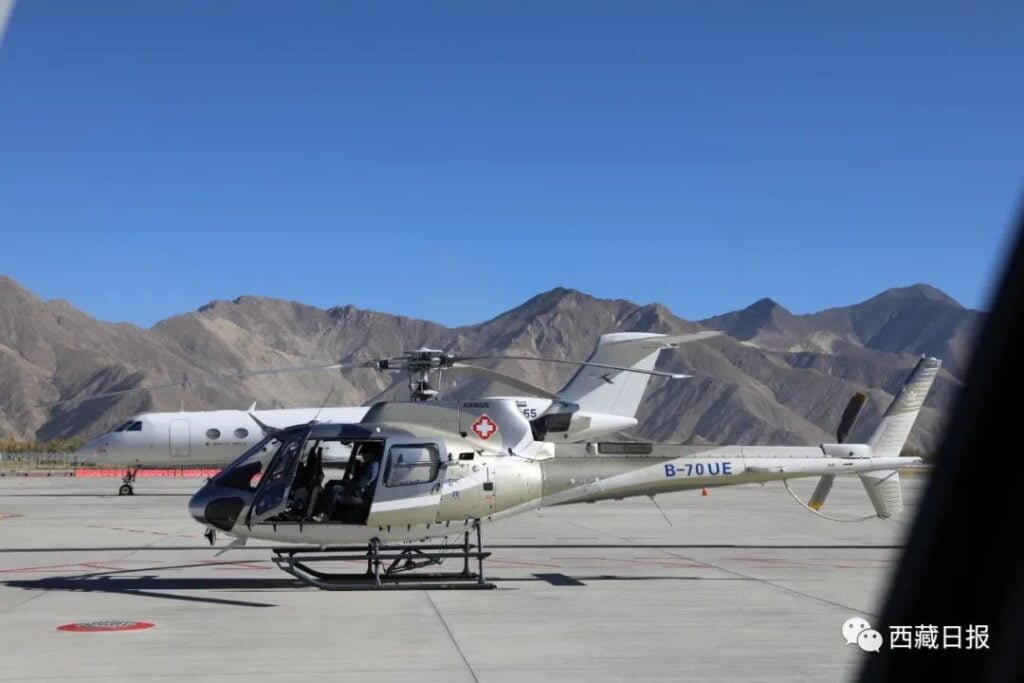
Recommended Scenic Charter Flight Routes in Tibet
Helicopter and small aircraft charters can depart from Lhasa, Nyingchi, Shigatse, or Ngari depending on itinerary design. Below are some of the most compelling scenic routes for travelers.
Lhasa to Namtso Lake
- Duration: 1–2 hours
- Aircraft: Helicopter (3–4 passengers)
Fly north from Lhasa over sweeping plateaus toward Namtso Lake, one of Tibet’s most sacred lakes.
From the air, Namtso’s deep blue waters contrast dramatically with surrounding snow peaks and nomadic settlements. This route is ideal for spiritual travelers and photographers.
Lhasa to Yamdrok Lake
- Duration: ~1 hour
- Aircraft: Helicopter (3–4 passengers)
This scenic loop circles the emerald waters of Yamdrok Lake, one of Tibet’s “Three Holy Lakes.”
Aerial views reveal the lake’s intricate shoreline and surrounding mountains in ways that road travel cannot capture.
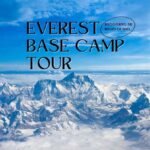
Lhasa to Mount Everest Base Camp
- Duration: 2–3 hours (one way)
- Aircraft: Helicopter or fixed-wing charter (2–6 passengers)
Soar above the Himalayas toward Mount Everest, known in Tibet as Qomolangma.
This route provides sweeping views of glaciers and peaks before approaching Rongbuk Monastery, the world’s highest monastery near Everest Base Camp.
Best operated during clear weather seasons from May to October.
Nyingchi Forest and Brahmaputra Gorge Flight
- Duration: ~1 hour
- Aircraft: 4–6 passenger helicopter
Often called the “Switzerland of Tibet,” Nyingchi offers lush valleys and seasonal peach blossoms. Flights over the Yarlung Tsangpo (Brahmaputra) River gorge create a dramatic contrast to western Tibet’s dry plateau landscapes.
Shigatse to Ngari (Kailash Region)
- Duration: ~2 hours
- Aircraft: 4–6 passenger charter
This cross-plateau journey leads toward the sacred pilgrimage region of:
- Mount Kailash
- Lake Manasarovar
For pilgrims and spiritual travelers, aerial access significantly reduces overland travel time while offering breathtaking Himalayan panoramas.

Understanding Pricing: How to Make Charter Flights More Affordable
Operating aircraft at high altitude involves specialized equipment, trained pilots, and weather planning. However, smart pricing strategies can make Tibet charter flights more accessible.
Current Pricing Benchmarks
- Namtso Charter: ~21,800 CNY (3 passengers)
- Yamdrok Charter: ~18,800 CNY (3–4 passengers)
- Everest Charter: 30,000+ CNY depending on conditions
Per-person pricing becomes more attractive when shared among small groups.
Smart Pricing Strategies for Tour Operators
Encourage Group Bookings
Promote shared charter experiences for 3–6 travelers. Splitting costs significantly lowers the price per person.
Offer Seasonal Discounts
November to April is considered off-peak for many travelers. Offering 20–50% discounts during this period can stimulate demand.
Create Bundled Packages
Combine charter flights with:
- Boutique hotel stays
- Monastery visits
- Cultural experiences
- Ground transport
For example: a Namtso helicopter tour plus guided cultural visit can be packaged under a premium but competitive price point.
Hybrid Travel Options
Partnering with commercial carriers such as:
- Air China
- Tibet Airlines
—can allow travelers to combine scheduled flights into Tibet with optional scenic charter add-ons.
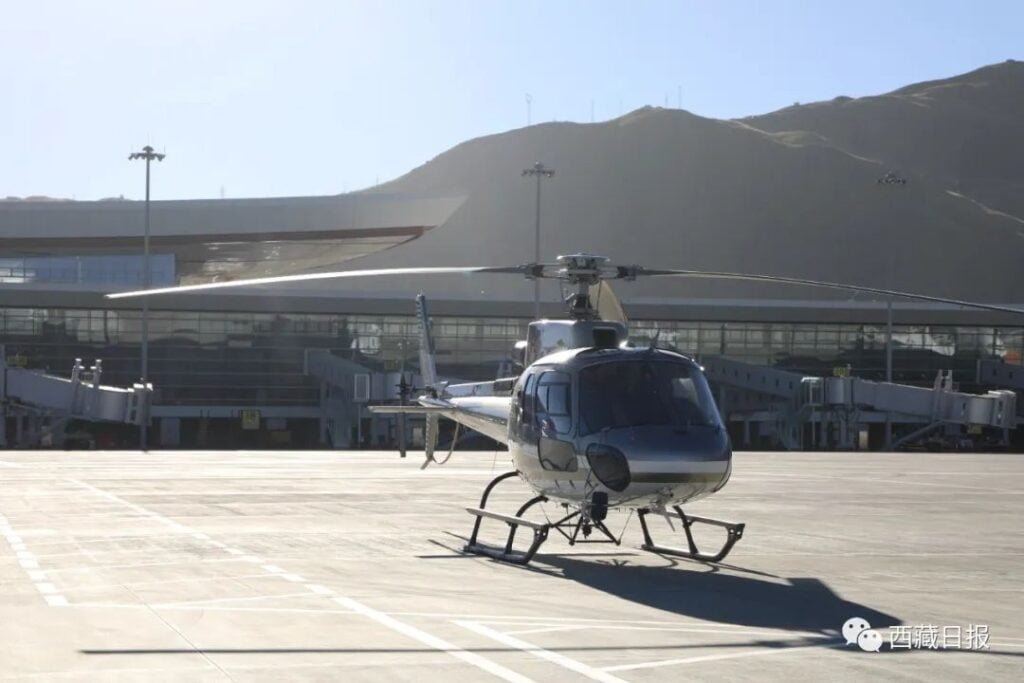
The Future of Low-Altitude Tourism in Tibet
General aviation is gradually reshaping how travelers experience remote regions worldwide. In Tibet, charter flights offer an exciting blend of efficiency, exclusivity, and unforgettable scenery.
By integrating helicopter and small aircraft experiences into carefully designed itineraries, travel operators can provide immersive, time-efficient journeys that elevate Tibet tourism to a new level—both literally and figuratively.