13618982405 info@tourtraveltibet.com

Login

Sign Up

After creating an account, you'll be able to track your payment status, track the confirmation and you can also rate the tour after you finished the tour.
Username*
Password*
Confirm Password*
First Name*
Last Name*
Birth Date*
Email*
Phone*
Country*
* Creating an account means you're okay with our Terms of Service and Privacy Statement.
Please agree to all the terms and conditions before proceeding to the next step

Already a member?

Login

Travel Blog – Main reason to Know About Tibet

11
May

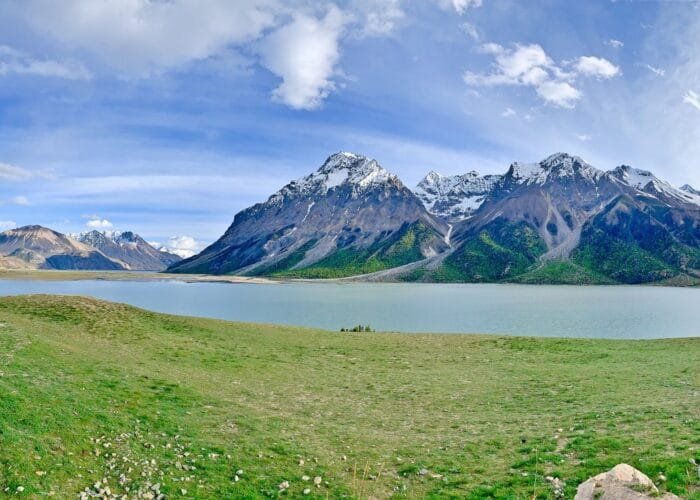
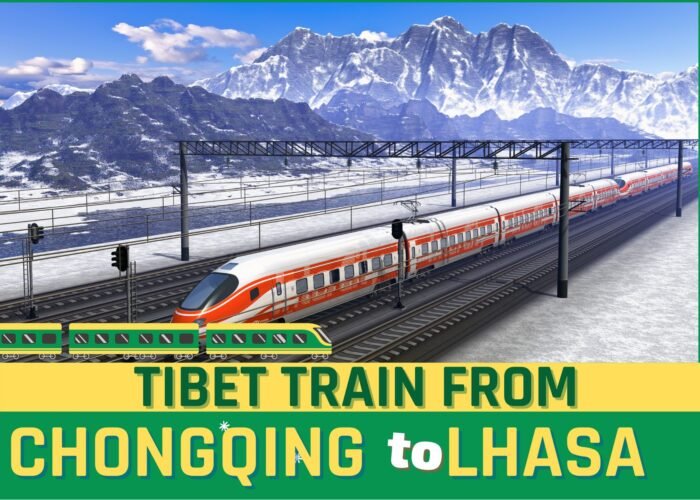
Nyingchi to Lhasa Train will take only three hours, along with the beautiful scenery!

Tibet has always held sacred significance for many, with its heavenly proximity, stunning landscapes, and enigmatic legends. Its remote location and highland climate pose challenges for transportation, necessitating the construction of railways. The Qinghai-Tibet Line is renowned, and now, the Sichuan-Tibet Line brings exciting news. The Lhasa-Nyingchi section in Tibet will officially open on June...
Read More
28
Dec

Discovering the Wonders of Chujugou Valley in Gyaca County: A Path to Longevity and Natural Beauty

Chujugou Valley: A Gateway to Scenic Splendor Located in the Chujugou Township of Gyaca County, Chujugou Valley, meaning “Longevity” in Tibetan, is an essential passageway to the sacred Lhamo Latso Lake. Dominated by the permanently snow-capped Jieluola Snow Mountain, the main source of the Chujugou River, the valley stretches almost 100 kilometers, featuring a dramatic...
Read More
28
Dec

Dongkar Temple: A Renowned Dharma Protector Temple in Tibet

Location and Significance Donggar Temple (stong-dgav-dgon) is situated in the Doilung Dechen District and stands as one of the three major Dharma protector temples in Tibet. The other two are the Qujiong Dharma Protector Temple of Naichung Monastery and the Drepung Monastery. Unique Reputation Despite Its Size Although Donggar Temple is small, housing only a...
Read More
17
Jul

The Sixth Karmapa: Tongwa Dönden (1416–1452)

Historical Context and Early Life Tongwa Dönden, recognized as the sixth Karmapa, was born in 1416 amidst a turbulent era in Tibet’s spiritual and political landscape. The Karma Kagyu lineage, to which he belonged, was experiencing growth and influence, attracting followers and establishing monasteries across the region. This period was marked by the struggle for...
Read More
19
May

Tibet for USA Travelers: Full Entry and Travel Guide (2025)

Understanding Tibet Entry Requirements For American travelers, entering Tibet requires careful attention to specific permits and documentation. The most essential document is the Tibet Travel Permit, which is mandatory for all foreign visitors. This permit is crucial as it allows travelers to access the region and is strictly enforced by local authorities. To obtain the...
Read More
18
May

The Pilgrimage to Mount Kailash: A Life-Changing Journey

Introduction to Mount Kailash Mount Kailash, situated in the remote western region of Tibet, stands as one of the most revered pilgrimage destinations in the world. Towering at an elevation of 6,638 meters (21,778 feet), it is not only a daunting natural landmark but also holds profound spiritual significance for millions of devotees across various...
Read More
22
Jul

Chana Dorje: The Vajrapani Incarnate and Political Bridge between Tibet and the Mongols

Introduction to Chana Dorje Chana Dorje is a figure of considerable historical significance, embodying a unique intersection of spirituality and diplomacy in the realm of Tibetan and Mongolian history. As an incarnation of Vajrapani, the Bodhisattva who symbolizes the power of protection and enlightenment, Chana Dorje represents not just a religious figure but also a...
Read More
Unveiling the Denisovans: Ancient High-Altitude Inhabitants of the Tibetan Plateau
12
Jul

Unveiling the Denisovans: Ancient High-Altitude Inhabitants of the Tibetan Plateau

Recent discoveries have shed light on the Denisovans, an ancient group of humans closely related to Neanderthals. New evidence suggests that they not only ventured into the high altitudes of the Tibetan Plateau but thrived there for a significant period. Denisovans Beyond Siberia Traditionally, researchers believed that Denisovans inhabited Siberia. However, a groundbreaking analysis of...
Read More
04
Jul

Kyungpo Naljor: The Founder of the Shangpa Kagyu Lineage

Introduction to Kyungpo Naljor Kyungpo Naljor is a pivotal figure in Tibetan Buddhism, revered as the founder of the Shangpa Kagyu lineage. His contributions to the spread of Buddhist teachings and practices firmly established him as a significant master in Tibetan spiritual history. Born in the 11th century in the region of Tsang, Naljor hailed...
Read More
06
Jul

Nāgārjuna: The Mastermind Behind Madhyamaka and Tantric Lineages

Introduction to Nāgārjuna Nāgārjuna, a distinguished philosopher and pivotal figure in the development of Mahāyāna Buddhism, is often regarded as one of the most influential thinkers in the history of Buddhist thought. His legacy, which spans centuries, is characterized by profound intellectual contributions that have shaped both Mahāyāna philosophy and later tantric traditions. The etymology...
Read More
16
Jul

Tsultrim Gyatso: The 10th Dalai Lama and the Birth of a New Recognition System

Birth and Early Recognition of the 10th Dalai Lama Early Life and Recognition of the 10th Dalai Lama, Tsultrim Gyatso Tsultrim Gyatso, the 10th Dalai Lama of Tibet, was born on May 25 or 26, 1816, in Donapu Village, in Lithang County, part of the Kham region of eastern Tibet (modern-day Sichuan Province). His family,...
Read More
23
Jul

Exploring Nianri Monastery: A Sacred Gem Along the Mount Kailash Pilgrimage Circuit

Introduction to Nianri Monastery Nianri Monastery, also referred to as Chu-Khu Monastery, stands as a significant spiritual landmark along the revered Mount Kailash pilgrimage circuit. Located in Purang County, Tibet, this monastery offers a serene halt for pilgrims and visitors alike, providing them with the opportunity to engage deeply with the region’s rich cultural and...
Read More
05
Jan

Discovering Mêdog Nyinchi: A Hidden Gem in Tibet

Explore the enchanting Mêdog County (མེ་ཏོག་རྫོང་།), a hidden gem in the southeastern corner of Tibet, known as the "flower" or Pemako, meaning "hidden lotus". Nestled among the Yarlung Tsangpo River, Himalayas, and Gangdise range, Mêdog offers dramatic landscapes and rich cultural heritage. Bordering Zayü County, India, and other significant areas, it boasts a diverse ecosystem...
Read More
11
May

西藏吉祥八宝:神秘的宗教符号与历史文化

一、引言 西藏吉祥八宝,也称为八吉祥,是藏族文化中具有特殊意义和象征的八种物品。它们代表着藏族人民对美好生活的向往和追求,也是藏族艺术和民间信仰。 研究西藏吉祥八宝的意义在于深入理解藏族文化的内涵,以及它们在藏族人民生活中的实际应用和影响。通过研究这些象征物,我们可以更好地了解藏族人民的价值观、信仰和审美观。 二、西藏吉祥八宝的起源与发展 西藏吉祥八宝的起源可以追溯到古代印度佛教文化,随着时间的推移,它们在藏族文化中逐渐形成了独特的象征意义和地位。 在藏族文化中,西藏吉祥八宝被视为吉祥和好运的象征,它们在藏族民间信仰中扮演着重要的角色,被广泛应用于宗教仪式、艺术创作和日常生活中。 三、西藏吉祥八宝的组成与象征意义 吉祥八宝的组成包括:宝伞、金鱼、宝瓶、胜利幢、莲花、吉祥结、轮宝和金刚杵。 这些物品各自有着独特的象征意义,例如宝伞象征着权威和保护,金鱼象征着富裕和幸福,宝瓶象征着健康和财富等。这些象征意义反映了藏族人民对美好生活的向往和追求。 四、西藏吉祥八宝在现实生活中的应用 吉祥八宝在藏族艺术中的体现非常丰富,如绘画、雕塑和建筑装饰等。这些艺术作品不仅展现了吉祥八宝的美学价值,也体现了藏族人民的宗教信仰和审美观念。 吉祥八宝在日常生活中的应用也非常广泛,如服饰、配饰和家居装饰等。这些物品不仅具有实用性,也承载着吉祥八宝的象征意义,为藏族人民的生活增添了美好的寓意。 五、结论 西藏吉祥八宝是藏族文化中具有重要意义的象征物,它们承载着藏族人民的信仰、价值观和审美观。通过对这些象征物的研究,我们可以更深入地理解藏族文化,以及它们在藏族人民生活中的实际应用和影响。 未来的研究可以进一步探讨吉祥八宝在藏族文化中的历史演变和传播,以及它们在不同地区和民族中的影响和应用。同时,还可以研究吉祥八宝与现代文化之间的互动和融合,为藏族文化的传承和发展提供新的视角和启示。 Eight symbol 在西藏,吉祥八宝被广泛用于各种场合,如婚礼、庆典、节日等。人们通过吉祥八宝来祈求幸福、吉祥和平安,希望能够得到佛祖的庇佑和祝福。吉祥八宝成为了西藏人民生活中的重要组成部分,也成为了西藏文化的一种独特魅力。吉祥八宝的信仰和象征意义在西藏的宗教仪式和日常生活中扮演着重要角色。例如,在佛教寺庙中,这些符号经常被描绘在壁画、唐卡(一种宗教卷轴画)和佛像上。它们也作为装饰出现在寺庙的屋顶、门窗和其他结构上。 此外,吉祥八宝也常常被制作成各种物品,如雕塑、挂饰、珠宝和服装上的图案,以供人们佩戴或在家中供奉,以此来获得吉祥和保护。例如,一些藏族家庭会在窗户上悬挂用金银丝线编织的吉祥结,或者在家中摆放象征胜利幢的小型模型,以此来祈求家庭和睦、事业成功。 吉祥八宝不仅是佛教的象征,它们还体现了藏族人民对自然界的崇拜和对宇宙秩序的理解。例如,莲花与水有关,象征着生命和纯洁;金鱼与水有关,象征着健康和活力;宝瓶与水有关,象征着财富和满足。这些符号都与水有关,反映了藏族人民对水的崇拜,因为水是他们生活和文化的重要组成部分。 吉祥八宝的信仰和实践体现了藏族人民对美好生活的向往和对宗教信仰的虔诚。它们不仅是宗教的象征,也是藏族文化的重要组成部分,反映了藏族人民的精神世界和审美观。通过吉祥八宝,藏族人民表达了对幸福、健康、平安和繁荣的渴望,以及对宇宙和谐与平衡的追求。吉祥八宝的信仰和实践在西藏及其周边地区的文化中根深蒂固,它们不仅仅是宗教上的象征,也融入了人们的日常生活中。以下是一些关于吉祥八宝的进一步说明: 莲花(Padma):莲花象征着纯净和出淤泥而不染的品质,它代表了一种超越世俗烦恼的能力。在佛教中,莲花也象征着佛性,即每个人内在的佛性,无论外界环境如何,都能够保持纯净和觉醒。 宝瓶(Kalasha):宝瓶通常装满甘露,象征着智慧和解脱的成就。它也代表财富和满足,因为宝瓶中的甘露是无穷无尽的,象征着满足一切愿望的能力。 胜利幢(Dhvaja):胜利幢是佛教胜利的象征,它代表了一种超越痛苦和挑战的能力。胜利幢通常呈倒立状,象征着烦恼的消除和觉悟的获得。 金鱼(Surya):金鱼是吉祥和繁荣的象征,因为它们能在水中自由游动,代表了一种不受限制的生活和自由自在的状态。 法轮(Chakra):法轮是佛教教义的象征,它代表佛法无边的智慧,能够消除无知和烦恼。法轮的转动也象征着佛教教义的传播和普及。 吉祥结( 吉祥结(Srivatsa):吉祥结是佛教中的一个重要符号,它代表无限、完整和平衡。吉祥结没有开始和结束,象征着因果关系的循环和宇宙的连续性。它也象征着吉祥和好运,因为它的形状类似于汉字“吉”。 宝伞(Chhatra):宝伞是王权的象征,它代表保护和安全。在佛教中,宝伞代表佛陀的保护和庇护,它能够保护信众免受烦恼和苦难的侵袭。 白海螺(Shankha):白海螺是佛教中的一个神圣符号,它代表佛陀的声音,能够传播教义和智慧。海螺的声音被认为是纯净和神圣的,能够净化心灵和指引方向。 这些吉祥八宝不仅在佛教寺庙和宗教仪式中常见,还常常出现在藏族艺术、装饰和日常生活中。例如,莲花图案可能出现在地毯和服装上,而宝瓶可能被用作装饰品或用于宗教仪式。吉祥结和白海螺等符号也常常出现在佛教艺术作品和宗教仪式中。 吉祥八宝的信仰和实践体现了藏族人民对美好生活的追求和对佛教教义的理解。它们不仅是宗教上的象征,也是藏族文化中富有意义和象征意义的元素。
Read More
18
May

Responsible Tourism Guidelines for Visiting Tibet in 2025

Introduction to Responsible Tourism in Tibet Tibet, often referred to as the “Roof of the World,” is a region of unparalleled beauty and profound cultural significance. Its breathtaking landscapes, rich traditions, and unique spiritual heritage attract travelers from around the globe. However, as the number of visitors increases, the need for responsible tourism becomes ever...
Read More
27
Jun

How to Travel in Tibet from Singapore

Travel from Singapore to Tibet is easy and hassle-free! Choose between traveling through mainland China or via Nepal, and contact us for your Tibet expedition.
Read More
01
Jun

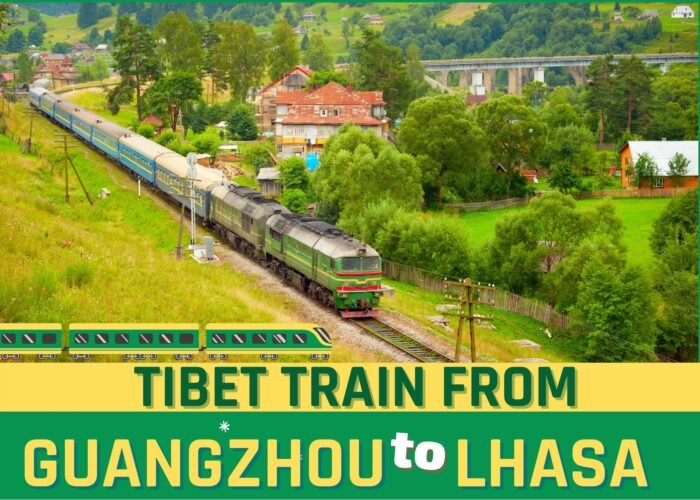
How to Travel in Tibet From Major Cities in China by Train

Looking to travel to Lhasa by train? Here are 7 departing options from various cities, with detailed times and fares. Check out the best route for stunning scenery!
Read More
10
Aug

Gontang Ancient Fortress: A Forgotten Kingdom Hidden in Tibet’s Borderlands

Introduction to Gontang Fortress The Gontang Fortress, a remarkable historical site, stands as a testament to the rich cultural heritage of Tibet. Nestled in Gyirong County, within the Shigatse Prefecture, the fortress is an emblem of a bygone era that followed the collapse of the Tibetan Empire. The geographical location of Gontang Fortress adds to...
Read More
09
May

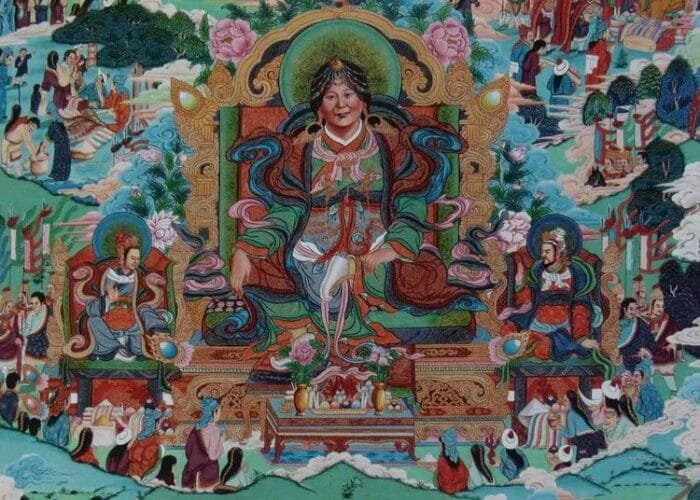
The Heroic Epic of King Gesar: A Tale of Bravery, Wisdom, and Triumph

An Introduction of King Gesar King Gesar is a collective heroic epic originating from Tibet in the 11th to 13th centuries. Revered as the son of the God of Heaven, Gesar ruled over the ancient Tibetan kingdom of Ling. With great wisdom and supernatural abilities, Gesar and his followers courageously fought against malevolent forces, ultimately...
Read More
13
Jan

The Sacred Sedeng Monastery: A Hidden Spiritual Treasure in Eastern Tibet

Nestled in Zongxi Township of Mangkang County, Sedeng Monastery—formally known as Sedeng Samdrub Chugling—stands as one of the most spiritually significant monasteries in eastern Tibet. Revered for its profound religious heritage, rare sacred relics, and living traditions, the monastery plays a vital role in preserving Tibetan Buddhist culture, rituals, and devotion. For pilgrims and travelers...
Read More
17
Dec

Discover Popular Bomê County: A Gem in Southeastern Tibet

Discover Bomê County, a land of mystery and beauty nestled along the Yarlung Tsangpo River in southeastern Tibet. Learn about its rich history, from the ancient Bomi Kingdom to its role as a sanctuary for Tibetan pilgrims. Uncover the historical significance of this enigmatic region, its unique climate, and its transformation over the centuries. Visit...
Read More
1 12 13 14 15 16 70