Discover the reasons why Indian people are drawn to Tibet for tours and pilgrimages, from its religious significance to its natural beauty. Learn more here.Read More
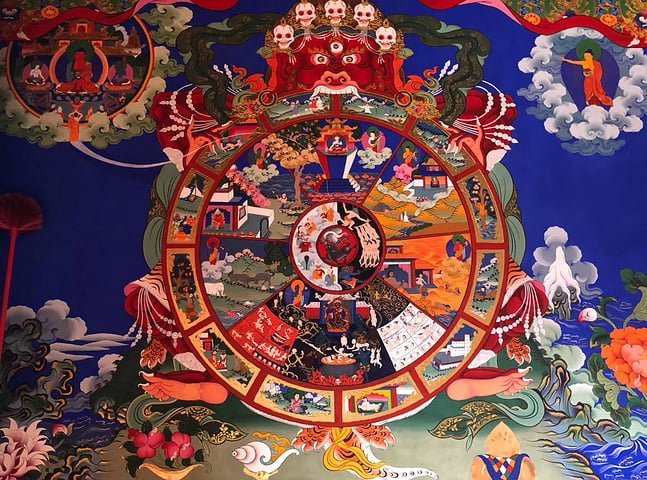
Before Buddhism entered Tibet, this snow-covered plateau had its own traditional religious beliefs. This native religion developed by primitive Shamanism. which has great influence on the human world such as ghosts, gods, heaven, earth, mountains and rivers, earth and rocks, and even vegetation. The worship of animism has a strong shaman color and the custom...Read More
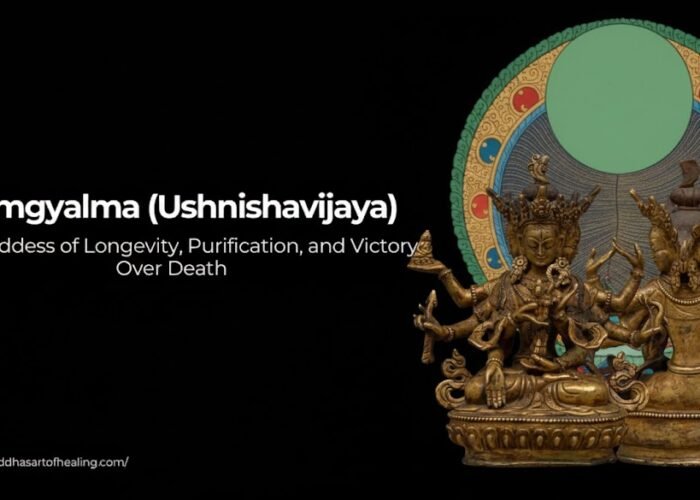
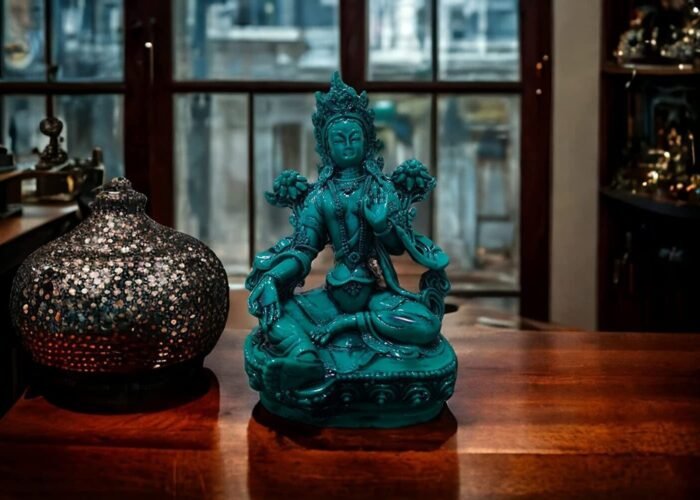
The Essence of Tibetan Buddhist Sculpture: A Journey Through Enlightened Figures and Iconic Art Tibetan Buddhist sculpture is a vivid, intricate art form that reflects centuries of devotion, wisdom, and spiritual aspiration. At the heart of this rich tapestry of art are the Buddhas—revered figures representing enlightenment and compassion. In Tibetan Buddhism, the term “Buddha,”...Read More
The reincarnation system for Living Buddhas, specifically the Dalai Lama and Panchen Lama, is a fundamental aspect of Tibetan religion rooted in the belief in the reincarnation of the soul. This system was established by the Gelug Sect, Tibetan Buddhism. Karma Kagyu – First reincarnation The system’s origins can be traced back to Dusum Chenpa,...Read More
Embark on the extraordinary 7 Days Lhasa Shigatse Gyantse Discovery Tour and immerse yourself in the rich culture and breathtaking beauty of Tibet. Explore historical landmarks, witness stunning landscapes, and experience the local way of life. With knowledgeable guides to accompany you, this once-in-a-lifetime adventure is perfect for history buffs, nature lovers, and those seeking...Read More
Introduction to Tibet’s Economic Landscape The Tibet Autonomous Region (TAR) stands out within China’s economic framework due to its unique geographical, cultural, and resource endowments. With a rich array of natural resources, including minerals, water, and a significant potential for renewable energy, TAR possesses considerable economic potential. Over the past few decades, the region has...Read More
Embark on a spiritual journey to Kharchu Temple, one of the five sacred sites of Guru Padmasambhava. Explore the natural splendor and rich history of this mystical sanctuary amidst snow-capped mountains, lush forests, and hidden in the clouds. Find peace and tranquility in the heart of Tibet.Read More
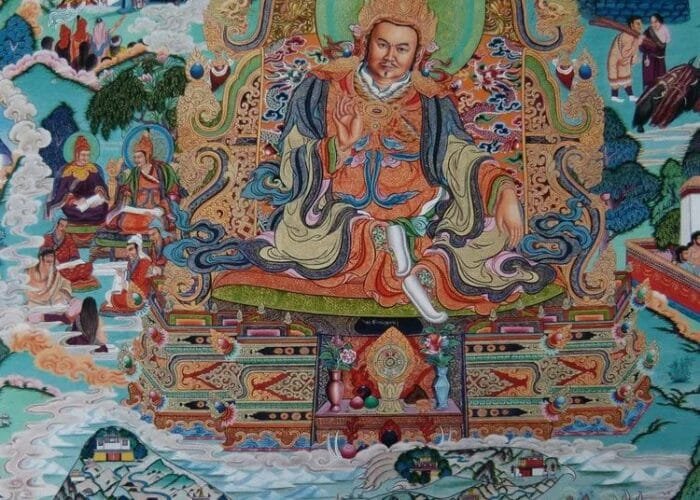
Introduction to Shyopé Dorje Shyopé Dorje, a pivotal figure in the tapestry of Tibetan Buddhism, emerged during the 12th century, a period marked by significant spiritual evolution and the intertwining of various Buddhist practices. His contributions to the realm of tantric Buddhism illuminate his importance as a teacher and practitioner, despite the limited acknowledgment he...Read More
China is home to some of the most spiritually and culturally significant landmarks in the world. Among them are the Four Sacred Buddhist Mountains, revered as sites of profound religious devotion, pilgrimage, and cultural exchange. Each mountain is associated with a particular bodhisattva, embodying their unique virtues and teachings. These sacred sites attract millions of...Read More
Introduction to Potowa Rinchen Sel Potowa Rinchen Sel, a distinguished Tibetan Buddhist master, emerged as a pivotal figure in the development of the Kadampa school during the 11th century. His life and teachings have greatly influenced not only the doctrinal framework of this essential school of Tibetan Buddhism but also the practices and educational structures...Read More
As a South African, traveling to Tibet was a dream come true. I never imagined I would find so much beauty and culture in the Roof of the World. From the colorful prayer flags to the towering Himalayas, this journey was truly unforgettable. If you're looking for a unique and exciting adventure, pack your bags...Read More
Zayü County is renowned for its multitude of hot springs, distinct from other Tibetan hot spots. The springs in Zayü are likened to shy maidens: gentle, serene, and gracefully welcoming, evoking a sense of tender admiration from those who visit. The most enchanting time to experience these hot springs is in the early morning when...Read More
Princess Wencheng Live Opus “Princess Wencheng” is a grand Tibetan group dance and original ecological traditional song. Gorshey dance, Breaking Aga, Tibetan opera, and various unique Tibetan celebration dances are wonderful and colorful, which can be called a “living dictionary” of Tibetan culture. In a strong lineup of nearly 700 actors, this touching epic of...Read More
Lhotse, standing tall at 8,516 meters, is the world’s fourth-highest mountain and the fourth-highest in the Himalayas. Intimately linked with Mount Everest both geographically and spiritually, Lhotse is widely known as the “Sister Peak of Everest” and is deeply revered under the Tibetan name, the “Green-Faced Beautiful Fairy.” The mountain Lhotse (རི་བོ་མཐིང་གི་ཞལ་བཟང་མ་) has an elevation...Read More
Gongbu dance “Bo,” also known as Gongbu “Qieba Bo” or colloquially as “Linzhi Dance,” resembles the Guozhuang dance. The number of performers can vary, with both men and women participating freely, ranging from a dozen to hundreds. The performance takes the form of a large circle, with men on one side and women on the...Read More
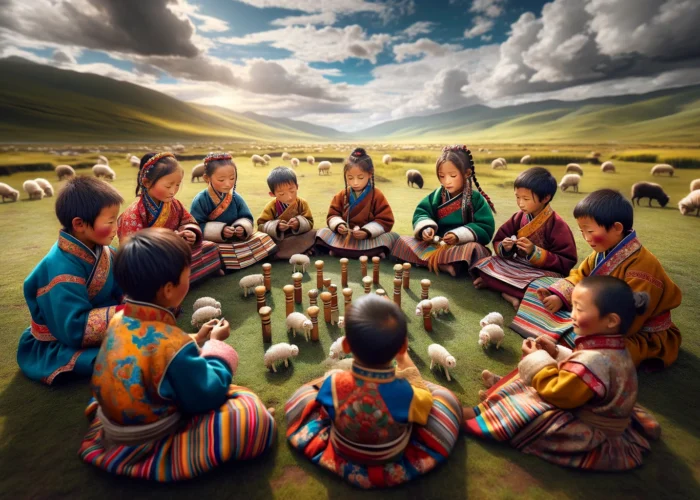
The traditional game you inquired about, “Ajue” (pronounced Ah-joo), is a highly popular children’s game in Tibet. It involves using the ankle bones of sheep, commonly known as “knucklebones,” and is considered a “treasure” of Tibetan childhood. Name, Tools, and Cultural Context of Ajue The Ajue game is deeply rooted in Tibetan nomadic culture, as...Read More
Embark on an extraordinary journey through the heart of Asia, immersing yourself in the rich tapestry of culture, history, and breathtaking landscapes. This exceptional tour offers a unique opportunity to explore the captivating cities of Beijing, Lhasa, and Kathmandu, each a vibrant showcase of cultural heritage and natural wonders. Your adventure begins in Beijing, China’s...Read More
At 8,611 meters, Qogir Feng—better known globally by its mountaineering codename, K2—stands as the world’s second-highest peak and the crowning jewel of the Karakoram Range. Widely regarded as the most difficult and dangerous of all eight-thousanders. Rising dramatically in the heart of the Karakoram Range, K2 is famed for its extreme steepness, unpredictable weather, and...Read More
Tibet, known for its spiritual depth and cultural richness, also has a fascinating architectural history, marked by the construction of grand palaces. The Yungbulakang Palace, one of Tibet’s oldest and most significant palaces, stands as a testament to the evolution of Tibetan architecture. Situated in the Yarlung Valley, Yungbulakang is considered the first royal palace...Read More
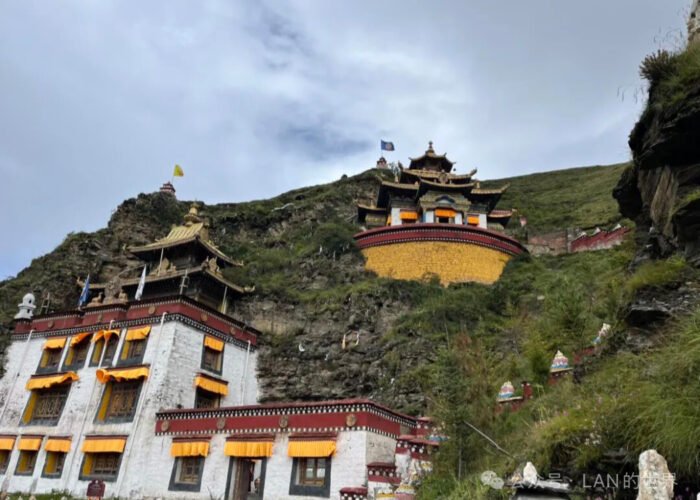
Khorchak Monastery is located in Khorchak Village, Burang County. In fact, the village is named after the temple. Due to the influence of Monastery and its eminent monks, residents gradually gathered around the temple, and Khorchak Village was gradually formed. Khorchak Monastery is well-known for having a unique architectural style, numerous cultural relics, and a...Read More
The Brahmaputra River cuts deeply from west to east, and to go further it must be a steep slope of about 60 degrees, all the way to the edge of the river at an altitude of 3,500 meters. The mountain road runs parallel to the river at 20 meters high from the river, and on...Read More