Embark on a transformative adventure with the 13 Days Valuable Tibet Mt. Kailash Kora Adventure Tour. Witness breathtaking landscapes and immerse yourself in the sacred traditions of Tibet. Discover the spiritual significance of Mount Kailash and cleanse your soul on this once-in-a-lifetime journey.Read More
Embark on a journey to uncover the breathtaking beauty and geographical wonders of the Qinghai-Tibet Region. Discover its high-altitude plateaus, pristine lakes, and unique cultural treasures in this mesmerizing adventure.Read More
The Damshung Horse Racing Festival, also known as the Dam Kyireng Horse Racing Festival, is one of the most important traditional festivals on the northern Tibetan grasslands. Recognized as a National Intangible Cultural Heritage of China (Second Batch), the festival carries deep historical, cultural, and social meaning rooted in Tibetan nomadic life. Held on the...Read More
Introduction to Tsultrim Gyatso Tsultrim Gyatso, the tenth Dalai Lama, holds a significant position in the lineage of Tibetan Buddhism as a revered spiritual leader. Born in the year 1816 in the Xuezhou Zhuodong region of Litang County, Sichuan Province, he was officially recognized as the reincarnation of the ninth Dalai Lama, Tsangyang Gyatso, at...Read More
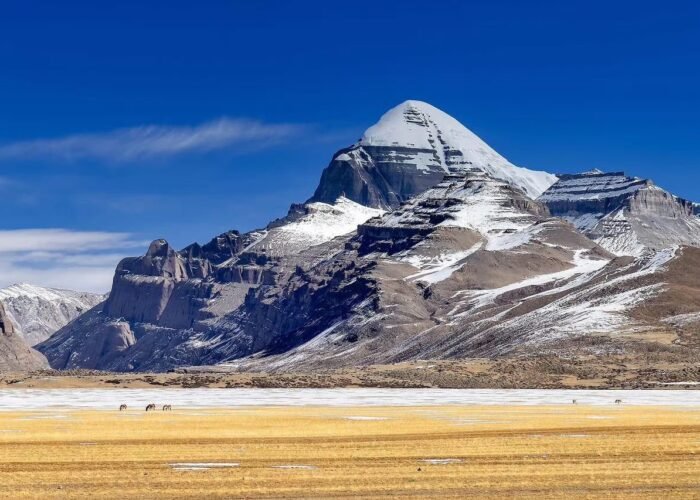
Embark on a journey to the awe-inspiring Gangdise Mountains in Tibet, known as "Kailasha" in Sanskrit, symbolizing "Snow Mountain." Explore the spiritual heart of several Eastern religions in this revered range, spanning Purang to Namling. Uncover the mystical peaks like Lhobu and Gang Rinpoche, standing tall as centers of devotion and pilgrimage. Join monks and...Read More
Introduction to Dombi Heruka Dombi Heruka, often referred to as Dombipa or the ‘Tiger-Rider,’ is a notable figure in the 8th to 9th century Indian Buddhist Mahasiddha tradition. He holds a prominent position within the pantheon of Mahasiddhas, which comprises a group of realized beings known for their extraordinary spiritual practices and accomplishments. Dombi Heruka’s...Read More
Tibetan palaces are not merely architectural feats but also symbols of the intertwined nature of religious authority and political power in Tibet’s history. From the Gongtang Palace to the Pema Palace, each of these royal residences provides a window into the governance, spirituality, and military strategies that shaped Tibetan civilization over the centuries. Tsomala Khang:...Read More
Explore the fascinating journey of Tibetan currency, from its minting under the endorsement of Tibetan regents to the intricate symbolism depicted on each banknote. Delve into the cultural heritage and historical significance of Tibetan silver notes, reflecting the resilience and traditions of the Tibetan people.Read More
Discover the Yarlung Tsangpo River, the longest plateau river in the world. Flowing through Tibet and into India, it showcases breathtaking landscapes and diverse ecosystems.Read More
Southwest China's Tibet Autonomous Region aims to control visitor numbers in scenic spots like Mount Everest, prioritizing "high quality" tourism. The region plans to restrict tourists at certain locations and focus on environmental protection while developing its tourism industry. Additionally, the government plans to improve infrastructure by building airports and highways, and offering winter tourism...Read More
Explore the mystical world of Dorje Phagmo, the embodiment of Vajrayogini in Tibetan Buddhism. Learn about her transformation from ancient Bön deity to a revered Tantric figure, and the inspiring stories of yogis like Milarepa. Understand the reasons behind our inability to perceive such spiritual phenomena and delve into intriguing tales that unveil the path...Read More
Trandruk Temple: An Emblem of Legend and Power In the heart of Tibet lies the Trandruk Temple, a symbol of the legendary battle between King Songtsen Gampo and a formidable dragon. The temple’s foundation, laid upon filled land to subdue the dragon, bears the name ‘Trandruk’ (khy-vbrug), meaning ‘the Hawk’s Cry Resembling a Dragon’s Roar’....Read More
Shiquanhe: Gateway to Western Tibet Shiquanhe is a fast-growing town in the far west of Tibet, located along the upper reaches of the Indus River. Its name comes directly from this great river, which has shaped the land and sustained life here for centuries. Before modern development, the area was little more than red willow...Read More
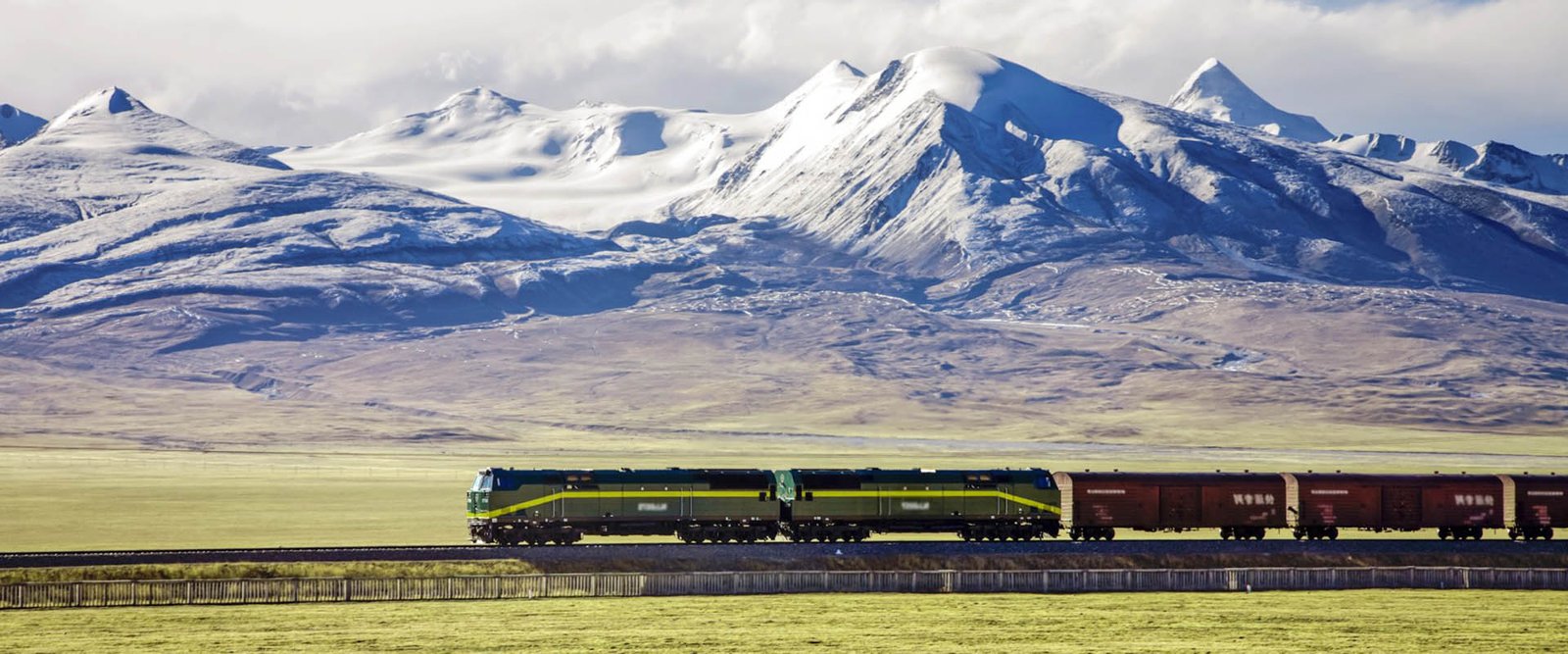
Embark on an awe-inspiring rail journey from Chengdu, the vibrant capital of Sichuan province, to Lhasa, the spiritual heartland of Tibet. This iconic railway line, known as the Qinghai-Tibet Railway, traverses some of the most breathtaking landscapes on Earth, offering a unique blend of natural wonders, cultural heritage, and engineering prowess. As the train departs...Read More
Tibet, a highland, showcases a unique climate distinct from lower elevations, leading to a captivating and exceptional landscape. It emanates a mysterious atmosphere often accompanied by unfamiliarity. The way of life on the mainland may not completely translate to this enchanting destination. To fully enjoy your time in Tibet, it is crucial to dress comfortably...Read More
Bothuk tibetan noodles sweet tea sha baleb Tibetan Noodles (藏面) Ingredients and Preparation:Tibetan noodles, or Thukpa, are made primarily from wheat flour. The noodles are rolled, shaped, cooked, and then air-dried for storage. When ready to eat, the noodles are reheated in a hot broth made from yak meat and bones, ensuring a rich, flavorful...Read More
Tibet, known for its spiritual depth and cultural richness, also has a fascinating architectural history, marked by the construction of grand palaces. The Yungbulakang Palace, one of Tibet’s oldest and most significant palaces, stands as a testament to the evolution of Tibetan architecture. Situated in the Yarlung Valley, Yungbulakang is considered the first royal palace...Read More
Discover the remarkable life of Yutuo Nyingma Yonten Gonpo, a legendary Tibetan physician of the 8th century. Learn about his achievements and wisdom.Read More
Early Life and Recognition Chökyi Gyaltsen, who would later be renowned as the Tenth Panchen Lama, was born in 1938 in Wendu Township of Qinghai Province, China. His early life unfolded in a culturally rich setting steeped in Tibetan Buddhism, which significantly shaped his spiritual journey. Wendu Township, an area known for its strong Buddhist...Read More
Who Is White Tara in Tibetan Buddhism? In Tibetan Vajrayana Buddhism, White Tara—known in Sanskrit as Sita-Tara and in Tibetan as sgrol-ma-dkar-po—is one of the most beloved and widely practiced deities. She is honored as the Buddhamother of Longevity, representing long life, healing, wisdom, and compassionate protection. White Tara is one of the Twenty-One Taras,...Read More
– What is included in the itinerary of the Lhasa and Ganden Monastery small group tour? Title: Lhasa and Ganden Monastery: A 5-Day Small Group Tour Meta Title: Explore the Beauty of Lhasa and Ganden Monastery on a 5-Day Small Group Tour Meta Description: Join a small group tour to Lhasa and Ganden Monastery for...Read More