Ngari Gar County: Strategic Importance at western Tibet
Gar County (སྒར་རྫོང་།), located in western Tibet’s Ngari Prefecture, is a region shaped by military history, extreme geography, and resilient plateau culture. The name Gar, meaning “tent” or “barracks” in Tibetan, reflects its historical role as a strategic military base where Tibetan forces once stationed troops to repel the Kashmiri Senba Dogra invasion and safeguard Tibet’s western frontier.
Today, Gar County stands as one of Tibet’s 18 border counties, occupying a critical position in the far west of the Tibetan Plateau.
Geographical Location and Coordinates of Gar County
Gar County lies in the westernmost part of the Tibet Autonomous Region, bordered by:
- Geji County to the east
- Purang County to the south
- Zanda County and Kashmir to the west
- Rutog County to the north
Geographically, the county extends between 30.58°N to 33.17°N latitude and 79.07°E to 81.10°E longitude, placing it deep within the high-altitude landscapes of Ngari.
Administrative Overview and Modern Development
Established in January 1960, Gar County currently administers:
- 1 town: Shiquanhe Town (སེང་གེ་ཁ་འབབ་གྲོང་རྡལ།)
- 4 townships: Tashi Gang, Menshi, Zuozuo, and Kunsha
The county covers an expansive area of 17,197 square kilometers. According to data from November 1, 2020, Gar County has a population of 31,052 residents.
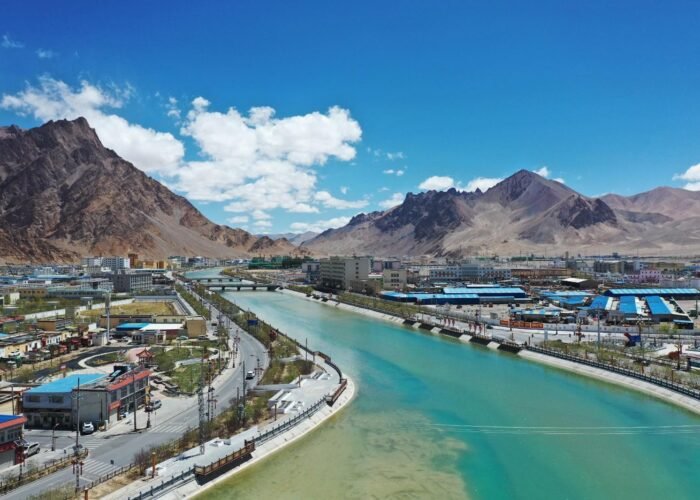
The county government is based in Shiquanhe Town, the political, economic, and transportation hub of Ngari. Shiquanhe lies approximately 1,760 kilometers from Lhasa via the northern route and 1,190 kilometers via the southern route, making it one of the most remote county seats in Tibet.
In October 2018, Gar County was officially recognized for exiting poverty, and in November 2021, it was honored as a model county for military–civilian unity in the Tibet Autonomous Region.
Administrative Divisions of Gar County
Administratively, Gar County is divided into 1 town and 4 townships, which oversee pastoral settlements, seasonal grazing areas, and limited agricultural zones scattered across the plateau.
| Name | Chinese | Hanyu Pinyin | Tibetan | |
|---|---|---|---|---|
| Town | ||||
| Sênggêkanbab Town | 狮泉河镇 | Shīquánhé zhèn | སེང་གེ་ཁ་འབབ་གྲོང་རྡལ། | |
| Townships | ||||
| Günsa Township | 昆莎乡 | Kūnshā xiāng | དགུན་ས་ཤང་། | |
| Zoco Township | 左左乡 | Zuǒzuǒ xiāng | གཙོ་ཚོ་ཤང་། | |
| Moincêr Township | 门士乡 | Ménshì xiāng | མོནམཚེར་ཤང་། | |
| Zhaxigang Township | 扎西岗乡 | Zhāxīgǎng xiāng | བཀྲ་ཤིས་སྒང་ཤང་། | |
Geography of Gar County: Mountains, Plateaus, and Lakes
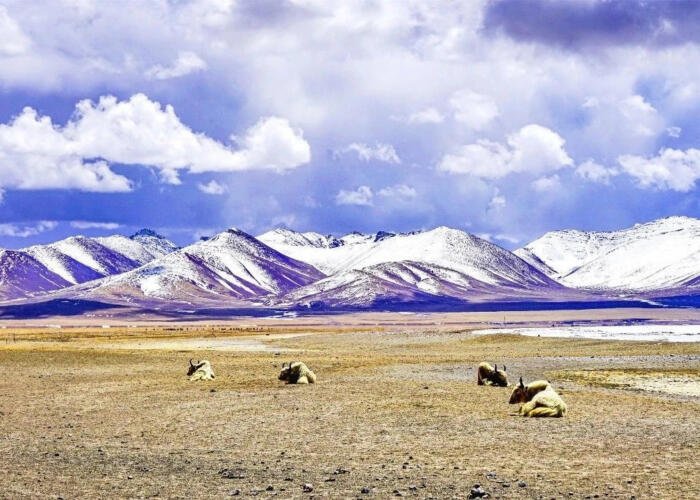
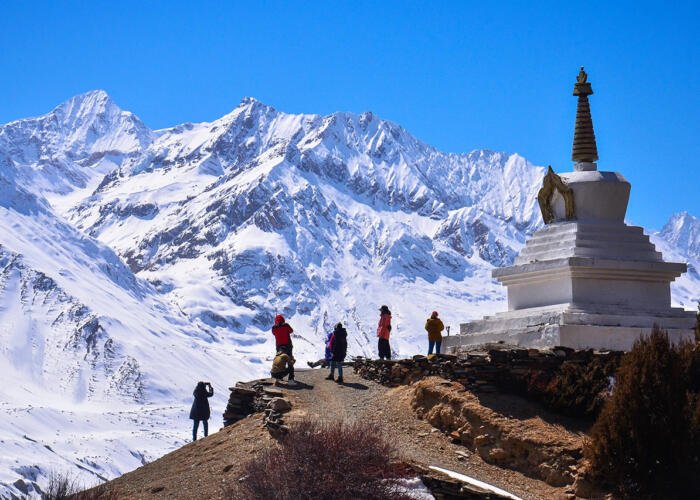
Gar County is surrounded by towering mountain systems and vast plateaus, with an average elevation of around 4,350 meters. Some peaks rise as high as 6,554 meters, creating one of the most rugged terrains in western Tibet.
Key mountain ranges and peaks include:
- Irakeshi Mountains in the west
- Gangdise Mountains, running northwest to southeast through the county
- Zemurishan Peak (6,051 meters)
- Lamela Mountain (4,828 meters)
- Rasai Mountain (4,802 meters)
- Ragya Mountain (6,261 meters) in the southwest
- Robu Mountain (5,603 meters) in the east
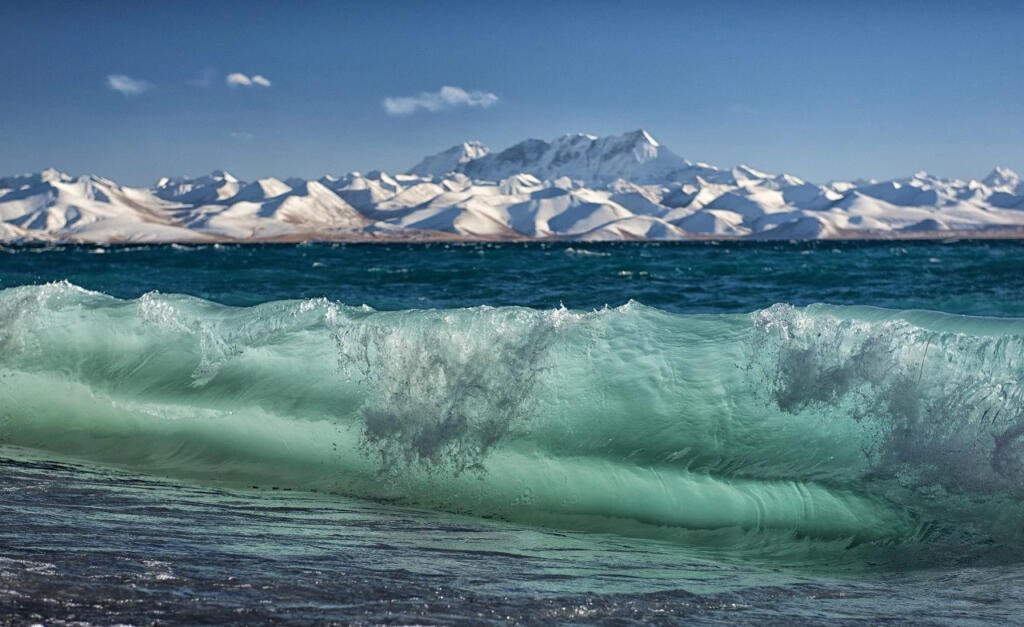
Gar County is also home to 12 plateau lakes, including Mingjiu Lake and Xingka Lake, both part of the upper Indus River system, giving the region hydrological importance far beyond Tibet.
Climate Characteristics of Gar County
Gar County experiences a cold desert climate, one of the harshest climatic zones on the Tibetan Plateau. Key features include:
- Extremely dry and cold conditions
- Strong solar radiation
- Long annual sunshine duration
The average annual temperature is around 2°C, while the lowest recorded temperature has reached –34.6°C. Annual precipitation is minimal, averaging only 73 mm, making water resources scarce.
Frost can occur in any month except July and August, posing challenges to agriculture and daily life. The region is also prone to frequent natural disasters, including:
- Snowstorms
- Droughts
- Floods
- Mudslides and landslides
- Frost damage
- Sandstorms
These environmental conditions shape both the fragile ecosystem and the resilience of local communities.
Specialty Products of Gar County, Tibet
Pastoral Economy and Agricultural Crops
Gar County’s economy is dominated by pastoralism, with agriculture playing a secondary role. Limited farming areas support the cultivation of:
- Highland barley
- Winter wheat
- Peas
Livestock breeding remains the backbone of local livelihoods, including:
- Yaks
- Hybrid cattle (yak–cow crosses)
- Cows
- Sheep and goats
- Horses
- Donkeys and mules
Livestock Products and Traditional Handicrafts
Gar County is well known for its livestock-based products, which include:
- Wool and woolen fabrics
- Dairy products
- Handcrafted wooden bowls
Local craftsmanship reflects the nomadic traditions and practical needs of plateau life.
Plateau Fish and Natural Resources
The county’s lakes and rivers are home to valuable high-altitude fish species such as:
- Schizothorax
- Gymnocypris
- Schizopygopsis
These fish are adapted to cold, oxygen-poor waters and are an important local food source.
Medicinal Materials and Mineral Resources
Gar County is rich in precious medicinal materials, traditionally used in Tibetan medicine, including:
- Bear bile
- Antelope horns
- Saussurea involucrata (Snow Lotus)
By 2014, surveys had identified a wide range of mineral resources in Gar County, such as iron, copper, gold, quartz, antimony, lead, zinc, limestone, borax, and salt, distributed across extensive areas with significant development potential.
Bear Bile: A Rare Medicinal Treasure of Gar County
Bear bile, known in Tibetan medicine as a precious and powerful remedy, has been used in Eastern medical systems for more than 3,000 years. The key medicinal substance found in bear bile is ursodeoxycholic acid (UDCA), which modern science recognizes for its therapeutic value.
Bear bile is traditionally classified into four types based on quality and appearance:
- Gold bile – the highest grade, golden yellow with amber-like crystals
- Flower bile
- Plum blossom bile
- Ink bile
Among these, gold bile is considered the most valuable due to its purity and potency.
In traditional Tibetan medicine, bear bile is described as bitter and cold in nature. It is believed to offer pain-relieving, sedative, anti-inflammatory, phlegm-reducing, and detoxifying effects. Historically, it has been used to treat high fevers, inflammation, convulsions, liver disorders, and high blood pressure, highlighting its long-standing role in plateau medicine.
Antelope Horns: Protected Wildlife and Traditional Healing
The Tibetan antelope, a nationally protected species, plays a symbolic and medicinal role in Tibetan culture. Male antelopes are distinguished by their segmented horns, which have traditionally been used in Tibetan medicine under strict historical contexts.
Antelope horns are believed to calm the liver, clear internal heat, and stabilize the mind. Their medicinal composition includes proteins, peptides, fats, amino acids, calcium phosphate, and insoluble inorganic salts.
In traditional applications, antelope horns have been used to support treatment for:
- Thyroid enlargement
- Gastritis
- Chronic diarrhea
- Fever-related conditions
- Labor induction
Their presence in historical medical texts reflects the deep connection between Gar County’s biodiversity and Tibetan healing knowledge, while modern conservation emphasizes strict wildlife protection.
Snow Lotus: The Sacred Alpine Healer of Ngari
The snow lotus, known in Tibetan as “Gangla Methok,” is one of the most revered medicinal plants of the Tibetan Plateau. Growing in extreme alpine environments, this rare perennial herb belongs to the Asteraceae family and symbolizes purity, endurance, and healing.
Snow lotus contains a wide range of active compounds, including:
- Essential oils
- Alkaloids
- Flavonoids
- Phenols
- Saccharides
- Tannins
In Tibetan medicine, snow lotus is used to treat arthritis, stomach ulcers, heart disease, bronchitis, and liver cancer. Contemporary research has also explored its potential in addressing Parkinson’s disease, Huntington’s disease, and dementia, further highlighting its medicinal significance.
Gar County’s Biodiversity and Cultural Heritage
The presence of bear bile, antelope horns, and snow lotus underscores Gar County’s extraordinary biodiversity. These natural resources reflect centuries of coexistence between humans and nature on the high plateau, where survival depends on deep ecological knowledge and respect for the land.
Gar County stands as a living archive of Tibetan traditional medicine, pastoral culture, and plateau biodiversity, making it a uniquely valuable region within Tibet’s vast landscape.
Transportation in Gar County, Tibet
A Growing Transportation Hub on the Western Plateau
Gar County has achieved the milestone of “road access to every village,” significantly improving connectivity in one of Tibet’s most remote regions. National Highway 219 runs east to west through the county, forming the backbone of its transportation network.
Key infrastructure developments include:
- National Highway 219
- Provincial Highway 301 (Shiquanhe–Dianjiao section)
- Shiquanhe–Dianjiao national defense highway
- Well-maintained rural and special-purpose roads
Centered around Shiquanhe Town, Kunsha Airport has officially opened, transforming natural geographic barriers into accessible travel corridors.
Strategic Road Network of Gar County
Gar County sits on extensive red willow flats, allowing it to develop into a major transportation hub on the western Tibetan Plateau. It is the largest urban center within thousands of kilometers, stretching north toward Yecheng and east toward Shigatse.
Within the county, three major road arteries span a total of 498 kilometers:
- Yecheng–Shiquanhe Road
- Ali–Shigatse Road
- Heihe–Ali Road
From Gar County:
- The Ali–Shigatse Road leads directly east to Lhasa
- The Xinjiang–Tibet Highway extends north to Xinjiang (2,800 km)
- Routes also connect to Qinghai (2,000 km)
Travel Tips for Visiting Ngari Gar County
Car Rental and Transportation Options
Travelers can rent vehicles in Lhasa or Shigatse, with commonly used models including Toyota Land Cruisers (60, 62, 75 series) and the Toyota 4500. For hitchhiking travelers, trucks frequently travel between Lhasa and Shiquanhe, usually via the northern route.
Long-distance sleeper buses also operate from Lhasa to Shiquanhe, with fares varying by tourist season. For a richer experience, travelers are advised to take a circular route when traveling to Ali and returning to Lhasa, using different routes for the outbound and return journeys.
The Geji–Shiquanhe northern route is only 112 kilometers, offering a shorter connection between counties.
Travelers are generally advised not to enter Ali directly from Xinjiang due to rapid altitude gain. If experiencing the Xinjiang–Tibet Highway, traveling downhill from Ali is considered safer and more comfortable.
Dining in Shiquanhe and Gar County
Due to the sparse population, dining options are concentrated mainly in Shiquanhe Town. Restaurants typically offer:
- Sichuan cuisine
- Tibetan dishes
- Halal food
- Xinjiang-style roasted meats
Gesang Road, the town’s main commercial street, hosts restaurants, hotels, telecommunications services, and entertainment venues.
Accommodation Options
Shiquanhe now provides a range of hotels and guesthouses at various price levels, from comfortable mid-range hotels to more affordable lodging options suitable for long-distance travelers and backpackers.
Cultural Events and Festivals
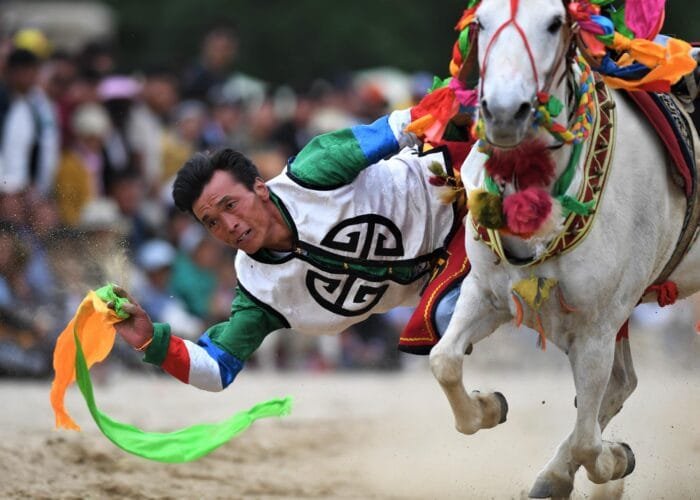
Every 2–3 years in early August, Ngari hosts the Xiangxiong Cultural Tourism Festival, first held from August 1–8, 2004. The festival celebrates the ancient Xiangxiong civilization, using cultural exhibitions, performances, and tourism activities to promote sustainable tourism development in western Tibet.
Travel Documents and Permits
As Gar County is a border county, all visitors must obtain a border permit issued by the police department. This permit can be arranged:
- At the traveler’s place of household registration
- In Tibet
- Through a licensed travel agency
The permit is mandatory for legal travel in the region.
Recommended Travel Routes in Ngari and Gar County
Popular long-distance itineraries include:
- An 18-day route from Lhasa to Kashgar via Ali, covering major cultural and natural highlights
- A 14-day circular tour from Lhasa to Ali and back, offering diverse landscapes and plateau experiences
These routes provide in-depth exposure to Tibet’s western frontier, ancient trade paths, and high-altitude ecosystems.