

Amdo Noodles hold a special place in Tibetan cuisine, not only as a comforting food but also as a symbol of cultural identity and regional heritage. The word Amdo refers to the vast Tibetan areas of Qinghai, Gansu, and northwestern Sichuan, where these hand-pulled noodles are a daily staple in homes and villages.
In the quiet Tibetan settlements scattered across the highlands of Amdo, the smell of freshly cooked noodles often drifts through the air. For both locals and visitors, Amdo Noodles offer a warm, nourishing taste of Tibetan life shaped by history, climate, and tradition.
The Heart of the Dish: Amdo Dough Strips
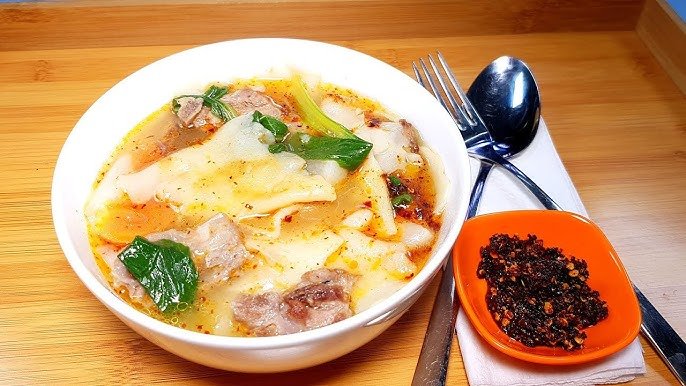
At the core of Amdo Noodles are the Amdo dough strips, which define the dish’s texture and character. Made mainly from wheat flour, the dough is hand-kneaded, rolled, and stretched into long, thin strips that resemble soft ribbons.
This noodle-making technique is a family tradition passed down through generations. Each household has its own method, resulting in subtle differences in thickness, softness, and elasticity. Tibetans in the Amdo region have a deep emotional connection to these dough strips, making them an essential part of their everyday meals.
Cultural and Historical Significance of Amdo Noodles
Amdo Noodles reflect the resourcefulness of Tibetan communities living in high-altitude regions. Wheat flour, simple spices, and meat are transformed into a satisfying meal that provides warmth and energy in a harsh climate.
Beyond nutrition, these noodles carry cultural meaning. They are often prepared for family gatherings, guests, and communal meals, reinforcing bonds and shared traditions. Over time, Amdo Noodles have come to represent the resilience, unity, and adaptability of Tibetan society.
Popular Ways to Enjoy Amdo Noodles
One of the most common ways to enjoy Amdo Noodles is in a steaming bowl of noodle soup. The hand-pulled noodles absorb the rich broth, which is typically made with beef or mutton, seasoned with salt and spices, and enhanced with vegetables.
The dish is both hearty and comforting, making it especially popular during cold weather. In addition to soups, Amdo Noodles can also be stir-fried or served dry, showcasing their impressive versatility in Tibetan cooking.
Traditional Method of Preparing Amdo Noodles
The preparation of Amdo Noodles is a hands-on process that requires skill and patience.
First, warm water is gradually added to wheat flour and kneaded into a soft dough. The dough is then divided into thick strips, each about four cun in length (cun is a traditional unit of measurement).
The strips are lightly coated with cooking oil, covered with a cloth, and left to rest for several minutes. Meanwhile, a beef broth is prepared by boiling water with mutton or beef and salt.
Once rested, each dough strip is pressed flat and gently stretched. The noodle maker loops the strip around the wrist, pulls it into thinner strands, and drops them directly into the boiling broth. Within minutes, the noodles are cooked, tender, and ready to be seasoned according to taste.
Feature: soft, smooth, and delightfully chewy.
Amdo Noodles in Modern and Global Cuisine
Today, Amdo Noodles are no longer confined to Tibetan homes. Tibetan restaurants around the world proudly serve this iconic dish, introducing global diners to authentic Tibetan flavours.
The growing popularity of Amdo Noodles has also inspired creative fusion dishes. Chefs have incorporated them into modern recipes, such as stir-fried Amdo Noodles with shrimp or refreshing Amdo Noodle salads with tangy dressings. These adaptations highlight the noodles’ flexibility while encouraging cultural exchange through food.
Amdo Noodles as a Symbol of Tibetan Identity
More than a regional specialty, Amdo Noodles serve as a culinary emblem of Tibetan culture. In an environment shaped by extreme weather and rugged landscapes, this simple dish reflects the Tibetan people’s ability to turn basic ingredients into nourishing and meaningful food.
Each bowl of Amdo Noodles tells a story of tradition, survival, and shared heritage. Through their texture, flavour, and preparation, these noodles connect generations and invite others to experience the enduring spirit of Amdo and the broader Tibetan world.