Direct Flights from Kunming to Lhasa Kunming, Yunnan’s capital, is one of the key departure points for direct flights to Tibet. Kunming Changshui International Airport offers eight daily direct flights to Lhasa Gonggar International Airport. These flights are operated by major airlines such as China Southern Airlines, Tibet Airlines, Sichuan Airlines, China Eastern Airlines, Shenzhen...Read More
1. Songtsen Gampo (c. 605–649/650 CE) Songtsen Gampo is considered the first and one of the most important rulers of the Tibetan Empire. He is credited with uniting various tribes and laying the foundations of the Tibetan state. Songtsen Gampo is remembered for his military conquests and diplomatic marriages, especially to Princess Bhrikuti Devi of...Read More
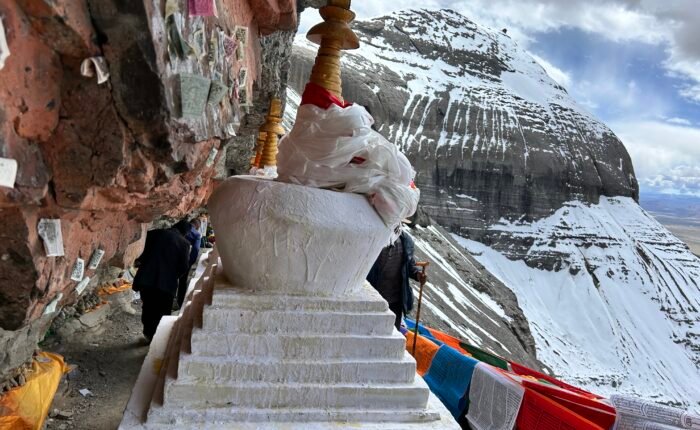
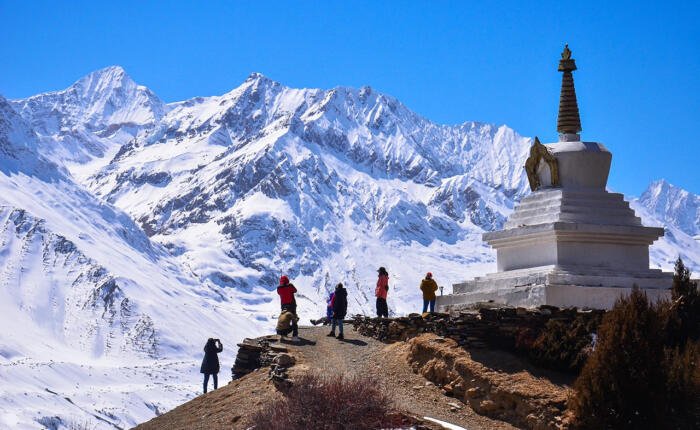
The “Thirteen Sacred Stupas” (十三灵塔), often referred to as the “Thirteen Golden Stupas” (十三金塔),་སྐུ་གདུང་མཆོད་རྟེན་བཅུ་གསུམ་༼གསེར་གདུང་བཅུ་གསུམ་ stand as one of the most revered and challenging destinations along the inner kora (circumambulation route) of Mount Kailash. Symbolizing the completion of merit and virtue in Tibetan culture, these stupas hold profound religious significance and embody centuries of spiritual tradition....Read More
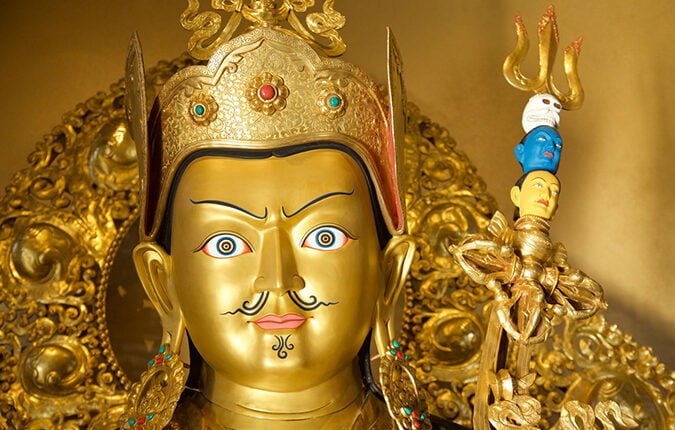
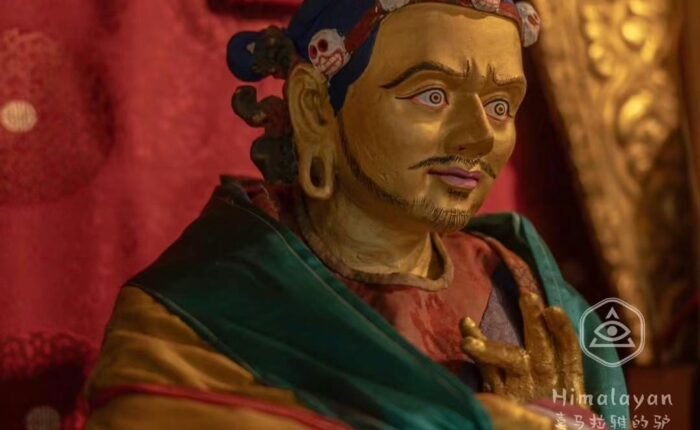
Padmasambhava, also known as Guru Rinpoche, is a central figure in Tibetan Buddhism, revered for his pivotal role in introducing Buddhism to Tibet during the 8th century. His life story intertwines historical facts with spiritual legends, shaping the cultural and religious fabric of Tibet. From his miraculous birth to his legendary journey to Tibet, Padmasambhava’s...Read More
The Tale of Typhoon Gemi: A Look Beyond the Calm In ancient times, there was a famous story about Da Yu, a revered figure in Chinese history, who passed by his home three times without entering while combating floods. Today, we find ourselves facing a different natural phenomenon – Typhoon Gemi. The forecast had everyone...Read More
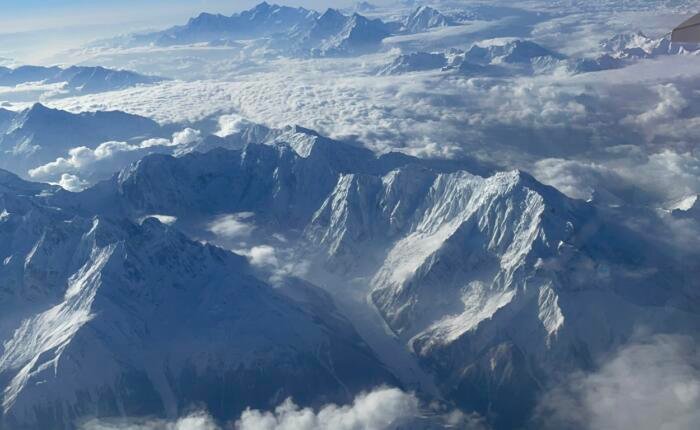
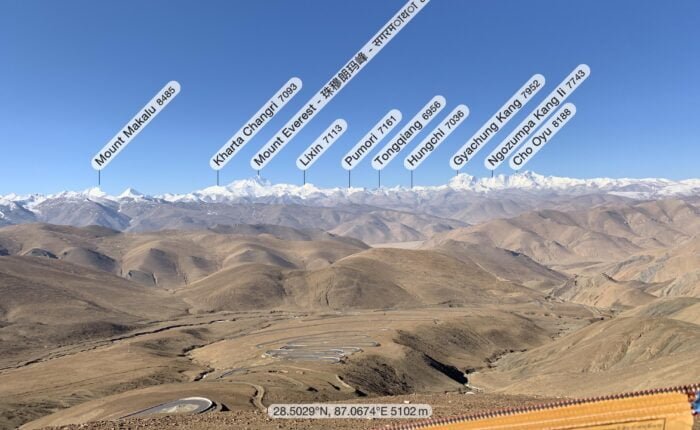
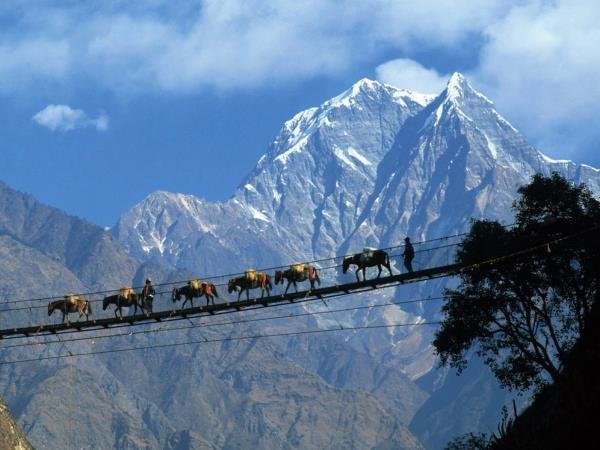
Exploring the Majestic Himalayas: Nature, Legends, and Climbing History The Himalayas, a sacred and awe-inspiring mountain range, span across Tibet, India, Nepal, Bhutan, and Sikkim, creating a natural border that captivates the imagination of adventurers and spiritual seekers alike. The name “Himalayan” comes from Sanskrit, meaning “abode of snow,” and in Tibetan, it translates to...Read More
Exploring Shishapangma Peak: The Last of the 8,000-Meter Giants Shishapangma Peak, also known as “High Priest Peak,” holds a unique position in the mountaineering world and Tibetan culture. This sacred mountain, located in the heart of Tibet, stands at an impressive 8,012 meters (26,299 feet) and is the only 8,000-meter peak entirely within Chinese territory....Read More
Exploring Menlungtse Peak: A Journey to Tibet’s Sacred Unclimbed Mountain Menlungtse Peak, a majestic yet mysterious mountain located in Shigatse Prefecture, Tibet, offers a unique blend of spiritual significance and untamed natural beauty. At an impressive elevation of 7,175 meters (23,540 feet), Menlungtse stands as one of the most revered yet unconquered peaks in the...Read More
Lhotse Peak: A Majestic Himalayan Giant Lhotse Peak, standing at a towering 8,516 meters (27,940 feet), is the fourth-highest mountain in the world. Located in the Himalayan range, this awe-inspiring peak shares its borders between Tibet and Nepal. Lhotse, whose name in Tibetan translates to “Goddess of Turquoise Beauty” or “Goddess of Emerald Face,” is...Read More
Cho Oyu: A Sacred Peak with Rich Climbing History and Legends Introduction to Cho Oyu Cho Oyu, meaning “Chief Revered Teacher” in Tibetan, is a sacred mountain located in the Himalayas. With an elevation of 8,201 meters, it is the sixth-highest peak in the world and lies on the border between Tibet (China) and Nepal....Read More
Makalu: A Sacred Giant of the Himalayas Makalu, the fifth-highest mountain in the world, stands as a majestic and sacred peak in the heart of the Himalayas. Located 24 kilometres southeast of Mount Everest, it straddles the border between China and Nepal. The northern side of Makalu lies within Dingri County in Tibet’s Shigatse region,...Read More
Southwest China's Tibet Autonomous Region aims to control visitor numbers in scenic spots like Mount Everest, prioritizing "high quality" tourism. The region plans to restrict tourists at certain locations and focus on environmental protection while developing its tourism industry. Additionally, the government plans to improve infrastructure by building airports and highways, and offering winter tourism...Read More
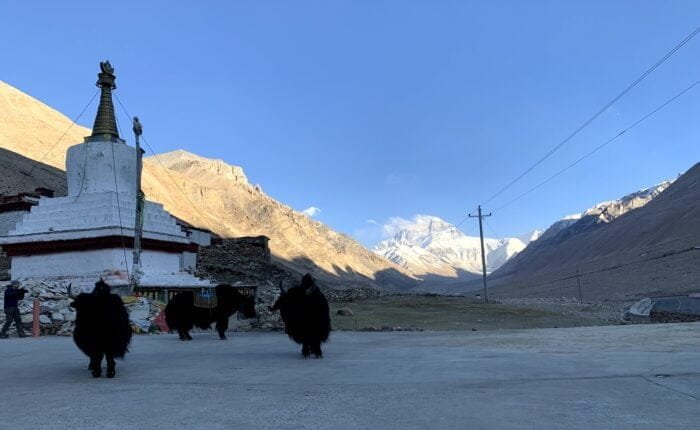
Mount Everest, known as “ཇོ་མོ་གླང་མ་” in Tibetan, is a revered and famous mountain in Tibet. The name “Jomo-Langma” translates to “Holy Mother,” reflecting its sacred status. It is the third peak of “Tshe-ring-mcheu-lnga.” Located directly south of Dingri County, Mount Everest sits on the border between China and Nepal. Mount Everest, also known as “Jomo-langmari,”...Read More
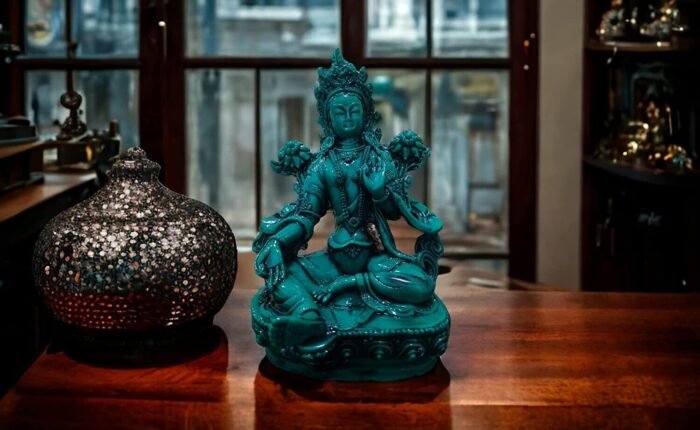
The 21 Forms of Tara in Tibetan Buddhism: A Complete Guide Tara, known as Drolma (卓玛) in Tibetan Buddhism, is one of the most revered deities, considered to be a manifestation of Avalokiteshvara, the Bodhisattva of Compassion. Tara is also called Tārā in Sanskrit and is known as Dolma or Guan Yin in China. She...Read More
Naropa, a pivotal figure in Indian and Tibetan Buddhism, was a Mahasiddha renowned for his life of intense spiritual practice, struggles, and transformative teachings. Born in the 11th century to a noble Brahmin family in Bengal, Naropa demonstrated intellectual brilliance from a young age. He joined the prestigious Nalanda University, where he excelled in both...Read More
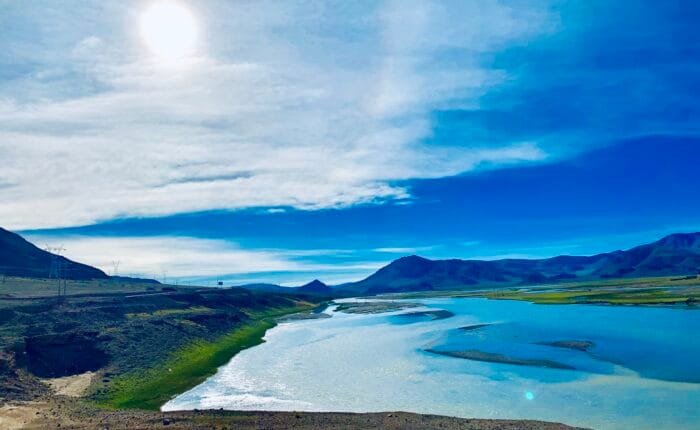
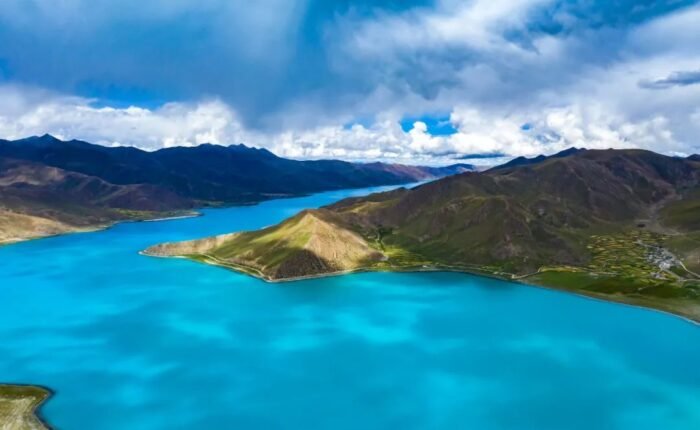
Ngangla Ringtso (Tibetan: ངང་ལྷ་རིང་མཚོ) is a majestic lake nestled on the Tibetan Plateau, holding profound cultural, geographical, and environmental significance. The name “Ngangla Ringtso” translates to “Sacred Lake” or “Holy Lake” in Tibetan, where Ngangla symbolizes divinity, and Ringtso refers to a lake. This high-altitude body of water is not just a natural marvel but...Read More
Lhasa: A Modern Hub for Young Travelers Lhasa is fast becoming a favorite destination for young adventurers, thanks to its vibrant mix of cultural heritage and modern attractions. Social media buzz around “Lhasa Metro Life” has drawn visitors eager to explore the city’s lively nightlife, rich history, and unique charm. This fresh wave of interest...Read More
Il Sera Monastero, situato nei pressi di Lhasa, in Tibet, è uno dei tre grandi monasteri universitari della tradizione Gelug del buddhismo tibetano. È rinomato per il suo metodo unico di insegnamento, in particolare per i dibattiti monastici, che rappresentano un aspetto fondamentale dell’educazione dei monaci. Il Dibattito Monastico al Monastero di Sera Il dibattito...Read More
Manjushri è una figura centrale nel buddismo Mahāyāna, conosciuto come il Bodhisattva della saggezza suprema. Il suo nome, che può essere tradotto come “Nobile Signore Gentile”, riflette la sua connessione con la saggezza interiore e la chiarezza della comprensione. Manjushri è spesso raffigurato con una spada in una mano e un libro nell’altra, simboli della...Read More
Tibet, known for its rich culture and stunning landscapes, is also home to some of the most beautiful and unique precious stones. These stones are not only valued for their beauty but also for their cultural and spiritual significance. In this guide, we’ll explore the most popular precious stones found in Tibet, including their characteristics,...Read More