Ultimate Travel Guide: How African Travelers Can Visit Tibet Introduction to Tibet for African Travelers Tibet, often called the “Roof of the World,” is a destination of unparalleled beauty, rich cultural heritage, and profound spiritual significance. For travelers from Africa, this guide offers all the essential information to plan a successful and memorable trip to...Read More
Over the centuries, Tibetan calligraphy has greatly evolved, incorporating various writing styles. The two most commonly used styles are U-Chen and U-me. U-Chen, also known as the “Cristated script,” features a horizontal stroke at the top of each letter, with all these strokes parallel to the first top line, giving it a flat cap appearance....Read More
Early Life and Recognition Chökyi Gyaltsen, who would later be renowned as the Tenth Panchen Lama, was born in 1938 in Wendu Township of Qinghai Province, China. His early life unfolded in a culturally rich setting steeped in Tibetan Buddhism, which significantly shaped his spiritual journey. Wendu Township, an area known for its strong Buddhist...Read More
In the Tibetan medical tradition, there are eight renowned “Precious Pills.” These complex formulas incorporate purified minerals, gemstones, and rare botanical ingredients to treat chronic and acute disorders. 1. Rinchen Grang-sbyor Ril-nag Chen-mo (Precious Great Black Pill) Therapeutic Indications: This formula is indicated for general constitutional imbalances of the Three Nyipa (Lung, Tripa, Peken). It...Read More
Introduction to Tibet in August Traveling to Tibet in August offers a unique opportunity to experience this mystical region during one of its most vibrant months. August falls right in the middle of summer, a time when the landscape is in full bloom, characterized by lush green valleys, clear blue skies, and the majestic peaks...Read More
Learn about the history of the Bön religion, its teachings, and the influence of Buddhism. Discover how Zhang Zhung, an ancient state, played a significant role in its development and eventual assimilation into Tibetan culture.Read More
Discover the rich and vibrant world of Tibetan thangka art, known for its unique color combinations and meticulous pigment preparation methods.Read More
Introduction to Śamatha Śamatha, often translated as “calm abiding,” is a central concept in Buddhist meditation practices that emphasizes the cultivation of tranquility and stability within the mind. As practitioners embark on their journey of meditation, Śamatha serves as a foundational practice that facilitates the development of concentration and mental clarity. It comprises various techniques...Read More
Vijaya in Buddhist Scriptures: The Origin of Enlightened Wisdom In Buddhist philosophy, Vijaya is revered as a profound source of enlightenment and wisdom. According to the “The Sutra on Repaying the Kindness of the Buddha through Great Skillful Means“, known in Tibetan as ཐབས་མཁས་པ་ཆེན་པོའི་སངས་རྒྱས་དྲིན་ལན་བསབ་པའི་མདོ།, Vijaya is identified as the primordial source of all Buddhas. This...Read More
Introduction to Dongtön Lodrö Drakpa Dongtön Lodrö Drakpa, born in 1106 in Umang village within the Shigatse region of Tibet, is celebrated as one of the most significant figures in Tibetan Buddhism. Renowned for founding Narthang Monastery, he played an essential role in the development of the Kadam tradition, which emphasizes the importance of study,...Read More
Dingri Customs and Etiquette: Traditions at the Heart of Tibetan Life In the highland region of Dingri, Tibet, daily life is guided by customs that reflect deep respect for spirituality, community, and nature. Here, rituals and etiquette are not formal rules but living traditions passed down through generations. From welcoming guests to honoring the divine,...Read More
Hidden in the vast landscapes of western Tibet, the Dingzhong Huzhu Stone Tools site offers a rare and valuable glimpse into early human activity on the Tibetan Plateau. Located just 5 kilometers southwest of Shiquanhe Town in Gar County, this important archaeological site sits at an altitude of about 4,260 meters in the Tashigang area...Read More
The Mystical Tenzin Sangqiu Spring Located on the northern slope of Nyima Mountain, west of Shigatse city, the Tenzin Sangqiu Spring is a revered natural wonder. The spring water is known for its sweet and refreshing taste. Local legends claim that drinking from this spring can cure illnesses, ward off disasters, and repel evil, leading...Read More
Discover Dinggyê County, also known as Tingkye in Tibetan (གཏིང་སྐྱེས་རྫོང་།), a charming region nestled in southern Tibet at the northern foothills of the Himalayas. Rich in history and natural splendor, Dinggyê County beckons with its picturesque landscapes and cultural heritage. Learn about its evolution since the Pakdru Dynasty, administrative changes, and current status under the...Read More
Discover the history of Buddhism and the journey of Buddha, who realized the meaning of life and death through meditation and became the Awakened One.Read More
Discover the historic gem of Gyantse in Tibet, where rich cultural heritage and stunning natural beauty collide. Explore its history, landscapes, and treasures. #Gyantse #TibetRead More
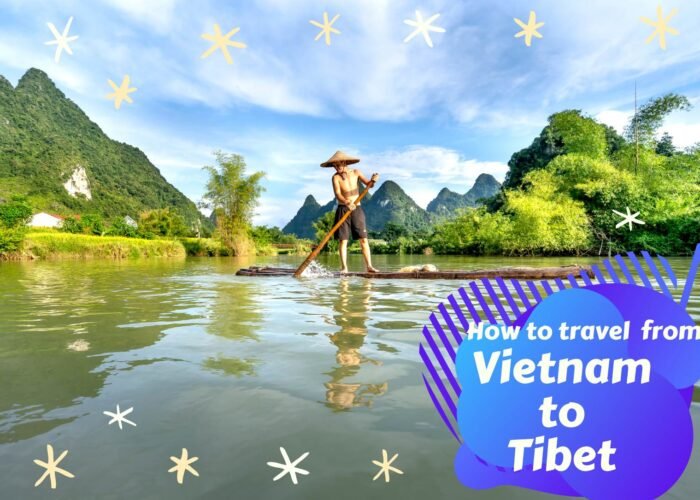
Planning a journey to Tibet, the “Roof of the World,” requires specific steps to ensure a smooth and hassle-free experience. As Tibet is a unique travel destination with distinct regulations, it’s essential to follow certain guidelines, particularly regarding visas and permits. In this guide, we’ll walk you through the essential steps to prepare for your...Read More
Chokhor Gyal: A Harmonious Blend of Rivers and Mountains Perched at an altitude of 4350 meters, Chokhor Gyal, translating to “The Confluence of Three Rivers and Four Mountains,” stands as a testament to the seamless blend of the natural and the spiritual. This unique area, cradled by mountains from which three rivers emerge, is steeped...Read More
Introduction to Tibet’s Mining Sector The mining industry in Tibet has experienced significant growth and transformation since the early 2000s, emerging as a pivotal sector within the Tibetan economy. This rapid expansion can largely be attributed to the Chinese government’s ‘Western Development Strategy’, which was launched to accelerate economic development in the less developed western...Read More
Discover the latest updates on the Yunnan-Tibet Railway project, including the pivotal Lijiang-Shangri-La section. Learn how this 139.7 km railway, linking Lijiang City with Diqing Prefecture, is set to revolutionize travel and economic growth in China's southwestern regions, bridging cultural gaps and enhancing tourism in ethnic minority areas.Read More
The term “Zhao people” refers not to all modern individuals with the surname Zhao, but specifically to the inhabitants of the State of Zhao, one of the Seven Warring States during the Warring States period in ancient China. The rulers and founders of Zhao were not originally surnamed Zhao, but Ying (yíng). Historical Context In...Read More