Overview of Geshe Manor Ruins Location and Altitude: The Geshe Manor Ruins, known locally as ge-shis-gzhis-ka, are situated in the south of Gexi Village, Qulin Township, San’an, Longzi County, at an altitude of 3500 meters. These ruins offer a glimpse into the architectural history and cultural heritage of the region. Description of the Ruins Structure...Read More
Introduction to Norbulingka Norbulingka, often referred to as the ‘summer palace’ of the Dalai Lamas, stands as a significant cultural landmark in Lhasa, Tibet. Constructed during the 18th century, this remarkable complex served as a retreat for the Dalai Lamas and played a vital role in the spiritual and administrative life of Tibet. The architecture...Read More
Introduction to Lachi Dudul Phug Lachi Dudul Phug, also known as the Cave of the Demon Tamer, is a spiritually significant site entrenched in the rich tapestry of Tibetan Buddhism. Nestled within the majestic snow-capped mountains of Lachi, this revered cave draws both pilgrims and spiritual seekers who seek enlightenment and solace. The area is...Read More
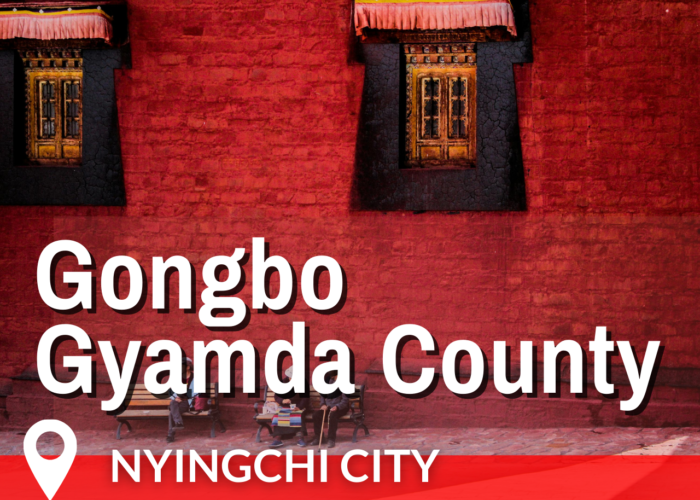
Babu River: The Stream of Life Located east of Gongbo’gyamda County’s heart, the Babu River, known in Tibetan as “Rock River,” is a life-giving watercourse with the richness of flora and fauna in its embrace. Home to rare species like the snow leopard and medicinal treasures such as cordyceps and snow lotus, this river nourishes...Read More
Introduction to Śamatha Śamatha, often translated as “calm abiding,” is a central concept in Buddhist meditation practices that emphasizes the cultivation of tranquility and stability within the mind. As practitioners embark on their journey of meditation, Śamatha serves as a foundational practice that facilitates the development of concentration and mental clarity. It comprises various techniques...Read More
Introduction to Everest Climbing Trends Mount Everest, towering at an awe-inspiring height of 8,848 meters, has long been regarded as the ultimate challenge for climbers across the globe. Its historical significance dates back to the early 20th century, when pioneering mountaineers such as Sir Edmund Hillary and Tenzing Norgay first reached its summit in 1953....Read More
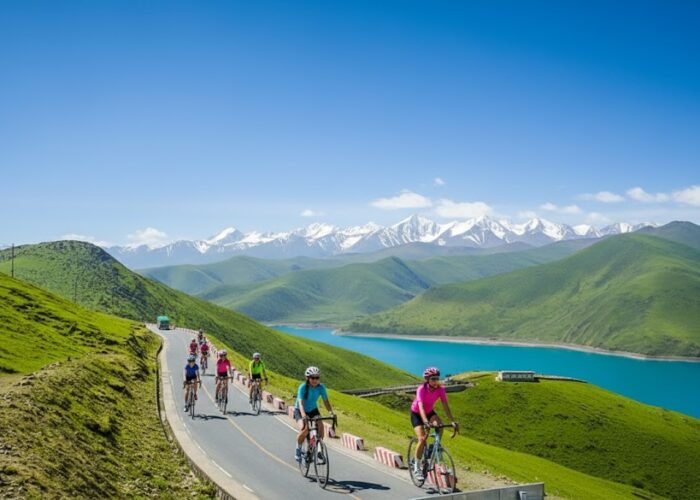
Introduction Tibet, often referred to as the “Roof of the World,” has captivated travelers for centuries with its stunning landscapes, vibrant culture, and rich spiritual heritage. As a region steeped in history, its breathtaking mountains, ancient monasteries, and unique traditions offer a distinct experience for adventurers and spiritual seekers alike. For Canadians contemplating a journey...Read More
Explore Jokhang Temple, a UNESCO World Heritage Site and a pinnacle of Tibetan Buddhism in Lhasa. Founded in 647 AD by King Songtsen Gampo, this ancient monastery is a testament to over 1,360 years of Tibetan history, culture, and spirituality. With its rich architectural beauty, historical significance, and status as a 5A tourist attraction, Jokhang...Read More
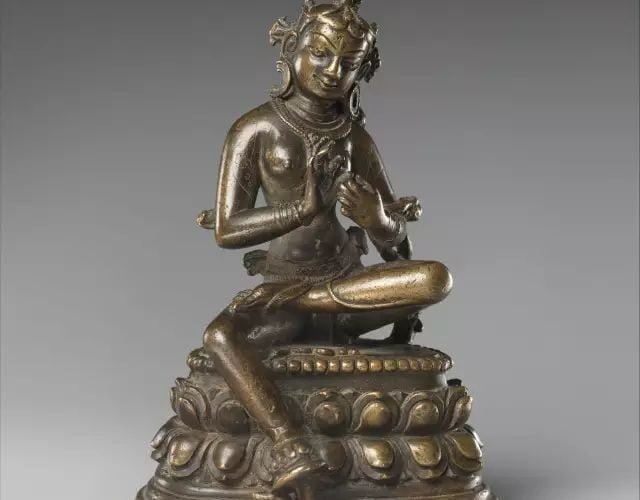
Ekajati: A Unique Deity of Protection in Buddhism Ekajati, widely known as the “One-Haired Mother”, is one of the most mysterious and powerful protector goddesses in Buddhist tradition. Originating in Indian Buddhism, she is revered as a principal guardian deity and is often presented alongside two important longevity goddesses: Ushnishavijaya and White Tara. Together, these...Read More
Preparations before departure to Tibet Arranging Tibet Travel Routes Decide on your travel dates, duration of stay, desired tourist attractions, mode of transportation, and budget for your trip to Tibet. If you intend to book a group tour with a Tibet travel agency, please schedule an appointment at least one week prior to your arrival....Read More
The China-Nepal Cross-Border Railway is making significant progress, promising to reshape regional connectivity and trade dynamics. This transformative railway network aims to connect China's heartland with Nepal's capital, Kathmandu.Read More
The Kagyu school of Tibetan Buddhism, known for its deep meditative practices and emphasis on direct oral teachings, emerged during the Later Transmission period of Buddhism in Tibet in the 11th and 12th centuries. This tradition, part of the “New Translation” schools of Tibetan Buddhism, was founded by two influential masters: Khyungpo Naljor, (990-1140) and...Read More
Discover the Sacred Sites of Mount Jomolhari and Dzongri Tso Mount Jomolhari (sprol-mo-lha-ri), also known as the “Goddess Peak,” is a renowned sacred mountain in Tibet. Located northeast of Yadong County (gro-mo-rdzong), Tibet, it sits on the eastern ridge of Dzongri Tso, extending from north to south. Jomolhari rises to an impressive elevation of 7,314...Read More
There is one paramount reason why Jokhang Temple is regarded as the holiest destination for pilgrims: it enshrines the most revered and rare statue of Shakyamuni Buddha in the world — the Jowo Buddha. In Tibetan, this sacred image is called Jowo Rinpoche, where Jowo means “Supreme Lord” and Rinpoche means “Precious One” — together...Read More
In the history of modern Tibetan Buddhism, Pabongkha Dechen Nyingpo ཕ་བོང་ཁ་པ་བདེ་ཆེན་སྙིང་པོ (1878–1941) stands out as one of the most influential spiritual masters. Renowned for his profound teachings and unparalleled contributions to the Gelug school, his life and work continue to inspire practitioners worldwide. Early Life and Spiritual Awakening of Pabongkha Rinpoche Born in 1878 near...Read More
What documents are needed before boarding a Tibet train? Obtaining a Tibet Travel Permit is crucial for a train journey to Tibet. It acts as a key to unlock the wonders of the region. This permit is authorized by the Chinese government and can only be obtained through an authorized agency. The application process requires...Read More
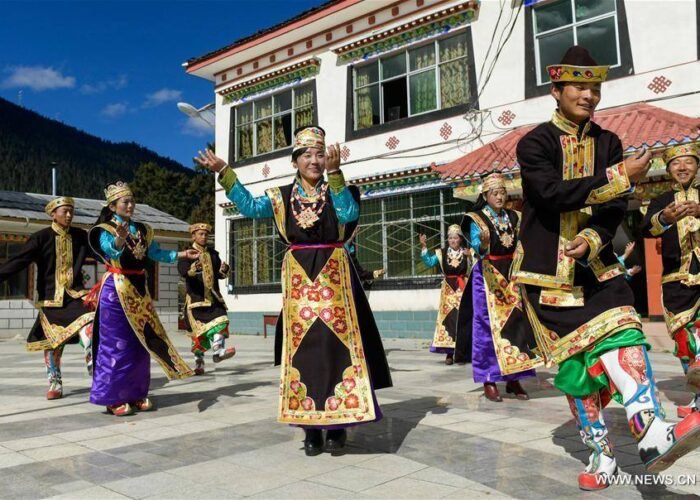
Located in the lush and scenic Nyingchi region of Tibet, Gongbo’gyamda County stands out for its deep-rooted traditions, vibrant festivals, distinctive attire, and time-honored way of life. Surrounded by mountains, forests, and rivers, the county preserves a cultural identity that feels both ancient and alive, offering visitors an immersive journey into authentic Tibetan customs and...Read More
– What are the amenities available on the Xining Lhasa train? Classic Xining Lhasa Train Tour: 5 DaysEmbark on a once-in-a-lifetime adventure through the breathtaking landscapes of Tibet with our Classic Xining Lhasa Train Tour. In this 5-day journey, you will explore the cultural richness of Tibet, travel on the highest railway in the world,...Read More
Introduction to Gönpawa Chökyi Gyaltsen Gönpawa Chökyi Gyaltsen, a prominent figure of the 11th century, is esteemed for his critical role in the development of Tibetan Buddhism, particularly within the Kadam tradition. His teachings and practices significantly shaped Buddhist ethics, emphasizing the importance of moral conduct, compassion, and the cultivation of wisdom among practitioners. As...Read More
Introduction to Tibetan Nunneries Tibetan nunneries, often overlooked in discussions surrounding Buddhism, serve as vital institutions that extend far beyond mere places of worship. These sacred spaces have evolved into crucial centers for spiritual practice, education, and community leadership, empowering women within the framework of Tibetan culture. By embracing a monastic lifestyle, nuns partake in...Read More