
Qinghai–Tibet Railway Journey: From Xining to Lhasa Across the Roof of the World
The Qinghai–Tibet Railway is one of the world’s most extraordinary rail journeys and a true engineering marvel. Stretching over 1,900 kilometers, this iconic route connects Xining, the capital of Qinghai Province, with Lhasa, the spiritual heart of Tibet. Along the way, the train passes through vast grasslands, sacred lakes, snow-covered mountains, and some of the most remote landscapes on Earth, offering travelers a once-in-a-lifetime high-altitude adventure.
Xining: Gateway to the Tibetan Plateau
Xining is the starting point of the Qinghai–Tibet Railway and a vibrant city shaped by centuries of cultural exchange. Located on the northeastern edge of the Tibetan Plateau, it blends Tibetan, Han Chinese, and Muslim cultures, creating a rich and diverse atmosphere.
One of Xining’s most famous landmarks is Kumbum Monastery (Ta’er Monastery), a major center of Tibetan Buddhism. Its Great Hall of Meditation and renowned butter sculptures attract pilgrims and visitors from around the world. Beyond its religious heritage, Xining offers lively markets, colorful streets, and a wide range of local cuisine, making it an ideal place to begin this epic journey.
As the train departs Xining, the scenery quickly opens into sweeping views of the Tibetan Plateau, where golden grasslands stretch endlessly beneath vast blue skies.
Qinghai Lake: A Blue Jewel of the Plateau
One of the first major highlights along the route is Qinghai Lake, the largest inland saltwater lake in China. Unlike other salt lakes, Qinghai Lake supports a thriving ecosystem with abundant fish and birdlife.
Twice a year, the lake becomes a sanctuary for migrating birds such as swans, cranes, geese, and cormorants. In summer, wildflowers bloom along the shores, while herds of yaks graze nearby, creating a scene that feels both peaceful and timeless. Fed by more than twenty rivers and streams, Qinghai Lake is a place where nature remains beautifully untouched.
Delingha: Lakes, Legends, and Tranquility
The train continues west to Delingha, a city known for its poetic landscapes and serene atmosphere. Nearby Crook Lake reflects the sky like a mirror, surrounded by rolling hills and greenery. Local legends speak of mythical creatures living beneath its waters, adding a sense of mystery to the calm surroundings.
Not far away lies Tuosu Lake, famous for its shifting colors and ecological importance. These lakes are protected habitats, and conservation efforts ensure their beauty remains intact for future generations.
Golmud: The Transportation Hub of the Plateau
Golmud marks a significant transition point on the Qinghai–Tibet Railway. While the city is an important center for mineral, oil, and chemical industries, it is best known to travelers as the main transportation hub linking inland China with Tibet.
Surrounded by stark, treeless landscapes at nearly 3,000 meters above sea level, Golmud’s terrain resembles a lunar surface. From here, the railway enters some of the most remote and dramatic regions of the Tibetan Plateau.
Hoh Xil Nature Reserve: Into the Wild
As the train moves deeper into the plateau, it passes through the Hoh Xil Nature Reserve, a UNESCO World Heritage Site and one of the most pristine wilderness areas on Earth. This vast, protected region is home to Tibetan antelope, wild yaks, Tibetan wild donkeys, and rare bird species.
Special wildlife corridors and tunnels have been built along the railway to allow animals to migrate safely, demonstrating how the Qinghai–Tibet Railway balances human travel with ecological protection.
Qarhan Salt Lake and the Distant Himalayas
Further along the route lies Qarhan Salt Lake, part of the Qaidam Basin and one of China’s largest salt lakes. Its vast white surface contrasts sharply with the deep blue sky, creating a surreal visual experience.
As the journey continues, distant views of the Himalayas begin to appear. Snow-capped peaks rise along the horizon, signaling the approach to the Tibetan heartland. The train slows at certain sections, allowing passengers to fully absorb the grandeur of these towering mountains.
Yuzhu Peak: Training Ground of Mountaineers
The train stops at Yuzhu Peak Station, located at an altitude of 4,160 meters. Yuzhu Peak itself rises to 6,178 meters and is considered one of the best mountains in China for entry-level mountaineering.
As the highest peak in the eastern Kunlun Mountains, Yuzhu Peak features gentle slopes and stable terrain, making it a long-standing training site for climbers. Its wind-carved rock faces and clear summit views are especially striking from the train.
Kekexili Nature Reserve and Tuotuo River
After Yuzhu Peak, the railway enters the Kekexili (Hoh Xil) Nature Reserve, one of the least populated areas on the Qinghai–Tibet Plateau. Each May, pregnant Tibetan antelopes migrate here to give birth, and special tunnels beneath railway bridges ensure their safe passage.
The train then arrives near Tuotuo River, located at 4,533 meters above sea level and recognized as the main source of the Yangtze River. Despite the high altitude, the area enjoys a relatively mild climate, supporting diverse wildlife and vegetation. The river’s clear waters flow through dramatic valleys, reflecting the surrounding mountains and sky.
Tanggula Pass: The Highest Railway Pass on Earth
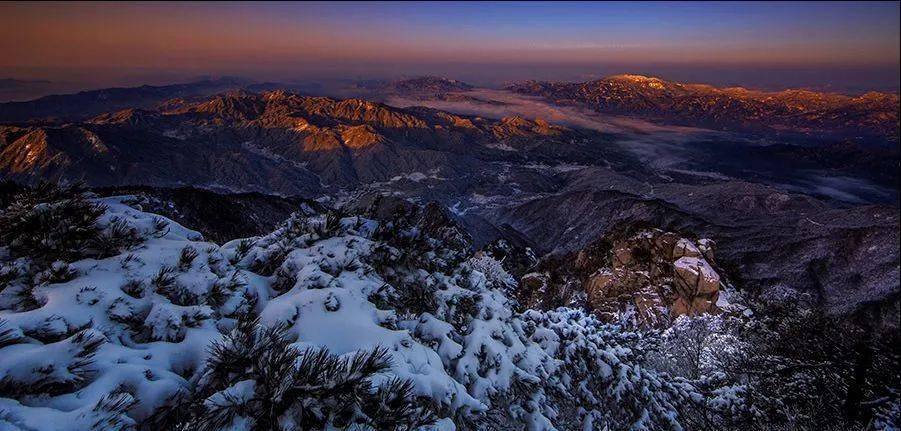
One of the most unforgettable moments of the journey is crossing Tanggula Pass, the highest railway pass in the world at 5,072 meters. Snow-covered peaks dominate the landscape, and passengers are treated to sweeping panoramic views.
At this altitude, the train’s oxygen-supply system helps travelers stay comfortable while they experience one of the most extreme railway environments on the planet.
Tsonag Lake and the Qiangtang Grasslands
Upon entering Nagqu Prefecture, the scenery shifts to wide-open grasslands and high-altitude lakes. Tsonag Lake, one of China’s highest freshwater lakes, lies just meters from the railway. At 4,650 meters, it reflects the sky like a giant mirror and is considered sacred by local Tibetans.
Surrounding the lake is the vast Qiangtang Prairie, one of northern Tibet’s most important pastoral regions. Nomads continue their traditional way of life here, herding yaks and sheep across the open plains.
Namtso Lake: The Heavenly Lake of Tibet
As the train approaches central Tibet, views of Namtso Lake emerge in the distance. Known as the “Heavenly Lake,” Namtso is one of the most sacred lakes in Tibetan Buddhism. Its crystal-clear waters reflect snow-capped mountains, creating an almost otherworldly scene.
Pilgrims walk a clockwise circuit around the lake as an act of devotion, believing it brings spiritual merit and blessings. Even from afar, Namtso’s beauty leaves a deep impression.
Lhasa River and Arrival in Lhasa
The final stretch of the journey follows the gentle curves of the Lhasa River, guiding the train into the heart of Tibet. Green river valleys contrast with rugged mountains, offering a peaceful transition into the city.
As the train arrives in Lhasa, the iconic Potala Palace gradually comes into view, standing proudly on Red Hill. This historic landmark symbolizes Tibetan Buddhism and centuries of spiritual and political history.
The Qinghai–Tibet Railway is far more than a means of transportation. It is a moving gallery of nature, culture, and human achievement, linking diverse landscapes and peoples across the highest plateau on Earth.