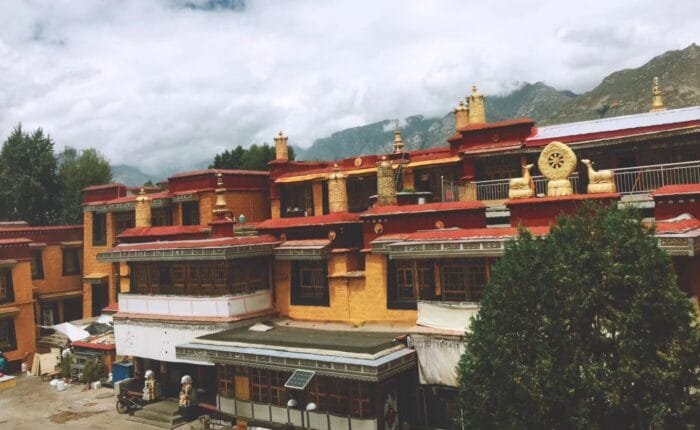
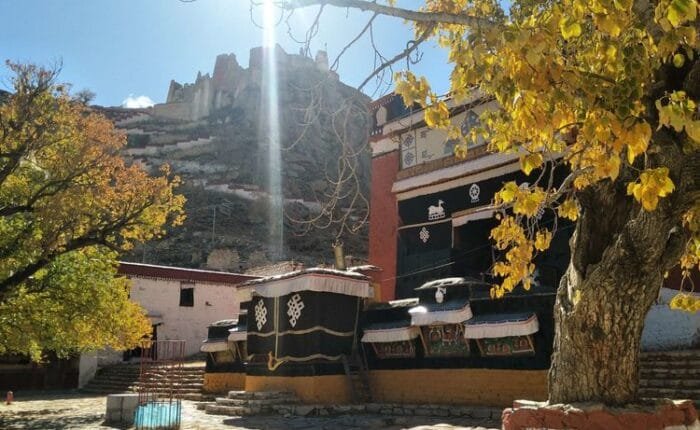
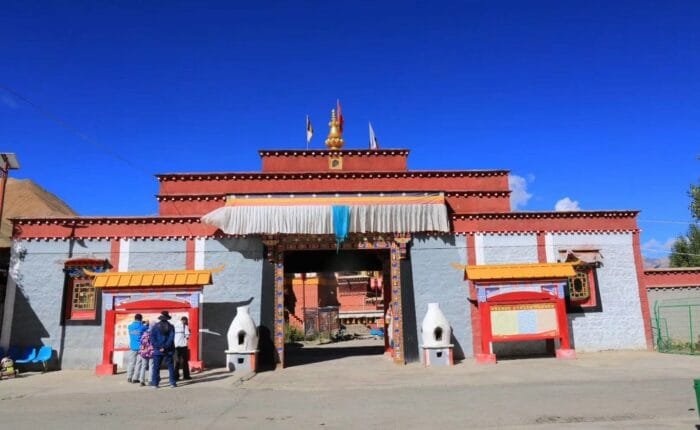
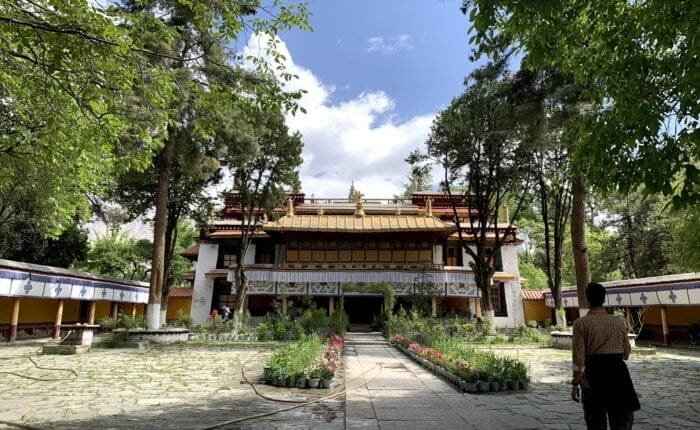
Discover the mystical Drachi Temple, a revered site dedicated to the Goddess of Wealth and Fortune. Explore the unique iconography of Drachi Lhamo, participate in ancient rituals for prosperity, and immerse yourself in the rich cultural heritage of this sacred Tibetan sanctuary.Read More
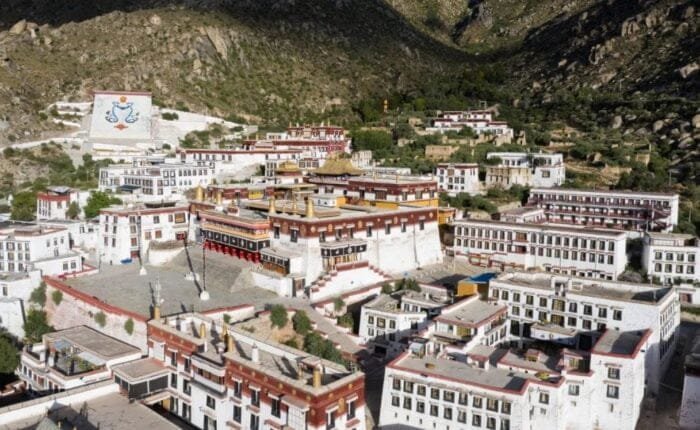
Embark on a spiritual journey to Drepung Monastery, the prestigious seat of Ganden Phodrang in Tibet. Experience the rich history and religious significance of this ancient monastery, explore its sacred halls like Tshomchen and Ganden Potrang, and marvel at the exquisite artistry of Buddhist statues and murals. A visit to Drepung Monastery offers a unique...Read More
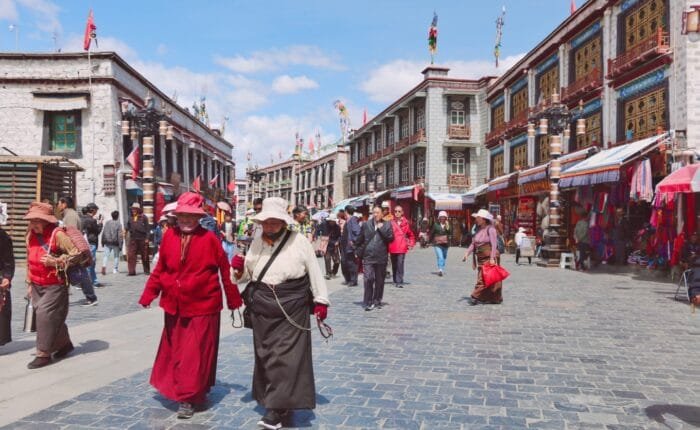
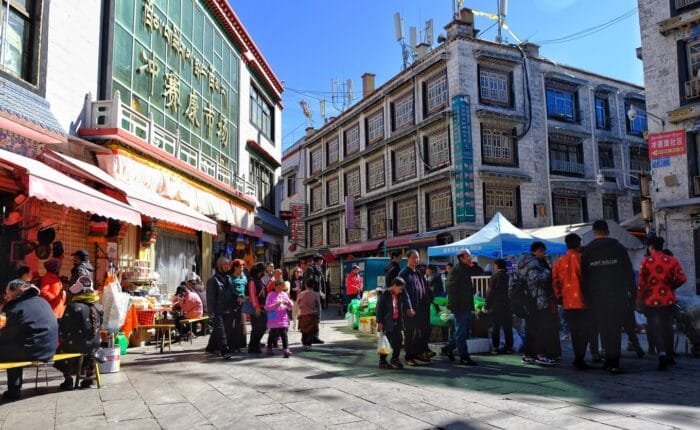
Embark on a journey through Barkhor Street, Lhasa's answer to Beijing's Chang'an Street, Chengdu's Chunxi Road, and Chongqing's Liberation Road. Uncover the essence of Tibet's snowy highlands as you wander along this ancient lane, brimming with history and stories. Barkhor Street, a vibrant artery in the heart of Lhasa, not only captures the city's memories...Read More
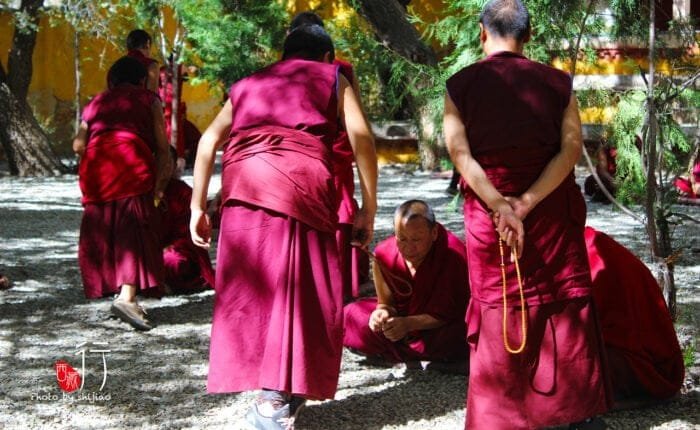
About Sera Monastery Sera Thekchen Ling Monastery, also known as Sera Monastery, is among the six primary monasteries of the Gelug Sect of Tibetan Buddhism. It is referred to as one of the three significant monasteries of Lhasa, along with Drepung Monastery and Ganden Monastery, and is the most recent one among them. Sera Monastery...Read More
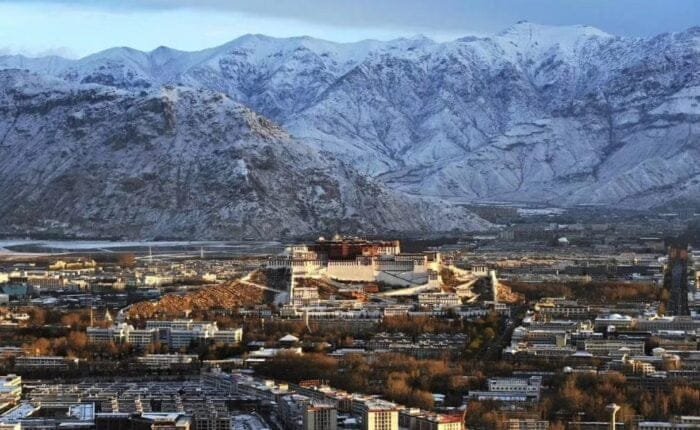
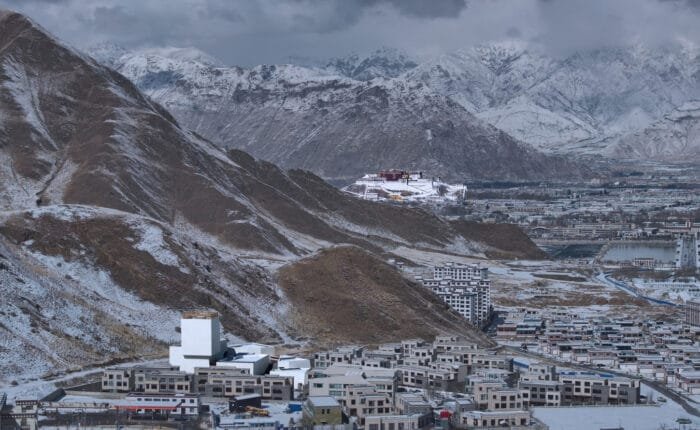
Embark on a scenic journey through Lhasa South Mountain Park, a new tourist hotspot in Lhasa City. Experience breathtaking trails across Routes A, B, and C, offering panoramic views of the iconic Potala Palace and the cityscape. Ideal for hiking enthusiasts and cultural explorers, the park showcases the beauty of Tibet with its natural landscapes...Read More
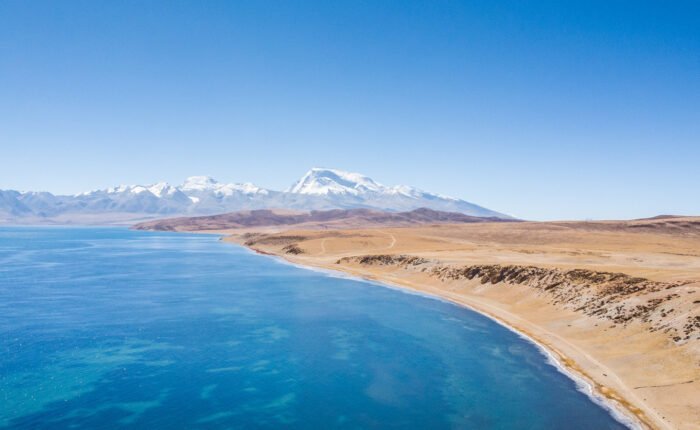
Traveling from Lhasa to Namtso Lake along China National Highway 109, visitors pass one of the most impressive viewpoints on the Tibetan Plateau—the Nyenchen Tangla Mountain Observation Deck. Located at an altitude of 4,640 meters, this roadside stop offers one of the best places to admire the magnificent Nyenchen Tangla Mountain, whose highest peak rises...Read More
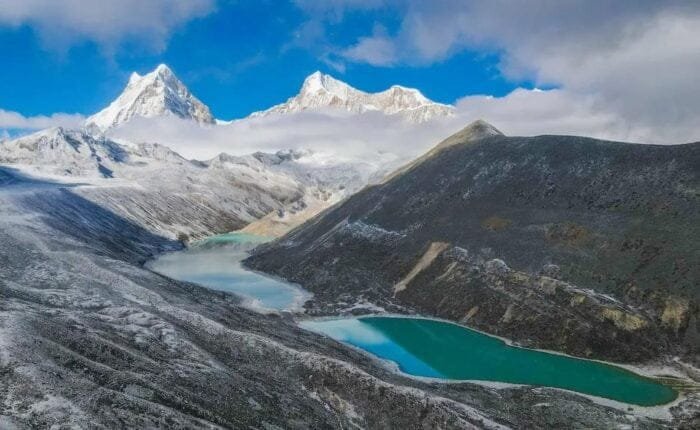
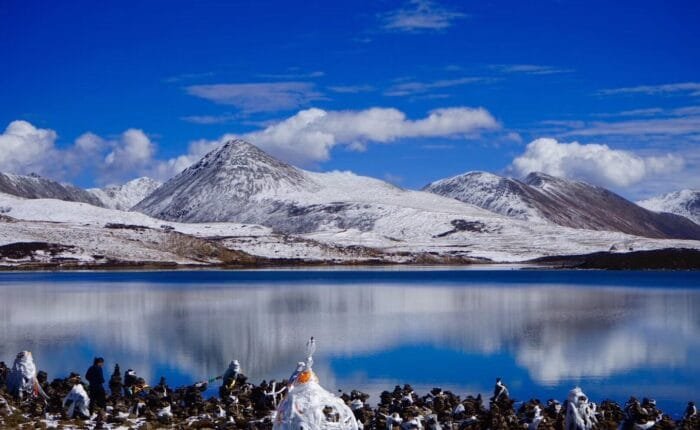
Tibet’s most legendary lake. It means fairy lake. For Tibetan, the lake is auspicious Holy Lake”. The Lhamo Lhatso lake is more than 5000 meters above sea level. In Gyatsa County Chokhor Gyal mountain, Lhokha city, the altitude is more than 4000 meters. It is located about 65 kilometers far from the county. Lhamo Lhatso...Read More
Sechen Lhatso is known to the local people as the Holy lake where the God of fortune (King of Naga) lives. It is located in the southeast of Riduo Township, Maldrogongka County, and north of Sangri County, Shannan Region. It is about 6 km from National Highway 318, and 124 km from Lhasa City, at...Read More
Explore Tibetan Culture at the Tibetan Architecture Expo Park: A Unique Cultural Experience The Tibetan Architecture Expo Park is a fascinating cultural tourism project showcasing the best of Tibetan heritage. This park features various attractions, including a museum, the TIN Hotel, Zhizongzan Cultural Street, an art gallery, and a Tibetan artist workshop. Among these highlights,...Read More
Before Buddhism entered Tibet, this snow-covered plateau had its own traditional religious beliefs. This native religion developed by primitive Shamanism. which has great influence on the human world such as ghosts, gods, heaven, earth, mountains and rivers, earth and rocks, and even vegetation. The worship of animism has a strong shaman color and the custom...Read More
Princess Wencheng Live Show: A Spectacular Cultural Performance in Lhasa The Princess Wencheng Live Show (《文成公主》大型实景剧) is one of the most iconic cultural performances in Tibet. Staged in Lhasa, this large-scale outdoor real-scene drama combines history, music, dance, and natural landscapes into a powerful visual experience. Set against the backdrop of mountains and the night...Read More
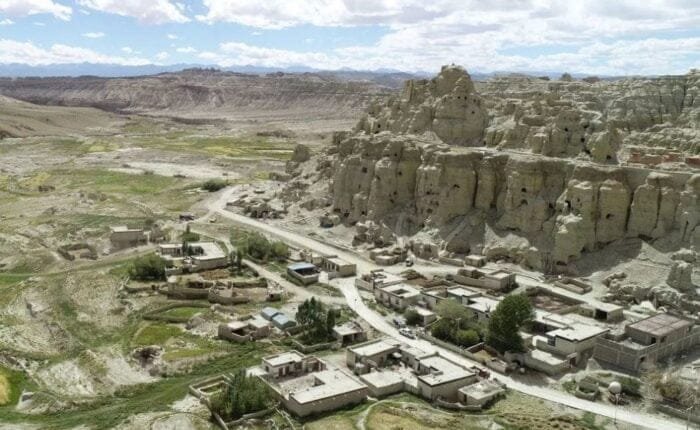
Perched dramatically on rugged cliffs in western Tibet, Dongkar Phiwang Castle and its surrounding grottoes stand as remarkable remnants of the ancient Guge Dynasty. Dating back to the 10th century AD, this historic complex was once a thriving political, economic, and cultural center of the Guge Kingdom—one of the most influential civilizations in Tibet’s history....Read More
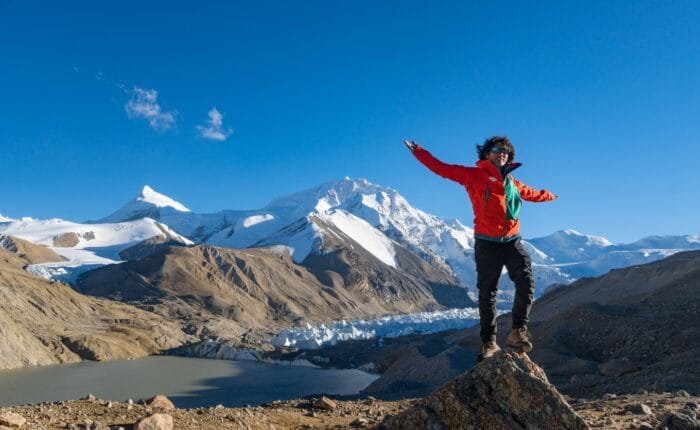
Mount Shishapangma, also written as Shishabangma, is one of the most remarkable giants of the Himalayas. Located in southern Tibet, China, near the Nepal border, this majestic mountain stands at an elevation of 8,012 meters (26,286 feet), ranking 14th among the world’s 14 peaks over 8,000 meters. What makes Mount Shishapangma truly unique is that...Read More
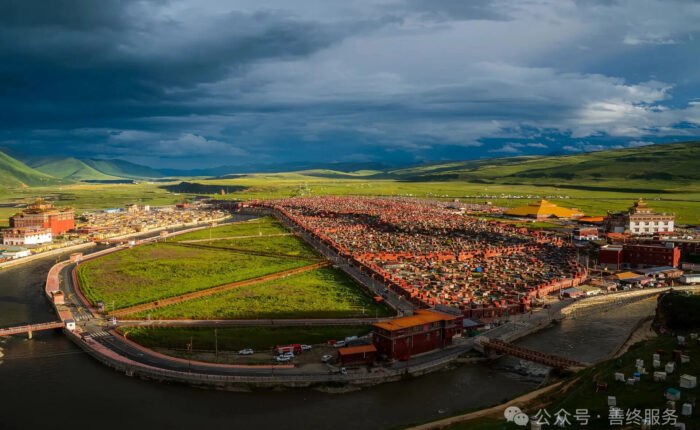
Yarchen Gar, officially known as Yachen Orgyen Samden Ling, is located in Changtuo Village, Acha Town of Baiyu County in Garzê Prefecture, Sichuan. Sitting at an altitude of around 4,000 meters, it is the largest settlement of female practitioners (nuns, known as Jo Mu) in the world. Often described as the “Women’s Kingdom” of Tibet,...Read More
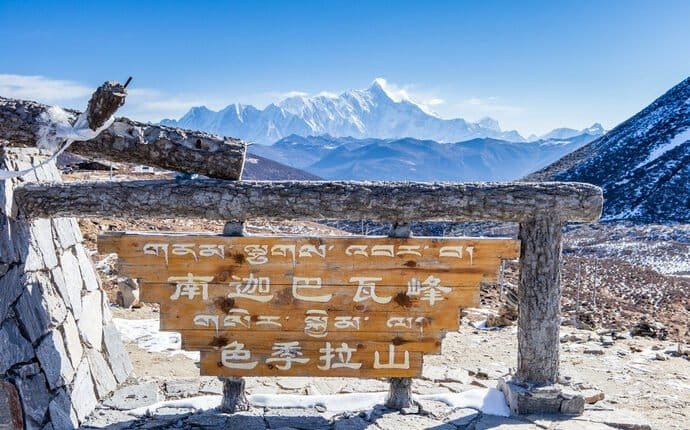
Mount Namcha Barwa, known in Tibetan as “the burning thunder and lightning” or “the spear that shoots straight into the heavens,” is one of Tibet’s most mysterious and breathtaking peaks. Rising to 7,782 meters, it dominates the eastern Himalaya and stands as the highest mountain in Nyingchi Prefecture, earning legendary status among climbers, pilgrims, and...Read More
Discover Phuntsok Ling Monastery in Shigatse, Tibet — a historic Jonang and Gelug Buddhist site famous for ancient murals, sacred statues, and rich cultural heritage near the Yarlung Tsangpo River.Read More
Location of Khorchak Monastery Khorchak Monastery is located in Khorchak Village of Burang County in Ngari Prefecture, Western Tibet. The village itself was gradually formed around the monastery. Because of the strong influence of the temple and its respected monks, local residents gathered near the religious center, and the settlement eventually became known as Khorchak...Read More
A Warm Welcome in Menshi Township Upon reaching Menshi Township in Gar County, Ngari Prefecture, perched at an impressive 4430 meters above sea level, we found ourselves in a cozy town nestled along the G219 highway. It’s a popular rest stop for heavy trucks and travelers alike. Our lunch stop was a charming Northeastern dumpling...Read More
Norbulingka Treasure Park: The Summer Palace of the Dalai Lamas in Lhasa Nestled in the western suburbs of Lhasa, Norbulingka – meaning “Treasure Park” or “Jewel Garden” in Tibetan — is one of Tibet’s most serene and historically significant attractions. Once the official summer residence of successive Dalai Lamas from the 7th to the 14th,...Read More
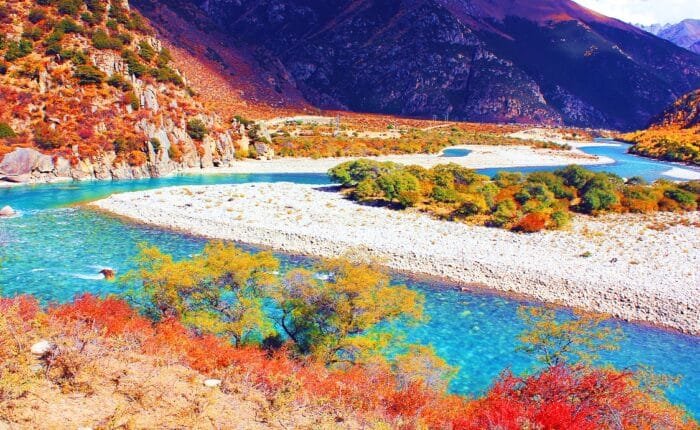
Discover the Yarlung Tsangpo Grand Canyon, a world-class scenic spot in Tibet. With a length of 496.3 km and an average elevation of 3,000 m, this Canyon is longer and deeper than its counterparts in the US and Peru. Explore its nine natural zones, ranging from alpine to tropical, and experience its rich cultural heritage.Read More