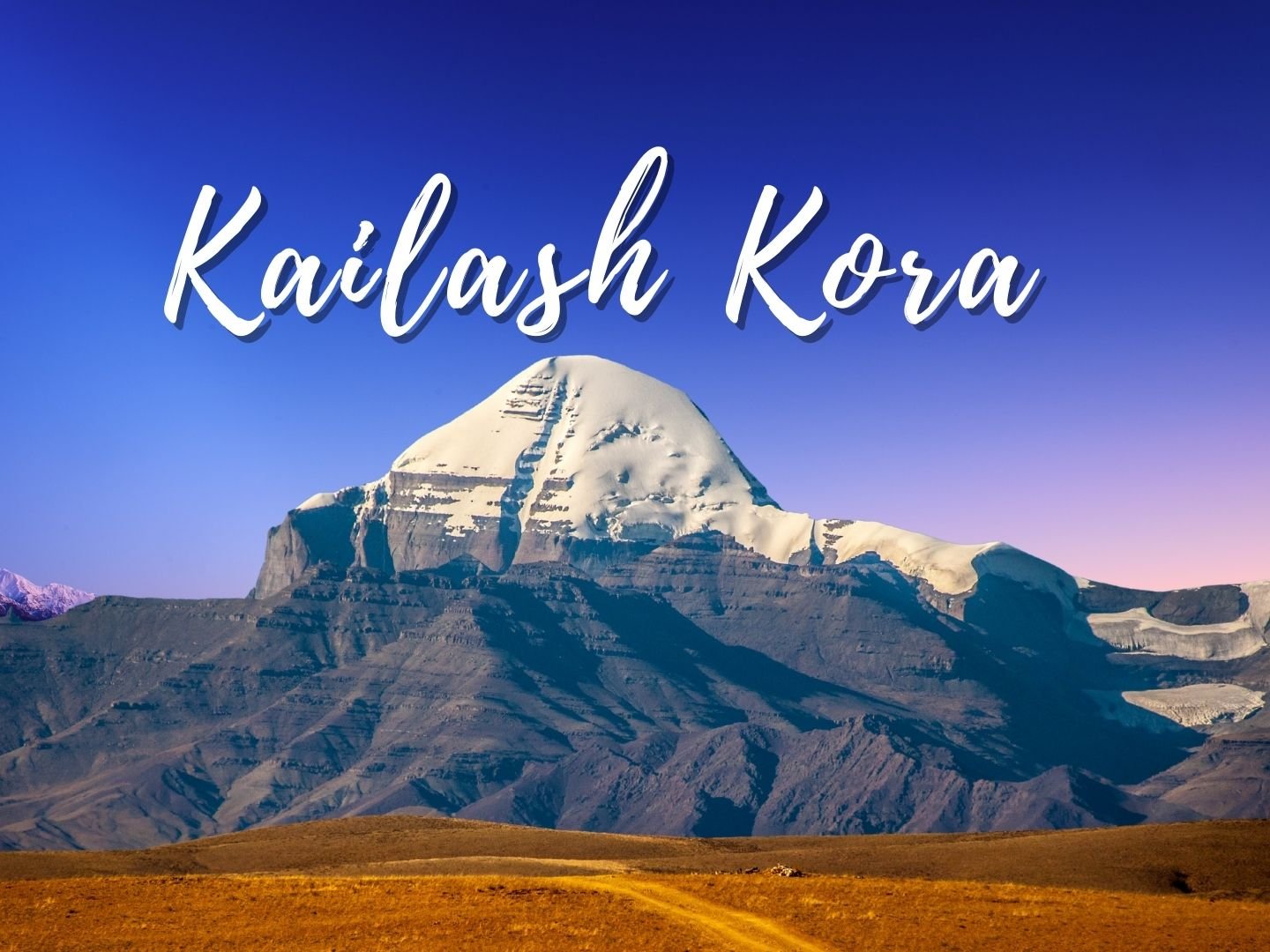

Ali Kunsha Airport, also known as Ngari Gunsa Airport, is far more than a transportation hub. Located in the remote Ali region of Tibet, this high-altitude airport represents human ingenuity, resilience, and cultural connection in one of the world’s most challenging environments.
A Remarkable Location in the Himalayas
Situated at an elevation of 4,274 meters above sea level, Ali Kunsha Airport ranks among the highest airports in the world. It lies near Shiquanhe Town in western Tibet, surrounded by dramatic Himalayan landscapes.
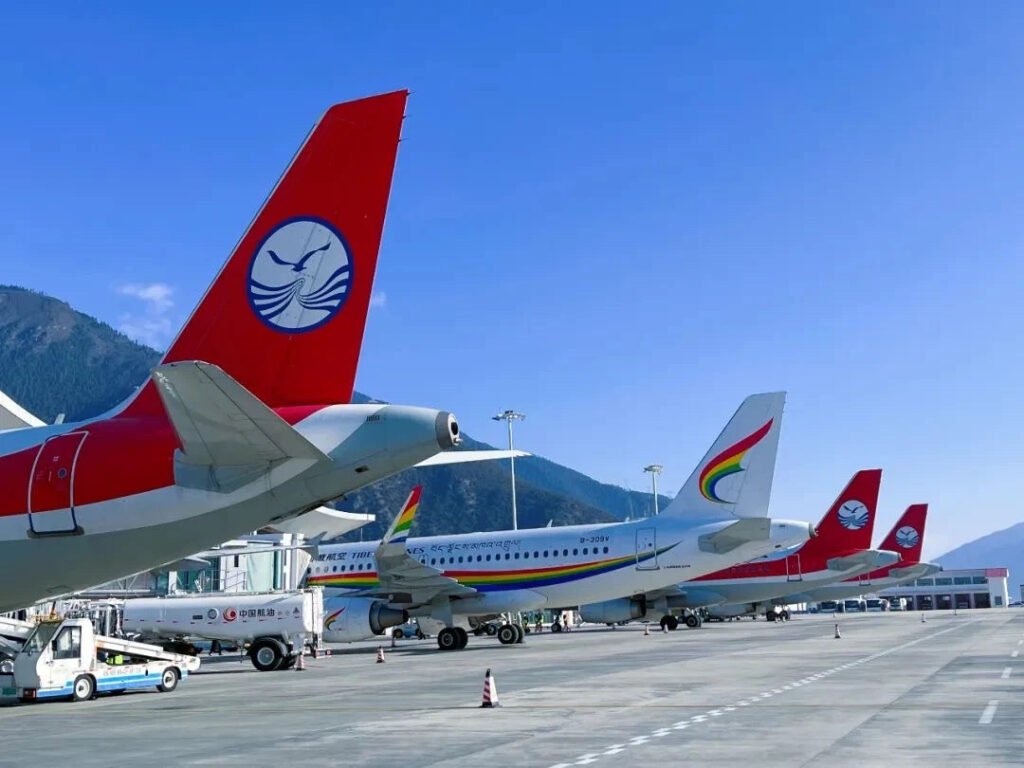
The airport features a 4,500-meter-long runway, specially designed to handle high-altitude aircraft such as the Airbus A319. This advanced infrastructure ensures reliable operations despite thin air and extreme weather conditions, making it a vital aviation hub in the region.
Cultural Elegance in Design
The terminal building, covering 3,900 square meters, reflects a seamless blend of modern functionality and traditional Tibetan design. Decorated with Tibetan motifs, the airport highlights the rich cultural heritage of the region.
Travelers arriving at Ngari Gunsa Airport are welcomed with a sense of warmth and hospitality that mirrors the spirit of the Himalayas.
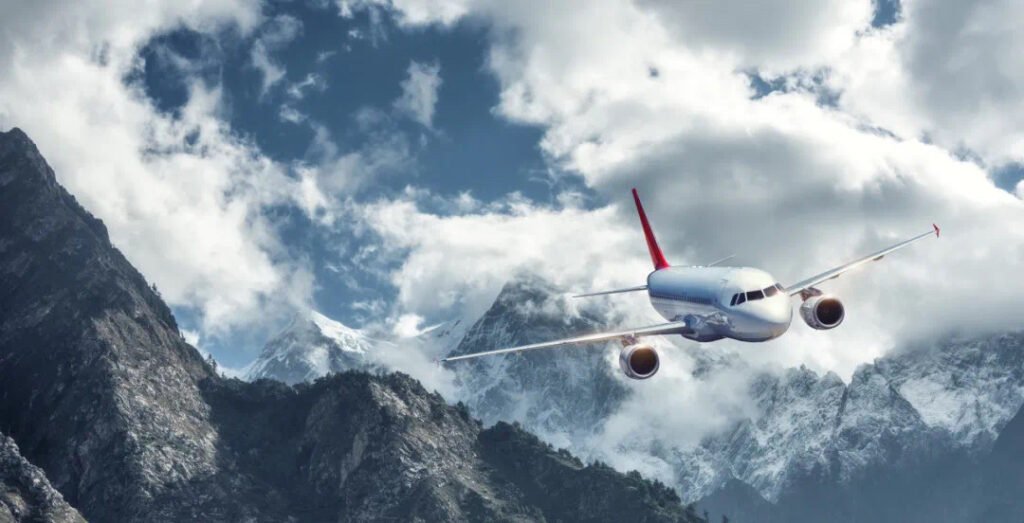
Ngari Gunsa Airport: A Marvel of Engineering and Gateway to Tibet’s Wonders
Ngari Gunsa Airport, also known as Ali Kunsha Airport, stands as a remarkable achievement in aviation. Nestled in Tibet’s remote Ali region, this high-altitude airport is more than a transportation hub—it is a symbol of innovation, culture, and economic growth. From its stunning architecture to its logistical significance, Ngari Gunsa Airport has become a vital gateway for travelers seeking adventure and spirituality in the heart of the Himalayas.
The construction of Ngari Gunsa Airport was no small feat. With an investment of approximately ¥350 million, it overcame challenges posed by its high-altitude location. The airport’s 4,500-meter runway has been lauded for its technical brilliance, capable of accommodating large, high-altitude aircraft like the Airbus A319. This makes it one of the highest and most advanced airports in the world.
Ngari Kunsha Airport (阿里昆莎机场)
| Airline | Flight No. | Route | Departure Time | Return Time | Days |
|---|---|---|---|---|---|
| Tibet Airlines | TV9944/3 | Ngari = Lhasa | 10:25-12:35; 10:15-12:05 | 07:30-09:45; 07:30-09:35 | Mon-Sat |
| Tibet Airlines | TV9970/69 | Ngari = Lhasa | 10:40-12:30 | 07:40-10:00 | Tue, Sun |
| Tibet Airlines | TV9808/7 | Ngari = Lhasa | 11:25-13:10 | 08:30-10:45 | Daily |
| China Eastern | MU2132/1 | Ngari = Kashgar = Xi’an | 12:00-13:45; 14:45-18:55 | 09:45-11:20 | Tue |
| Lucky Air | 8L9682/1 | Ngari = Kashgar = Urumqi | 12:40-14:20; 15:00-16:55 | 07:35-09:40; 10:20-12:00 | Mon-Sun |
Tourism Boost: Unlocking the Mystique of the Ali Region
Ali Kunsha Airport serves as a critical connection for the local community and an entry point for explorers seeking the untouched beauty of Tibet. From this hub, adventurers can access some of Tibet’s most iconic landmarks, including:
- Mount Kailash: A spiritual epicenter revered by Hindus, Buddhists, Jains, and Bon followers.
- Lake Manasarovar: A sacred lake that offers serene beauty and spiritual solace.
- Guge Kingdom Ruins: A treasure trove of ancient history and Tibetan art.
Passengers flying into Ali are treated to awe-inspiring vistas of towering peaks, serene valleys, and shimmering lakes, making the journey itself a part of the adventure.
A Triumph Over Challenges
Constructing and operating an airport at such an altitude is no small feat. Opened in July 2010, Ali Kunsha Airport is a symbol of human perseverance and engineering prowess. Its establishment has bridged the once-remote Ali region with the rest of the world, enabling the exchange of goods, ideas, and cultures. The airport also facilitates vital services for the local population, boosting regional development and tourism.
Historical and Operational Milestones
- 2010: The airport officially opened, marking the launch of the Chengdu-Lhasa-Ali route.
- 2012: The Xi’an-Kashi-Ali route began operation, enhancing accessibility to this remote area.
Today, Ali Kunsha Airport continues to play a strategic role in Tibet’s infrastructure development, fostering economic growth and cultural exchange.
Why Ali Kunsha Airport Matters
Ali Kunsha Airport is more than just a transportation hub. It represents hope, resilience, and the beauty of human ingenuity. Nestled in the heart of the Himalayas, it not only connects travelers to one of the most enchanting regions of the world but also serves as a reminder of what determination can achieve against nature’s challenges.
Logistical and Economic Significance
Logistical Lifeline
Positioned along the southern route to Mount Kailash and Lake Manasarovar, the airport simplifies travel for pilgrims and adventurers. It reduces travel time and enhances safety for those visiting these sacred destinations.
Economic Growth
The presence of Ali Kunsha Airport has contributed to:
- Job creation in the local community
- Growth in tourism and hospitality sectors
- Improved trade and connectivity in the Ali region
Technical Excellence in Extreme Conditions
Operating at over 4,200 meters, the airport is built to handle low oxygen levels and harsh weather. Its advanced runway and infrastructure ensure consistent and safe performance, making it a benchmark for high-altitude aviation.
Remote Location: A Vital Connection
For the isolated Ali region, Ngari Gunsa Airport serves as a crucial link to major cities like Lhasa, Chengdu, and Xi’an.
It ensures access to essential services and strengthens connections between remote communities and the rest of the country.
A Gateway to Tibet’s Spiritual and Natural Treasures
With its unique location, cultural design, and engineering excellence, Ali Kunsha Airport continues to inspire travelers. It stands as the starting point for journeys into Tibet’s most sacred and scenic landscapes, offering access to unforgettable experiences in the Himalayas.