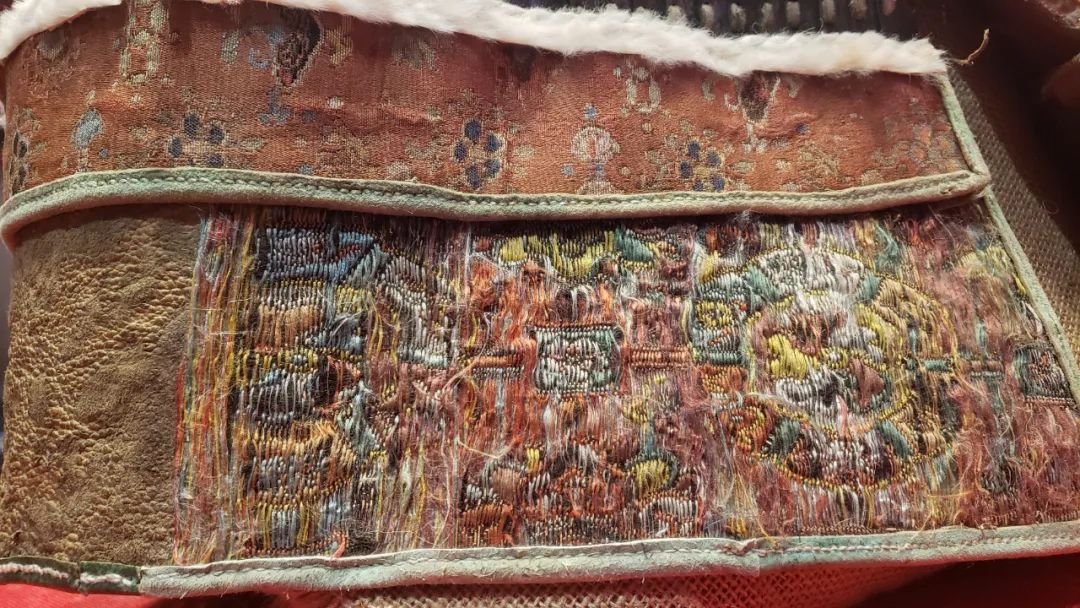
The Sakya Dharma King’s iron armour, a testament to an extraordinary period in history. It stands as a remarkable artefact of the Yuan Dynasty’s cultural and political legacy. Bestowed by Kublai Khan, the founder of the Yuan Dynasty, this iron armour. It dates back more than 700 years, is a singular relic of its kind....Read More
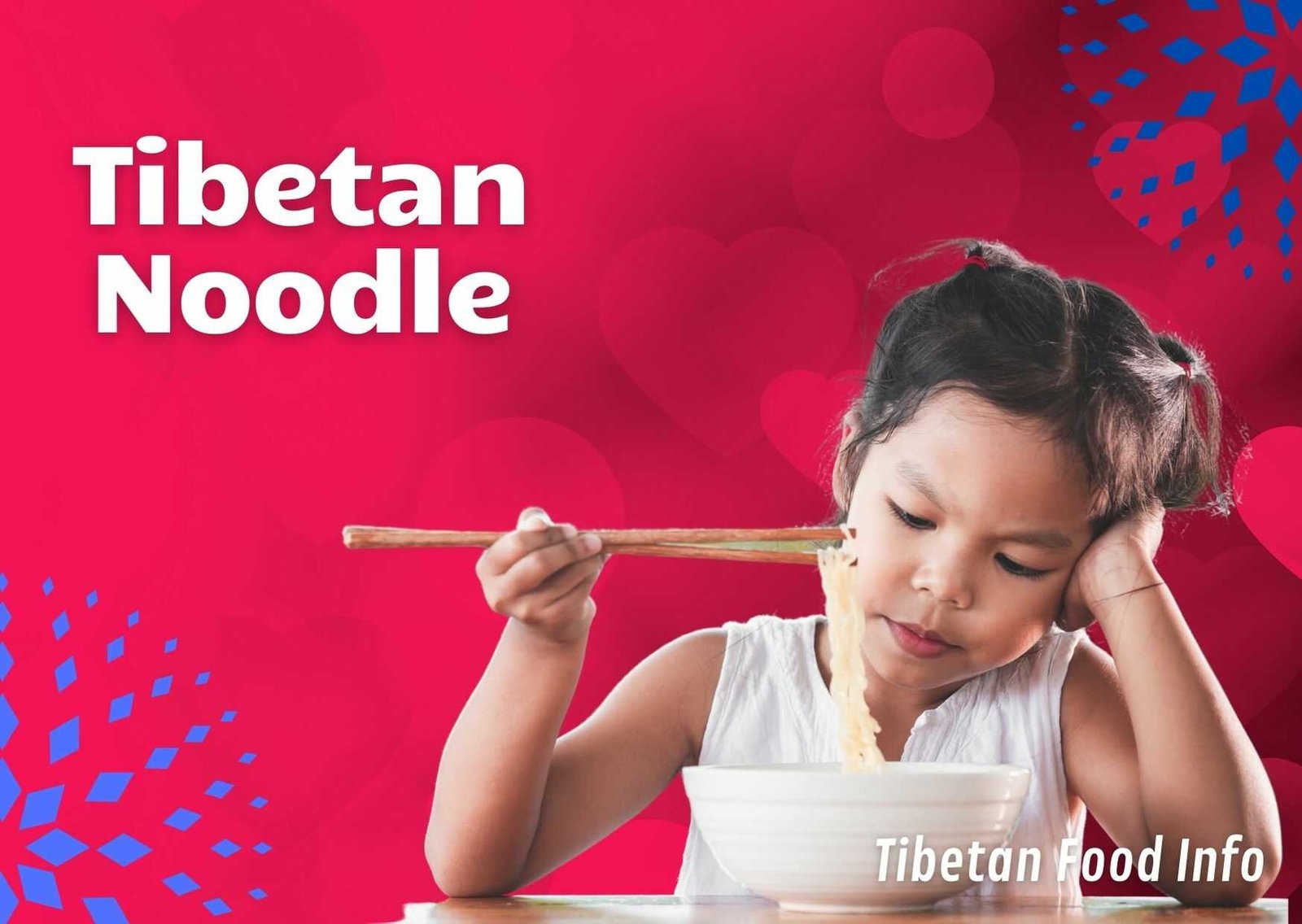
Discover the cultural heritage of Amdo Noodles, a beloved dish in Tibetan cuisine. Learn about the skillful preparation and versatile flavors that make them a worldwide sensation. Experience the taste that transcends borders and connects us to Tibetan traditions. #AmdoNoodles #TibetanCuisineRead More
Oxygen Support on the Tibet Train: Travel Safely at High Altitude Traveling across the Qinghai-Tibet Plateau is an unforgettable experience, but high altitude can be challenging for many travelers. To ensure passenger comfort and safety, the Tibet Train is specially designed with advanced oxygen supply systems. These systems help reduce altitude discomfort and make the...Read More
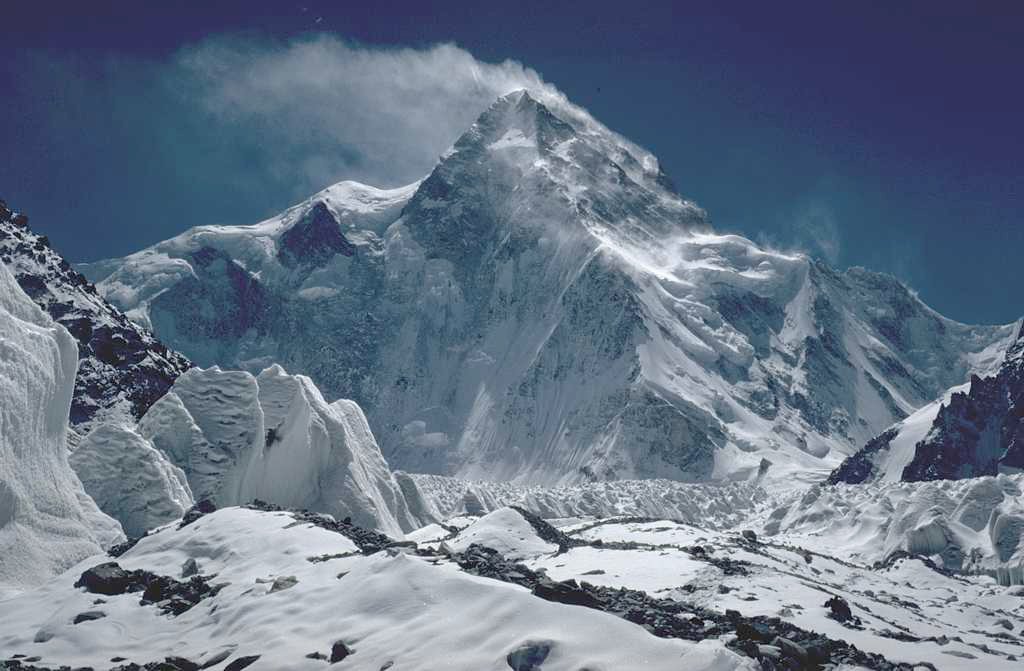
At 8,611 meters, Qogir Feng—better known globally by its mountaineering codename, K2—stands as the world’s second-highest peak and the crowning jewel of the Karakoram Range. Widely regarded as the most difficult and dangerous of all eight-thousanders. Rising dramatically in the heart of the Karakoram Range, K2 is famed for its extreme steepness, unpredictable weather, and...Read More
Heute übernachten wir auf 5000 Metern Höhe in einem tibetischen Minderheit Zelt. Wo die Nomaden die meiste Zeit verbringen. Dies ist eine wunderbar Erlebnis auf der Reise in Tibet. Das Zelt hat viele Besonderheiten. Zum Beispiel Der Vorhang des Zeltes ist aus Yakhaaren geflochten. Die Yakhaaren sind aus einem lebenden Yak gebürstet. Das Haar fällt...Read More
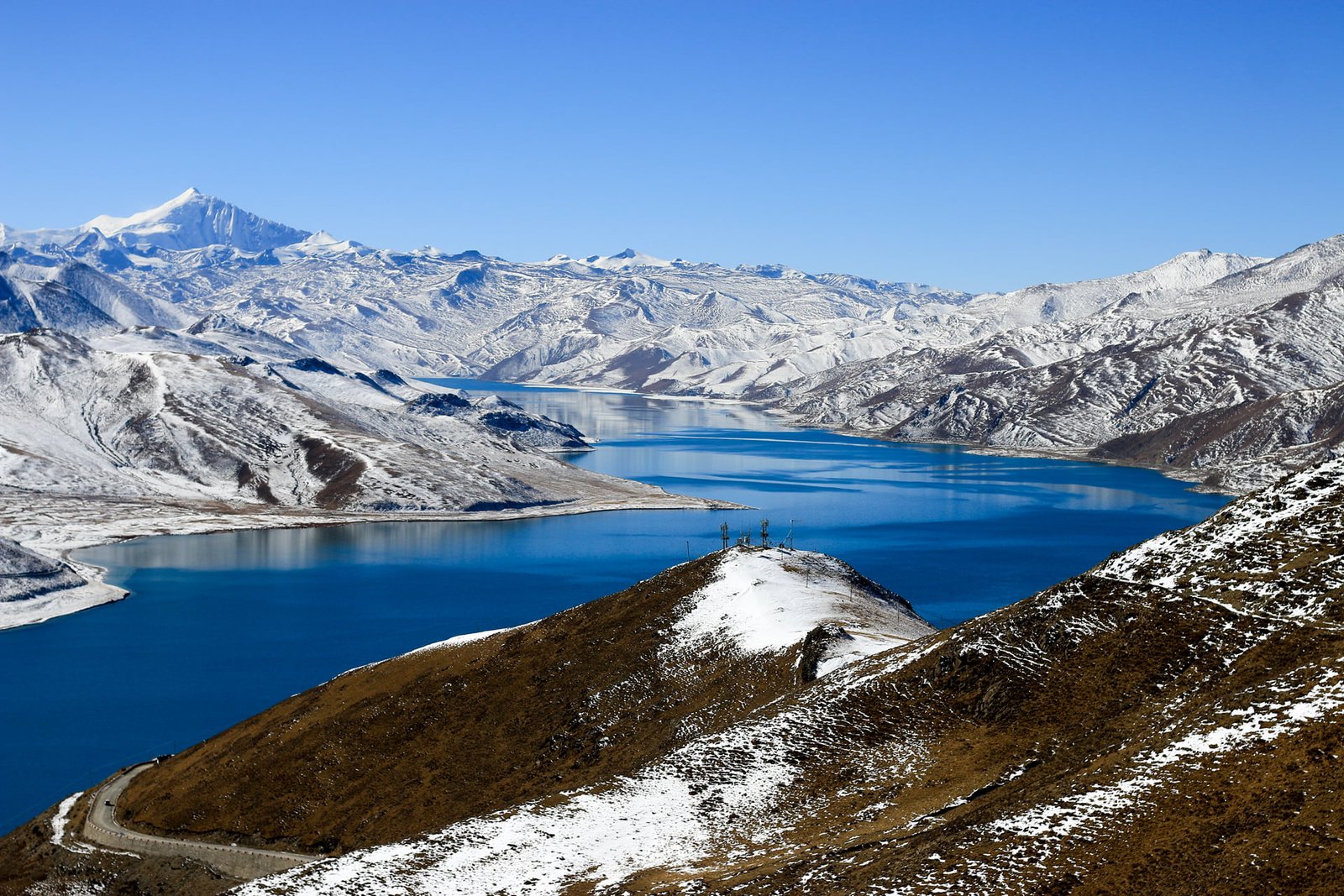
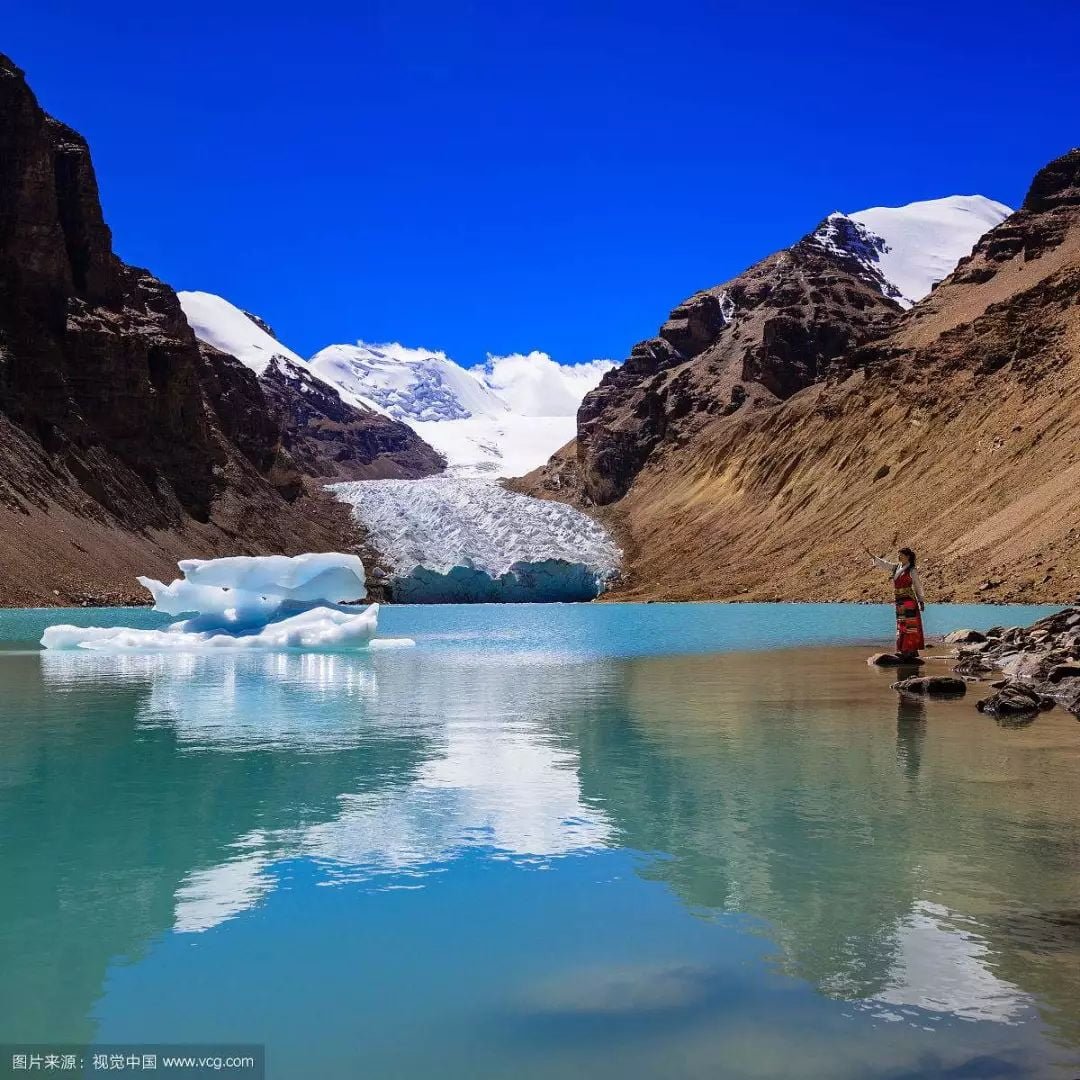
Discover the mystical charm of Tibet's sacred lakes. From the mesmerizing Yamdrok to the ethereal Namtso and divine Mapam Yumco, these lakes are a testament to nature's beauty and spiritual significance.Read More
Explore the Nayjal Chenmo Cave Temple, known as "Nayjal Cave Temple," a crucial relic of Tibet's Tubo period cave architecture, located in Nayjal Village, Kampa County, Shigatse. Perched on a cliff at 5,000 meters, it stands as the second cave temple discovered in Tibet, enriching the region's cave art history. The complex includes five south-facing...Read More
Il Sera Monastero, situato nei pressi di Lhasa, in Tibet, è uno dei tre grandi monasteri universitari della tradizione Gelug del buddhismo tibetano. È rinomato per il suo metodo unico di insegnamento, in particolare per i dibattiti monastici, che rappresentano un aspetto fondamentale dell’educazione dei monaci. Il Dibattito Monastico al Monastero di Sera Il dibattito...Read More
Discover the mystical beauty of Zhongdian, also known as Shangri-la, in Yunnan Province. Explore the vibrant Tibetan culture, stunning landscapes, and fascinating attractions. Plan your visit today!Read More
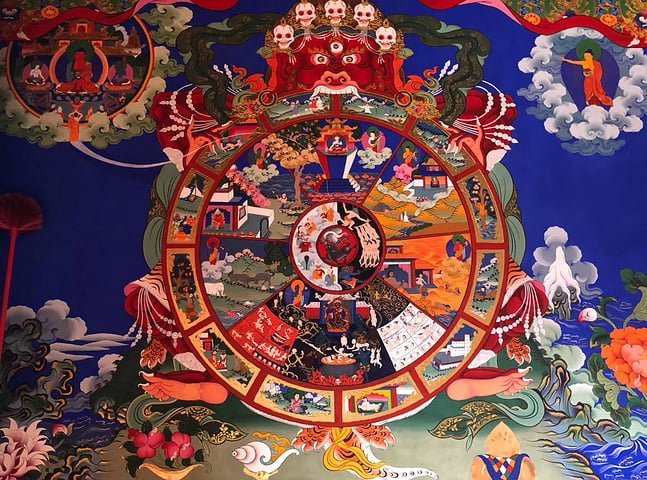
Discover the fascinating symbolism behind the Buddhist Wheel of Life, a powerful representation of Buddhism and the consequences of our actions.Read More
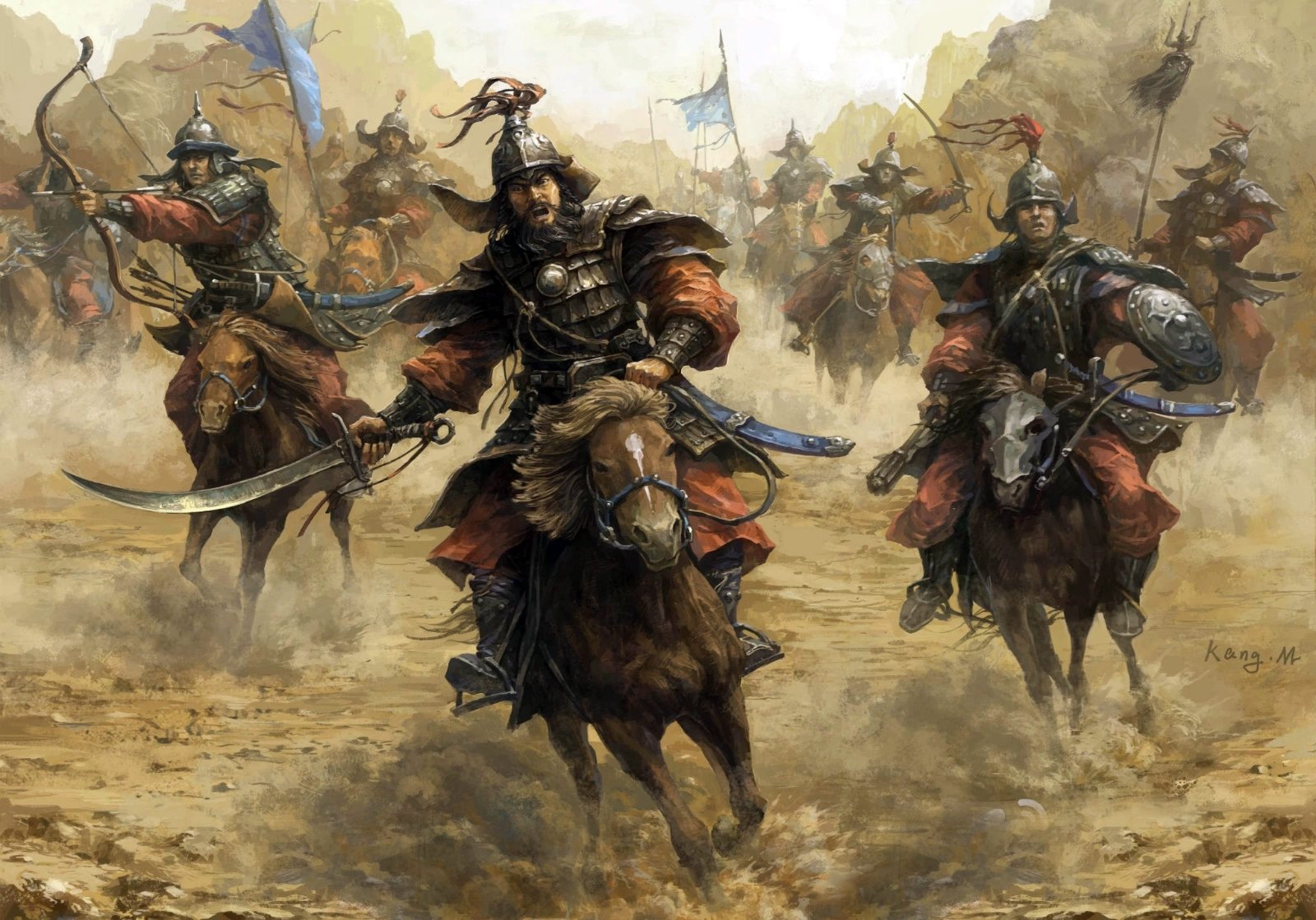
The Tibet–Ladakh–Mughal War (1679–1684) was one of the most important conflicts in the western Himalayan region during the late 17th century. It involved the Central Tibetan Ganden Phodrang government, supported by Oirat Mongolian Khoshut forces, against the Namgyal dynasty of Ladakh, which received backing from the Mughal Empire. This war reshaped political alliances, trade networks,...Read More
In Tibetan culture, marriage is more than just a partnership between two individuals. It’s a core component that preserves family lineage and reinforces social structure across generations. Marriage in Tibet is deeply tied to spiritual beliefs and traditional values that have evolved over centuries, creating a unique and sacred approach to family life. Ancient Tibetan...Read More
Introduction to Traveling from Canada to Tibet Traveling from Canada to Tibet presents a remarkable journey, albeit one that requires careful planning and consideration. As travelers embark on this adventure, it is imperative to note that there are currently no direct flights available from Canada to Tibet. This absence of direct routes necessitates transiting through...Read More
Introduction to Responsible Tourism in Tibet Tibet, often referred to as the “Roof of the World,” is a region of unparalleled beauty and profound cultural significance. Its breathtaking landscapes, rich traditions, and unique spiritual heritage attract travelers from around the globe. However, as the number of visitors increases, the need for responsible tourism becomes ever...Read More
Embark on a 13-day journey from Beijing to Xining and Tibet, designed for travelers who love dramatic landscapes and high-altitude beauty. This Xining and Tibet Natural Scenery Tour focuses on the breathtaking views of the Qinghai-Tibet Plateau, combining vast lakes, snow-capped mountains, grasslands, and panoramic railway scenery. Starting from Beijing, the route leads to Xining,...Read More
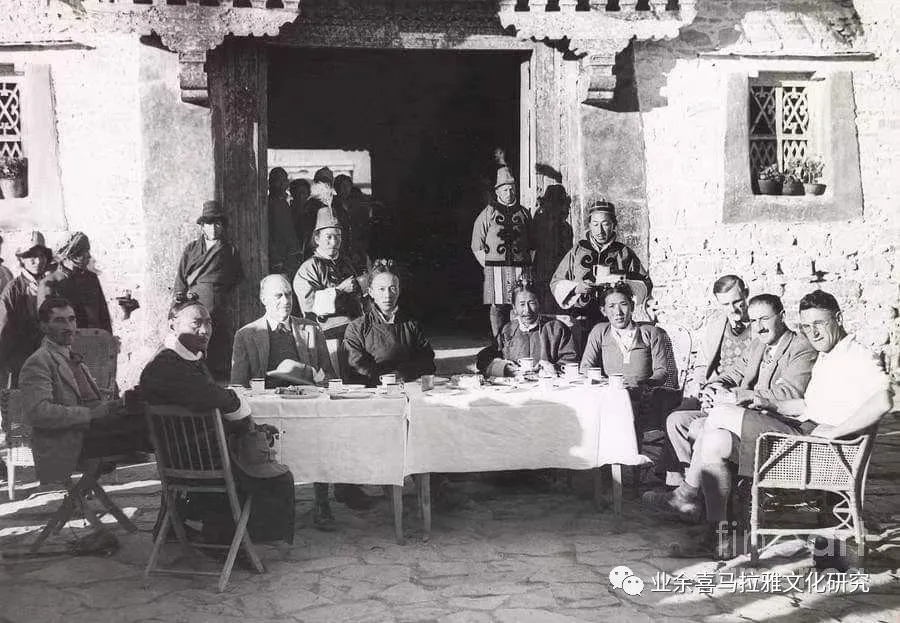
The British mission in Lhasa represents a fascinating period in the complex tapestry of Tibet's foreign relations. Its establishment, evolution, and the personalities involved highlight the geopolitical significance of Tibet during a time of great change. The mission served not only as a diplomatic outpost but also as a cultural and informational bridge, leaving a...Read More
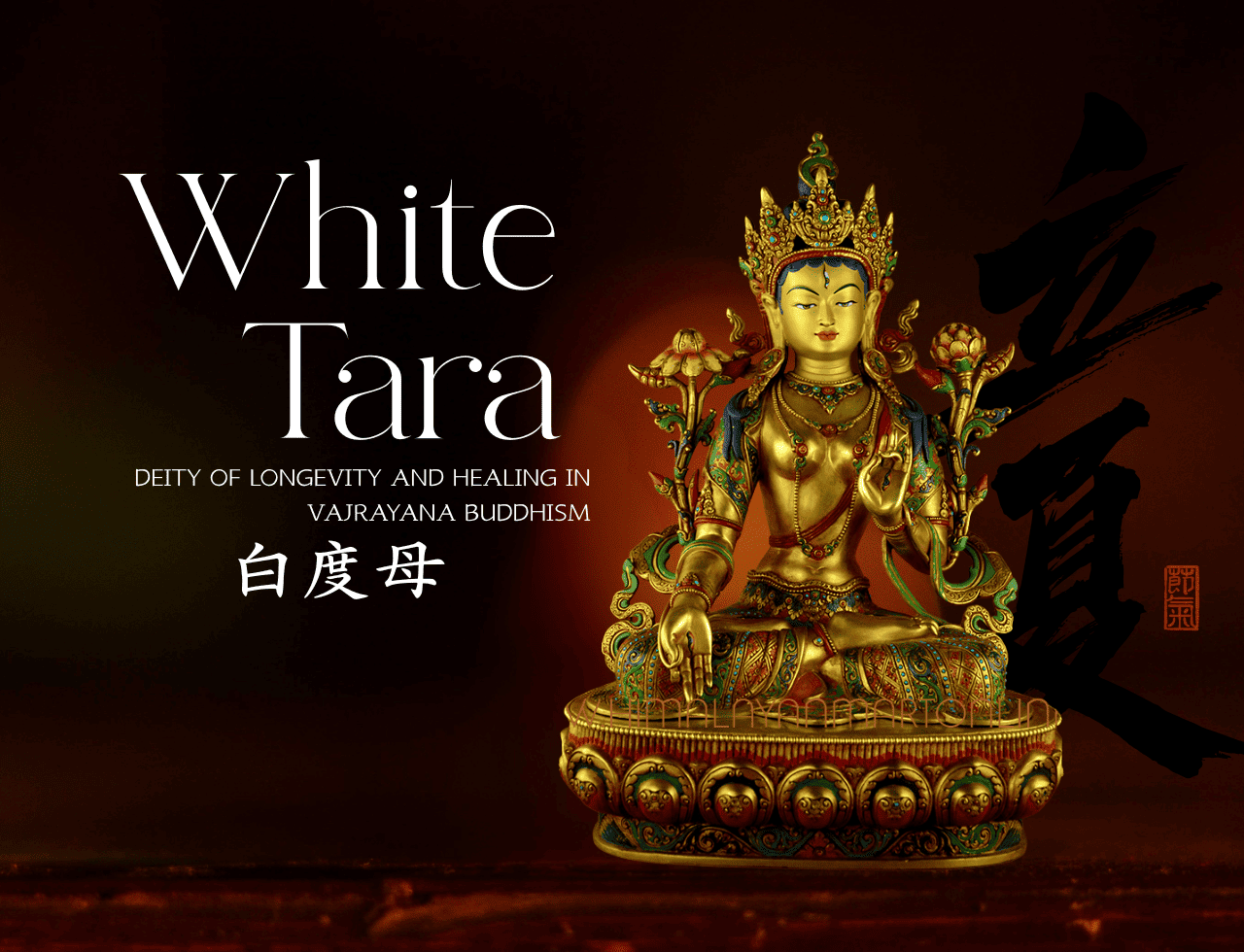
Who Is White Tara in Tibetan Buddhism? In Tibetan Vajrayana Buddhism, White Tara—known in Sanskrit as Sita-Tara and in Tibetan as sgrol-ma-dkar-po—is one of the most beloved and widely practiced deities. She is honored as the Buddhamother of Longevity, representing long life, healing, wisdom, and compassionate protection. White Tara is one of the Twenty-One Taras,...Read More
The wild yak, known in Tibetan as “Zhung” (vbrong), is considered the closest wild relative and the ancestor of the domesticated yak. The domestication of yaks from their wild counterparts is a story deeply embedded in Tibetan history and culture. Historical Domestication According to ancient Tibetan texts, during the reign of the first Tibetan king,...Read More
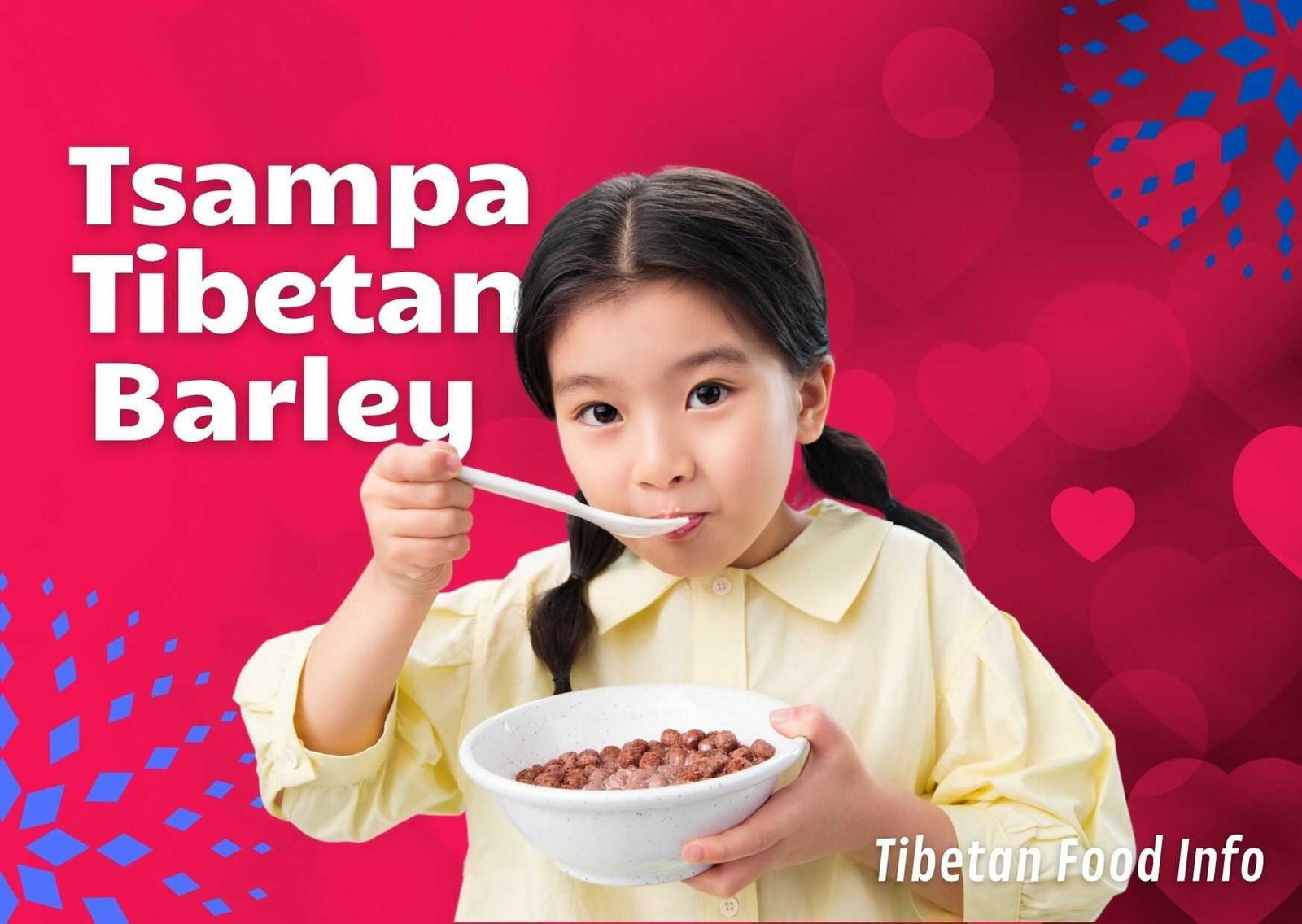
Explore the rich tradition of Tsampa, a beloved staple food in Tibetan cuisine. Learn the proper procedure for making and enjoying Tsampa, along with its cultural significance and versatile serving methods. Delve into the authentic Tibetan experience with this simple yet nutritious food.Read More
Uncover the secrets of Tibet's 612 captivating lakes with our comprehensive FAQ guide. Learn about the unique characteristics that make these lakes stand out, from their vast distribution across the Qinghai-Tibet Plateau to their contrast against the stereotypical image of Tibet as a dry highland. Explore how Tibet's lakes, many spanning over five square kilometers,...Read More
Entdecken Sie die Bedeutung von Buttertee in Tibet, von seiner traditionellen Zubereitung bis zu den gesundheitlichen Vorteilen. Erfahren Sie, wie dieses Getränk in der tibetischen Kultur tief verwurzelt ist und warum es täglich genossen wird.Read More